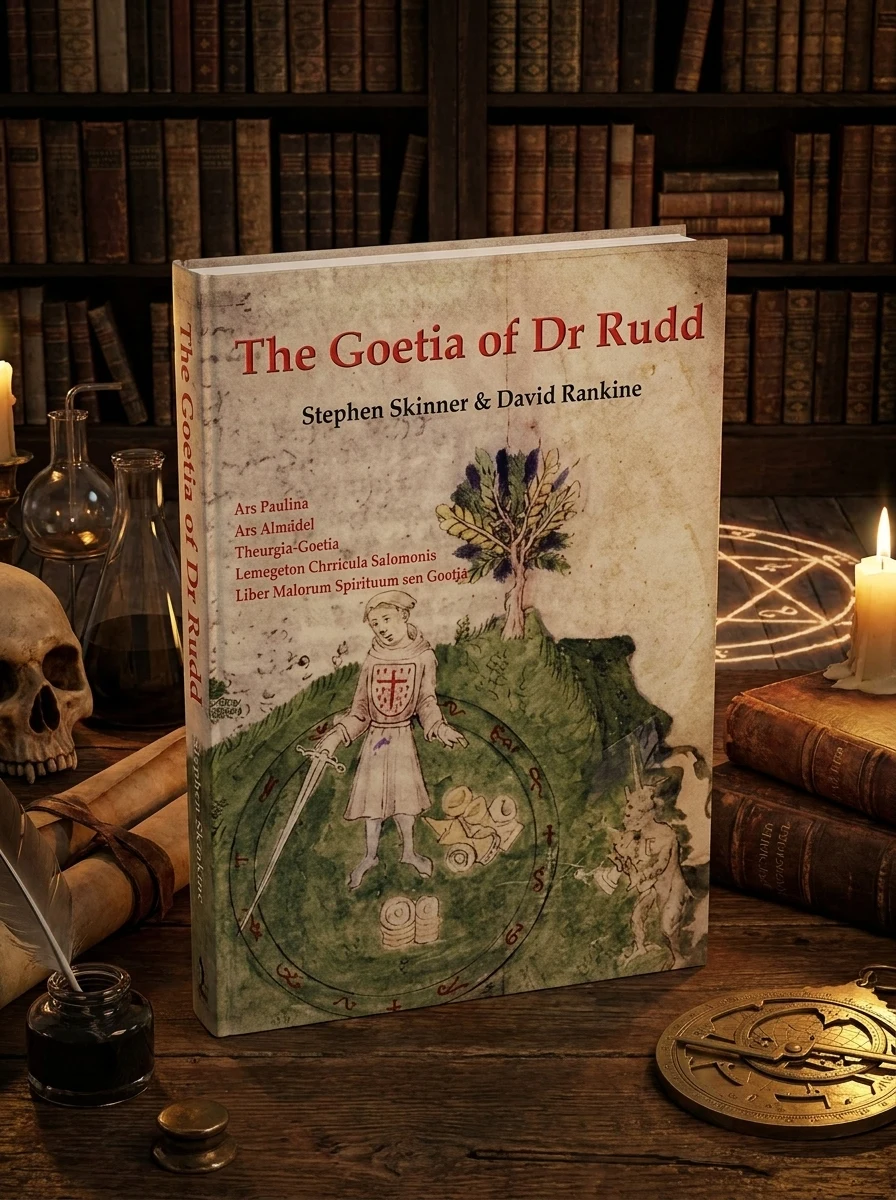
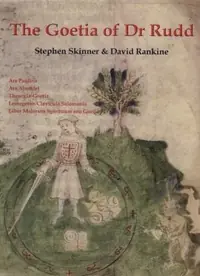
The Goetia of Dr Rudd: The Angels & Demons of Liber Malorum Spirituum Seu Goetia Lemegeton Clavicula Salomonis
Skinner, Stephen; , Rankine, DavidStock reported in the catalog; fulfillment is confirmed with your request.
Unveil the hidden grimoire of Dr. Rudd, bridging angelic wisdom with demonic conjuration.
This seminal work unveils the personal grimoire of Dr. Thomas Rudd, a preeminent 17th-century scholar and magical successor to Dr. John Dee. More than just a notorious handbook of sorcery, Rudd's Goetia presents a sophisticated system for commanding the seventy-two infernal spirits. What distinguishes this edition is its profound integration of angelic forces, providing practitioners with protective counter-charms for safe ritual operations. It offers an unparalleled glimpse into historical ceremonial magic, showcasing a meticulous approach to spirit evocation and control.
This text belongs to the tradition of historical ceremonial magic, specifically bridging angelic wisdom with demonic conjuration within the framework of the Lemegeton Clavicula Salomonis.


📝 Description: The Goetia of Dr Rudd: The Angels & Demons of Liber Malorum Spirituum Seu Goetia Lemegeton Clavicula Salomonis
💎 Expert review
📖 Why choose it
Why this book is worth reading
Practitioners seeking a sophisticated approach to spirit evocation and control will find immense value in this seminal work. It offers an unparalleled glimpse into historical ceremonial magic through the personal grimoire of Dr. Thomas Rudd, a magical successor to Dr. John Dee. The inclusion of profound angelic forces provides essential protective counter-charms, ensuring safe ritual operations for those commanding the seventy-two infernal spirits. Readers interested in the meticulous intersection of angelic wisdom and demonic conjuration will appreciate this unique synthesis. It serves as a critical resource for understanding the nuances of 17th-century scholarly magic, offering both depth and practical utility for serious students of the esoteric arts who desire safety alongside power.
⭐ Reader reviews
Reader rating
This edition stands out for its integration of protective angelic forces within the notorious framework of the Goetia. While it offers a rigorous historical perspective on Dr. Rudd’s system, it demands a dedicated reader comfortable with complex ceremonial structures. It is not suitable for casual readers or those seeking simple, straightforward spellwork without foundational knowledge. Those expecting modern interpretations or diluted content may find the historical rigor demanding. However, for serious occultists, the meticulous approach to spirit control and the balance of demonic and angelic elements make it a compelling, authoritative addition to any library of ceremonial magic.
❓ Frequently asked questions
📖 Who should read this
For serious students of ceremonial magic, occult history, or the Goetia, this book offers profound insights. If you seek to understand intricate historical systems of spirit evocation and angelic protection, and appreciate scholarly grimoire studies, this is an essential addition.
🎯 Key themes and symbolism
Angelic & Demonic Synthesis
This volume details a unique magical system where infernal spirit invocation is balanced and controlled by simultaneous angelic evocation. It explores how celestial forces were believed to provide protection and authority over dangerous Goetic demons, offering a complex interplay between divine and chthonic powers within ritual practice.
Seventeenth-Century Ceremonial Magick
This volume offers an invaluable window into the practical application of ritual magic during the early 17th century. It showcases the methods, tools, and theoretical underpinnings employed by scholar-magicians like Dr. Rudd, revealing a sophisticated approach to spirit contact. It challenges common misconceptions about historical occult practice.
Kabbalistic Influence
Central to Rudd's system is the underlying influence of Kabbalistic thought, particularly in the structure of angelic hierarchies and the use of divine names. This foundational esoteric tradition informs the very fabric of protective and commanding rituals, demonstrating how Jewish mysticism was integrated into Western ceremonial magic to imbue operations with spiritual authority.
💬 Quotes from the book
“And thou shalt conjure forth the Spirit N. with the Divine Names, commanding him by the power of the Highest, lest he appear not in his proper form, but in a monstrous likeness, causing fear and dread.”
“For against the seventy-two infernal Dukes, there are appointed seventy-two Angels of the Shemhamphorasch, whose seals and names shall be invoked to bind and compel the wicked, and to ensure the safety of the Magus.”
📜 Historical context
📚 Glossary
- Goetia
- Grimoire
- Kabbalah
📔 Questions to reflect on
- How does the historical context of the 17th century shape the understanding and practice of ceremonial magic presented in Rudd's Goetia?
- Consider the ethical implications of using angelic forces to control demonic entities. What does this reveal about the worldview of the practitioner?
- In what ways might the integration of Kabbalistic elements enhance or complicate the practical application of Goetic magic?
✍️ More books by this author Skinner, Stephen; , Rankine, David
All books by this author →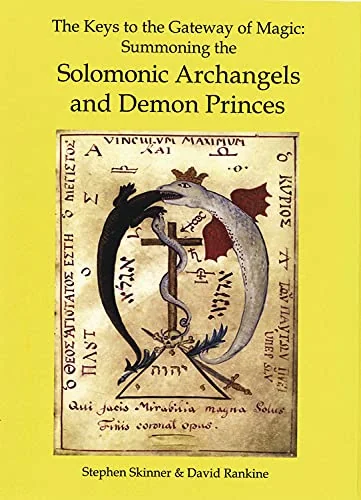
🏛 Books from this publisher Llewellyn Publications
All books from this publisher →

 89
89


You might also like
See more →


 89
89