Chaos magic emerged in late 1970s England as a radical departure from ceremonial tradition. Instead of inheriting rigid systems from the Golden Dawn or Hermetic orders, chaos magicians treat belief itself as a tool—something you adopt, use, and discard when it no longer serves. This pragmatic, experimental approach has attracted practitioners tired of dogma, skeptics curious about results, and artists seeking to weaponize their creativity.
The problem is that chaos magic books vary wildly in tone, difficulty, and usefulness. Some are dense theoretical treatises. Others are practical workbooks. A few blend both. If you're searching for chaos magic books, you're probably asking one of three questions: Where do I start? What comes next? And how deep can I go?
This guide maps twelve essential texts across that spectrum. Each one has been chosen because it actually teaches—not because it sounds esoteric or carries a famous name. You'll find books for complete beginners, practitioners stuck in their current approach, and seasoned magicians ready to push into territory most occultists won't touch.
Starting Out: Accessible Foundations
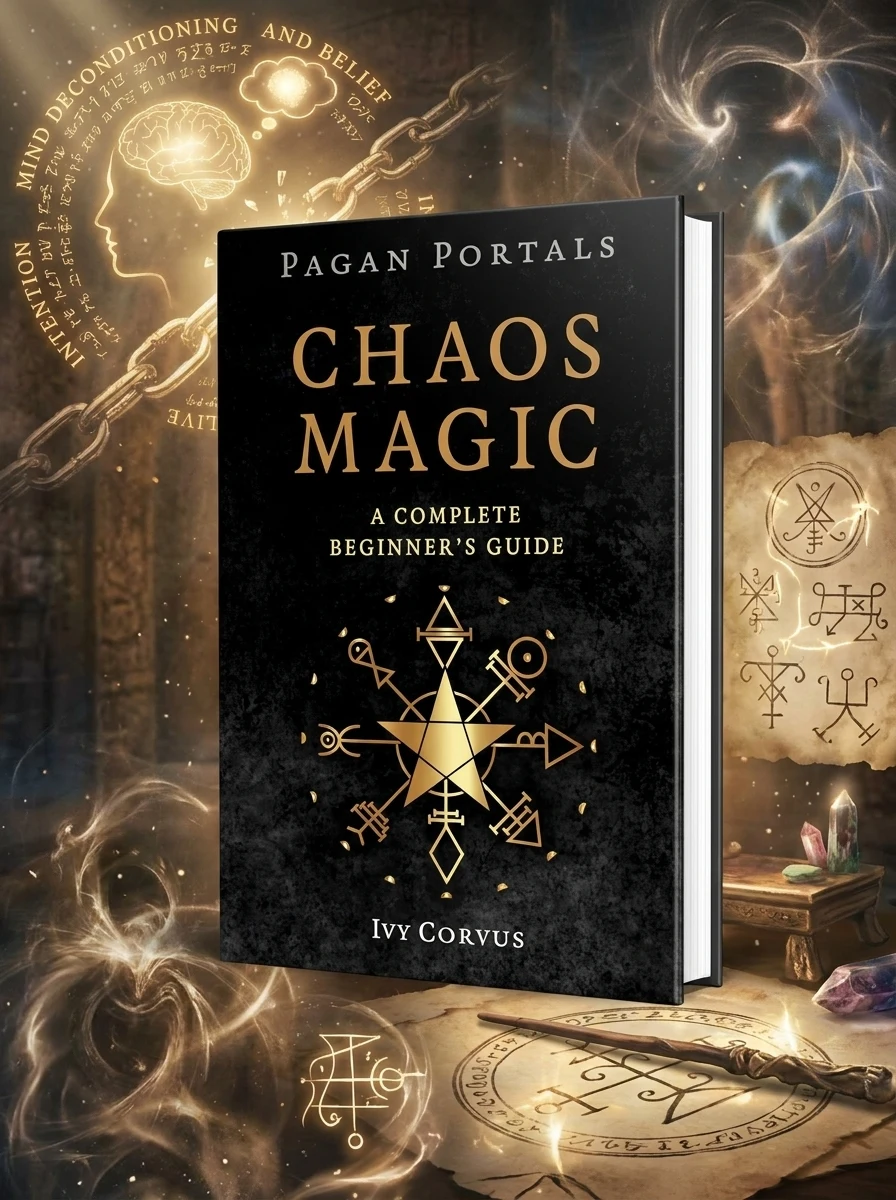
1. Pagan Portals - Chaos Magic: A Complete Beginner's Guide — Ivy Corvus
Pagan Portals - Chaos Magic: A Complete Beginner's Guide is the gentlest entry point. Corvus writes for readers who have never cast a sigil or questioned their belief system. She explains what chaos magic actually is—not a path to summoning demons or breaking reality, but a method for aligning your will with action. The book covers foundational concepts like sigils, servitors, and the role of belief without assuming you've read Peter Carroll or studied Western esotericism. At under $15, it's also the most affordable option here.
2. Hands-On Chaos Magic: Reality Manipulation Through the Ovayki Current — Andrieh Vitimus
Hands-On Chaos Magic prioritizes practice over theory. Vitimus teaches a specific current—the Ovayki—as a vehicle for learning chaos magic techniques. If you want to start working immediately rather than reading philosophy first, this book delivers. It's written for people who learn by doing, and it keeps jargon to a minimum. The tone is encouraging without being condescending, which matters when you're trying something unfamiliar.
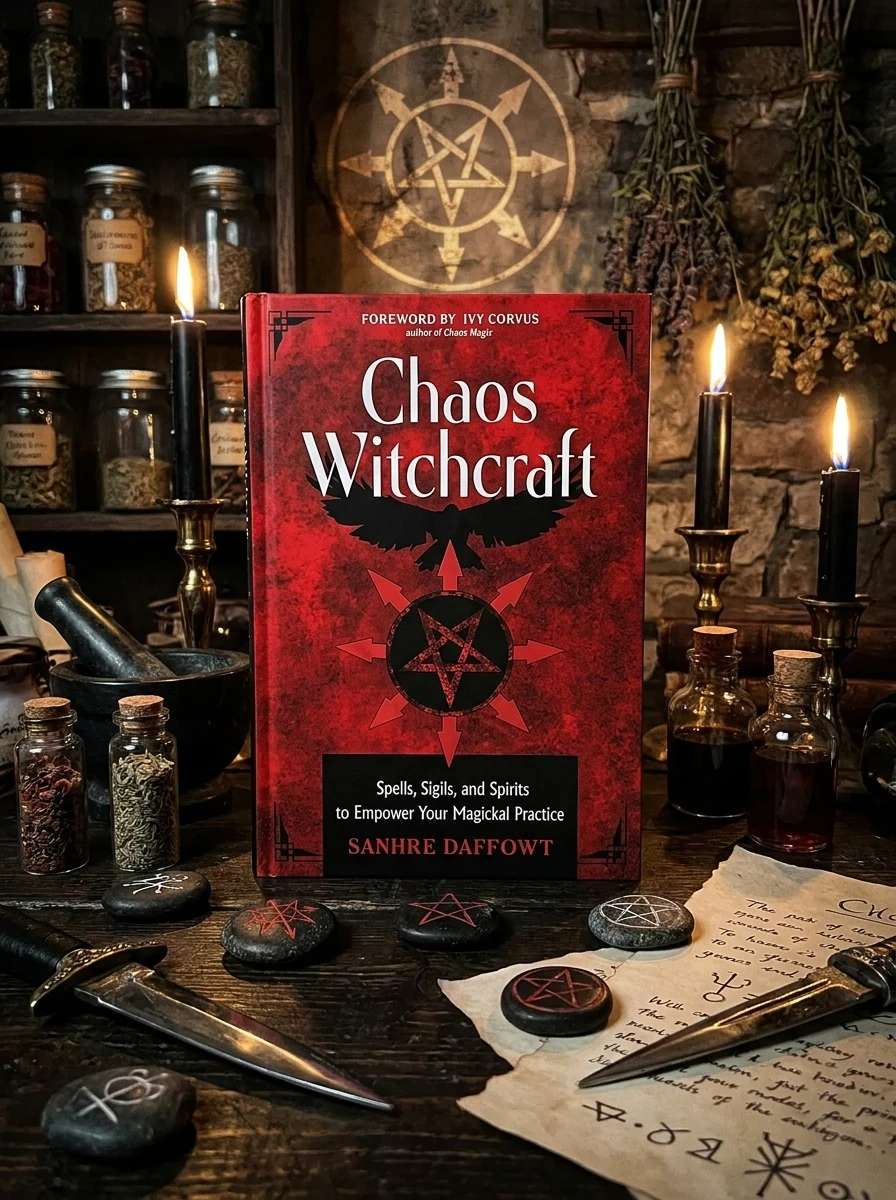
3. Chaos Witchcraft: Spells, Sigils, and Spirits to Empower Your Magickal Practice — Sanhre Daffowt and Ivy Corvus
Chaos Witchcraft bridges witchcraft and chaos magic for practitioners who identify as witches but reject traditional Wiccan structure. Daffowt and Corvus show how to personalize your practice, work with spirits on your own terms, and use sigil magic alongside herbal work and intuition. It's practical, contemporary, and speaks directly to the growing number of witches who want results without hierarchy.
Moving Deeper: Theory Meets Practice
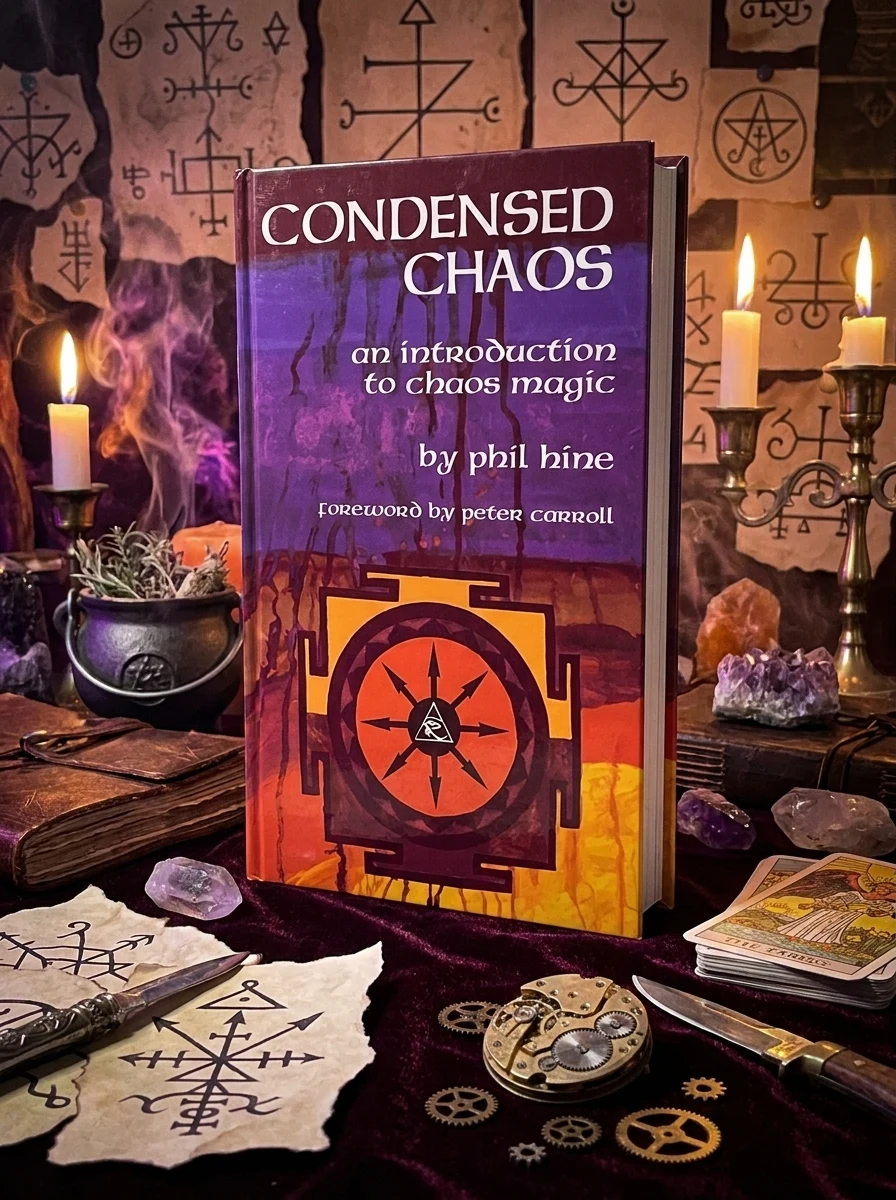
4. Condensed Chaos: An Introduction to Chaos Magic — Phil Hine
Condensed Chaos is the bridge book. Hine assumes you've read something about magic before, but he doesn't assume you've committed to any tradition. He explains chaos magic's philosophical roots, its break from ceremonial magic, and how to actually practice it. The writing is clear and direct. Hine respects your intelligence without burying you in footnotes. If you've finished a beginner guide and want to understand the why behind the technique, this is your next step.
5. Adventures In Woo Woo: Real-World Chaos Magick — Tommie Kelly
Adventures In Woo Woo is written as a practitioner's diary. Kelly documents his experiments, failures, and breakthroughs with honesty that most occult books avoid. He shows what chaos magic looks like when you're not in a perfect ritual space, when your sigil work conflicts with your day job, when your spiritual practice collides with real life. This book is invaluable for practitioners who feel stuck or disillusioned by the gap between theory and reality.
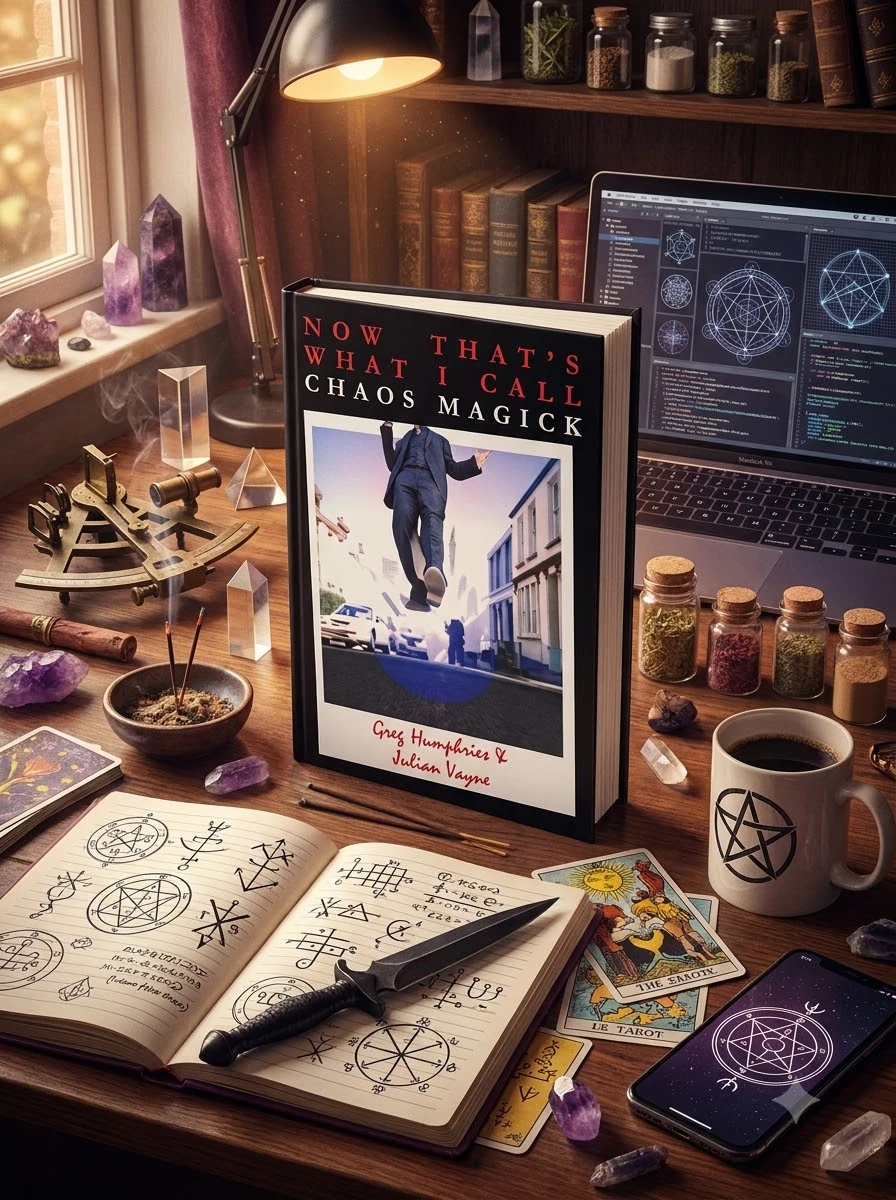
6. Now That's What I Call Chaos Magick — Julian Vayne and Greg Humphries
Now That's What I Call Chaos Magick takes a collaborative approach, with Vayne and Humphries offering different perspectives on the same practices. This format is useful because chaos magic itself encourages you to develop your own system. Seeing two experienced practitioners explain their different approaches gives you permission to do the same. The book covers both mechanics and philosophy, making it suitable for practitioners who've moved past beginner material but aren't ready for dense theory.
Advanced Theory and Specialized Paths
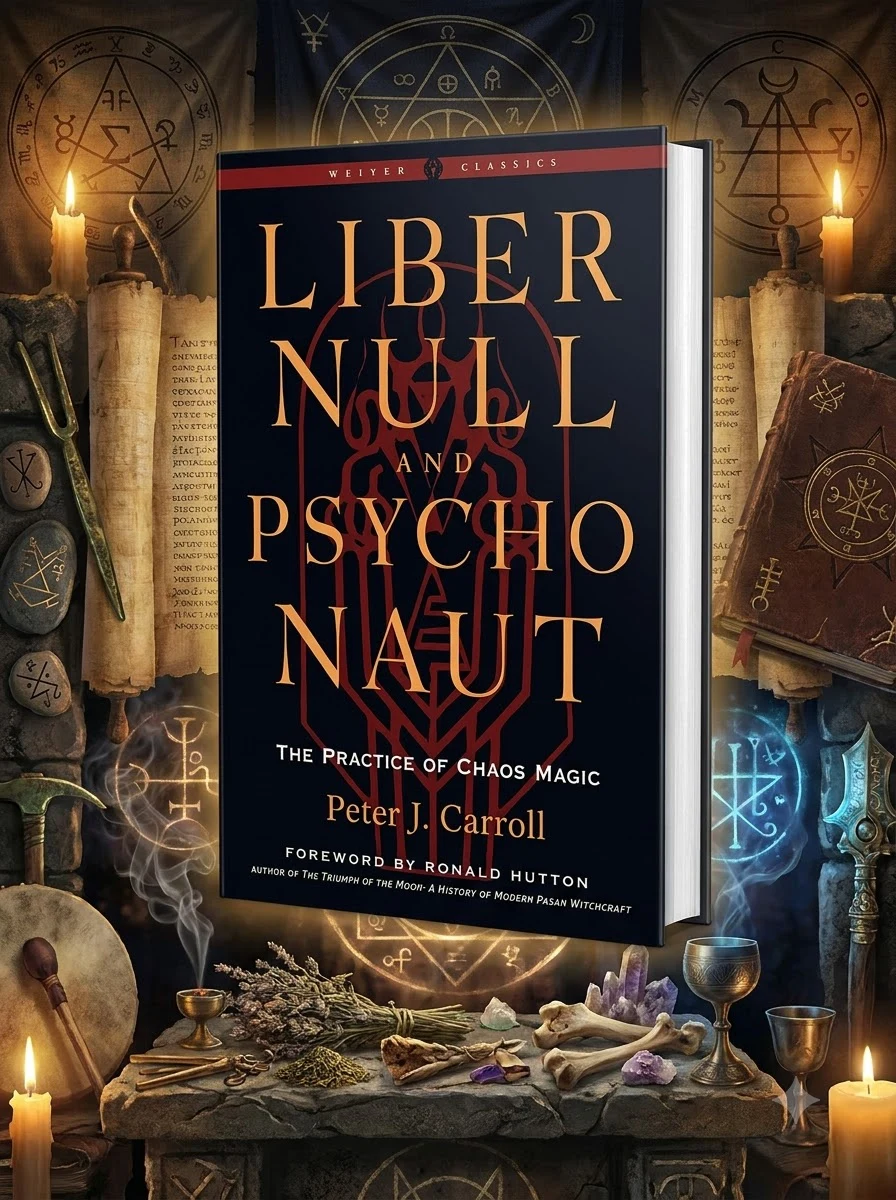
7. Liber Null & Psychonaut: The Practice of Chaos Magic — Peter J. Carroll
Liber Null & Psychonaut is one of the foundational texts. Carroll, who helped establish chaos magic in the 1970s, presents both the philosophy and the practice. This is not an easy read. Carroll writes for people ready to question everything, including their own sanity and perception. The revised edition includes expanded material on consciousness, belief, and the nature of magic itself. If you're serious about understanding chaos magic's intellectual foundations, you need this book.
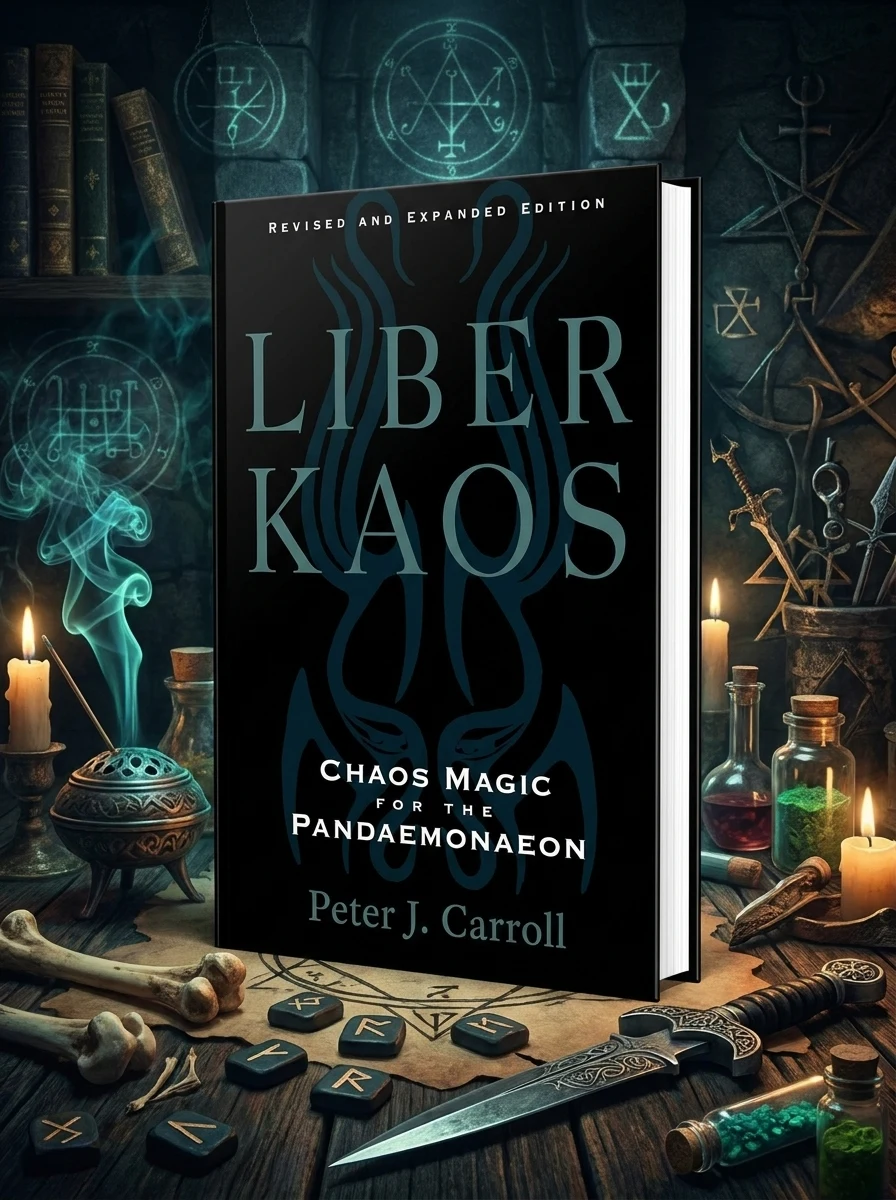
8. Liber Kaos: Chaos Magic for the Pandaemonaeon — Peter J. Carroll
Liber Kaos is Carroll's follow-up, written for practitioners ready to move beyond foundational work. It explores advanced magical theory, the nature of consciousness, and how chaos magic adapts to changing cultural conditions. This book assumes you've already read Liber Null or equivalent material. It's dense, sometimes cryptic, and occasionally frustrating—but it rewards careful study.
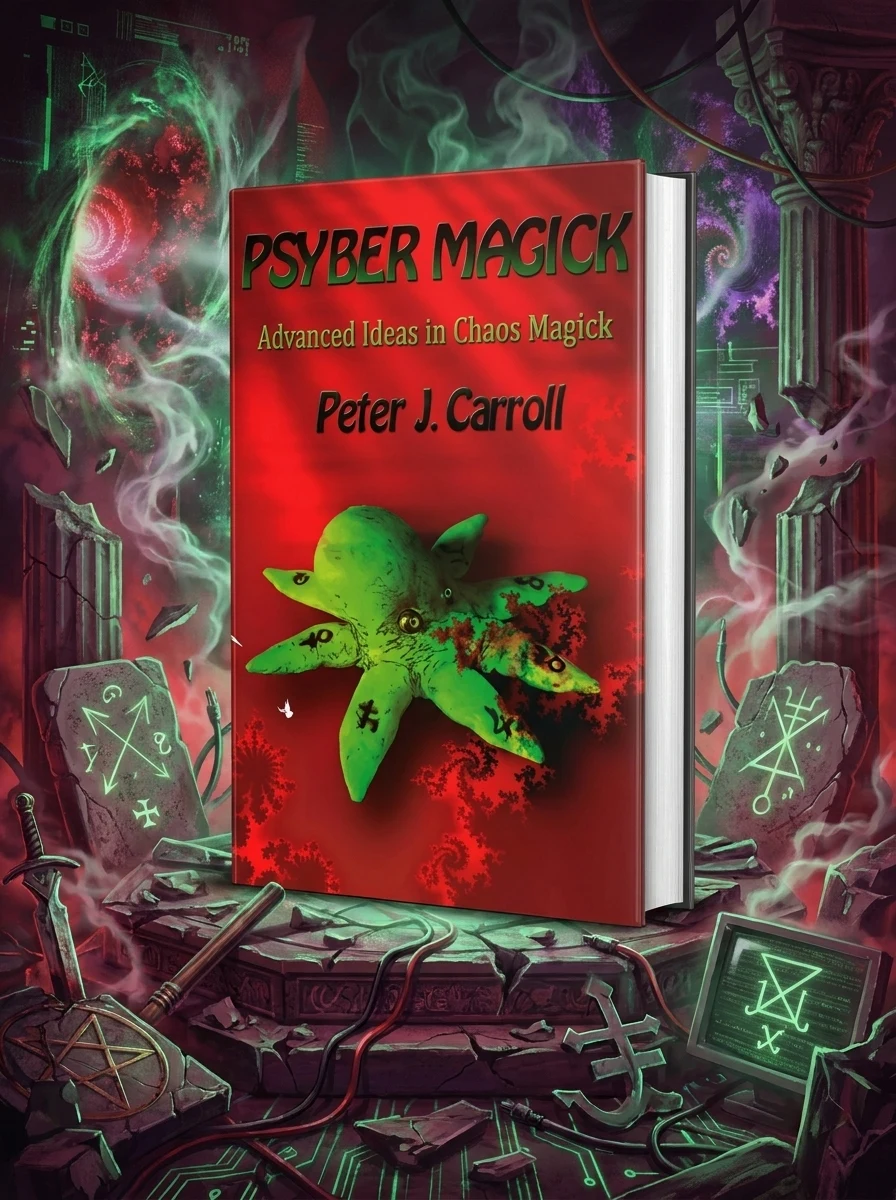
9. PsyberMagick: Advanced Ideas in Chaos Magick — Peter J. Carroll
PsyberMagick is Carroll's most experimental work, exploring how chaos magic intersects with technology, psychology, and consciousness studies. It's shorter than his other books but denser in ideas. This is for magicians who want to push boundaries and aren't afraid of being wrong in the process. Carroll explicitly encourages you to dismantle his ideas and build your own.
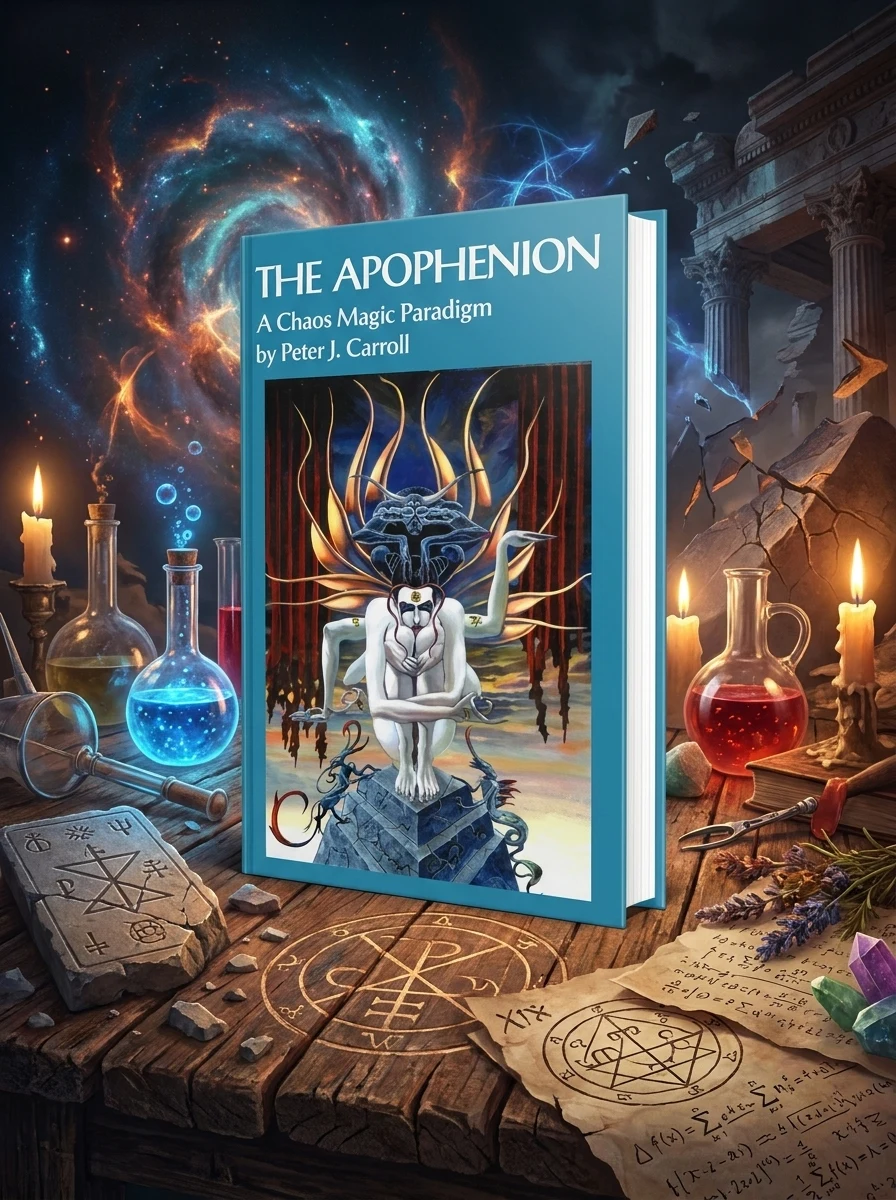
10. The Apophenion: A Chaos Magick Paradigm — Peter J. Carroll
The Apophenion is Carroll's most recent and most ambitious work. It presents a complete magical paradigm grounded in chaos theory, neuroscience, and philosophy. This book is for practitioners and theorists willing to abandon comfortable ideas about how magic works. It's expensive and demanding, but it represents the current edge of chaos magic thinking.
Specialized Applications and Perspectives
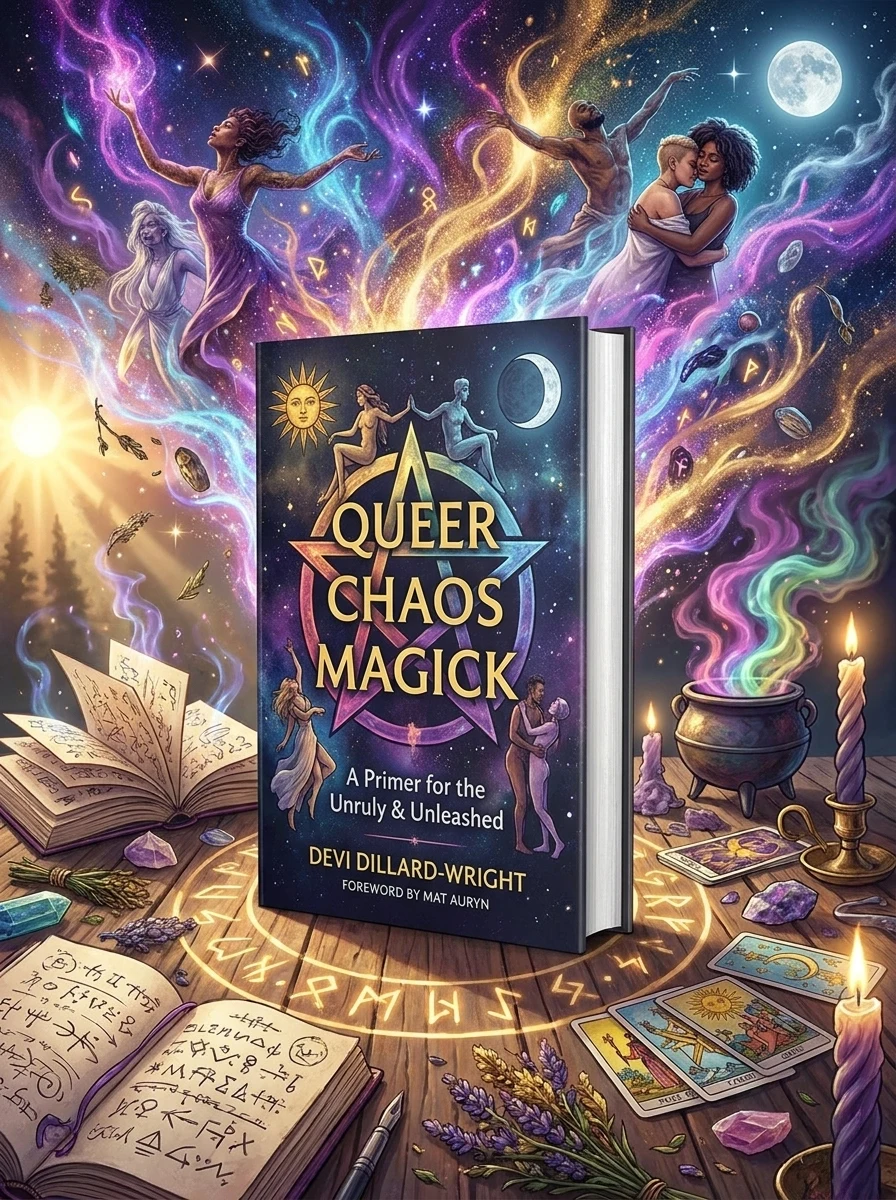
11. Queer Chaos Magick: A Practical Pagan Path for Times of Change — Devi Dillard-Wright
Queer Chaos Magick brings chaos magic into conversation with queer identity and community. Dillard-Wright shows how chaos magic's emphasis on personal authority and experimental practice aligns with queer ways of being. This book is essential for LGBTQ+ practitioners and for anyone interested in how magic serves marginalized communities. It's practical, grounded, and politically conscious without being preachy.
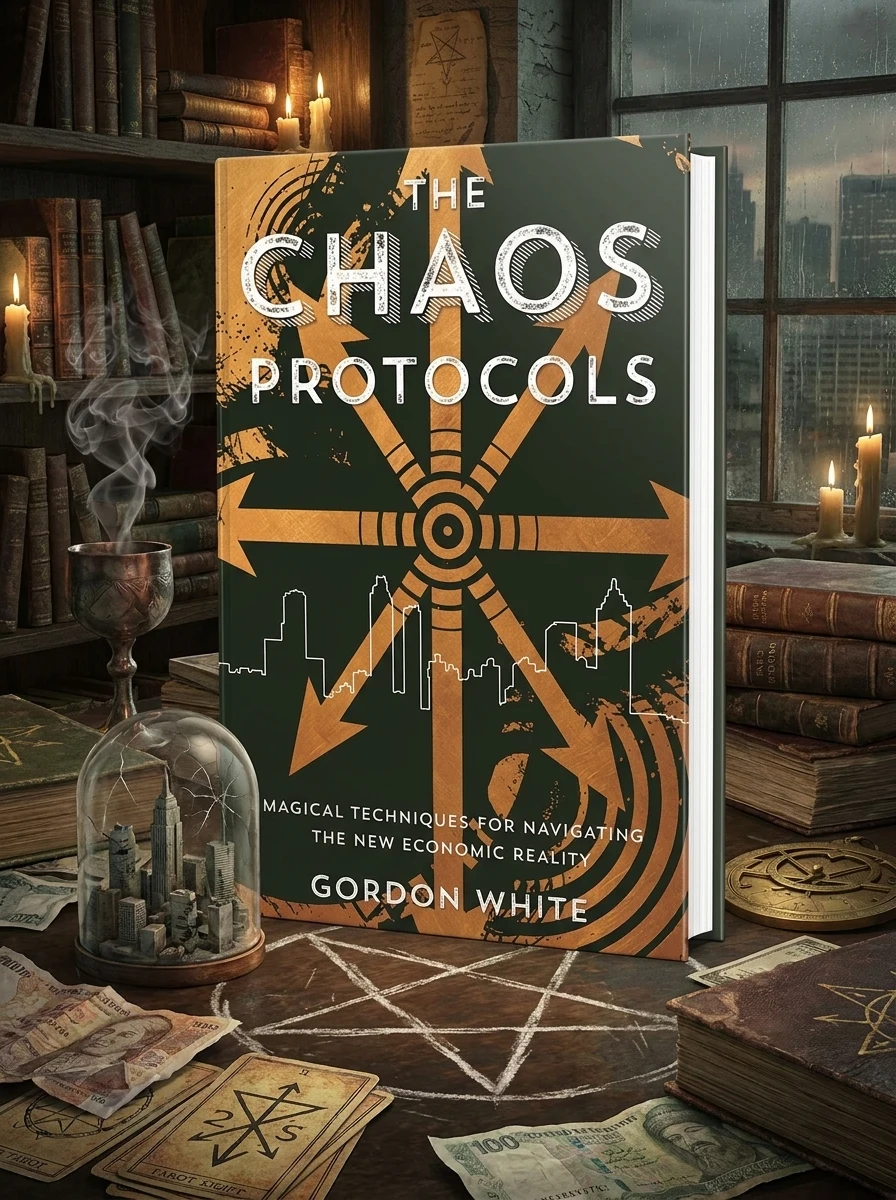
12. The Chaos Protocols: Magical Techniques for Navigating the New Economic Reality — Gordon White
The Chaos Protocols applies chaos magic to contemporary life—specifically to economics, power, and personal agency in a broken system. White writes for practitioners who want magic to be useful in the material world, not just the spiritual one. If you're tired of magic books that ignore money, work, and survival, this book takes those concerns seriously.
How to Choose Your Path
Start with your experience level. If you've never encountered chaos magic, begin with either Pagan Portals or Hands-On Chaos Magic. The first is more conceptual; the second is more practical. Choose based on whether you learn better by understanding ideas first or by working with techniques immediately.
If you've already read introductory material, move to Condensed Chaos or Adventures In Woo Woo. Hine's book will deepen your understanding of the tradition. Kelly's book will help you integrate what you've learned into actual practice.
Peter Carroll's books form a progression: start with Liber Null & Psychonaut, then move to Liber Kaos, then PsyberMagick, and finally The Apophenion. Don't skip steps. Each builds on the previous one.
Consider your specific interests. If you're a witch, read Chaos Witchcraft. If you're queer or exploring identity-based practice, Queer Chaos Magick is essential. If you want magic to address material concerns, start with The Chaos Protocols.
Finally, remember that chaos magic is fundamentally about experimentation. These books are maps, not destinations. Read them, test their ideas, and build your own system. That's the whole point.