The occult has never been a single thing. It is philosophy and practice, history and living tradition, the study of hidden forces and the direct experience of them. When someone asks for the best occult books, they're really asking: where do I fit in this vast landscape, and what should I read first?
The answer depends on what draws you. Are you a thinker who needs the intellectual scaffolding before ritual? A practitioner hungry for technique? A historian wanting to understand how Western esotericism actually evolved? Or someone sensing that conventional reality leaves something out, and you want to know what?
We've spent years watching which books stay on our shelves, which ones our customers come back to, and which ones genuinely change how people think. What follows is not a list of the most famous occult texts—though some are—but the ones that actually work for readers starting now, in 2024, with real lives and real questions.
Start Here: Philosophy and Foundations
Before you pick up a grimoire or light a candle, you need to know what you're doing and why. These books give you that ground.
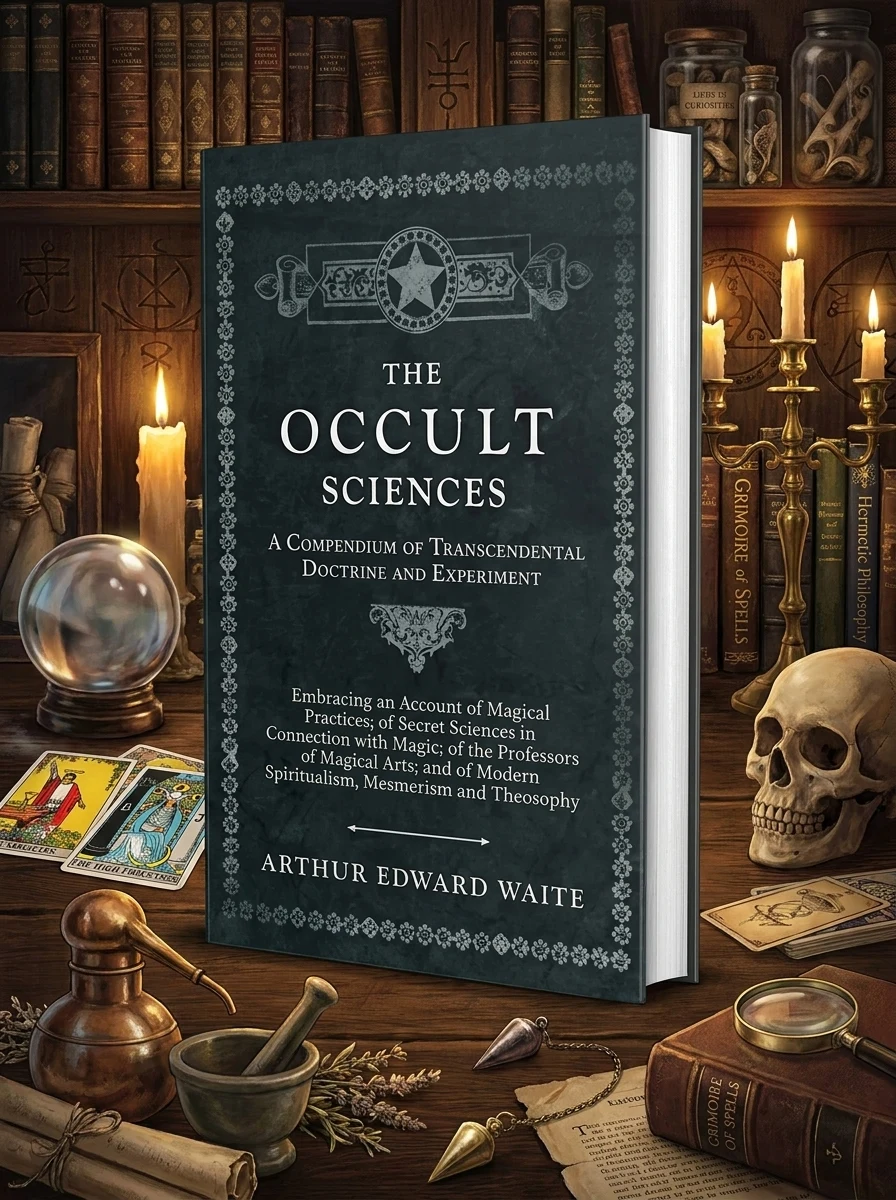
1. The Occult Sciences: A Compendium of Transcendental Doctrine and Experiment — Arthur Edward Waite
Waite wrote this in 1891, and it remains the clearest single overview of Western occult thought. He covers magic, alchemy, astrology, and Kabbalah with the precision of a scholar and the reverence of a practitioner. This is not mystical poetry—it's a map. If you read nothing else, read this first. It will answer the question: what am I actually studying?
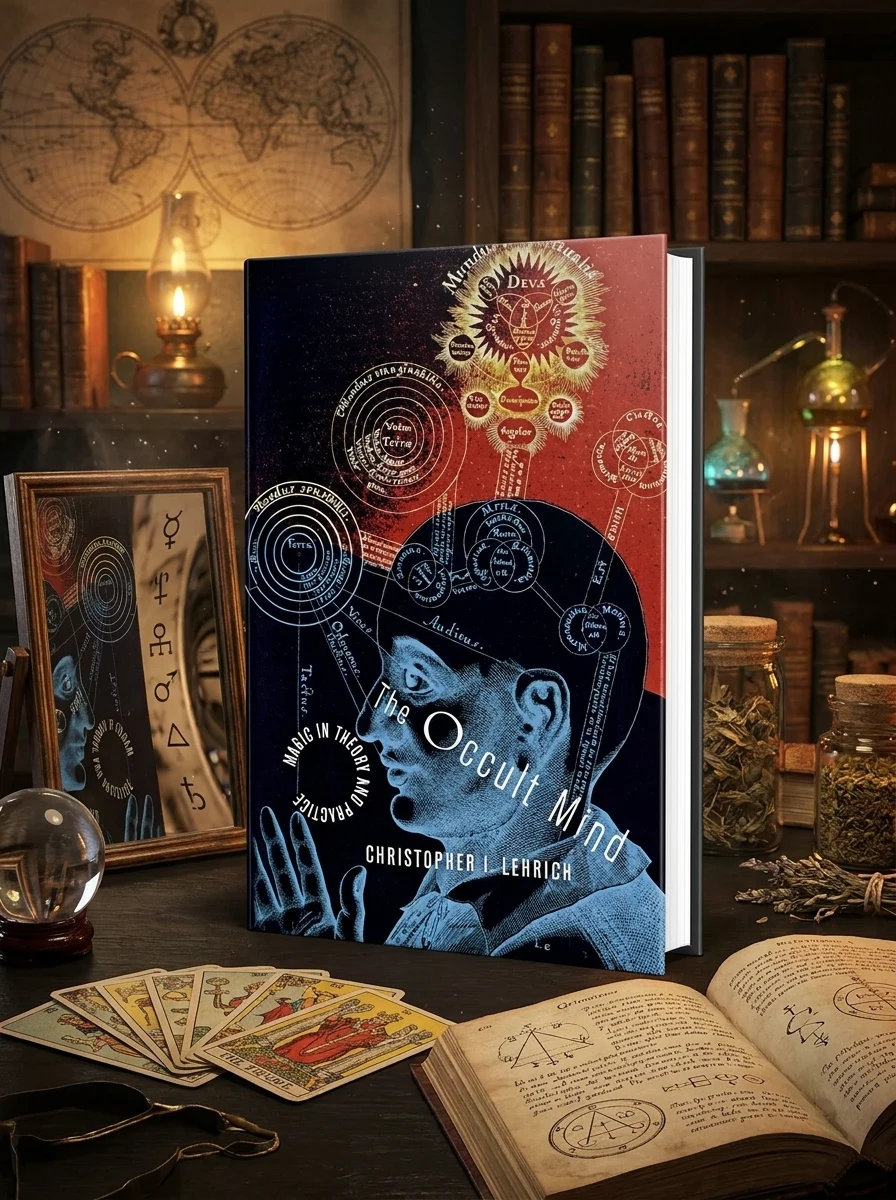
2. The Occult Mind: Magic in Theory and Practice — Christopher I. Lehrich
Lehrich is a historian of ideas, and this book traces how Western thought came to split magic off from science, and why that split was never as clean as we pretend. If you want to understand the intellectual roots of esotericism—why it exists, how it thinks—this is essential. It's rigorous without being dry.
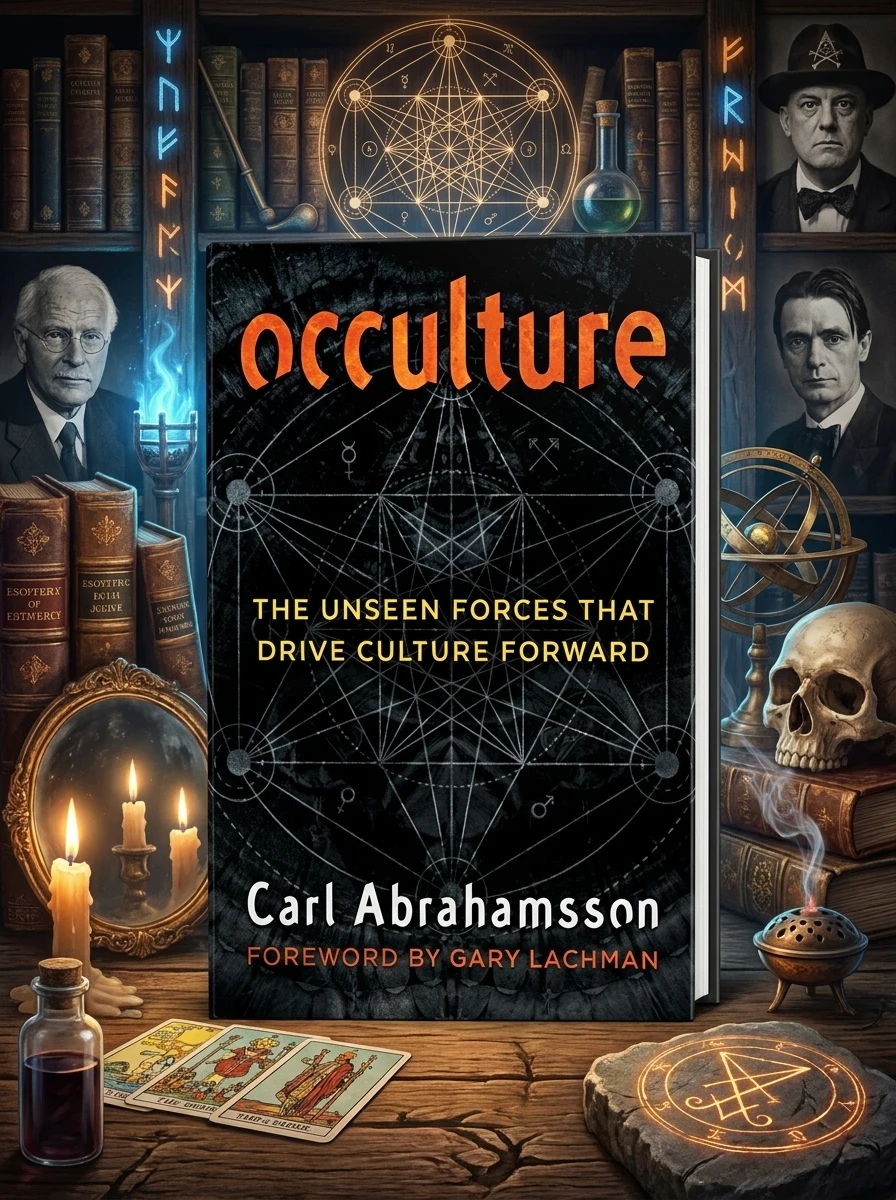
3. Occulture: The Unseen Forces That Drive Culture Forward — Carl Abrahamsson and Gary Lachman
This book asks: how has occult thought shaped modern art, music, and culture? It's shorter than the others, more essayistic, and it makes the case that esotericism is not a relic—it's alive in how we create and think now. Read this if you sense that the occult matters to contemporary life, not just history.
The Classics: Texts That Built the Tradition
These are the books that other occultists reference. They are demanding, sometimes archaic, but they carry real power because they were written by people who lived what they taught.
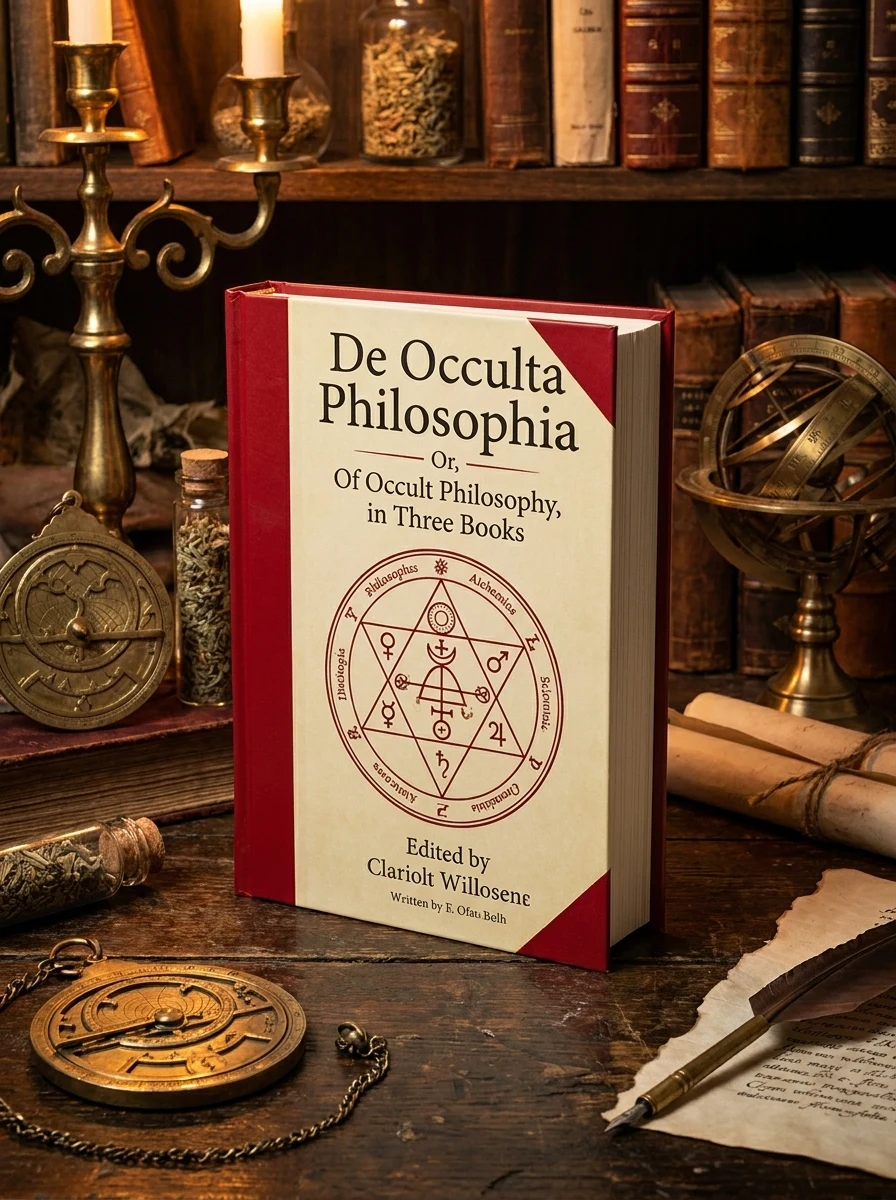
4. Three Books of Occult Philosophy — Heinrich Cornelius Agrippa
Agrippa's Renaissance masterwork is the foundation of Western ceremonial magic. It connects the human being to the cosmos through correspondence, symbol, and ritual. The language is old, the concepts are dense, but this is where modern magic comes from. If you're serious, you will eventually read this. Start now if you're ready for real difficulty.
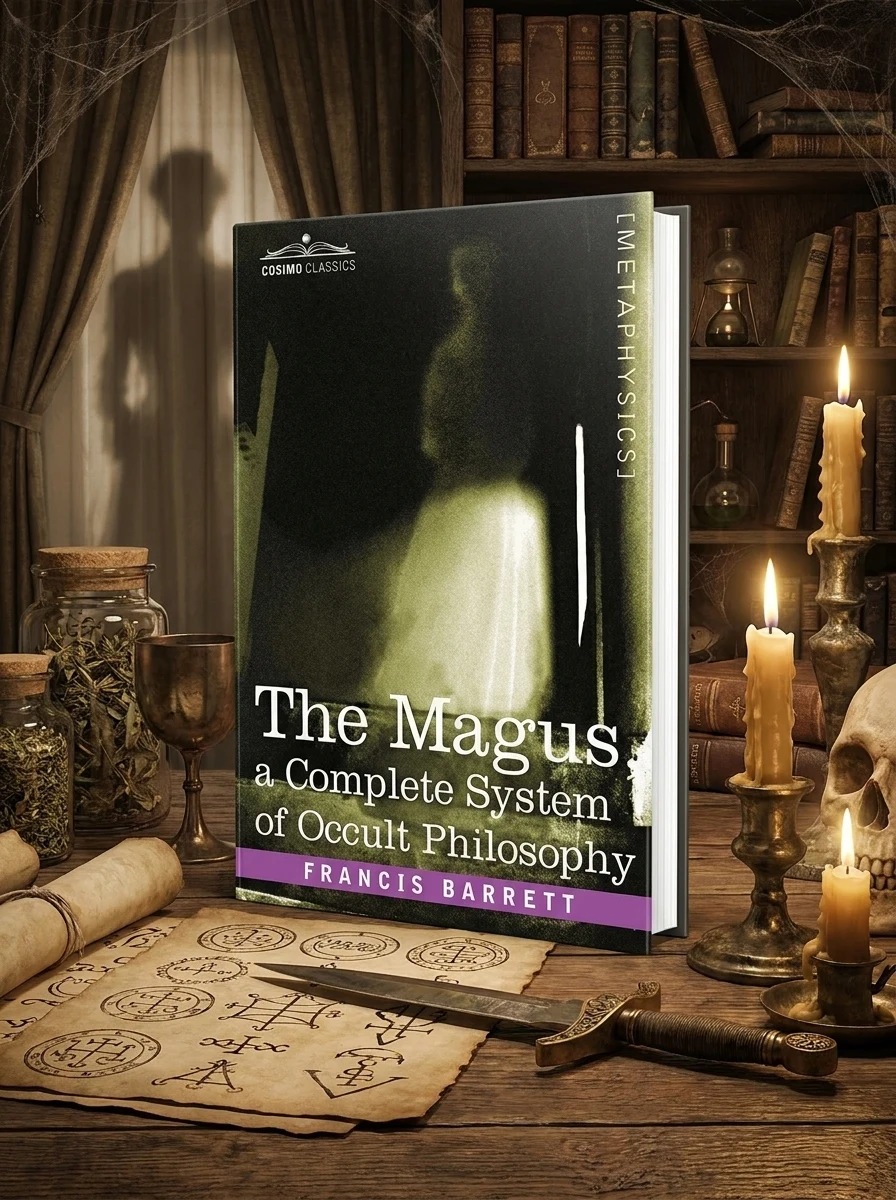
5. The Magus: A Complete System of Occult Philosophy — Francis Barrett
Barrett synthesized Agrippa and other sources into a practical handbook. It includes actual rituals, talismans, and invocations. Where Agrippa is philosophy, Barrett is practice. This is the book that made ceremonial magic teachable. It's under $25 and worth every cent if you want to understand how Western ritual magic actually works.
History: How We Got Here
You cannot understand the occult without understanding its past. These books show you the real history—not the myths about it.
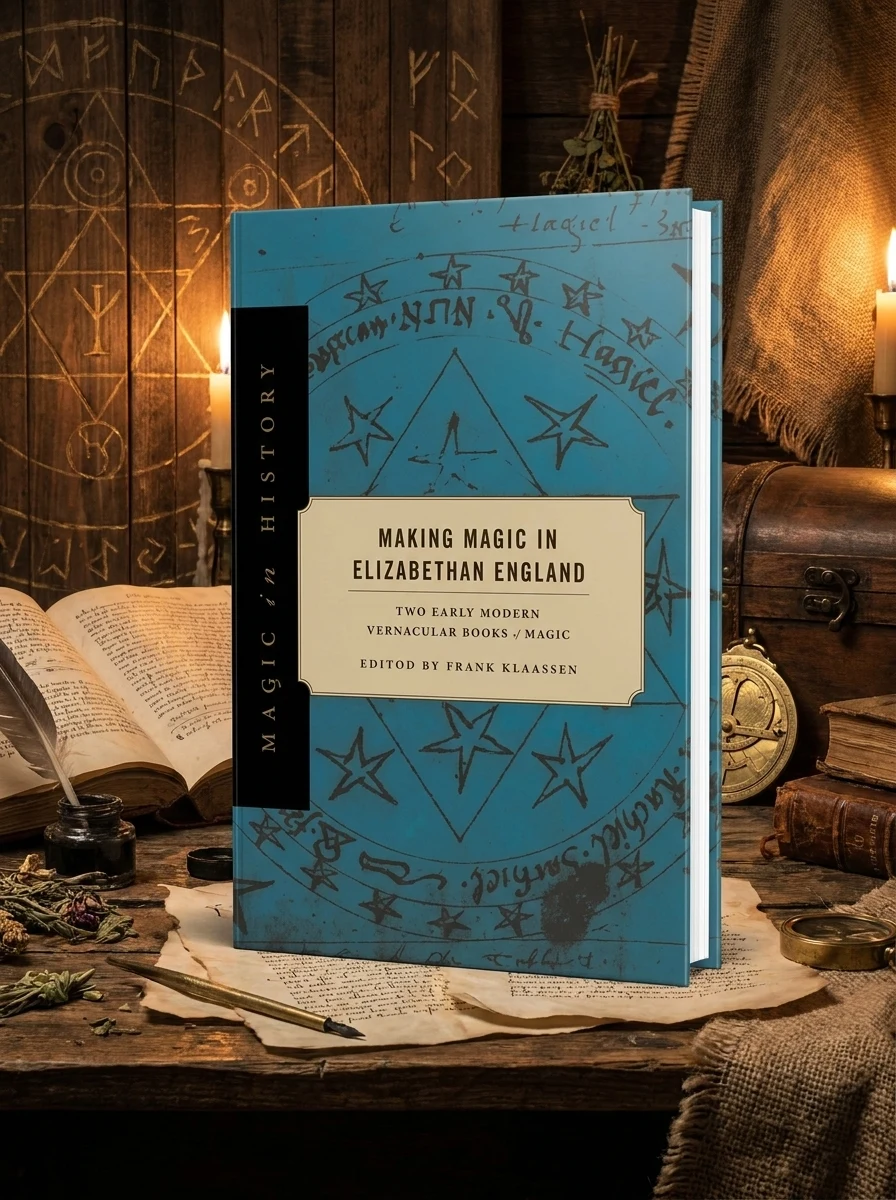
6. Making Magic in Elizabethan England: Two Early Modern Vernacular Books of Magic — Frank Klaassen
This is a historian's close reading of two actual grimoires from the 1500s. Klaassen shows you what real practitioners were doing, thinking, and writing—not what later romantics claimed they did. It's specific, grounded, and fascinating. If you want to know how magic was actually practiced before it became a philosophy, read this.
7. Ghost Land: Researches Into the Mysteries of Occultism — William Britten
Britten was a 19th-century spiritualist and occultist who tried to systematize the unseen world. This is a historical document and a genuine attempt at occult science. It's strange, earnest, and shows you how serious people thought about these matters 150 years ago. Under $25 and unlike anything else you'll read.
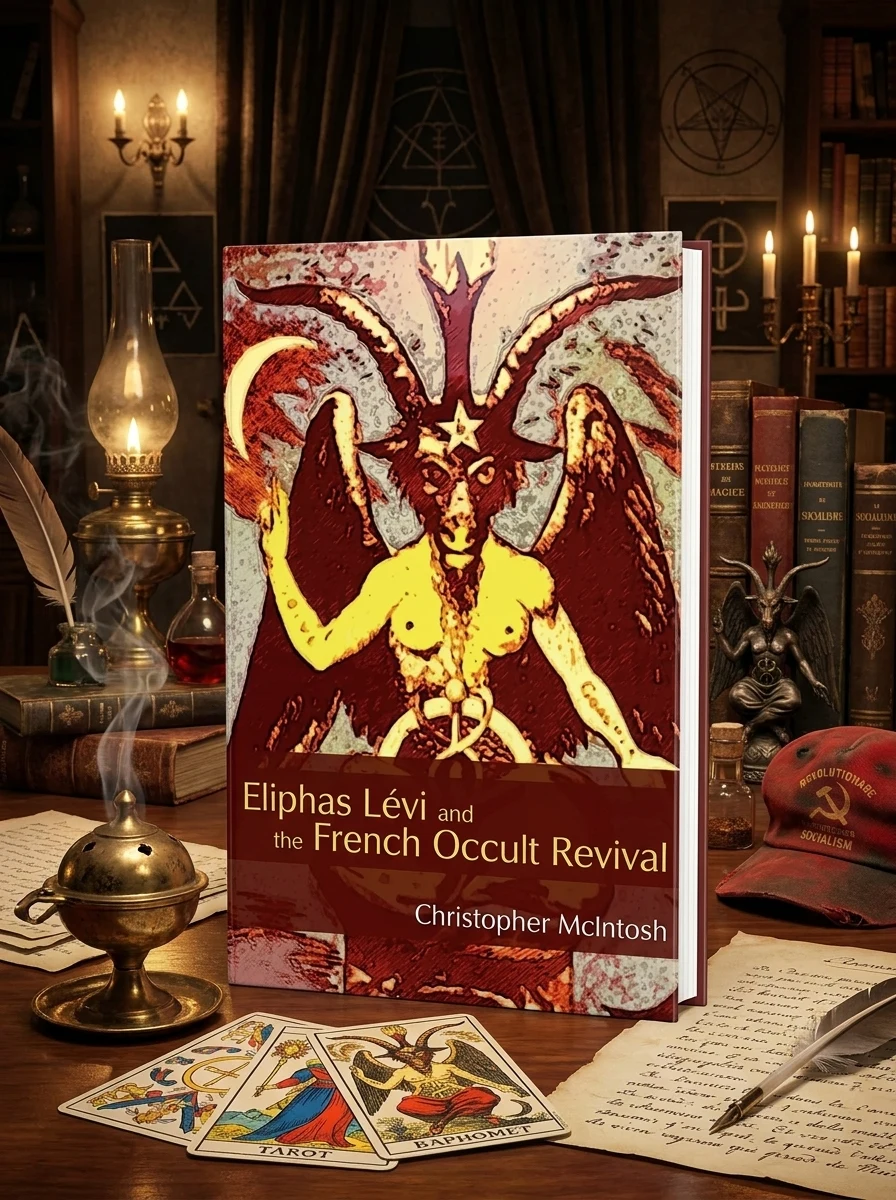
8. Eliphas Lévi and the French Occult Revival (Revised) — Christopher McIntosh
Lévi is the figure who modernized Western occultism in the 1800s. McIntosh's biography traces how Lévi synthesized Kabbalah, Tarot, and ceremonial magic into something new. If you want to understand how the occult became what it is today, this is the book. It's scholarly but readable, and it costs more than most, but it's worth it.
Practice and Depth: For Those Ready to Work
Once you have the foundation, these books teach you how to actually do the work—whether that's meditation, ritual, or inner exploration.
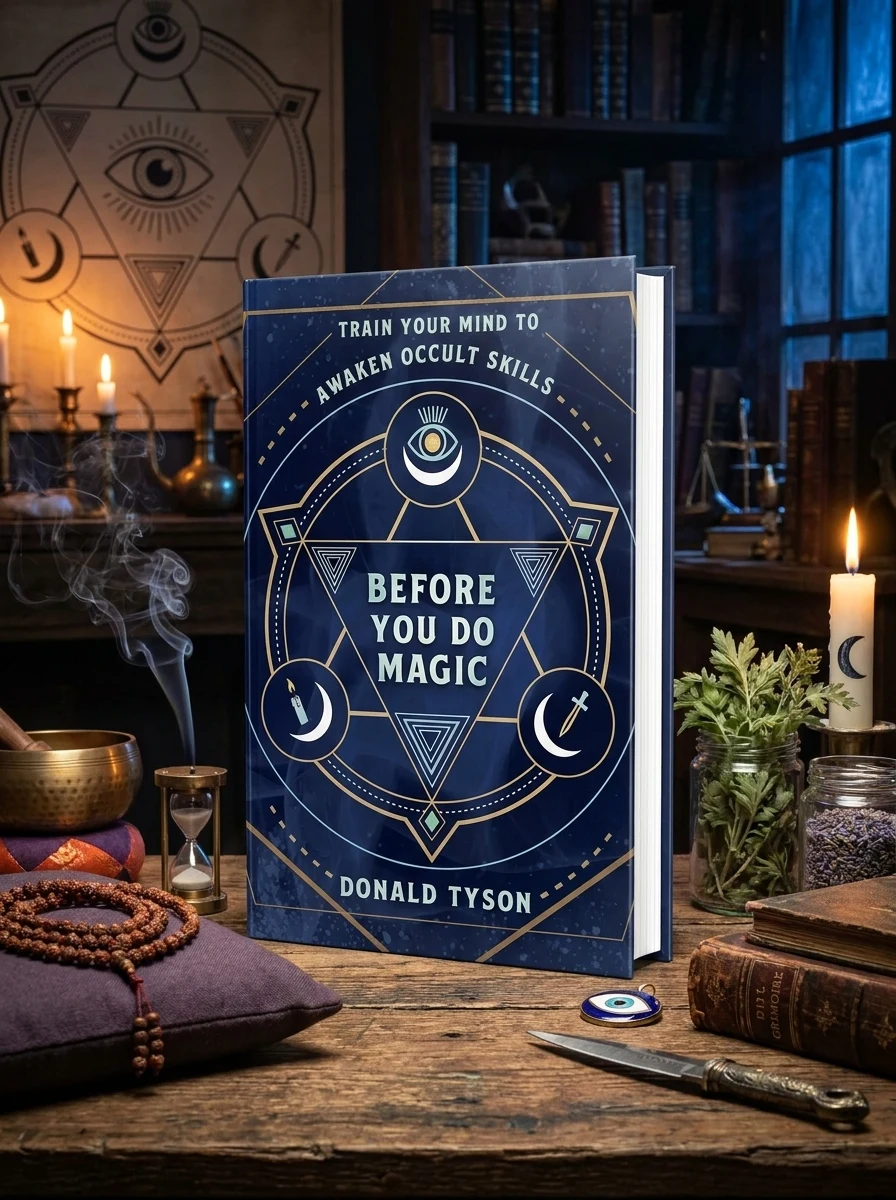
9. Before You Do Magic: Train Your Mind to Awaken Occult Skills — Donald Tyson
Tyson is a practical occultist, and this book does what its title promises: it trains your mind before you attempt ritual. It's exercises and technique, not theory. If you've read the philosophy and you're ready to actually develop occult ability, start here. It's under $20 and direct.
10. Trance-Portation: Learning to Navigate the Inner World — Diana L. Paxson
Paxson teaches you how to move consciously in non-ordinary states of consciousness. This is practical shamanism and occult technique combined. If you want to learn how to actually journey, explore inner planes, or work with spirits, this is the manual. It's under $25 and it works.
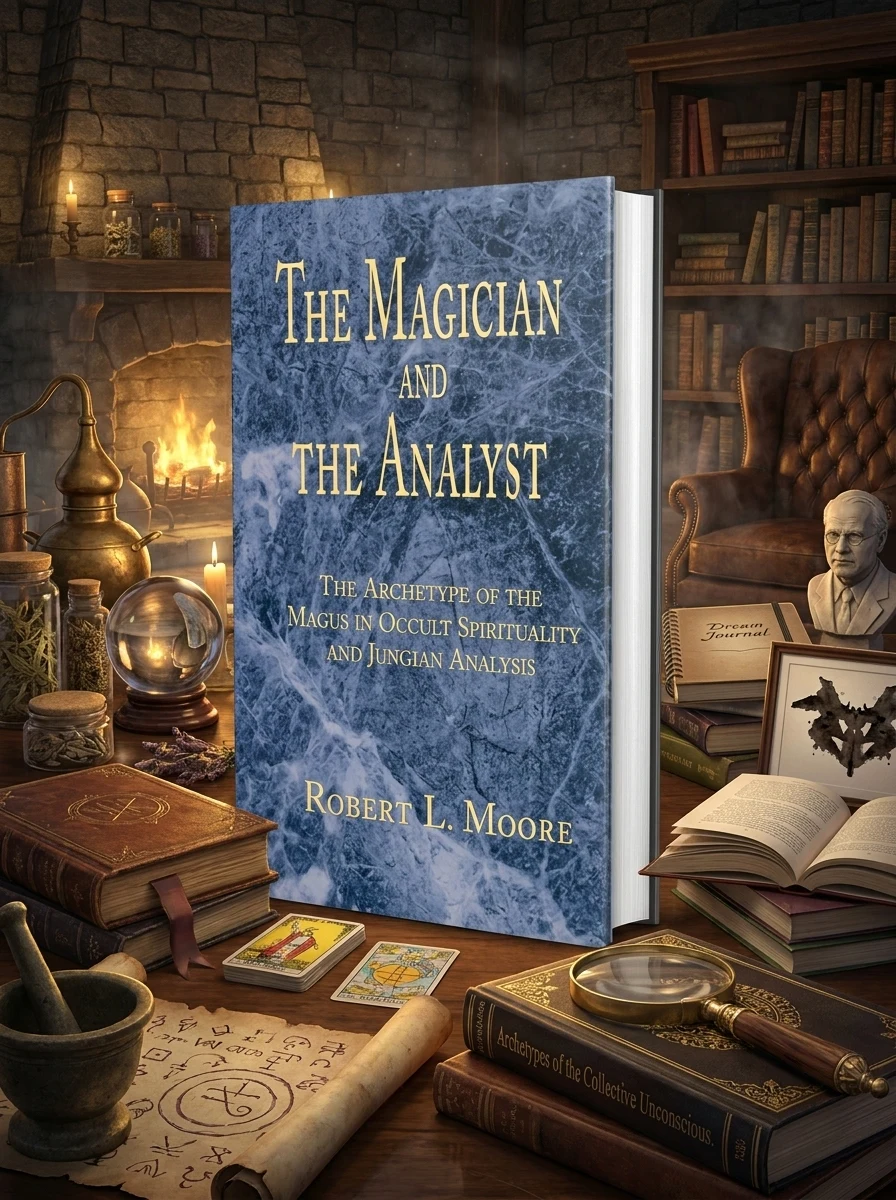
11. The Magician and the Analyst — Robert L. Moore
Moore bridges Jungian psychology and occult practice. He shows how the inner work of magic and the inner work of analysis are the same thing. If you're drawn to both mystical traditions and psychological depth, or if you want to integrate your spiritual journey with real self-knowledge, this is essential. It's under $20 and it changes how you think about both magic and psychology.
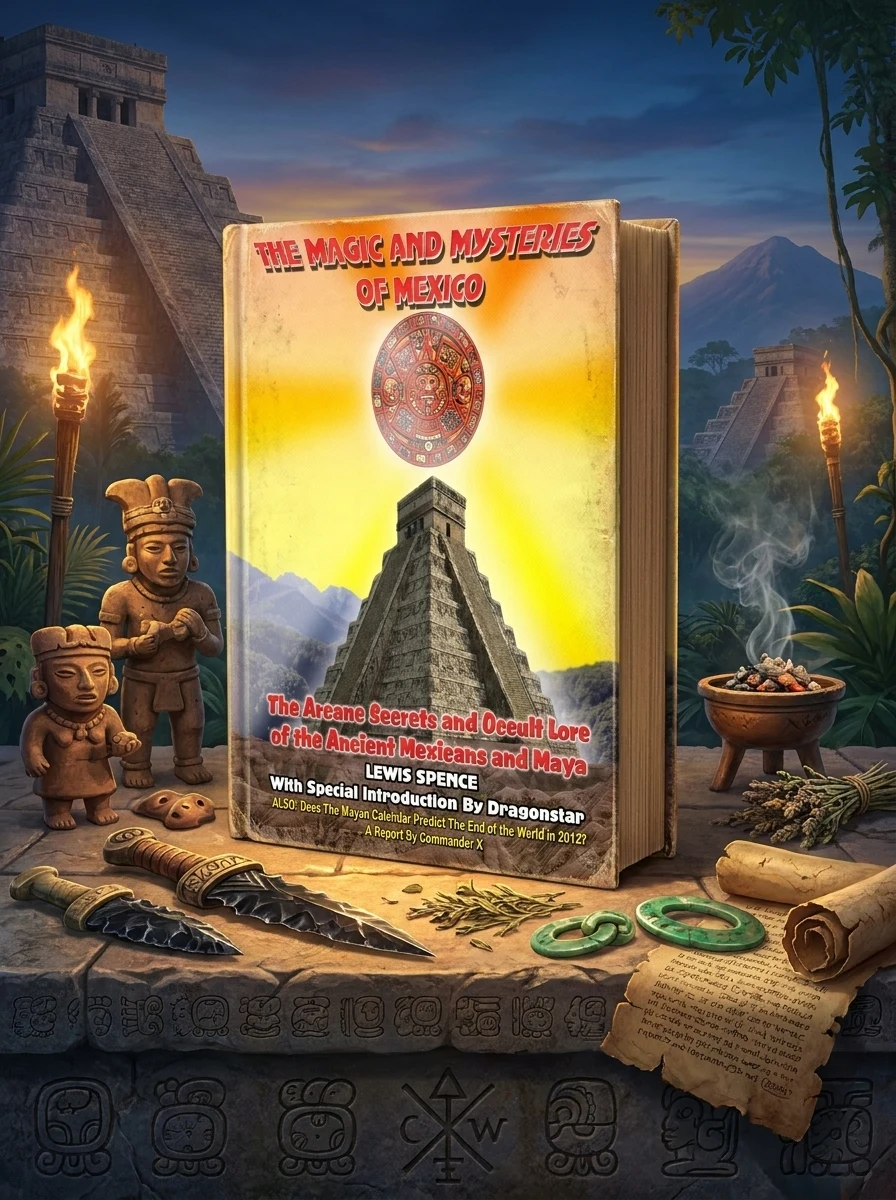
12. The Magick and Mysteries of Mexico: Arcane Secrets and Occult Lore of the Ancient Mexicans and Maya — Dragonstar, Commander X, and Tim Swartz
This book takes you outside the European tradition. It explores Mesoamerican magic, cosmology, and practice. If you want to understand that the occult is not only Western, or if you're drawn to indigenous wisdom traditions, this opens a different door. It's under $20 and it reminds you that magic is everywhere.
How to Choose Your Path
You don't need to read all of these. You need to read the ones that match where you are. If you're new and you want to understand what the occult actually is, start with Waite's Occult Sciences or Lehrich's Occult Mind. Both are under $35 and they will answer your foundational questions. If you're a historian or you want to know how we got here, begin with Klaassen or McIntosh. They will show you the real past, not the romanticized version. If you're a practitioner ready to work, skip the pure theory and go to Tyson, Paxson, or Moore. They assume you already know why you're here and they teach you how. If you're drawn to the classical texts themselves—Agrippa, Barrett—you're ready for the real thing. These books are not easy, but they are complete. They will take months to work through, and that's the point. The best occult book is the one that meets you where you are and takes you where you need to go. Start with one. Read it fully. Then let it tell you what to read next.