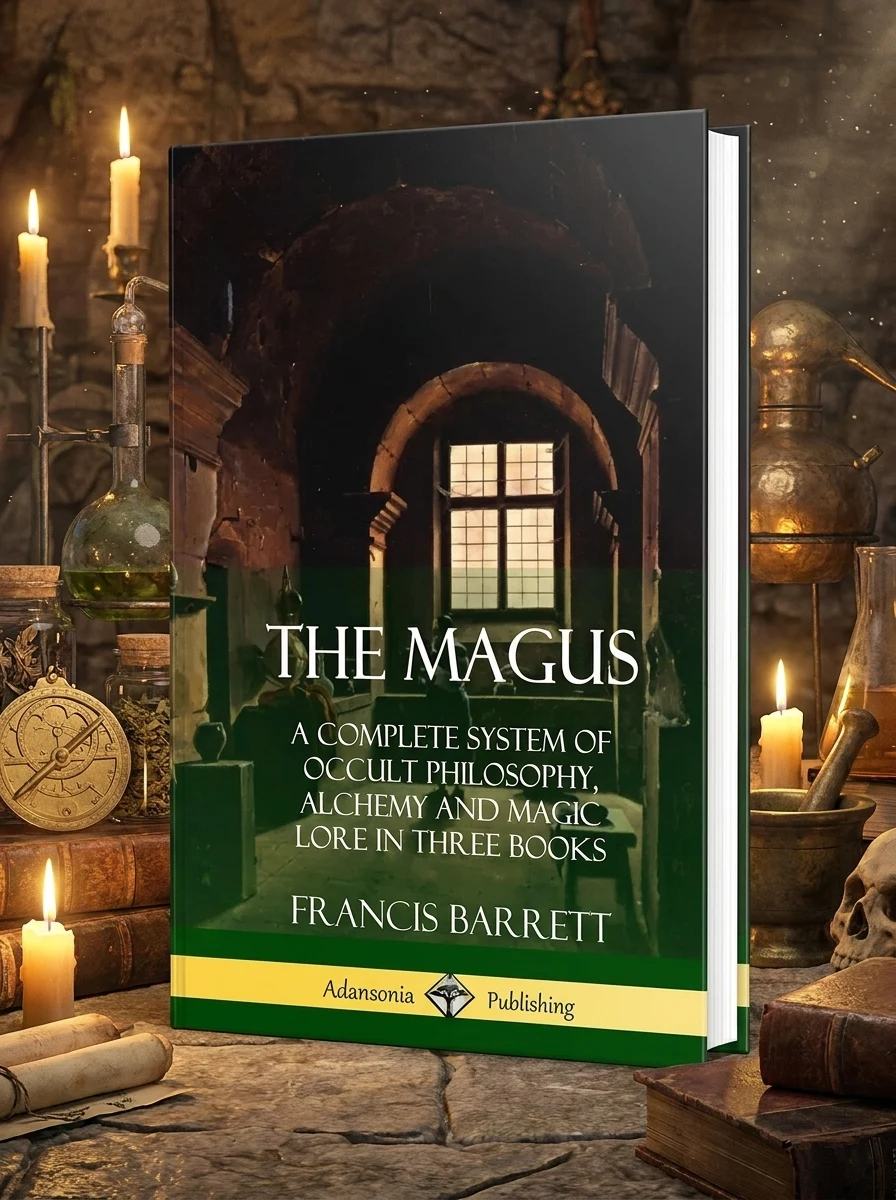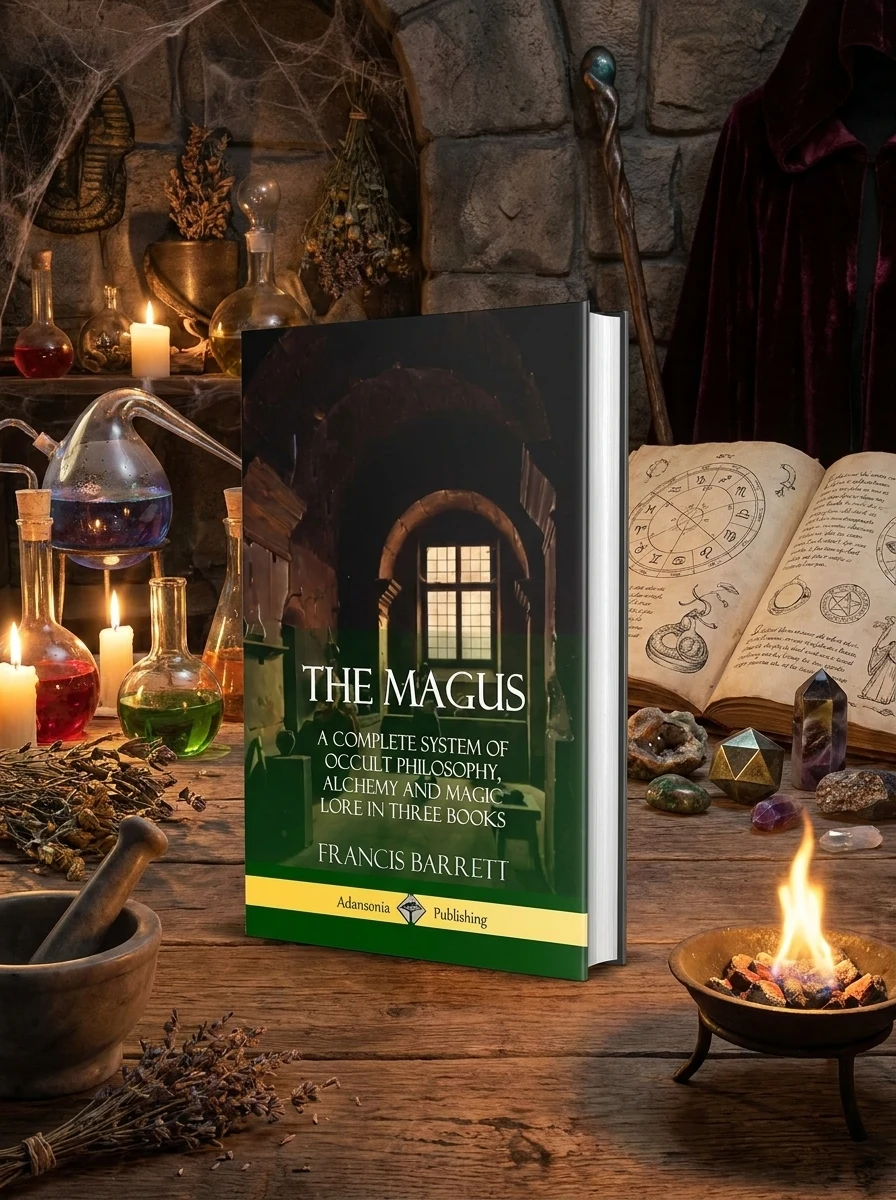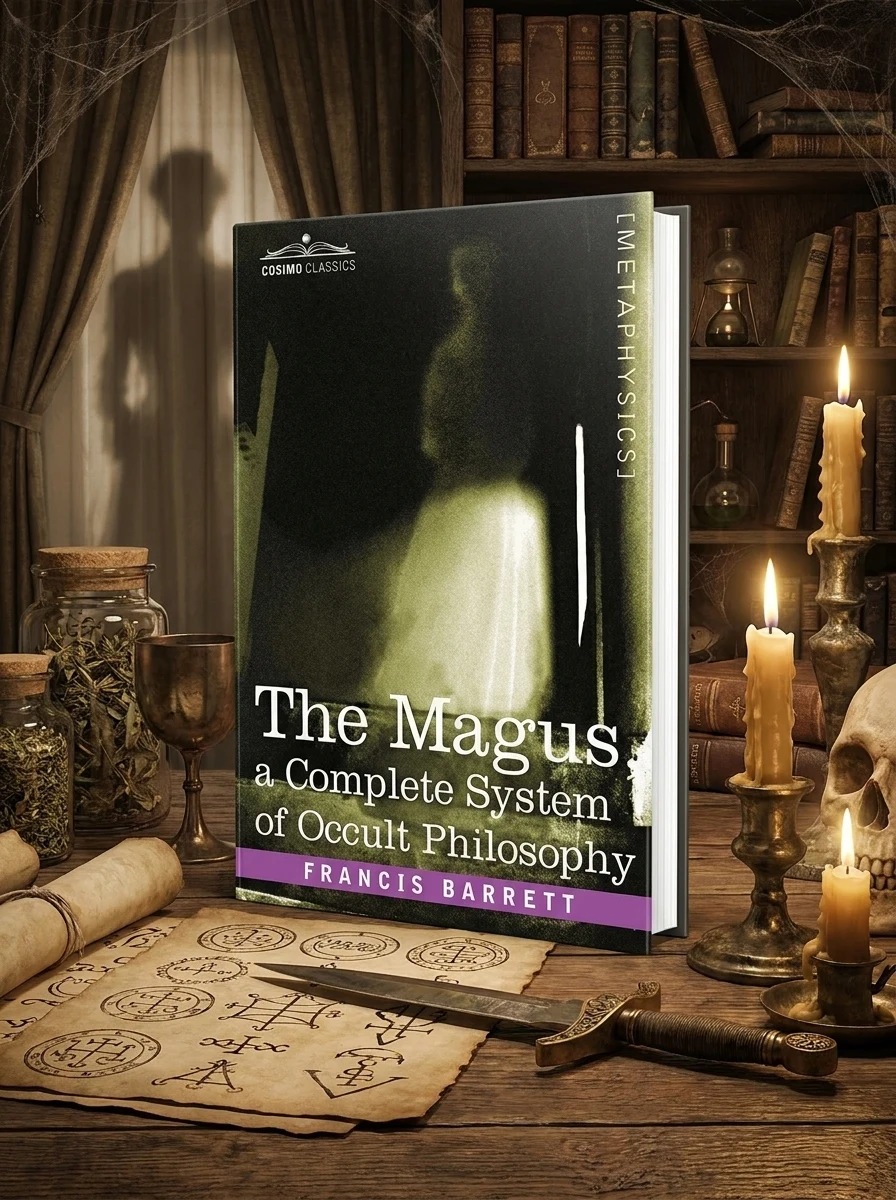
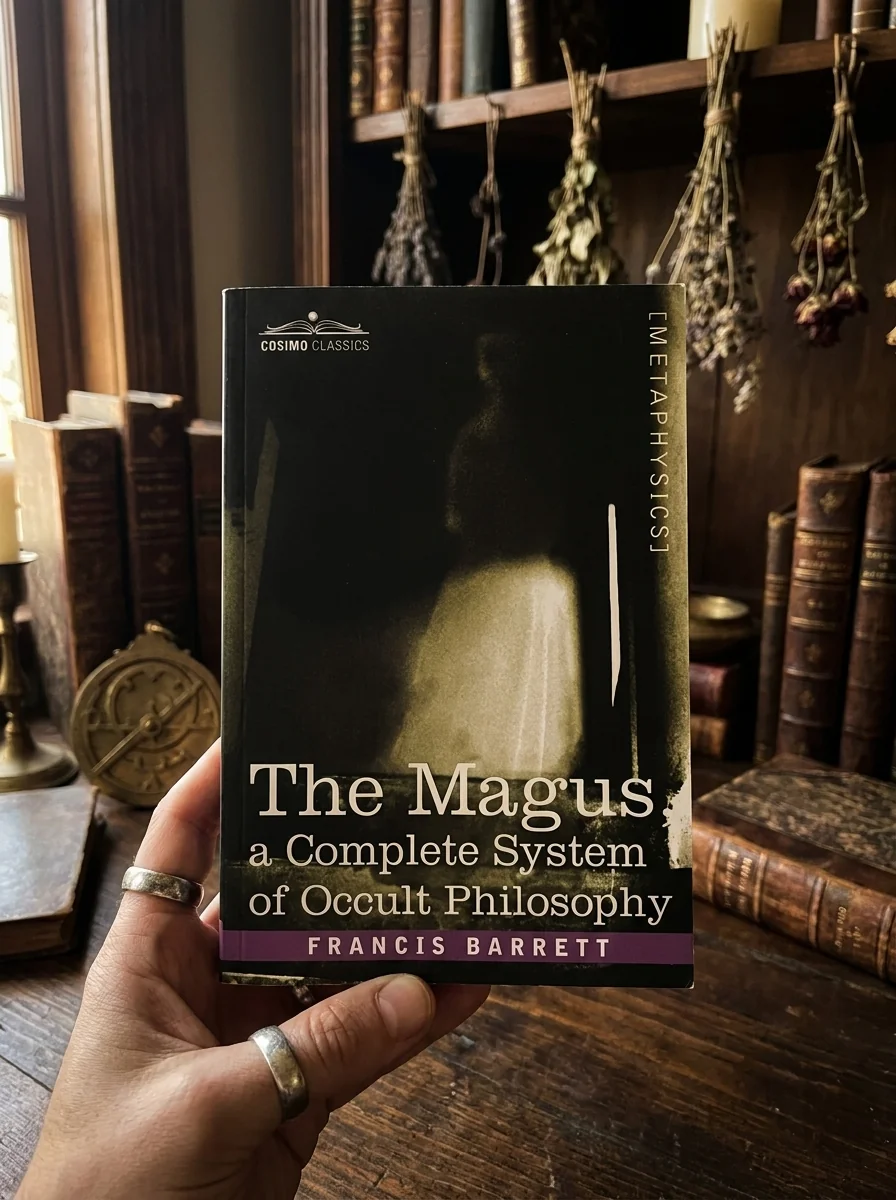
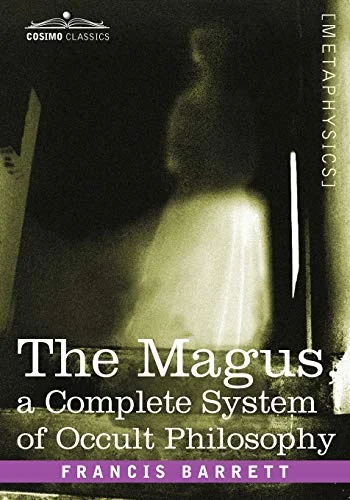
The Magus, a Complete System of Occult Philosophy
✍️ Barrett, FrancisThis monumental 1801 treatise by the enigmatic Francis Barrett offers an unparalleled compendium of esoteric knowledge. Delving deep into the theoretical foundations and practical applications of ritual magic, it meticulously outlines various magical systems, angelic hierarchies, planetary influences, and alchemical principles. Barrett’s work serves as both a historical record and a practical guide, synthesizing diverse occult traditions into a coherent, comprehensive system for the aspiring magus. It’s an essential volume for understanding the roots of Western esotericism.


📝 Description: The Magus, a Complete System of Occult Philosophy
💎 Expert review
📖 Why choose it
Why this book is worth reading
This volume is an essential treasure for the serious student of Western esotericism who seeks to understand the foundational roots of ceremonial magic. It offers unparalleled access to a comprehensive system that meticulously outlines angelic hierarchies, planetary influences, and alchemical principles. Barrett’s treatise provides not just theoretical knowledge but practical application, making it invaluable for those dedicated to unraveling the secrets of ritual work. By synthesizing diverse traditions into a single coherent framework, it empowers the reader with a deep historical context and actionable guidance, ensuring that the aspiring magus can navigate the complex landscape of occult philosophy with confidence and clarity.
⭐ Reader reviews
Reader rating
Francis Barrett’s monumental 1801 treatise is an indispensable compendium for anyone serious about the theoretical foundations of Western magic. It meticulously details ritual systems and esoteric knowledge, serving as a vital bridge between ancient lore and practical application. However, this book does not suit casual readers or those seeking quick, superficial answers to mystical questions. The dense synthesis of alchemical principles and angelic hierarchies demands patience and scholarly dedication. It is strictly for the committed practitioner willing to engage with complex, historical texts that require deep study rather than leisurely browsing.
❓ Frequently asked questions
📖 Who should read this
If you are drawn to the historical practice of ceremonial magic, seek a foundational text on esoteric philosophy, or wish to understand the synthesis of diverse occult traditions, this comprehensive tome is an indispensable addition to your library.
🎯 Key themes and symbolism
Practical Ceremonial Magic
Barrett meticulously details the procedures, tools, and incantations necessary for performing various magical rituals. He provides comprehensive instructions for invoking spirits, consecrating talismans, and understanding the proper timing and conditions for effective magical work, grounding theoretical concepts in tangible practice.
Esoteric Philosophy Foundations
Beyond mere instruction, Barrett explores the philosophical and theological frameworks that justify magical practices. He examines the interconnectedness of the cosmos, the influence of divine names, and the underlying principles of sympathetic magic, offering a deep intellectual justification for the occult arts.
Unifying Occult Knowledge
This work masterfully synthesizes a vast array of historical magical and alchemical texts. Barrett draws from Hermeticism, Kabbalah, Neoplatonism, and classical grimoires, weaving them into a singular, coherent system that reflects the syncretic nature of Western esotericism at the turn of the 19th century.
📜 Historical context
📚 Glossary
- Magus
- Grimoire
- Hermeticism
📔 Questions to reflect on
- How do Barrett's detailed instructions for ritual magic compare to your contemporary understanding or practice of occultism?
- Considering the "mysterious" nature of Barrett and his work, what role does anonymity or pseudonymity play in the transmission of esoteric knowledge?
- Reflect on how "The Magus" synthesizes diverse traditions. What does this tell us about the evolution and interconnectedness of Western esoteric thought?