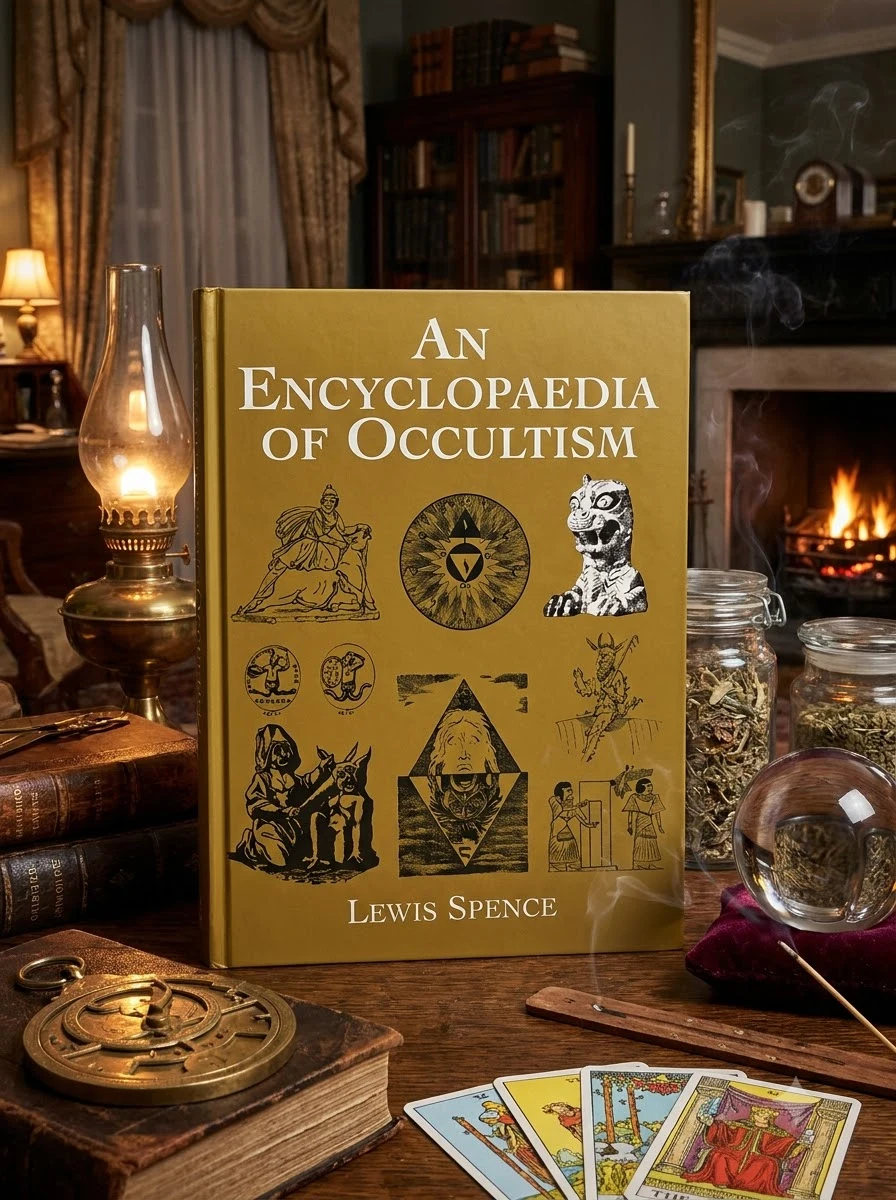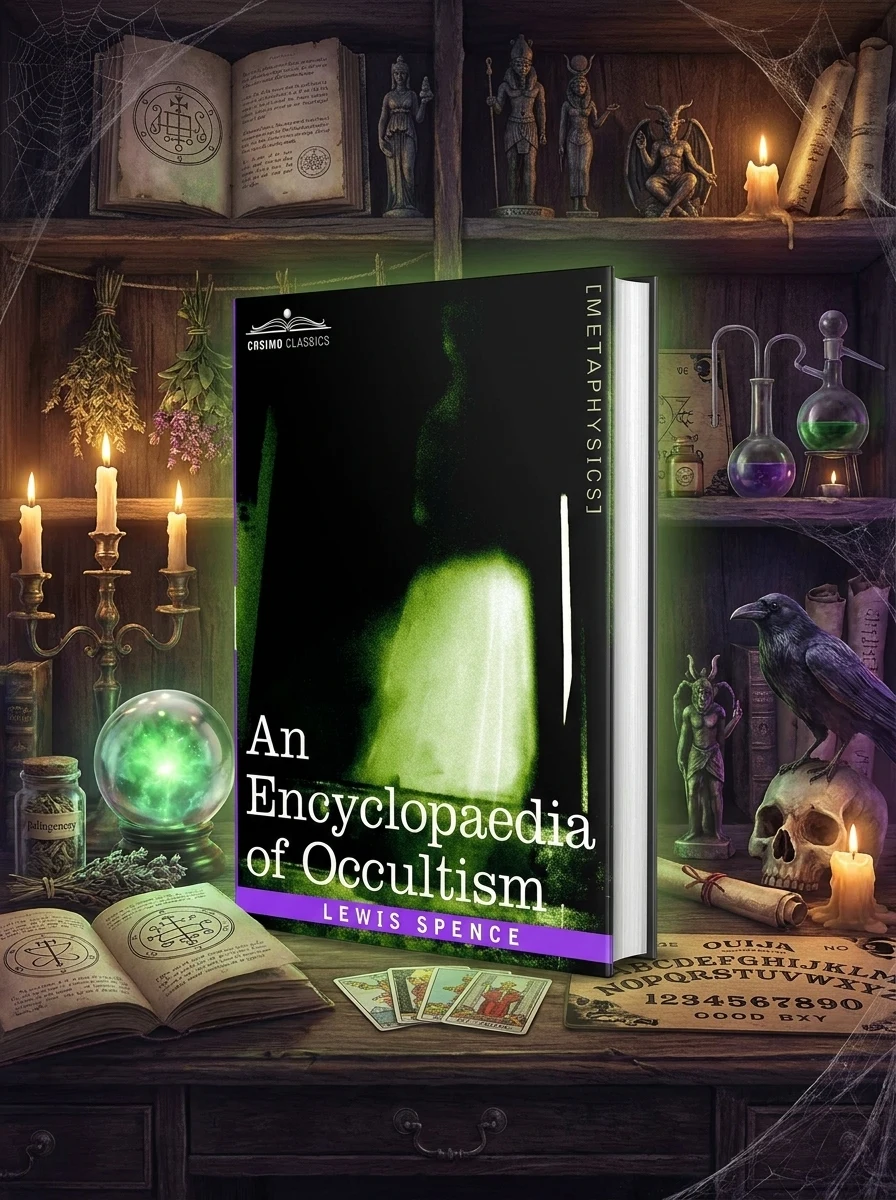
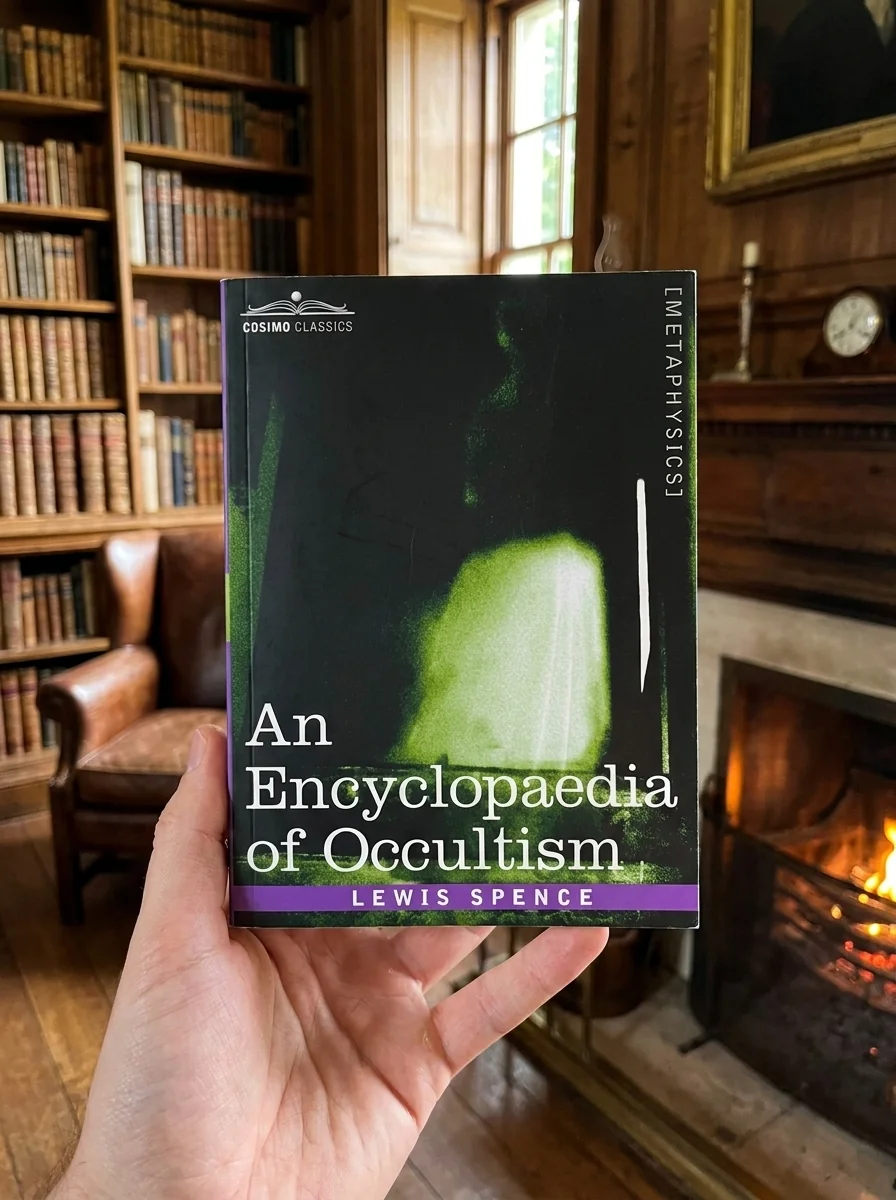
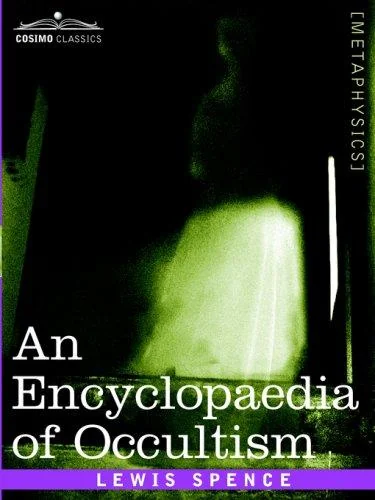
An Encyclopaedia of Occultism
✍️ Spence, LewisA 1920 encyclopedic reference containing 2,500 entries on occultism, demonology, spiritism, and folklore.
This reference volume provides an alphabetical collection of historical concepts, figures, and phenomena across mystical traditions. Lewis Spence documents topics ranging from Freemasonry and Morgan le Fay to specialized subjects in psychic science and ancient calendars. The text functions as a historical record of how folklore, mythology, and magical studies were categorized in the early twentieth century. It offers detailed cross references for researchers examining demonology, spiritism, and the history of scientific thought.
First published in 1920, this reference work reflects early twentieth century anthropological interest in mythology and the occult. Authored by a Fellow of the Royal Anthropological Institute, it organizes global folkloric traditions and mystical concepts into a formal reference volume.


📝 Description: An Encyclopaedia of Occultism
💎 Expert review
📖 Why choose it
Why this book is worth reading
Casual enthusiasts and serious researchers alike will find this volume an invaluable gateway into the vast landscape of arcane traditions. It offers a meticulously compiled reference that delves into everything from ancient magical months to indigenous spiritual practices, making complex histories accessible. By exploring historical figures alongside esoteric concepts, it provides a foundational understanding of psychic phenomena and mystical philosophies without requiring prior deep expertise.
⭐ Reader reviews
Reader rating
While this compendium stands as a monumental guide to the varied landscape of the occult, it is not suited for those seeking practical spell-casting instructions or immediate ritualistic application. Readers looking for contemporary Wiccan liturgy may find its focus on historical figures and ancient rites too academic. However, for anyone interested in the scholarly rigor behind arcane personalities and concepts like palingenesy, it remains an unparalleled resource that blends fascination with meticulous research.
❓ Frequently asked questions
📖 Who should read this
If you're a curious seeker, a dedicated student of esoteric traditions, or captivated by the strange and unexplained, this compendium is for you. An essential acquisition for anyone building a serious library, providing immediate access to a world of hidden knowledge.
🎯 Key themes and symbolism
Comprehensive Occult Survey
Spence's work meticulously categorizes and details an astonishing array of occult subjects. From the intricate practices of ceremonial magick to the nuanced beliefs of spiritism and mysticism, this volume serves as a singular repository of information. It thoughtfully covers psychic science, demonology, and various esoteric philosophies, making it a foundational text for understanding the breadth of hidden traditions.
Historical Figures & Concepts
The encyclopedia illuminates countless personalities and ideas that shaped occult history. Readers will encounter notorious figures like Leonora Galigai, alongside explanations of complex concepts such as palingenesy, exploring the idea of rebirth or resurrection in different contexts. It offers a unique window into the lives and beliefs of those who embraced or were accused of engaging with the arcane.
Cross-Cultural Esotericism
This volume transcends geographical and temporal boundaries, documenting occult practices from diverse cultures. From the ancient Semitic magical calendar "Ab" to the spiritual roles of "Zulu witch-finders," Spence demonstrates the universal human engagement with the unseen. It highlights how mystical and magical traditions manifest across the globe, offering a comparative perspective on esoteric thought.
📜 Historical context
📚 Glossary
- Occultism
- Demonology
- Palingenesy
📔 Questions to reflect on
- How might understanding the historical context of various occult beliefs change your perception of their modern manifestations?
- Choose an obscure entry from the book (e.g., palingenesy) and research its contemporary interpretations or relevance.
- Reflect on the persistent human fascination with the "hidden" or "unseen" as evidenced by the sheer breadth of topics covered in this encyclopedia.