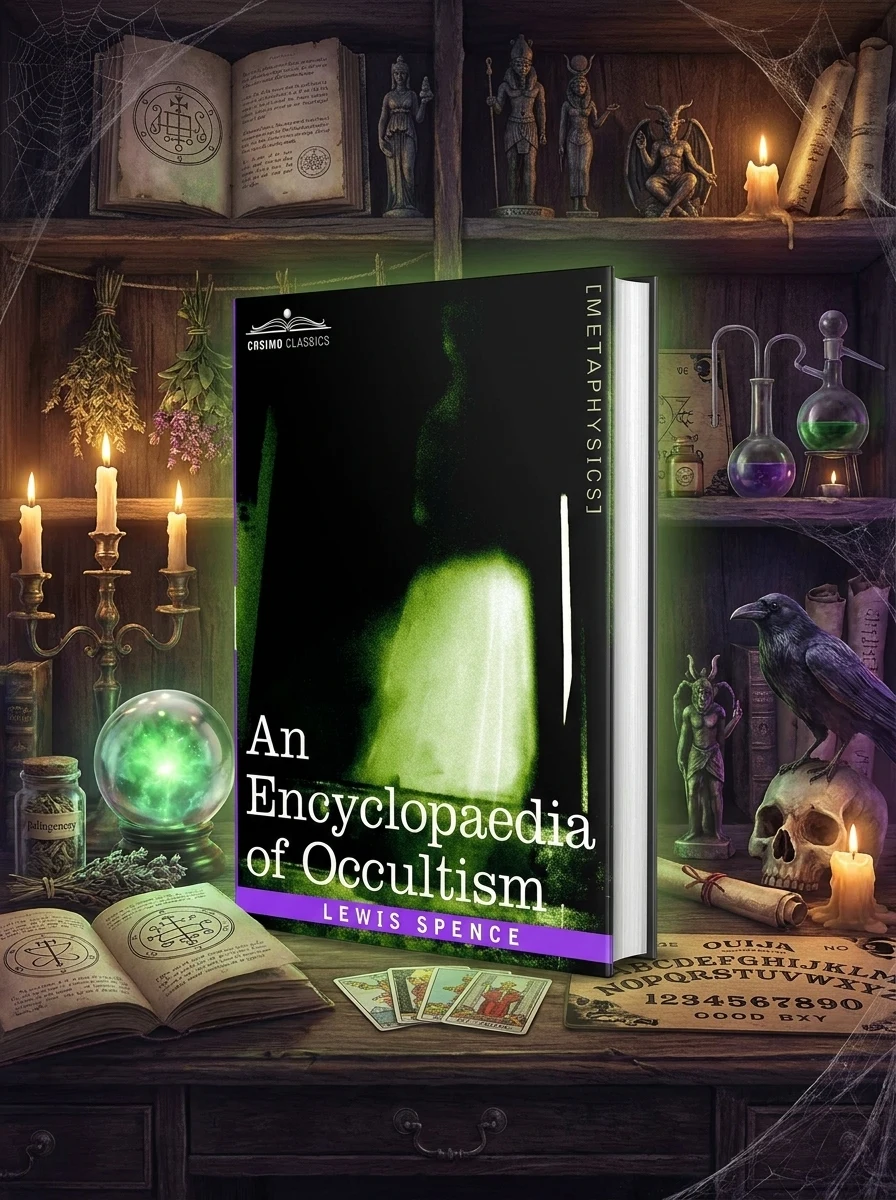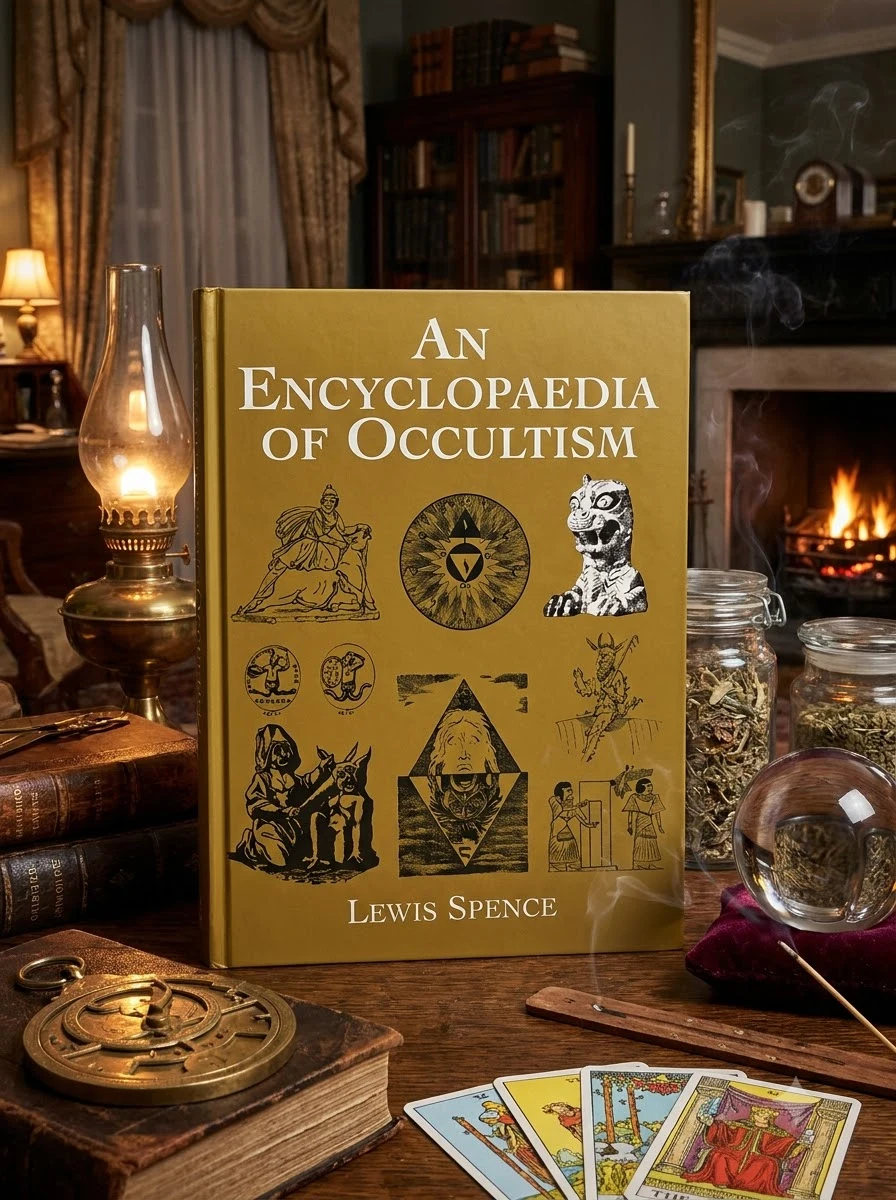
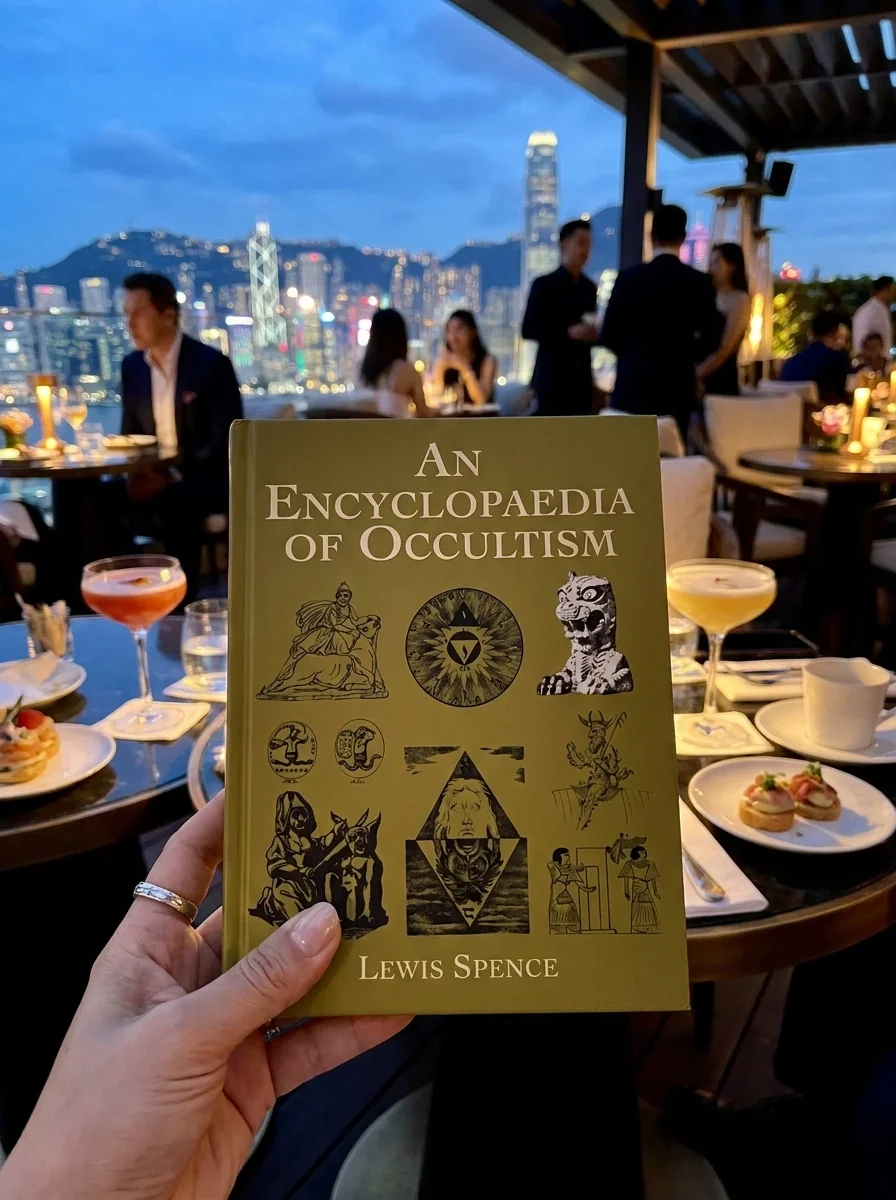
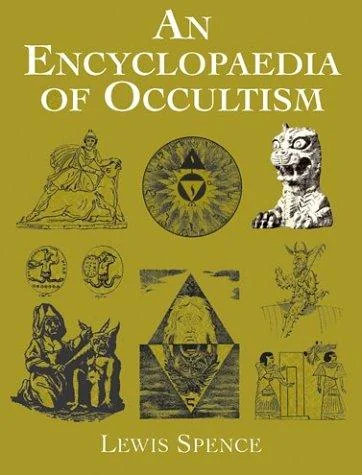
An Encyclopaedia of Occultism Spence, Lewis
✍️ Spence, LewisOriginally published in 1920, Lewis Spence's monumental work stands as a pioneering and unparalleled compendium of esoteric knowledge. This extensive volume offers a meticulously organized exploration of the occult sciences, delving into diverse traditions, figures, and practices from across history. It covers everything from ancient magical arts and psychic phenomena to spiritualist movements and mystical philosophies, providing a foundational resource for both the seasoned practitioner and the nascent seeker. Spence's encyclopaedia remains a a crucial touchstone for understanding the vast landscape of hidden wisdom, offering definitions, historical context, and insights into the often-misunderstood realms of the esoteric.


📝 Description: An Encyclopaedia of Occultism Spence, Lewis
💎 Expert review
📖 Why choose it
Why this book is worth reading
This volume is an indispensable resource for the curious mind seeking to unravel the arcane secrets of the ages through a meticulously cataloged lens. It offers a warm invitation to both seasoned practitioners and nascent seekers who wish to understand the vast landscape of hidden wisdom without getting lost in fragmented sources. By providing definitions, historical context, and insights into misunderstood realms, it bridges the gap between ancient magical arts and modern spiritualist movements. Readers will gain a solid grounding in esoteric knowledge, making it perfect for those who value structured exploration over chaotic discovery. It serves as a trusted companion for anyone ready to delve into diverse traditions and figures across history.
⭐ Reader reviews
Reader rating
Spence’s monumental encyclopaedia remains a crucial touchstone for understanding the broad sweep of occultism, offering unparalleled organization and clarity. However, it is not suited for readers seeking practical spellcasting manuals or contemporary Wiccan rituals, as its focus lies firmly in historical survey and theoretical definition rather than active practice. It may also feel dry to those preferring mystical narrative over academic cataloging. Yet, for the serious student of esoteric history, this 1920 classic provides an authoritative, comprehensive map of the hidden sciences, ensuring no significant tradition is overlooked in its vast and meticulous coverage.
❓ Frequently asked questions
📖 Who should read this
If you are drawn to the hidden currents of history, an aspiring scholar of the arcane, or a curious seeker eager to demystify complex esoteric concepts, this foundational volume is indispensable. It's perfect for anyone seeking a robust, historical grounding in the world of occult knowledge.
🎯 Key themes and symbolism
Comprehensive Occult Reference
This work provides an exhaustive, A-Z guide to countless terms, concepts, and figures within the occult world. It serves as an essential first stop for defining obscure mystical traditions, understanding foundational spiritual philosophies, and navigating the vast terminology of esoteric studies, making complex subjects accessible.
Historical Esoteric Practices
Spence meticulously chronicles the evolution and expression of various magical and mystical traditions throughout history. From ancient Egyptian rituals to Renaissance alchemy and folk magic, the encyclopedia situates these practices within their cultural and temporal contexts, illuminating their enduring influence and transformations over time.
Psychic Phenomena Explored
The compendium dedicates significant attention to the study of psychic science and spiritualism, popular movements during Spence's era. It documents accounts of telepathy, clairvoyance, mediumship, and other paranormal abilities, offering historical perspectives on these phenomena and the individuals who claimed to manifest or study them.
📜 Historical context
📚 Glossary
- Occultism
- Esoteric
- Compendium
📔 Questions to reflect on
- How has the popular understanding of "occultism" changed since 1920, and what might account for these shifts?
- Which historical figure or esoteric tradition mentioned in the encyclopedia sparks your greatest curiosity, and why?
- Reflect on the idea of "hidden knowledge." What are its implications, and how might it influence personal or societal development?