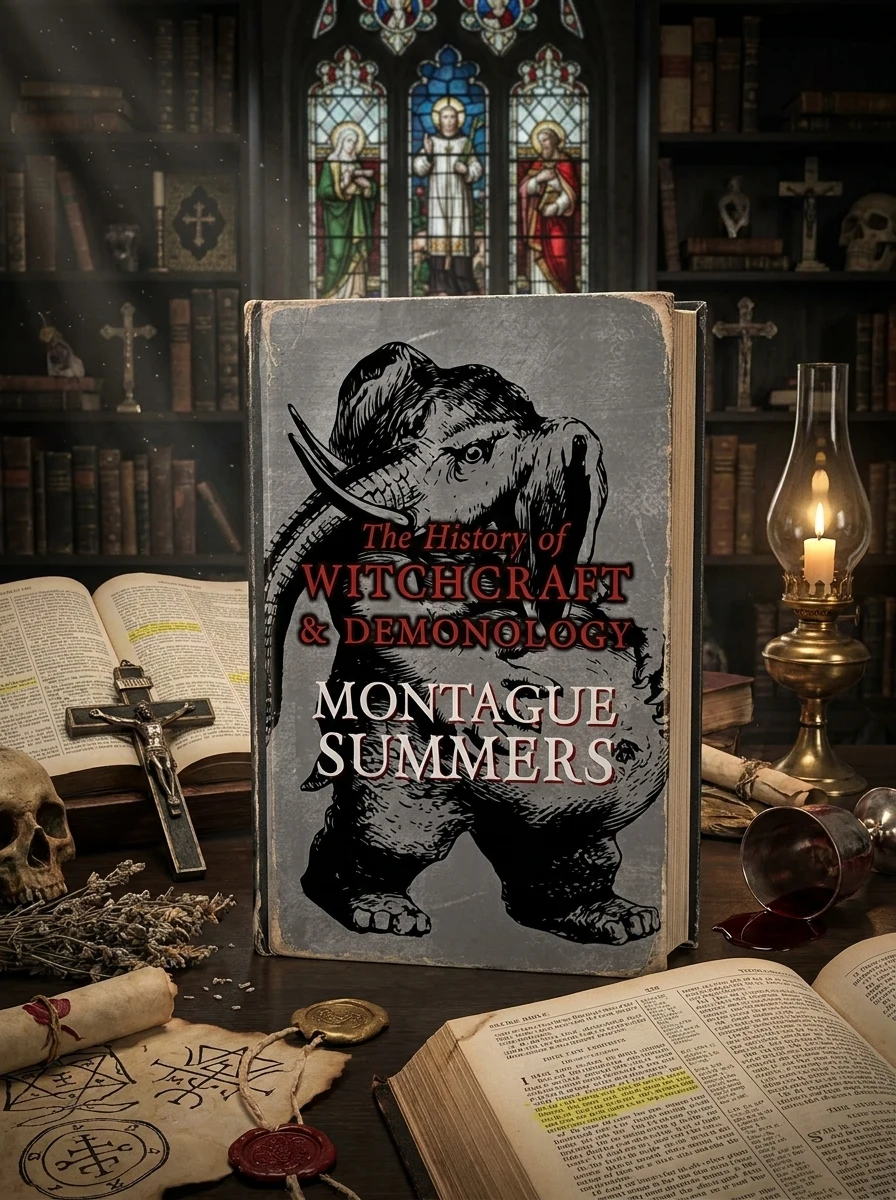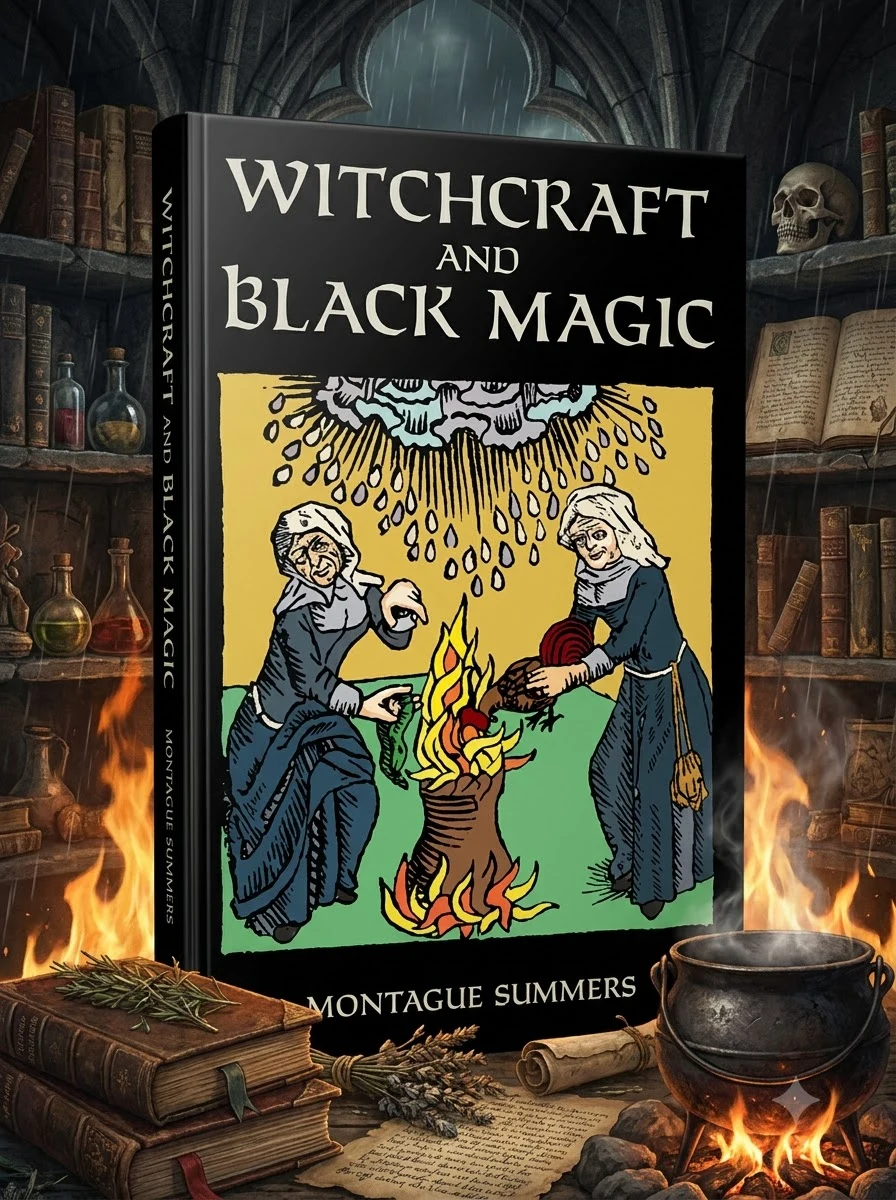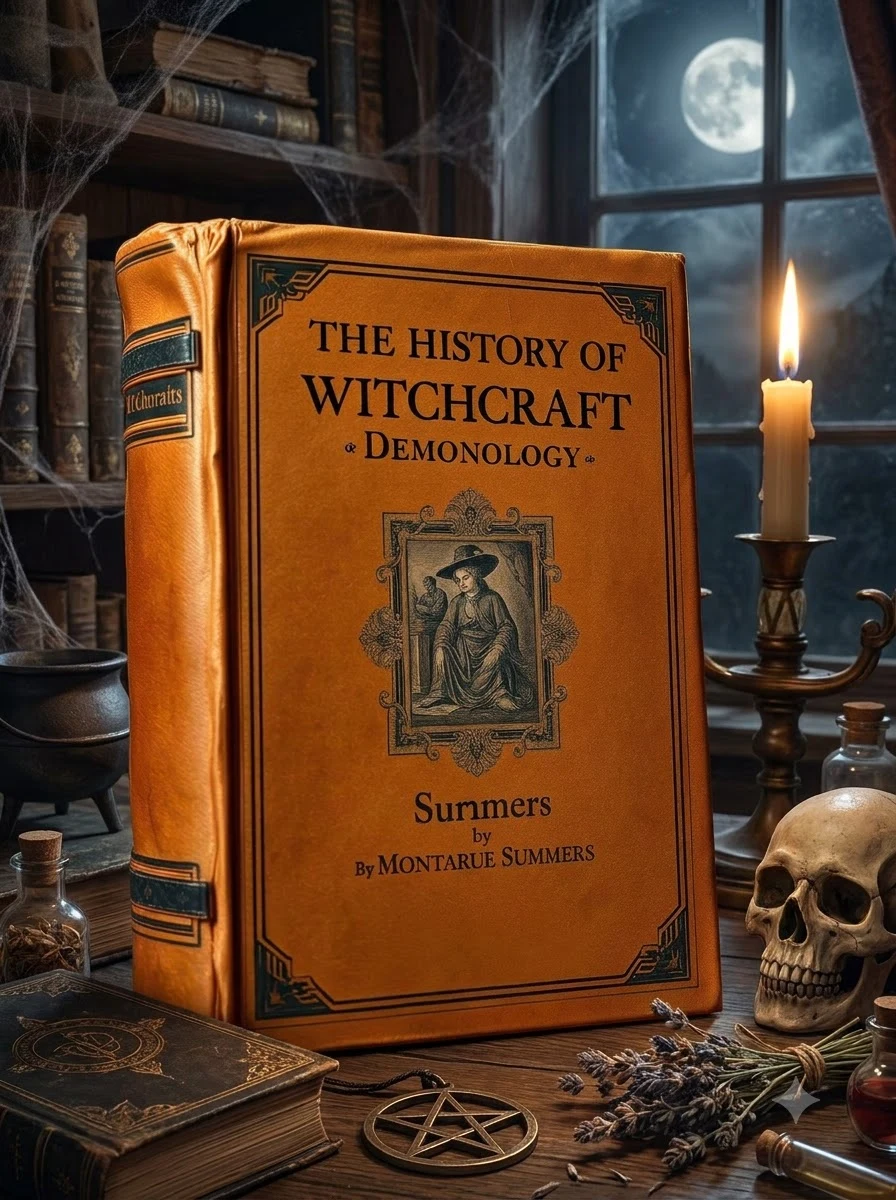
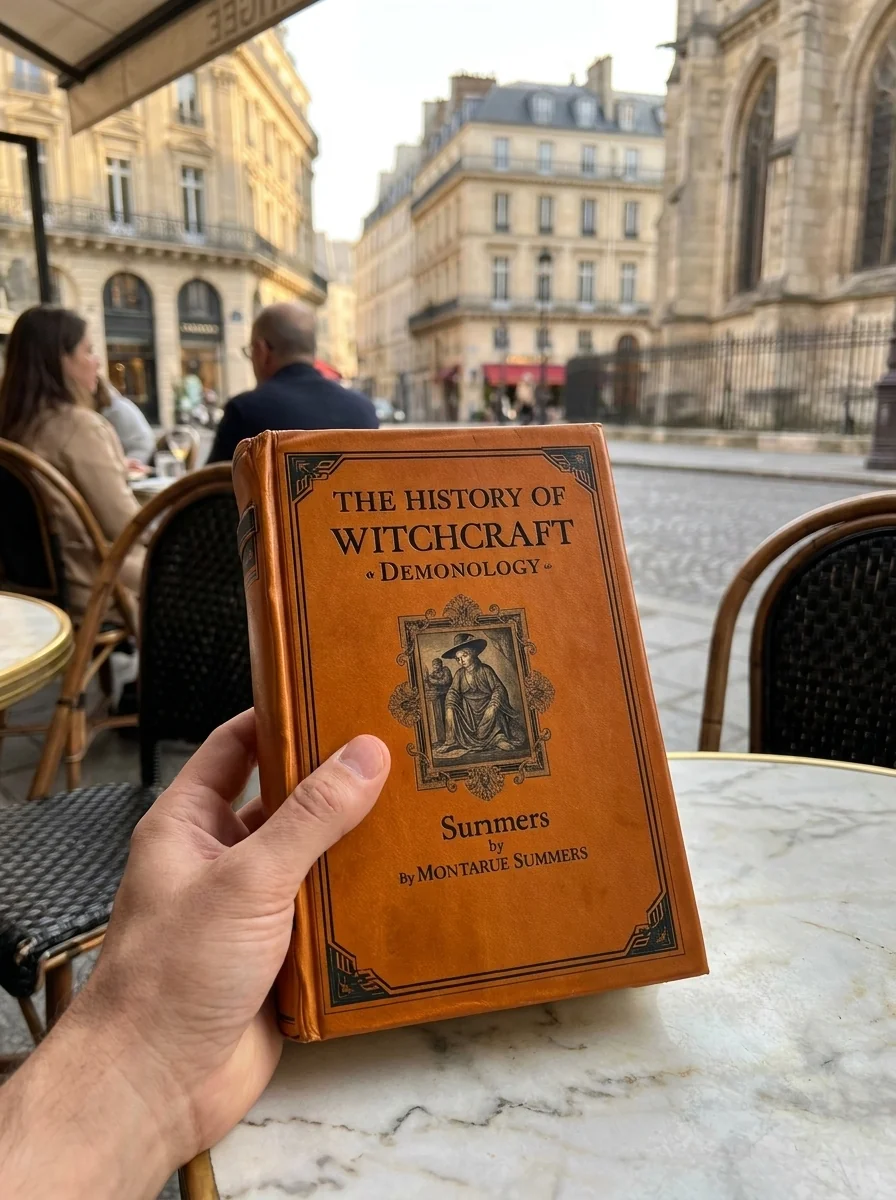
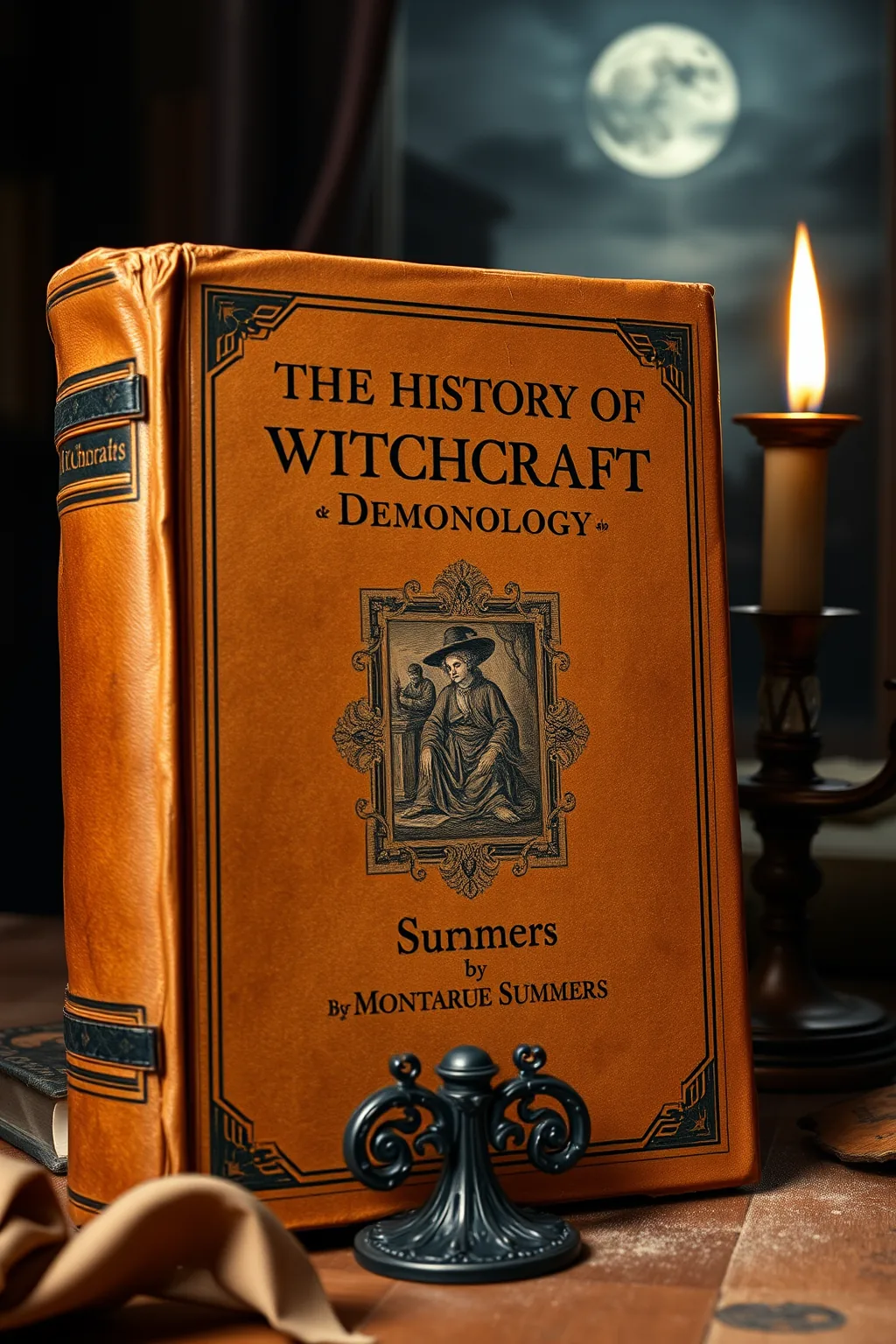
The History of Witchcraft and Demonology Summers, Montague
✍️ Summers, MontagueA classic history tracing sorcery, Satanism, and demonology from ancient times to the twentieth century.
Focusing on the historical overlap between heresy and black magic, this text examines the cultural reaction to witchcraft through church and state records. The author draws on late medieval and early Renaissance folklore to detail traditional beliefs about familiar spirits, sabbats, and spiritism. His inclusion of trial accounts and literary representations provides a clear view of how medieval societies perceived diabolic threats.
Reflecting late medieval and early Renaissance theological opinions, this text outlines how state and church institutions interpreted black arts and heretical movements across history.


📝 Description: The History of Witchcraft and Demonology Summers, Montague
💎 Expert review
📖 Why choose it
Why this book is worth reading
Readers with a deep academic or personal interest in the historical roots of Western esotericism will find immense value in this comprehensive survey. It offers a vivid window into humanity's enduring fascination and fear of the occult, detailing the sinister world of black magic and diabolical pacts. Those seeking to understand the intricate connections between heresy, folklore, and theological beliefs prevalent during the late medieval and Renaissance periods will appreciate the dramatic accounts of notorious witch trials. This book is essential for anyone wishing to unearth the dark history of sorcery and Satanism across the ages, providing a compelling narrative that traces origins from antiquity through the modern era without relying on mere speculation.
⭐ Reader reviews
Reader rating
Montague Summers' enduring work provides a rigorous, albeit intense, examination of demonology and witchcraft. While it excels in tracing the cultural evolution of the witch figure and exploring theological beliefs, this volume may not suit readers seeking contemporary Wiccan practice or apologetic defenses of persecuted individuals. The text focuses heavily on historical accounts of black magic and devil's pacts rather than modern pagan spirituality. It is best suited for historians and serious occultists interested in the late medieval period. Those expecting light reading or supportive narratives for modern witchcraft may find the tone and subject matter too dry or hostile, as it prioritizes historical documentation over personal validation.
❓ Frequently asked questions
📖 Who should read this
If you're drawn to the historical underpinnings of occult practices, the dramatic tales of witch trials, or the theological development of demonology, this classic offers an essential, if opinionated, perspective. Both the casual inquirer and dedicated enthusiast will find much to ponder within its pages.
🎯 Key themes and symbolism
Historical Arc of Witchcraft
This book meticulously charts the development of witchcraft beliefs, from ancient practices to their reinterpretation in the context of medieval Christian theology and later societal anxieties. It reveals how the perception of the witch transformed over centuries, often intertwined with evolving definitions of heresy and social control, culminating in the dramatic trials of the early modern period.
Demonic Entities and Pacts
Summers dedicates significant attention to the infernal realm, detailing the nature of demons, their roles as familiars, and the chilling narratives of individuals supposedly entering into dark covenants. The text explores how these beliefs fueled the terrifying accusations and confessions during periods of intense witch-hunting, showcasing the profound impact of diabolism on historical consciousness.
Cultural Interpretations of Magic
Beyond mere history, the work delves into the cultural and dramatic representations of the witch. It examines how popular folklore, theological doctrines, and even literature shaped public understanding of magic, the Sabbat, and spiritism. This provides insight into the societal mechanisms that both created and perpetuated the image of the witch in the collective imagination.
📜 Historical context
📚 Glossary
- Necromancy
- Sabbat
- Familiars
📔 Questions to reflect on
- How did the concept of 'heresy' evolve to encompass witchcraft, and what does this tell us about power structures of the past?
- Reflect on how popular folklore and dramatic literature might have both reflected and shaped societal fears of the occult. Can you identify similar dynamics today?
- Considering the detailed accounts of demonic possession, how might modern psychology or cultural studies interpret such phenomena differently than historical observers?