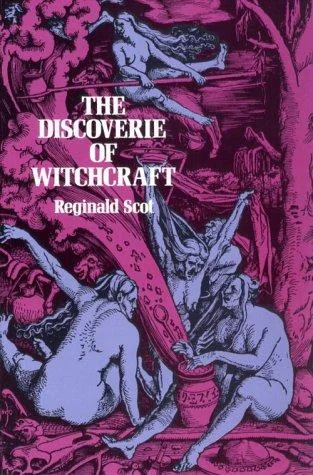
The Discoverie of Witchcraft (Revised) Scot, Reginald
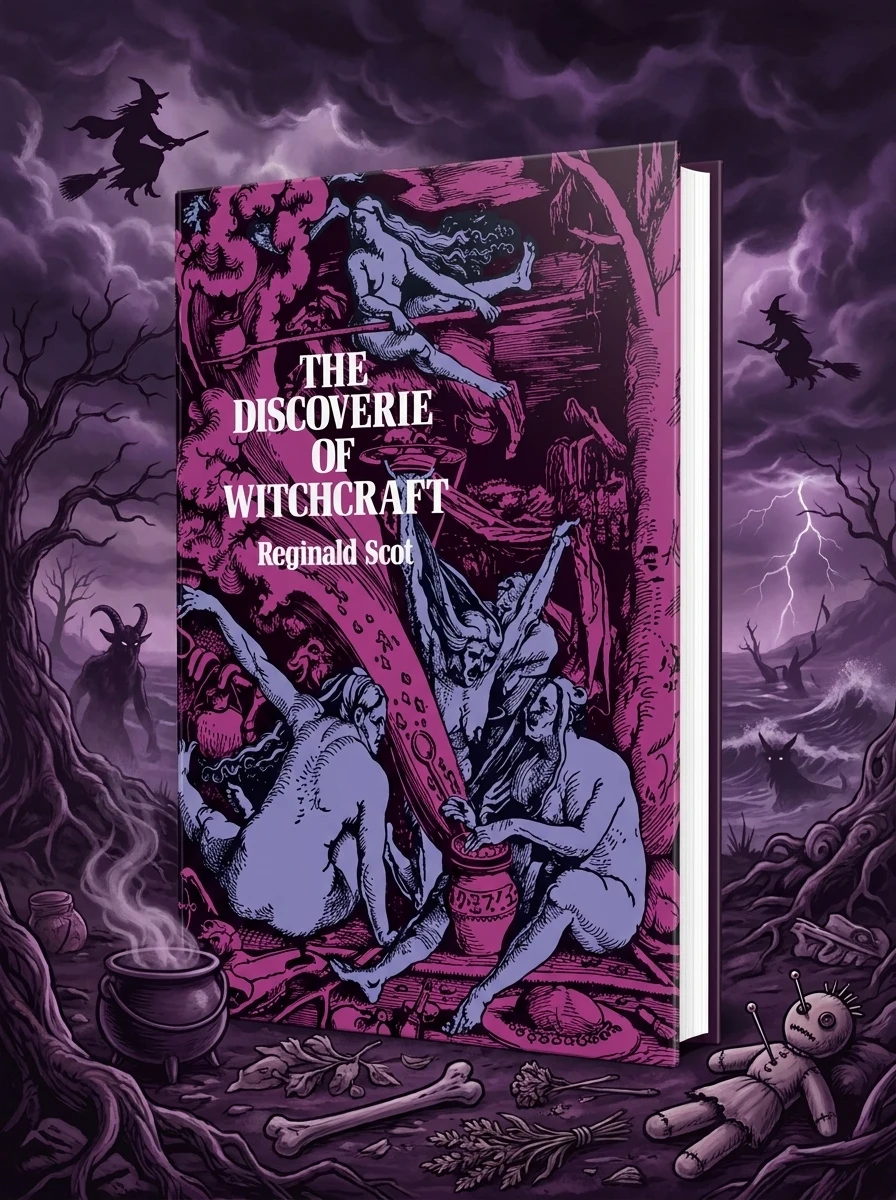
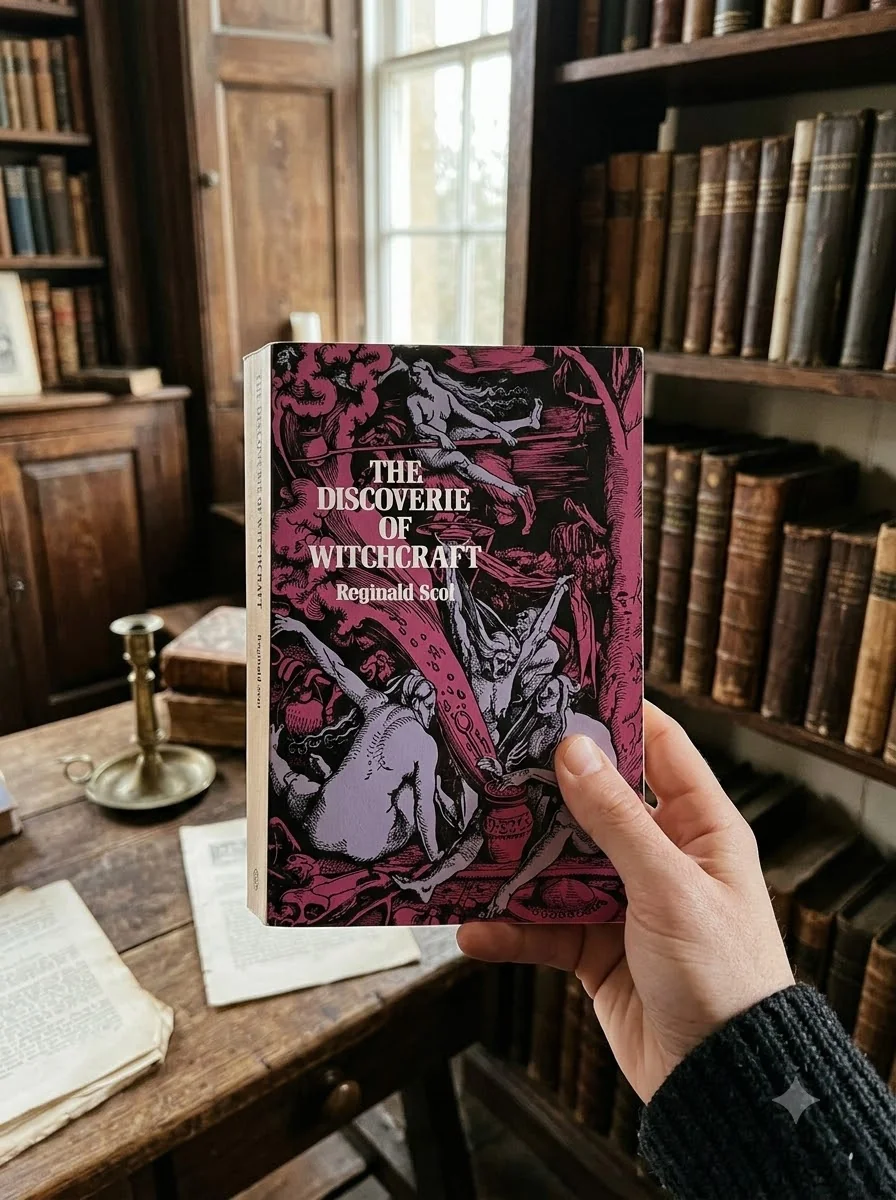
✍️ Scot, ReginaldThis sixteenth-century volume dismantles the legal and theological arguments used to persecute alleged witches. Reginald Scot analyzes horrific accusations crafted by Inquisition writers, contrasting them with medical opinions and first-hand testimonies from the accused. Beyond exposing inquisitorial corruption, Scot breaks down secular crafts including alchemy, astrology, conjuring, and sleight of hand. He demonstrates that real-world magic stemmed from human deception rather than demonic intervention. Though King James ordered the original copies destroyed by fire, the text endured for centuries as an essential repository of historical trial data and magical lore.


📝 Description: The Discoverie of Witchcraft (Revised) Scot, Reginald
💎 Expert review
📖 Why choose it
Why this book is worth reading
Readers fascinated by the intersection of law, religion, and social psychology will find profound value in this courageous intellectual rebellion. Reginald Scot offers more than just a historical record; he provides a masterclass in critical thinking and logical deconstruction amidst intense societal pressure. Those interested in the sociology of fear, the mechanics of mass hysteria, or the evolution of legal defenses for the accused will appreciate his meticulous documentation of contemporary charges. It serves as an essential primary resource for understanding how rational skepticism survived in an era dominated by supernatural belief, making it indispensable for scholars and curious minds alike who wish to understand the roots of modern secular thought.
⭐ Reader reviews
Reader rating
While historically significant, this work demands patience from its audience. Readers seeking straightforward narratives or sympathetic portrayals of witchcraft practices will likely find Scot’s approach dry and overly academic, as he is primarily refuting accusations rather than celebrating them. The text is dense with legalistic arguments and exhaustive listings of absurd claims, which may alienate those expecting a more accessible or mystical tone. It is not a book for casual readers or those looking for entertainment; it is a rigorous, logical dismantling of superstition that requires sustained intellectual engagement to appreciate its structural brilliance and historical weight.
❓ Frequently asked questions
📖 Who should read this
If you're fascinated by the history of skepticism, the social anxieties of the Early Modern period, or the evolution of witchcraft beliefs, this book offers a unique and essential perspective. It's for those who seek to understand the origins of persecution through a rational, albeit historical, lens.
🎯 Key themes and symbolism
Debunking Witchcraft Claims
Scot's primary objective was to expose the irrationality behind witchcraft accusations. He painstakingly lists the fantastical charges—such as flying, causing tempests, or incest with spirits—and then applies a rational lens, suggesting natural explanations or outright impossibility, thereby challenging the very foundation of witch hunts and popular belief.
Historical Accusations Documented
This volume serves as an unparalleled catalog of the bizarre and often horrific allegations made against suspected witches in the 16th century. Scot compiles these stories and charges from various contemporary writers and trials, providing a raw, unfiltered glimpse into the specific fears and superstitions that fueled the era's persecution, even as he argues against their validity.
Early Skeptical Thought
Scot represents a crucial early voice of skepticism against widespread supernatural fears. At a time when challenging such beliefs was dangerous, his work advocates for reason and empirical observation over unquestioning faith in the occult. It foreshadows later Enlightenment thinking by daring to question dogma and demand proof in matters of alleged supernatural intervention.
📜 Historical context
📚 Glossary
- Incubus
- Venerie
- Bewitch
📔 Questions to reflect on
- How might Scot's arguments resonate or differ from modern skeptical approaches to paranormal claims?
- Considering the intense persecution of the era, what personal risks do you think Scot undertook by publishing this work?
- If you were a common person in 1584 reading this book, how might it have shifted your perception of witches and magic?