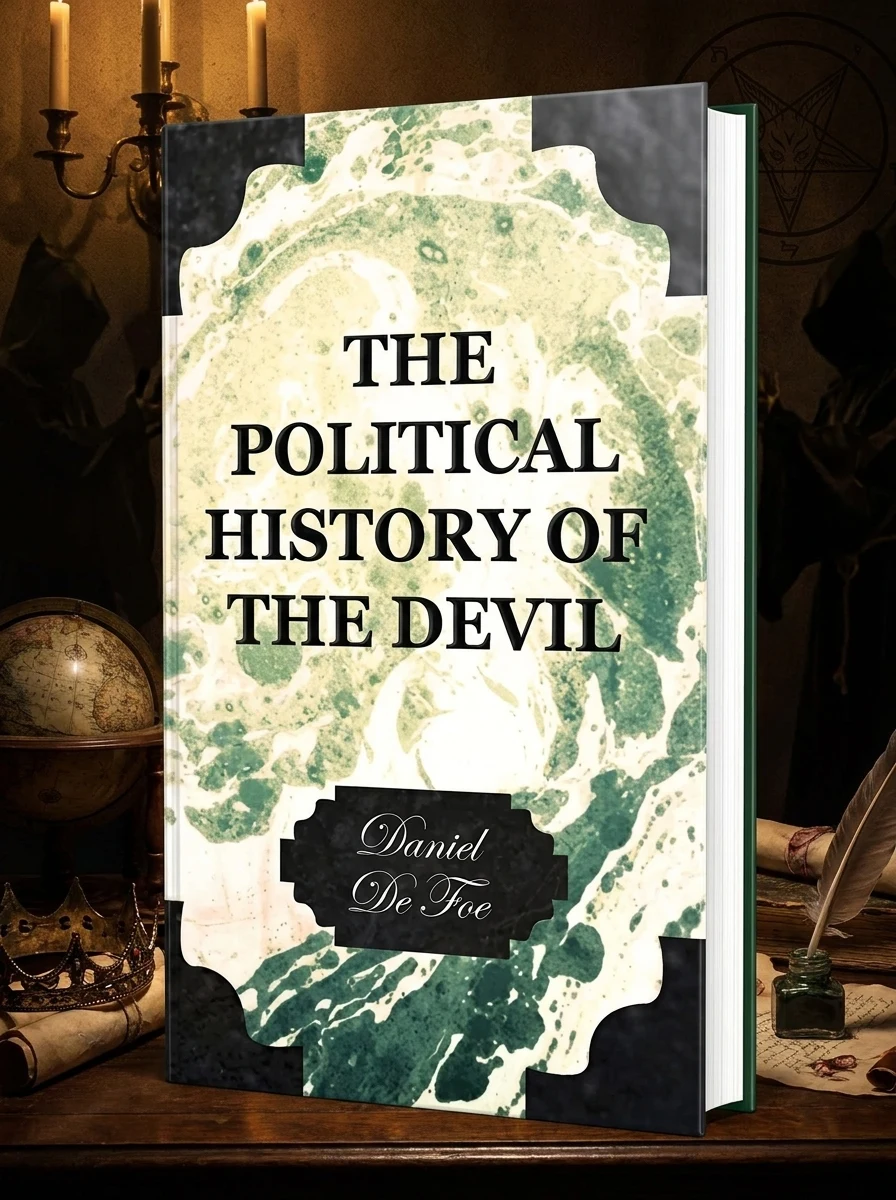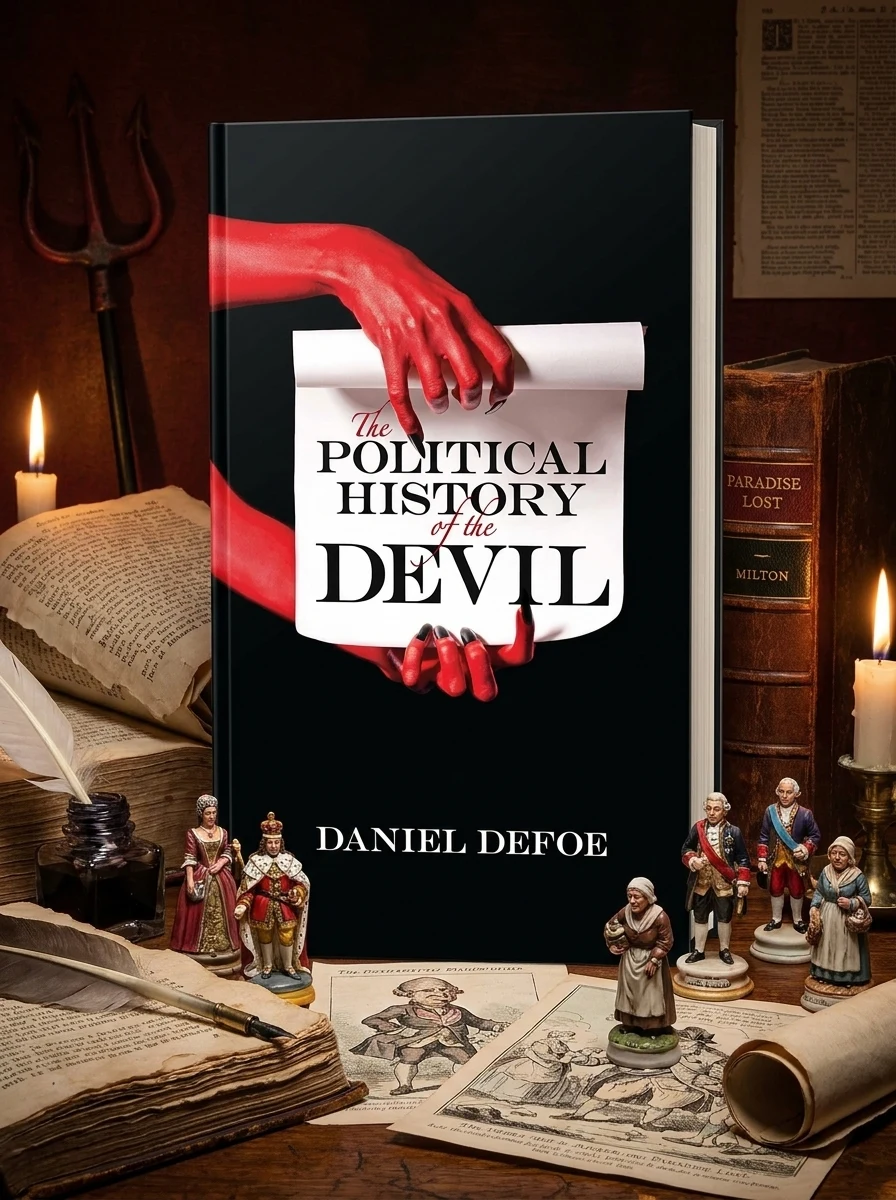
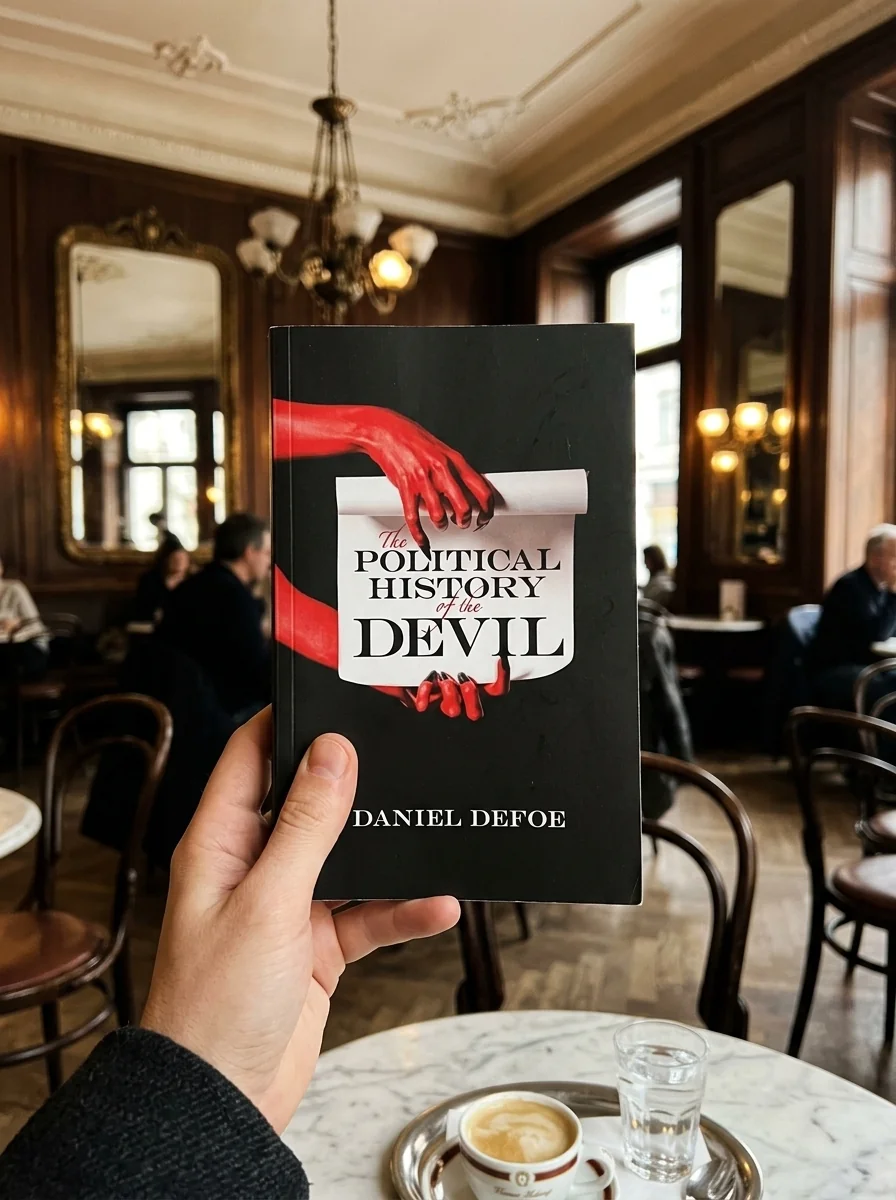
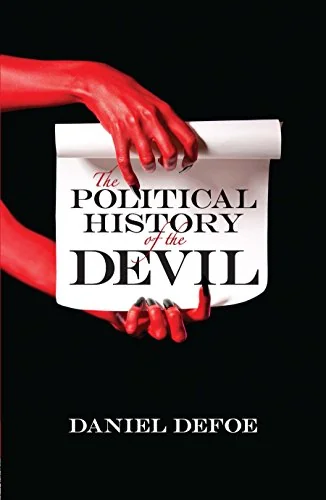
The Political History of the Devil
✍️ Defoe, DanielDaniel Defoe, the renowned author of *Robinson Crusoe*, offers an incisive and often humorous 1726 examination of the Devil's role throughout history. With characteristic wit, Defoe traces Satan's origins, meticulously detailing his presence in biblical narratives and his escalating influence on humanity. The work then shifts to an eighteenth-century lens, scrutinizing how infernal forces, according to Defoe, subtly shaped the actions of rulers, commoners, and even the fashionable elite. It's a perceptive, ironic look at societal anxieties and the enduring power of malevolence, framed by a unique historical perspective.


📝 Description: The Political History of the Devil
💎 Expert review
📖 Why choose it
Why this book is worth reading
Readers fascinated by the intersection of theology, history, and political satire will find this text particularly rewarding. Defoe’s incisive wit offers a fresh perspective on familiar biblical narratives, revealing how he perceived the subtle influence of infernal forces on societal structures. This book is ideal for those who appreciate ironic commentary on human nature and the enduring power of malevolence in shaping history. It provides a captivating look at eighteenth-century anxieties through a unique historical lens, making it essential for scholars of Defoe’s lesser-known works or anyone interested in how evil has been conceptualized across different eras. The humorous yet perceptive tone makes complex theological concepts accessible and engaging.
⭐ Reader reviews
Reader rating
This title is a fascinating but niche entry for the occult enthusiast. While Defoe’s satire is sharp and his historical tracing meticulous, it may not suit readers seeking straightforward horror or modern occult practices. Those looking for dense academic theory might find the eighteenth-century prose challenging. However, fans of ironic commentary on authority and societal norms will appreciate its clever dissection of political power through a demonic lens. It lacks the atmospheric dread of later gothic works but compensates with intellectual rigor and humor. Best suited for those who enjoy Defoe’s broader corpus or are interested in the evolution of demonological thought rather than practical magic.
❓ Frequently asked questions
📖 Who should read this
If you relish biting satire, historical commentary, or unique perspectives on the concept of evil, this book is for you. It's perfect for those interested in 18th-century thought, the intersection of religion and politics, or simply a master storyteller's unconventional take on a timeless subject.
🎯 Key themes and symbolism
The Devil's Biography
Defoe meticulously chronicles the arch-fiend's journey from his biblical inception to his pervasive presence in human affairs. He doesn't just narrate; he analyzes the Devil's strategic decisions, showcasing how this ancient adversary has continually adapted his methods to suit the changing tides of history and human belief, always seeking new avenues for influence.
Satire and Social Critique
Beneath its ostensible subject, the book serves as a sharp, ironic commentary on 18th-century British society and politics. Defoe cleverly employs the Devil as a metaphor to expose the follies, hypocrisies, and corruptions of his era, from the machinations of monarchs to the petty vanities of the gentry, making his critique both entertaining and poignant.
Belief in a Changing World
Written as the Age of Reason dawned, Defoe explores how the Devil, according to his thesis, shifted tactics as supernatural fears waned. He argues that the infernal influence moved from overt acts of witchcraft to more insidious, everyday temptations affecting 'beaus, beauties, wits, and fools,' reflecting a tension between traditional faith and emerging rationalism.
📜 Historical context
📚 Glossary
- Enlightenment
- Satire
- Irreverent
📔 Questions to reflect on
- Considering Defoe's perspective, how might the 'devil' manifest in contemporary political or social discourse today?
- Reflect on how popular culture's depiction of evil has evolved since the 18th century. What does this tell us about societal fears?
- If Defoe were alive today, what modern 'beaus, beauties, wits, and fools' might he identify as unwitting agents of diabolical influence?