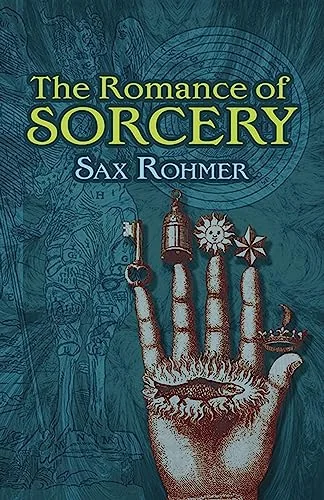
The Romance of Sorcery
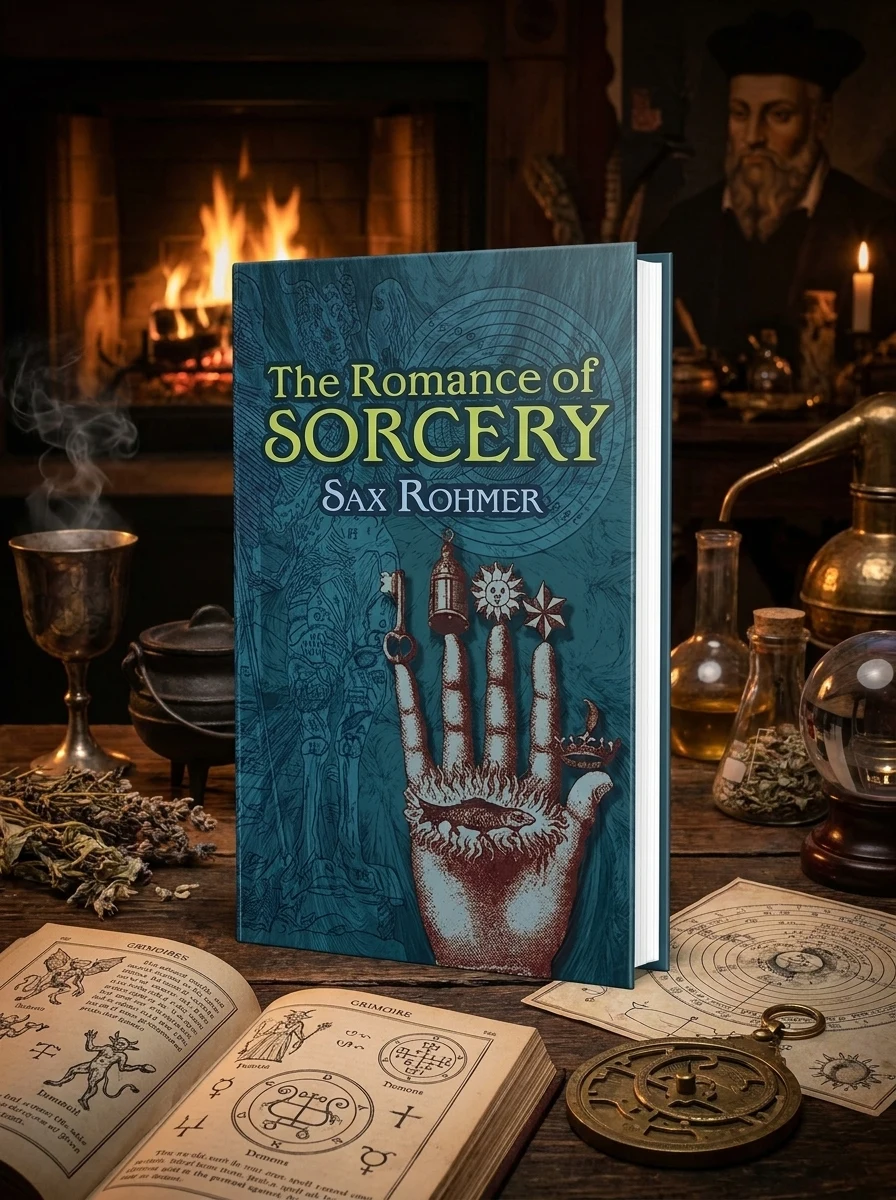
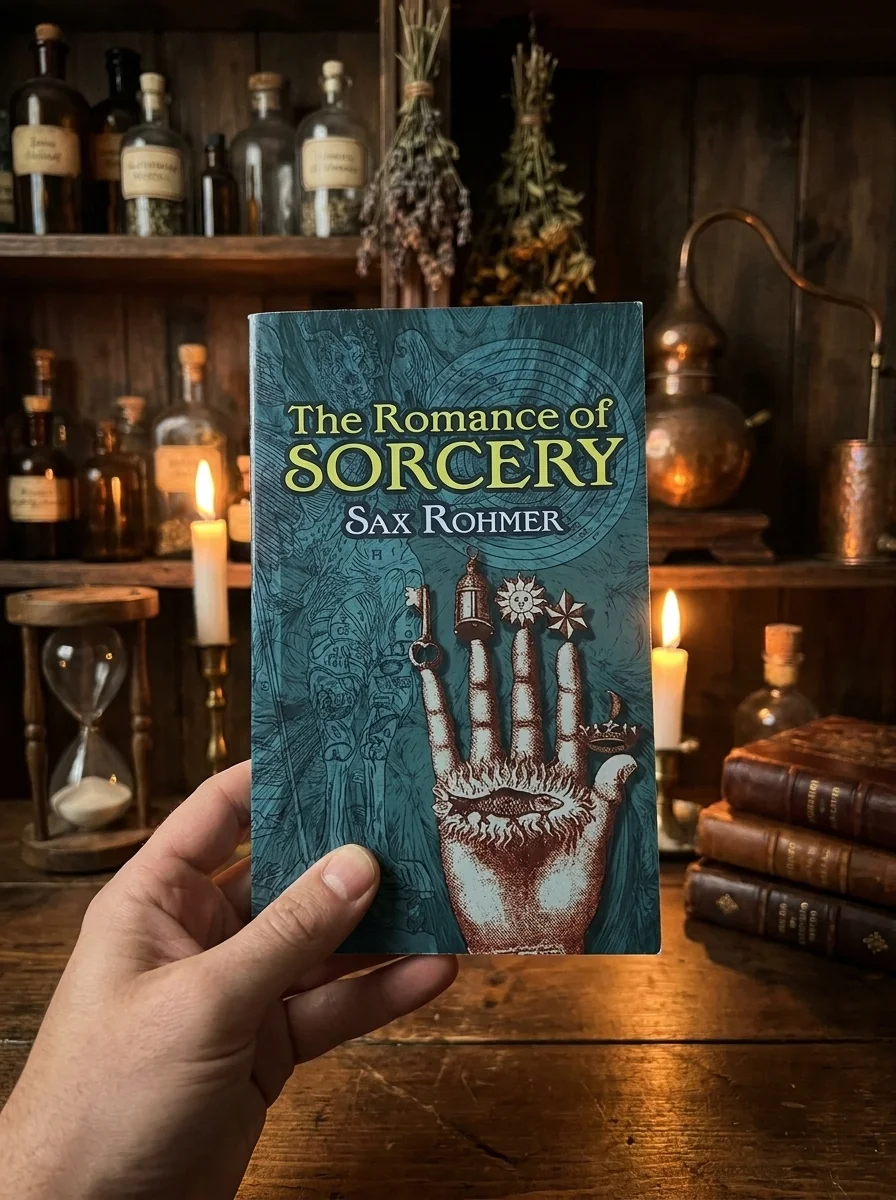
✍️ Rohmer, SaxEmbark on a captivating historical journey through the arcane, guided by the acclaimed storyteller Sax Rohmer. This volume explores the enduring practices of sorcery, from ancient witchcraft and demonology to the intricate rituals of Satanism. Rohmer meticulously examines the evolution of magical traditions, including astrology and alchemy, across various eras. Beyond practices, it illuminates the lives of enigmatic figures like Nostradamus, Dr. John Dee, the infamous Cagliostro, and Madame Blavatsky, offering a panoramic view of magic's profound influence on human civilization through time.


📝 Description: The Romance of Sorcery
💎 Expert review
📖 Why choose it
Why this book is worth reading
Readers fascinated by the intersection of history and the occult will find this book an engaging gateway into the world of mysticism. Sax Rohmer’s ability to weave historical figures like Nostradamus and Dr. John Dee into a compelling narrative makes complex arcane traditions accessible and entertaining. Those interested in the cultural impact of alchemy, astrology, and demonology will appreciate the panoramic view offered here. It is ideal for casual scholars who want to understand the evolution of magical practices without wading through dense academic texts. The book serves as a perfect primer for anyone curious about the enigmatic lives of sorcerers and their influence on civilization.
⭐ Reader reviews
Reader rating
Rohmer delivers a captivating tour through the arcane, successfully blending historical fact with narrative charm. However, this volume is not suited for rigorous academic researchers or practitioners seeking detailed ritual instructions. It lacks the scholarly depth required for serious demonological study and does not provide practical magical guidance. Readers looking for dry, purely analytical history may find the storytelling approach too light. While it offers a broad overview of figures like Cagliostro and Blavatsky, it prioritizes entertainment over precision. It is best enjoyed as an introductory survey rather than a definitive reference work for advanced occultists or historians.
❓ Frequently asked questions
📖 Who should read this
If you're fascinated by the hidden currents of history, the evolution of magical thought, and the lives of those who dared to explore the esoteric, this book is for you. It's an accessible entry point for curious minds and a compelling overview for seasoned occultists.
🎯 Key themes and symbolism
Sorcery Through Ages
Rohmer guides readers through a chronological exploration of magical practices, from primordial witchcraft and the dark rituals of demonology to the more organized ceremonies of Satanism. He showcases how these mystical arts have evolved and persisted, reflecting humanity's continuous engagement with the unseen forces throughout history.
Mystical Disciplines Explored
Beyond the more explicit forms of sorcery, this work dedicates significant attention to the intellectual and practical pursuits of astrology and alchemy. Rohmer unpacks their historical context, examining their roles as both scientific precursors and esoteric paths, revealing their enduring allure and influence on human thought and endeavor.
Portraits of Occult Icons
The book offers vivid biographical sketches of pivotal figures who shaped the esoteric landscape. From the prophetic visions of Nostradamus and the alchemical pursuits of Dr. John Dee to the notorious Cagliostro and the spiritual innovations of Madame Blavatsky, Rohmer brings these complex personalities and their magical legacies to life.
📜 Historical context
📚 Glossary
- Demonology
- Alchemy
- Theosophy
📔 Questions to reflect on
- How do you think the historical perceptions of 'sorcery' have influenced modern understandings of spirituality and science?
- Reflect on one of the figures profiled in the book (e.g., Nostradamus, Dee, Blavatsky). What does their story reveal about the societal role of magic in their time?
- If magic were undeniably real, how might its presence alter your personal worldview or societal structures?