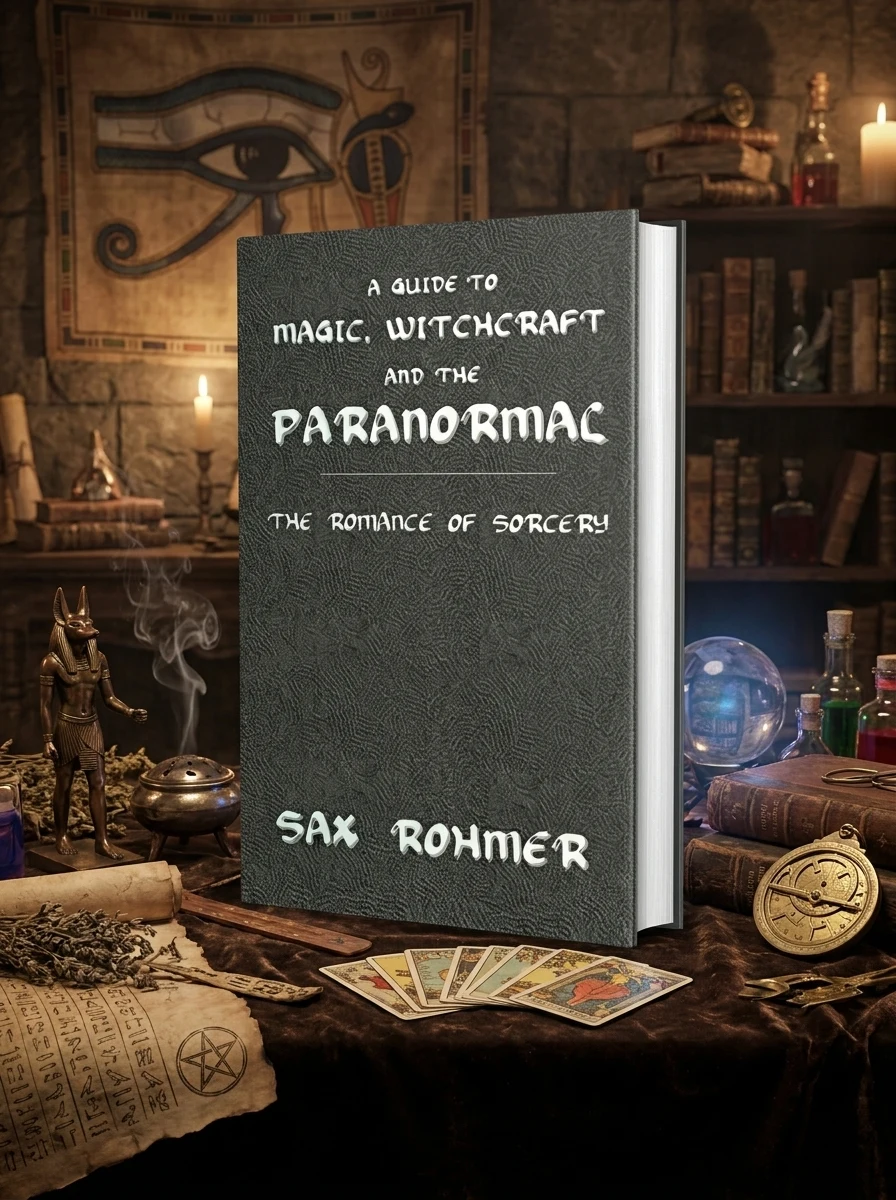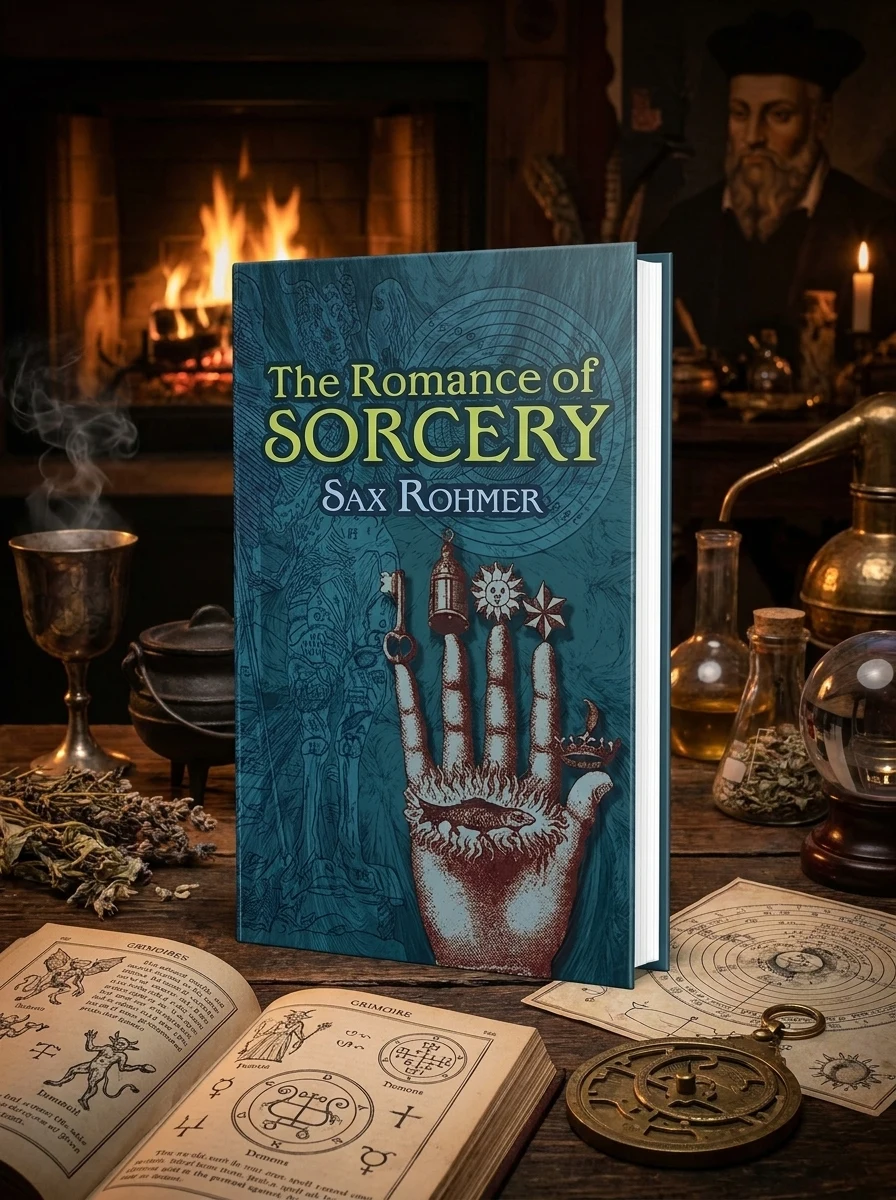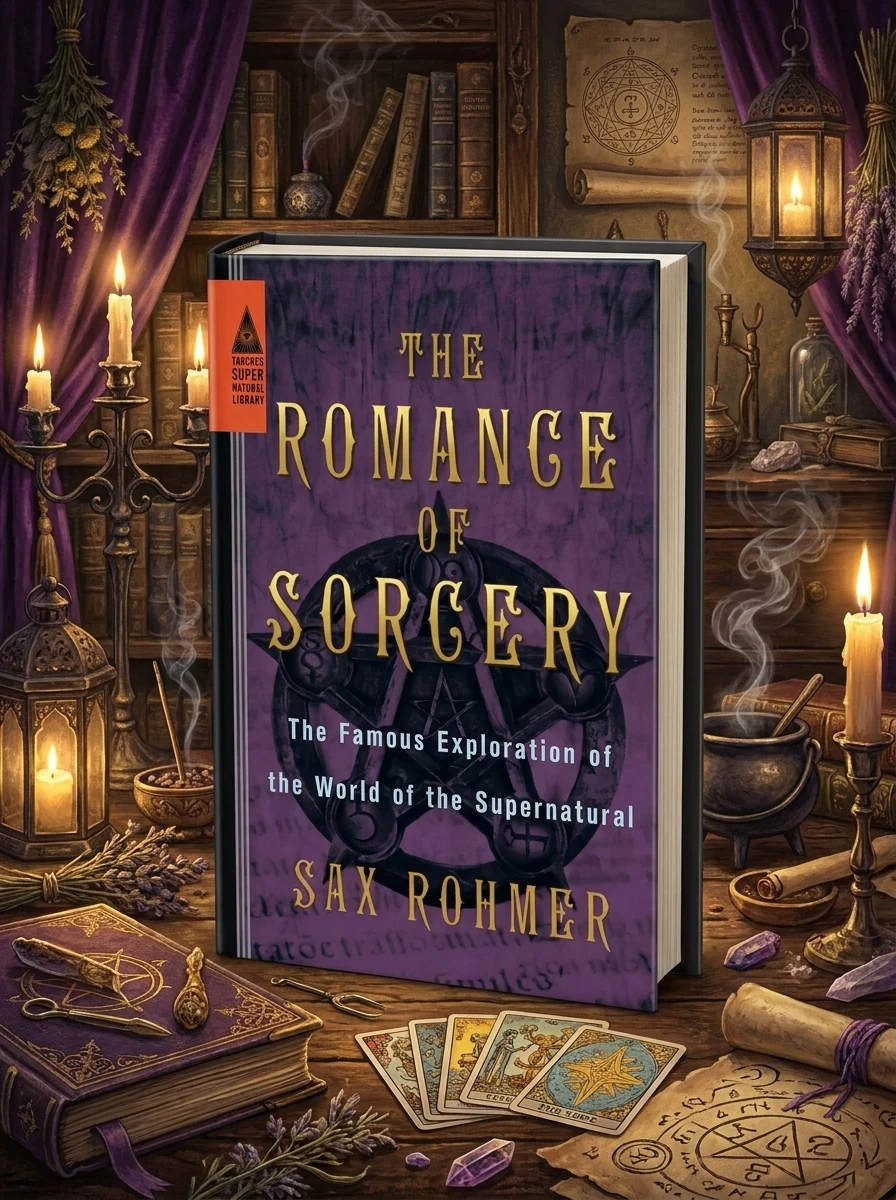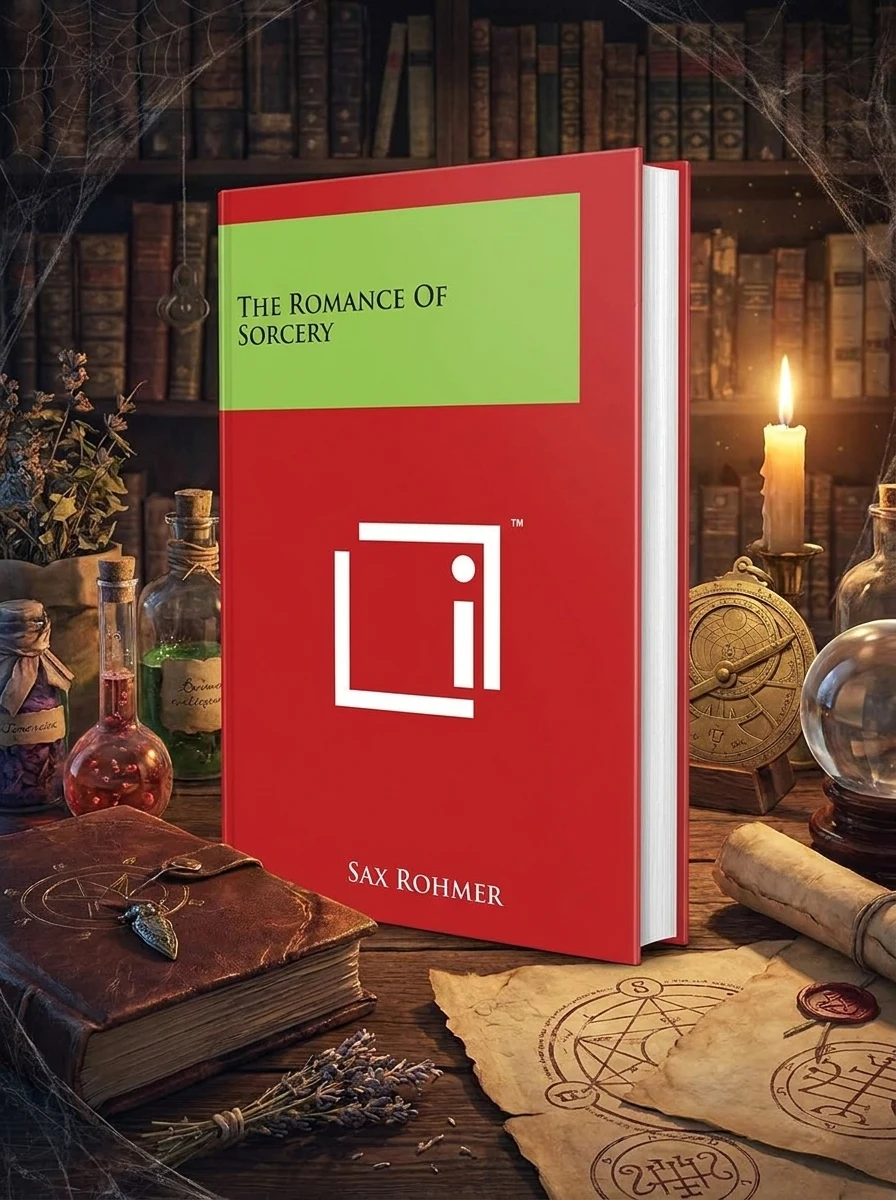
A Guide to Magic, Witchcraft and the Paranormal: The Romance of Sorcery Rohmer, Sax
✍️ Rohmer, SaxSax Rohmer, renowned for his fictional thrillers, unveils his profound knowledge of the arcane in this accessible non-fiction work. He embarks on a sweeping historical journey, tracing the origins of sorcery from ancient Egypt, through the mysteries of Islamic djinns, the wisdom of the Magi, and diverse methods of divination. The book also illuminates European witchcraft, from royal court intrigues to infamous Scottish trials, profiling pivotal figures like Apollonius of Tyana and Cagliostro. Rohmer's aim is to bridge the chasm between modernity and the timeless truths of ancient mystic arts, making this an unparalleled general introduction.


📝 Description: A Guide to Magic, Witchcraft and the Paranormal: The Romance of Sorcery Rohmer, Sax
💎 Expert review
📖 Why choose it
Why this book is worth reading
Readers seeking a sweeping, narrative-driven introduction to the history of magic will find this book indispensable. It is perfect for those who appreciate the allure of ancient mysteries but prefer engaging storytelling over dense academic theory. By leveraging his skill as a master storyteller, Rohmer makes complex topics like Islamic djinns and European witch trials accessible and thrilling. This guide bridges the gap between modern skepticism and ancient mystic arts, offering a romantic yet informative perspective on figures like Cagliostro. It is ideal for casual learners, history buffs, and occult enthusiasts who want a broad overview without getting bogged down in technical jargon or overly specialized scholarly debate.
⭐ Reader reviews
Reader rating
Rohmer delivers a lively, albeit superficial, tour of the arcane world, prioritizing narrative flow over rigorous historical analysis. While entertaining and well-written, this work may frustrate serious researchers or academic occultists seeking primary sources or critical depth. It is not suitable for those looking for practical magical instruction or detailed theological dissection. However, for readers who enjoy historical romance blended with esoteric themes, it serves as a charming gateway drug to the subject. The book succeeds in its aim to illuminate pivotal figures and events through a romantic lens, making it a delightful but lightweight addition to any collection focused on the general history of sorcery rather than specialized study.
❓ Frequently asked questions
📖 Who should read this
If you're a curious seeker fascinated by the historical tapestry of magic, witchcraft, and the paranormal, this book offers a superb entry point. Rohmer's clear, engaging style makes complex subjects approachable, perfect for those beginning their exploration into the deeper currents of esoteric knowledge.
🎯 Key themes and symbolism
Global Occult History
This volume meticulously traces the origins and evolution of sorcery across diverse civilizations. From the foundational magical practices of ancient Egypt to the mystical insights of the Magi and the spiritual landscape of Brahmins, it offers a panoramic view of how magic has manifested throughout human history and across continents, highlighting its universal appeal.
Profiles of Key Adepts
Rohmer dedicates significant attention to the lives and legacies of influential figures in occult history. Readers will encounter detailed accounts of luminaries such as the enigmatic Apollonius of Tyana, the prophetic Nostradamus, the polymath Dr. John Dee, and the controversial Count Cagliostro, understanding their contributions to the development of mystic arts.
Bridging Ancient & Modern
The book critically examines the perceived disconnect between contemporary thought and ancient spiritual wisdom. Rohmer posits that modernity has created a 'gulf' that obscures profound, timeless truths. His work serves as an eloquent attempt to reconnect readers with these forgotten esoteric principles, urging a re-evaluation of magic's place in understanding existence.
📜 Historical context
📚 Glossary
- Djinns
- Sibylls
- Magi
📔 Questions to reflect on
- How might the 'ancient truths' Rohmer discusses still resonate or manifest in today's seemingly rational world, and in what forms?
- Which of the historical figures or magical traditions mentioned in the book most captivates your imagination, and what specific questions does it raise for you?
- Consider Rohmer's idea of a 'gulf' between revealed religion and ancient truths. How do you personally perceive this divide, and what might be ways to bridge it?