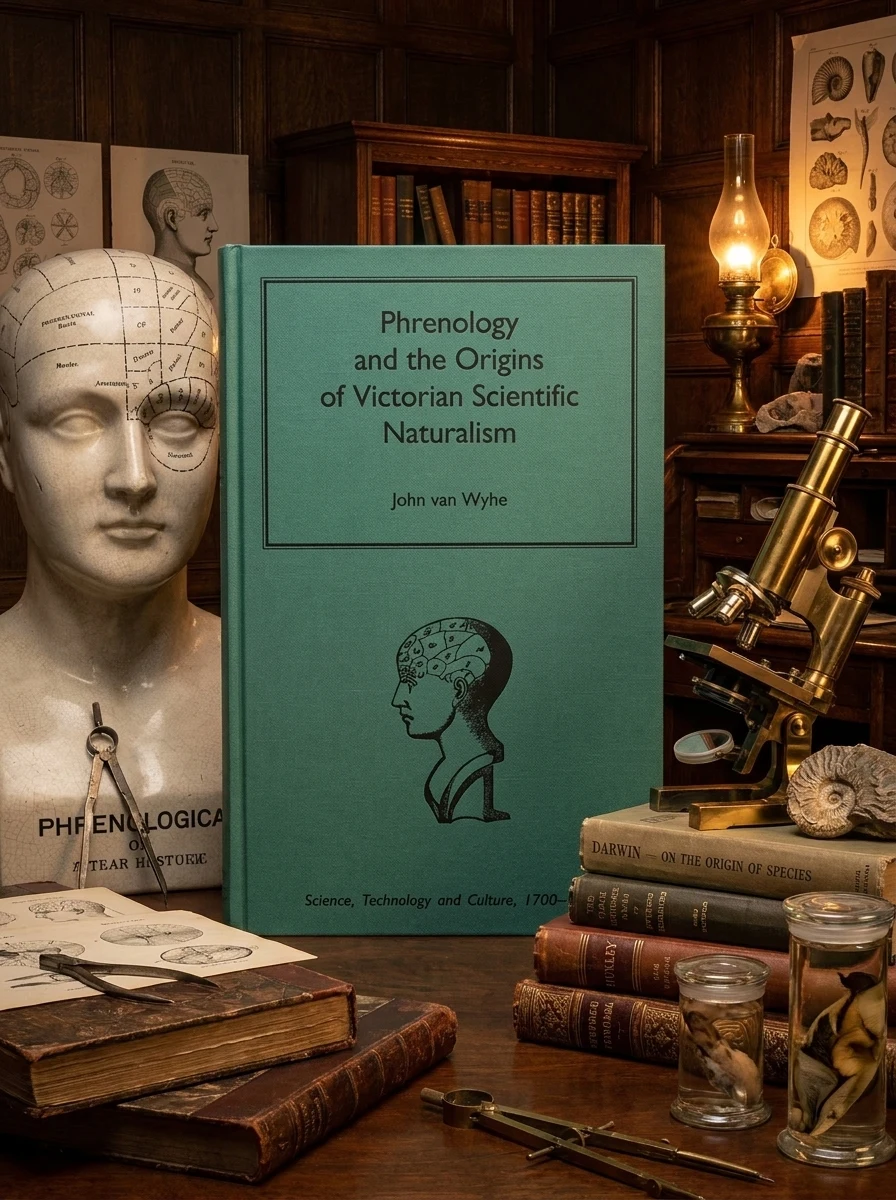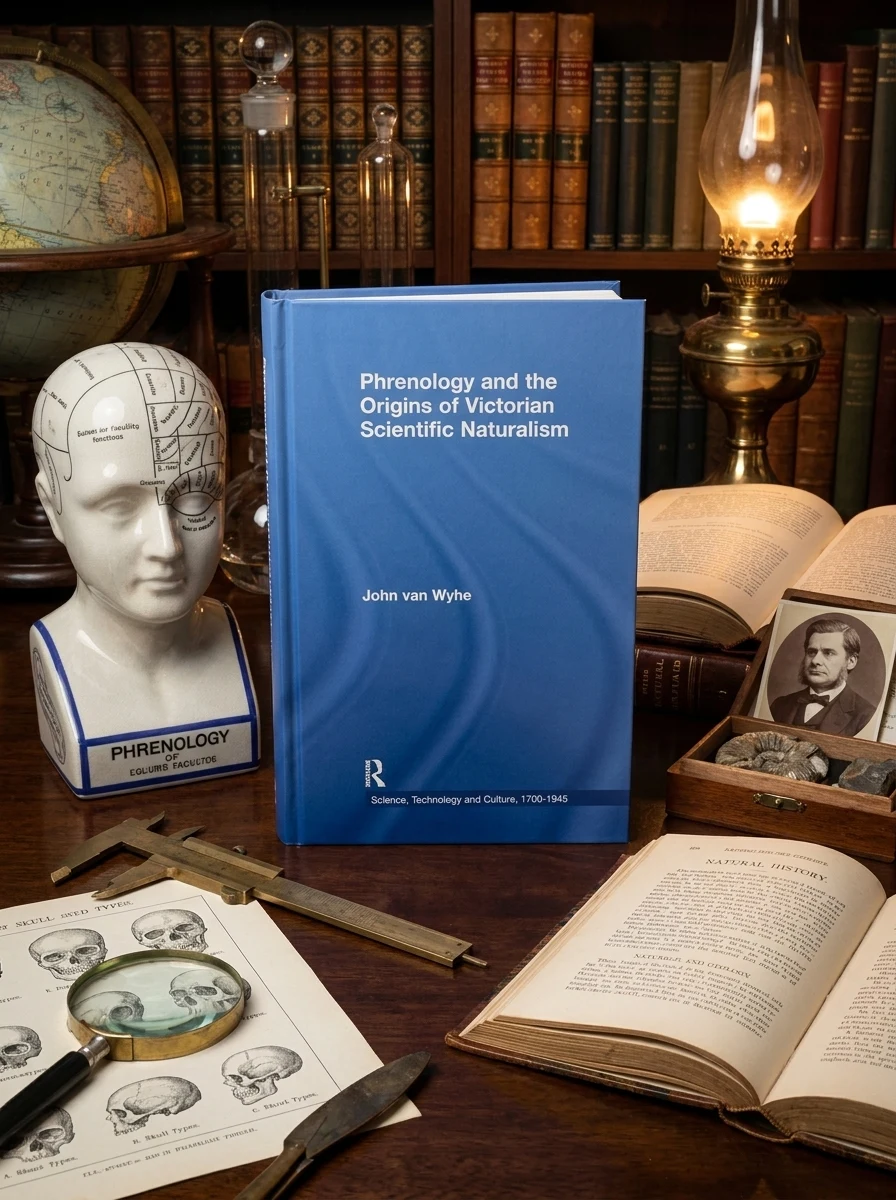
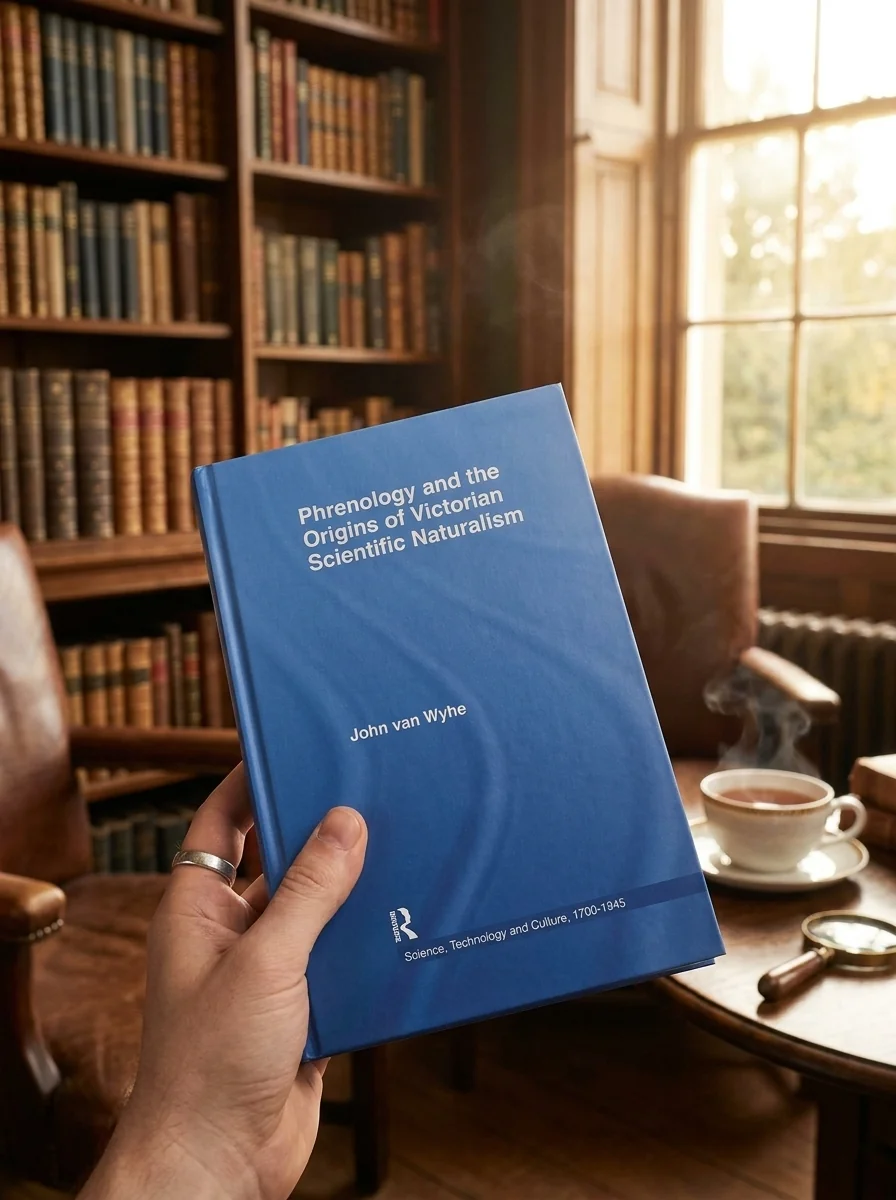
Phrenology and the Origins of Victorian Scientific Naturalism Wyhe, John Van
✍️ Wyhe, John VanJohn Van Wyhe's insightful work challenges conventional narratives by revealing phrenology's profound, yet often overlooked, influence on Victorian intellectual life. Far from being a mere historical curiosity, phrenology acted as a crucial catalyst, fostering early ideas of scientific naturalism across diverse fields like medicine, education, and theology. This book meticulously traces how these pre-Darwinian debates laid the groundwork for the scientific materialism that would later flourish, demonstrating that concepts of natural law and human-nature relationships were vigorously discussed decades before *The Origin of Species* reshaped the world.


📝 Description: Phrenology and the Origins of Victorian Scientific Naturalism Wyhe, John Van
💎 Expert review
📖 Why choose it
Why this book is worth reading
This book is an essential read for scholars and enthusiasts of Victorian history, philosophy of science, and the social history of medicine. It offers a refreshing perspective by dismantling the caricature of phrenology as mere pseudoscience, revealing instead its profound utility in fostering early concepts of scientific naturalism. Readers interested in the intellectual genealogy of modern materialism will find this meticulous tracing of pre-Darwinian debates deeply rewarding. It bridges the gap between theology, education, and medicine, showing how diverse fields collaborated in vigorous discussions about human nature. If you seek to understand the roots of contemporary scientific thought beyond the well-trodden path of Darwinian evolution, this insightful work provides crucial context and a nuanced appreciation for the complex origins of our current understanding of natural law.
⭐ Reader reviews
Reader rating
Wyhe’s text is a rigorous academic exercise that challenges conventional historical narratives with impressive depth. However, it is not suited for casual readers seeking light entertainment or simple summaries of biological history. The dense analysis requires patience and a specific interest in intellectual history rather than general science. Those expecting straightforward biographical details of phrenologists or easy-to-digest pop-science explanations will likely find the scholarly tone dry and inaccessible. It demands engagement with complex arguments about theology and medicine. While intellectually stimulating for those invested in the philosophy of scientific naturalism, it may alienate readers looking for a more narrative-driven approach to Victorian cultural shifts or those uninterested in the granular details of pre-Darwinian academic debates.
❓ Frequently asked questions
📖 Who should read this
If you're fascinated by the intellectual undercurrents of the Victorian era, the evolution of scientific thought, or how unconventional ideas can shape mainstream discourse, this book offers a compelling re-evaluation. It's a must-read for historians of science and those curious about the complex origins of modern scientific naturalism.
🎯 Key themes and symbolism
Phrenology's Hidden Impact
This book elevates phrenology beyond its reputation as a pseudo-science, positioning it as a pivotal intellectual force. It explores how phrenological theories permeated various aspects of Victorian society, including medical practices, educational philosophies, and even religious discourse, thereby fostering a widespread acceptance of naturalistic explanations for human behavior and societal structures.
Roots of Scientific Naturalism
Van Wyhe argues that the foundations of scientific naturalism – the idea that natural phenomena are governed by natural laws, without supernatural intervention – were firmly established prior to Darwin's seminal work. The book illuminates how phrenology contributed significantly to this intellectual shift, creating a fertile ground for the materialist perspectives that would define later scientific inquiry.
Nature and Humanity Debated
The text delves into the intense 19th-century discussions surrounding the intricate relationship between humanity and the natural world. It highlights how phrenologists were at the forefront of these debates, applying their theories to understand human nature, morality, and society through a scientific lens, thus pushing boundaries between science and religion.
📜 Historical context
📚 Glossary
- Phrenology
- Scientific Naturalism
- Victorian Era
📔 Questions to reflect on
- Consider a contemporary 'fringe' scientific or pseudo-scientific theory. How might it be subtly influencing broader societal or scientific discourse, much like phrenology did?
- Reflect on how scientific ideas, even those later discredited, can still contribute to the intellectual evolution of a society. What lessons can we draw from phrenology's legacy?
- How do you think the concept of 'natural law' has evolved from the Victorian era to today, particularly in relation to human behavior and societal structures?