Searching for Lucifer books often begins with a simple question: who or what is Lucifer? The answer depends greatly on the tradition being studied. For some writers, Lucifer represents a mythological figure connected to rebellion and the fallen angel motif. For others, the name points toward illumination, individual transformation, or a symbol examined through philosophy, folklore, and occult history.
The strongest books on this subject do not treat Lucifer as a single idea. They examine how the figure developed through religion, literature, magical traditions, social movements, and modern spiritual communities. This reading list brings together historical studies, philosophical works, and practical texts so you can choose a direction that matches your curiosity.
Before choosing a title, it helps to understand that Lucifer originally means "light-bringer" and has connections with the morning star or Venus in classical usage. Modern books may use the name in very different ways, so context matters when comparing historical research, symbolic interpretations, and contemporary occult writing.
Historical and Symbolic Studies of Lucifer
1. Lucifer: Princeps — Grey, Peter
Lucifer: Princeps is suited to readers interested in the historical and mythological foundations of Western esotericism. Peter Grey approaches Lucifer through a serious occult lens, making this a strong choice for those who want a thoughtful exploration rather than a simplified portrait.
The book fits readers who are examining how symbolic figures become part of larger systems of thought. Its focus on Lucifer-related themes makes it a useful selection for anyone comparing mythology, occult philosophy, and the development of esoteric ideas.
2. Devil-Worship in France: The Question of Lucifer — Waite, Arthur Edward
Devil-Worship in France: The Question of Lucifer examines the relationship between occult claims, religious concerns, and cultural debates. Arthur Edward Waite’s work is valuable for readers studying how ideas about secret societies and spiritual accusations developed in modern Western history.
This title is particularly relevant for those interested in historical discussions of occult reputation. Rather than focusing only on symbolism, it explores the way Lucifer-related ideas were presented within wider social conversations.
3. Devil-worship in France: or The Question of Lucifer — Waite, Arthur Edward
Devil-worship in France: or The Question of Lucifer presents another edition of Waite’s investigation into claims surrounding Lucifer and devil worship. It is especially interesting for readers comparing historical perspectives on occult controversies and the way spiritual movements were interpreted by outsiders.
The title provides another opportunity to study Waite’s approach to controversial subjects. Readers interested in the history of religious criticism, public fears, and occult discussions may find this work a helpful addition.
4. Devil Worship in France: The Question of Lucifer — One-Eye Publishing; Waite, Arthur Edward
Devil Worship in France: The Question of Lucifer offers another accessible edition of Waite’s study. Readers exploring the history of occult reputation, media portrayals, and religious fears may appreciate this look at how Lucifer-related ideas entered public discussion.
This edition belongs alongside other historical approaches because it reflects continued interest in examining claims about devil worship and their place in cultural history.
Lucifer as an Occult, Philosophical, and Spiritual Symbol
5. I. Lucifer: Exploring the Archetype and Origins of the Devil — Nocturnum, Corvis
I. Lucifer: Exploring the Archetype and Origins of the Devil focuses on Lucifer as an archetype and explores questions about the origins of the devil figure. It may appeal to readers who want to examine how religious symbols change across cultures and historical periods.
This book is a good match for those interested in interpretation and symbolism. It approaches Lucifer as a figure with multiple meanings, allowing readers to consider connections between mythology, belief systems, and cultural memory.
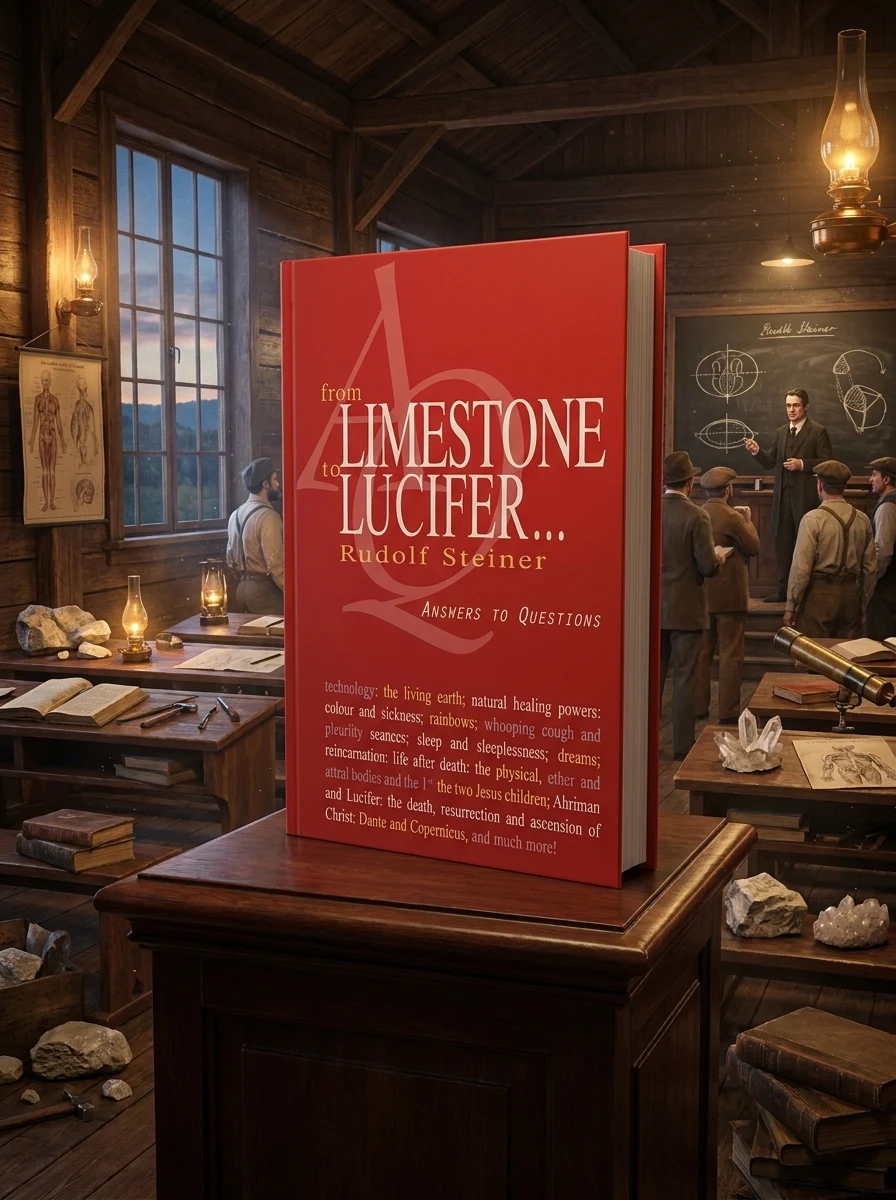
6. From Limestone to Lucifer . . .: Answers to Questions (Cw 349) — Steiner, Rudolf; Gulbekian, Sevak; Meuss, Anna R, Fil Mta
From Limestone to Lucifer . . .: Answers to Questions (Cw 349) represents Rudolf Steiner’s distinctive spiritual philosophy and is intended for readers interested in unconventional approaches to spiritual development. Its focus makes it a different kind of Lucifer book, one connected to Steiner’s broader esoteric worldview.
Readers approaching this title may be interested in philosophical and spiritual perspectives that place Lucifer within a larger framework of human development and metaphysical questions.
7. Lucifer Ascending: The Occult in Folklore and Popular Culture — Ellis, Bill
Lucifer Ascending: The Occult in Folklore and Popular Culture looks at how magical beliefs and occult themes appear in folklore and popular culture. This is a useful choice for readers interested in the social history of occult ideas and the way symbols move through communities.
Unlike books focused mainly on spiritual practice, this work examines cultural expression. It can help readers understand how occult imagery appears in stories, traditions, and public discussions.
8. Lucifer's Court: A Heretic's Journey in Search of the Light Bringers — Rahn, Otto
Lucifer's Court: A Heretic's Journey in Search of the Light Bringers will interest readers drawn to Otto Rahn’s association with unconventional historical and esoteric subjects. The book suits those who enjoy exploring fringe interpretations and alternative spiritual narratives.
Its appeal comes from the combination of historical curiosity and esoteric themes. It represents a different style of Lucifer-related writing compared with academic studies or practical manuals.
Luciferianism, Left-Hand Path, and Modern Occult Practice
9. Apotheosis - The Ultimate Beginner's Guide to Luciferianism & the Left-Hand Path — Ford, Michael W
Apotheosis - The Ultimate Beginner's Guide to Luciferianism & the Left-Hand Path is designed for newcomers interested in Luciferianism and the Left-Hand Path. It provides an introduction to concepts often discussed within modern occult communities and works well as an entry point for readers beginning their study.
The book is focused on contemporary Luciferian ideas rather than historical analysis. Readers seeking an introduction to modern interpretations may find it a useful starting selection.
10. Goetia of Shadows: Illustrated Luciferian Grimoire — Iniquity, Adam; Ford, Michael W
Goetia of Shadows: Illustrated Luciferian Grimoire is aimed at experienced occult readers interested in grimoire traditions. It connects with Goetia, a magical practice involving spirit evocation, and is best approached by readers already familiar with ceremonial and occult systems.
This title represents the practical side of the catalog. It differs from historical works by focusing on a grimoire-style approach and the interests of practitioners studying modern occult methods.
11. Children of Lucifer: The Origins of Modern Religious Satanism — Van Luijk, Ruben
Children of Lucifer: The Origins of Modern Religious Satanism offers an academic examination of the development of modern religious Satanism. Readers seeking historical research rather than sensational portrayals will find this a valuable study of how these movements formed and were understood.
The book is suited to readers interested in religious history and the formation of modern movements. It provides a research-oriented perspective that complements symbolic and occult-focused titles.
12. Lucifer Rising: A Book of Sin, Devil Worship & Rock'n'roll — Baddeley, Gavin
Lucifer Rising: A Book of Sin, Devil Worship & Rock'n'roll explores the relationship between occult themes, music, and popular culture. It is a good match for readers interested in the cultural image of Lucifer beyond formal religious or magical traditions.
The book adds a cultural perspective to this collection by looking at the connections between public imagery, entertainment, and discussions of occult subjects.
How to Choose the Right Lucifer Book for Your Study
The best starting point depends on what question brought you here. If you are studying history, begin with Arthur Edward Waite or Ruben van Luijk. These works focus on how Lucifer-related ideas appeared in religious discussions, social movements, and modern interpretations.
If your interest is symbolic or philosophical, titles such as Lucifer: Princeps, I. Lucifer, and From Limestone to Lucifer offer different ways to think about the figure as a symbol of knowledge, transformation, or spiritual inquiry.
Readers exploring modern Luciferian practice may prefer Apotheosis or Goetia of Shadows. These books are closer to contemporary occult practice and are better suited to readers who already know the difference between historical study and personal spiritual work.
Many Lucifer books overlap in subject but differ greatly in purpose. A historical investigation, a philosophical interpretation, and a practical grimoire are not interchangeable. Choosing based on your goal will lead to a more rewarding study of one of the most complex symbols in Western esoteric literature.