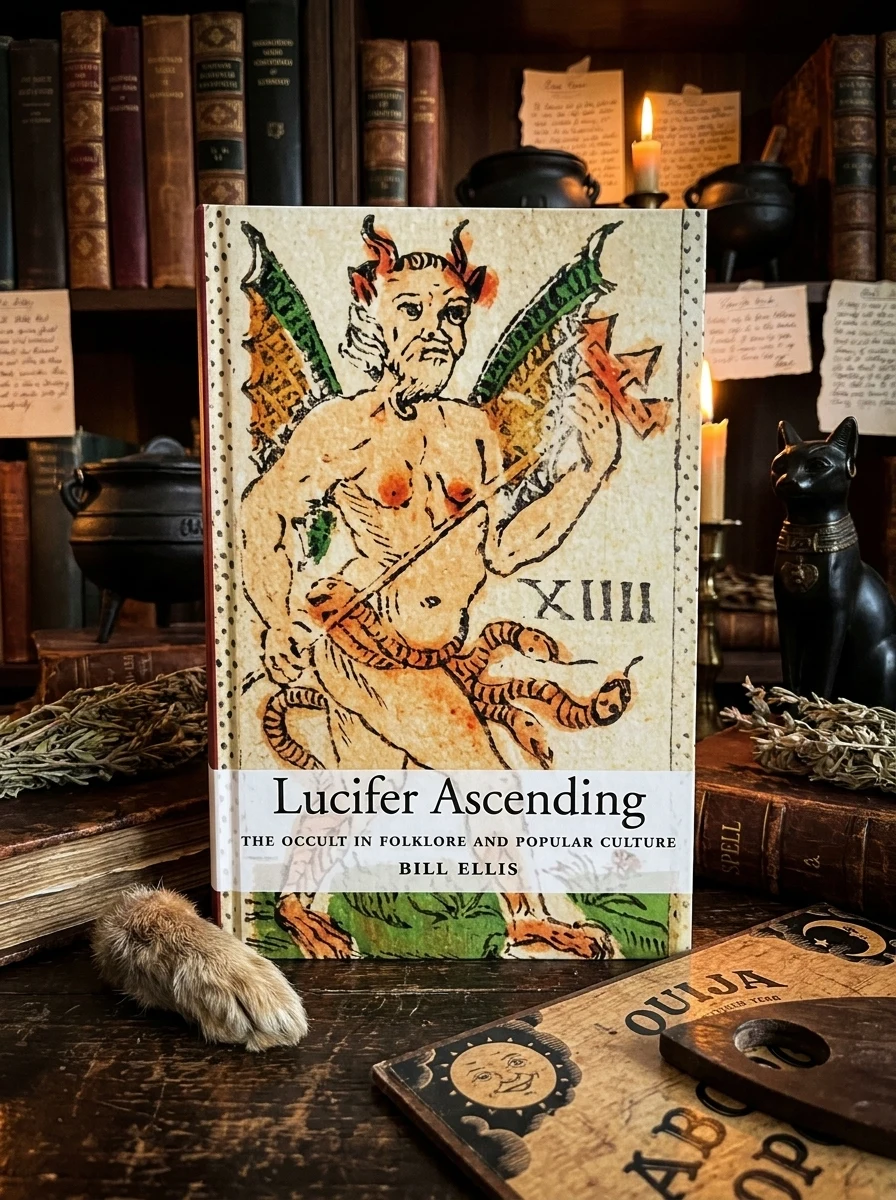
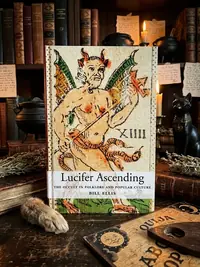
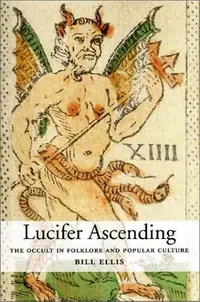
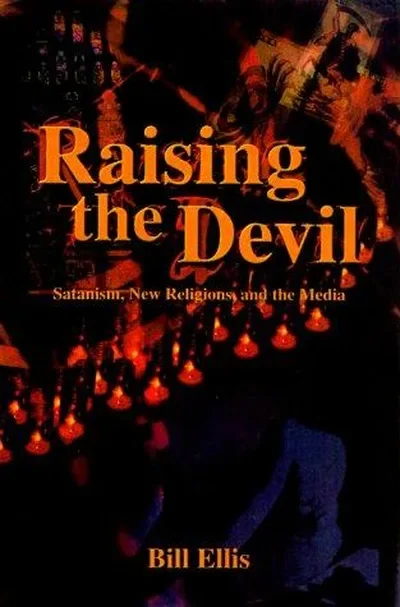
Lucifer Ascending: The Occult in Folklore and Popular Culture
Stock reported in the catalog; fulfillment is confirmed with your request.
Uncover the hidden magic woven into the fabric of everyday life and youth culture.
Bill Ellis’s "Lucifer Ascending" offers a compelling exploration of magic and witchcraft's enduring presence in modern Anglo-American culture, from everyday superstitions to more complex rituals. Ellis introduces "vernacular occultism," analyzing its social function rather than its metaphysical claims. He meticulously traces the occult's significant role within youth subcultures throughout history. Ellis deliberately positions his analysis between outright skepticism and religious interpretations, arguing that engaging with the occult provides an accessible pathway for individuals to connect with a deeper, mythic reality, distinct from formal religious practice.
This work situates itself within the academic study of folk magic and vernacular occultism in modern Anglo-American culture, bridging the gap between historical folklore analysis and contemporary cultural studies.


📝 Description: Lucifer Ascending: The Occult in Folklore and Popular Culture
💎 Expert review
📖 Why choose it
Why this book is worth reading
Readers fascinated by the subtle, often overlooked presence of magic in daily life will find this book illuminating. Ellis invites you to look past skepticism or religious dogma to see how ordinary superstitions and youth subcultures maintain a connection to deeper mythic realities. It is perfect for those who enjoy analyzing social structures through an esoteric lens, offering a fresh perspective on why people engage with the occult not for supernatural power, but for cultural and personal meaning.
⭐ Reader reviews
Reader rating
Ellis provides a rigorous sociological framework that demystifies the 'vernacular' nature of modern witchcraft. However, this academic distance may alienate practitioners seeking spiritual validation or those expecting narrative-driven folklore tales. The text is dense with theoretical analysis, making it less suitable for casual readers interested in practical spell-casting or straightforward historical anecdotes. It demands attention to social function over metaphysical truth, which might disappoint those looking for a mystical experience rather than a scholarly deconstruction of cultural phenomena.
❓ Frequently asked questions
📖 Who should read this
If you’re fascinated by the social impact of magical beliefs, the historical role of the occult in youth identity, or how folklore shapes popular culture, this book is essential. It's for those who appreciate nuanced academic perspectives on seemingly fringe topics.
🎯 Key themes and symbolism
Everyday Magic's Enduring Appeal
Ellis delves into the common, often unnoticed, magical practices embedded in daily life. From the seemingly innocuous act of carrying a lucky rabbit's foot to the more deliberate use of a Ouija board, he reveals how these "vernacular occult" traditions serve specific social and psychological functions for ordinary people, bridging the gap between the mundane and the mysterious.
Occult & Youth Subcultures
This work extensively documents the deep historical ties between occult practices and youth culture. Ellis unearths how younger generations have consistently found expression, identity, and empowerment through engagement with magical traditions, from simple superstitions to spell books, illustrating its enduring appeal as a means of agency and distinction within social structures.
Engaging the Mythic Realm
Rather than viewing occultism as a rival to conventional religion or mere irrationality, Ellis proposes it functions as a direct, participatory avenue into the mythic realm. He argues these practices allow individuals to actively engage with archetypal narratives and symbolic power, providing meaning and connection beyond formal religious institutions.
💬 Quotes from the book
“The true power of the 'occult' in daily life lies not in its metaphysical truth, but in its capacity to provide individuals with a framework for agency and a personal connection to the unknown.”
“For centuries, youth culture has actively appropriated and reinterpreted magical traditions, using them as a language to define identity, challenge norms, and participate directly in a mythic narrative often denied by adult society.”
📜 Historical context
📚 Glossary
- Occultism
- Vernacular
- Demonology
📔 Questions to reflect on
- Reflect on any "lucky charms" or superstitions you or your community hold. How do these practices connect you to something larger, or serve a social function?
- Consider a time in your youth when you or peers explored something considered "occult" (e.g., Ouija boards, fortune-telling). What was its appeal, and what role did it play in your social group?
- How might engaging with mythic narratives, even through seemingly mundane practices, offer a different kind of meaning or connection than conventional religious or secular frameworks?
🏛 Books from this publisher University Press of Kentucky
All books from this publisher →
 91
91
 84
84
You might also like
See more →
 89
89
 84
84
 91
91