There is a particular atmosphere that draws many readers to Seer: A Highland. The appeal comes from more than prophecy or mystical perception. It comes from the feeling of approaching older traditions where landscapes, symbols, memories, dreams, and unseen possibilities are closely connected. During Samhain season, that mood becomes especially powerful, as many people turn toward stories and studies involving remembrance, folklore, reflection, and mystery.
Readers searching for books like Seer: A Highland are often looking for related themes rather than a direct copy. They may want Scottish Highland traditions, second sight, folk beliefs, divination practices, or historical accounts of people associated with unusual perception. This list follows those interests through esoteric studies, practical guides, memoir-style spiritual writing, and examinations of cultural beliefs.
The selections below create a varied reading path. Some books focus on Scottish legends and historical traditions, while others explore personal intuition, card reading, spiritual practices, or supernatural movements from different periods. Together, they offer options for anyone who enjoys the atmosphere of Seer: A Highland and wants to continue exploring related subjects.
Scottish Second Sight and Highland Traditions
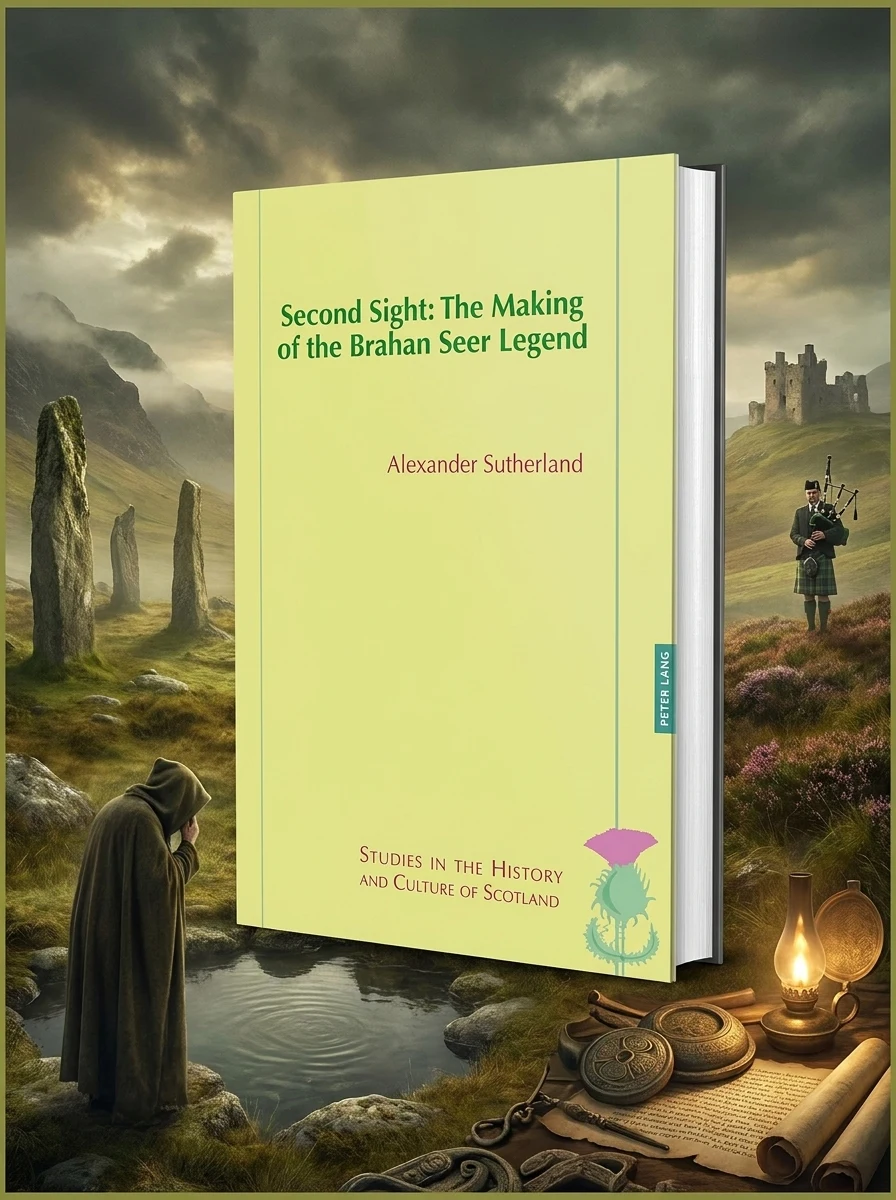
1. Second Sight: The Making of the Brahan Seer Legend (Revised) — Valentina Bold and Alexander Sutherland
This title is a natural choice for readers fascinated by the Highland seer tradition. It focuses on the Brahan Seer legend and the way a famous visionary figure became connected with Scottish cultural memory. Readers interested in prophecy, folklore, and the relationship between stories and history will find a strong connection here.
The book is especially suitable for those who enjoyed the sense of place and tradition associated with Seer: A Highland. Instead of presenting only a mystical account, it examines the development of a legend and the lasting interest surrounding a figure linked with second sight.
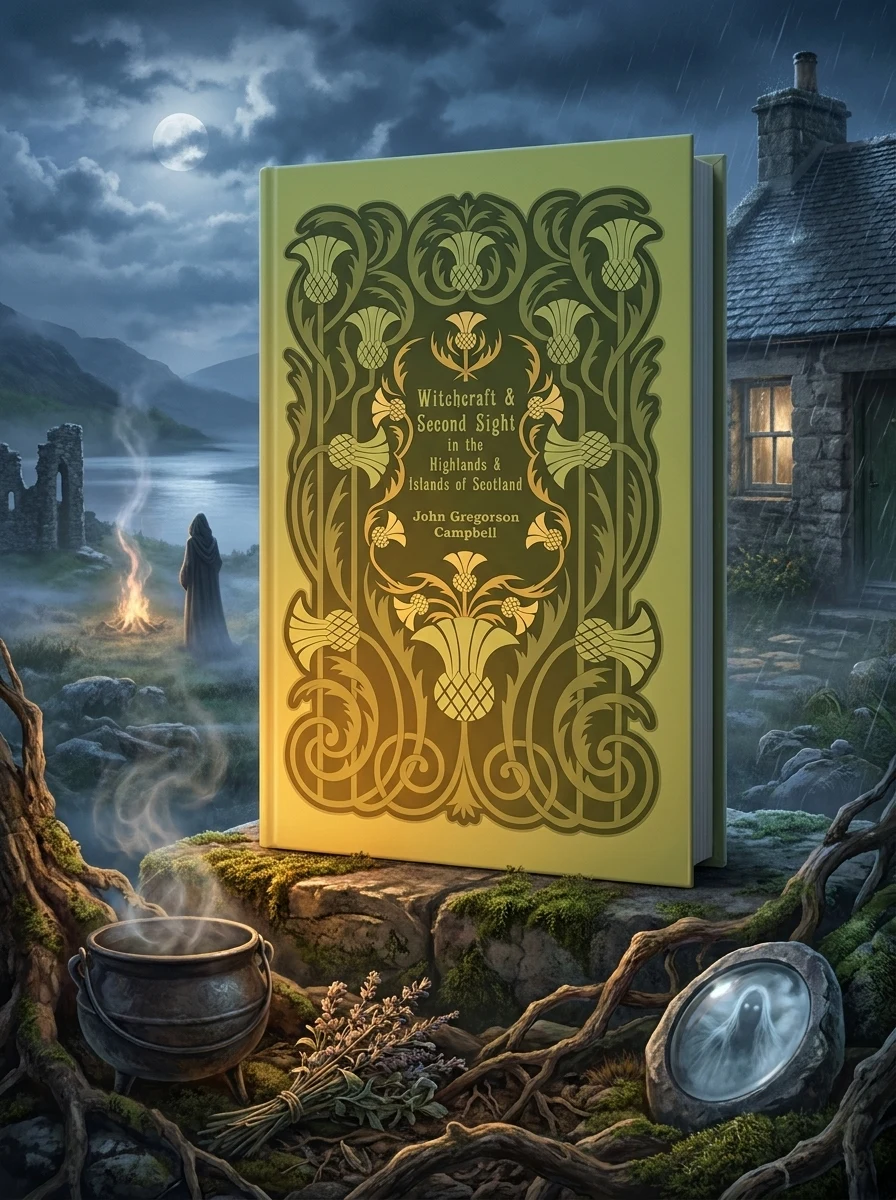
2. Witchcraft and Second Sight in the Highlands and Islands of Scotland — John Gregorson Campbell
For readers wanting a closer look at Scottish beliefs, this work explores traditions connected with witchcraft and second sight in the Highlands and Islands. Its historical focus makes it a useful companion for anyone curious about the customs and ideas behind stories of visions, omens, and supernatural awareness.
The book offers a way to understand the cultural background behind Highland-inspired themes. It may appeal to readers who enjoy folklore research and want to explore how communities recorded and interpreted unusual experiences.
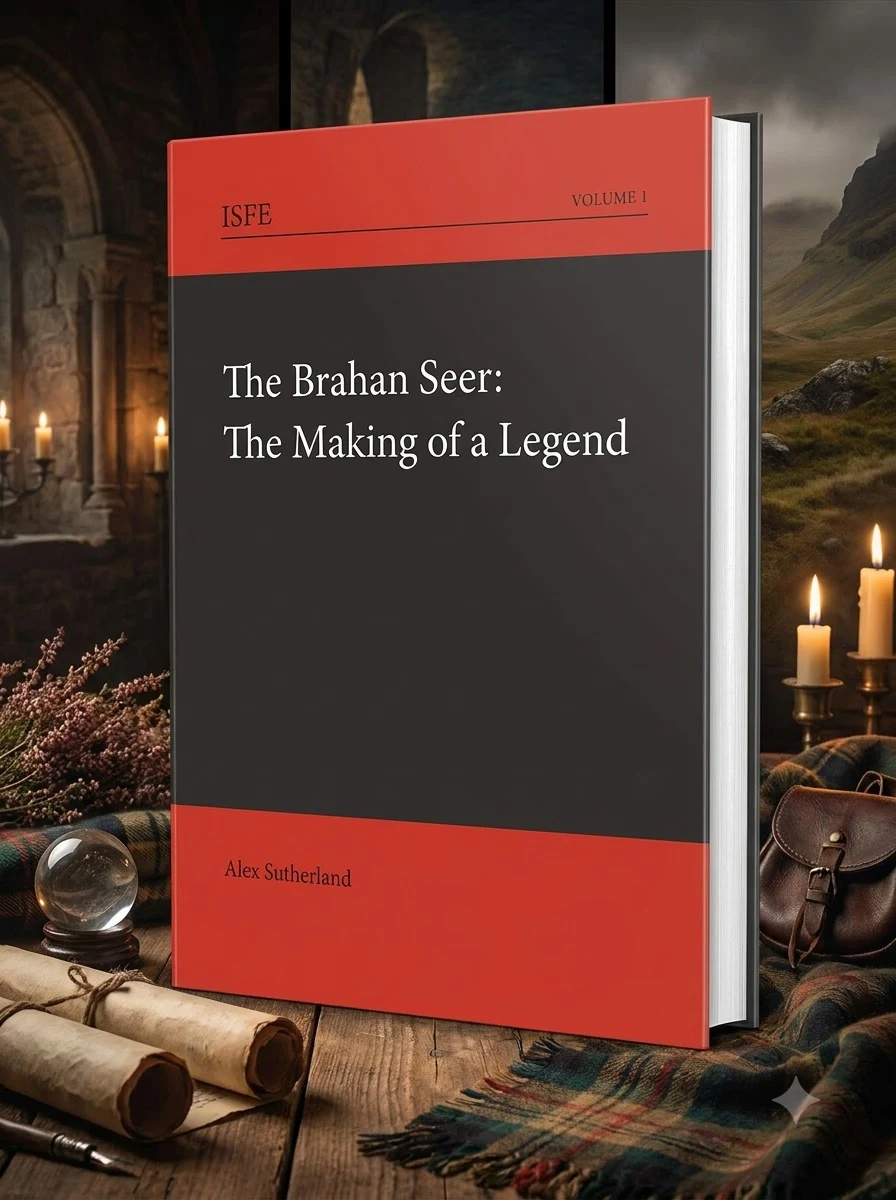
3. The Brahan Seer: The Making of a Legend — Anne O'Connor and Alexander Sutherland
This exploration of the Brahan Seer legend provides another perspective on Scottish prophecy and folklore. It is a fitting selection for readers interested in how legendary figures become part of shared memory through interpretation, storytelling, and historical discussion.
Those who enjoy the mystery surrounding seers may appreciate this examination of how a name and reputation can grow over time. It pairs well with other works about Scottish traditions and second sight.
Divination, Intuition, and Personal Practice
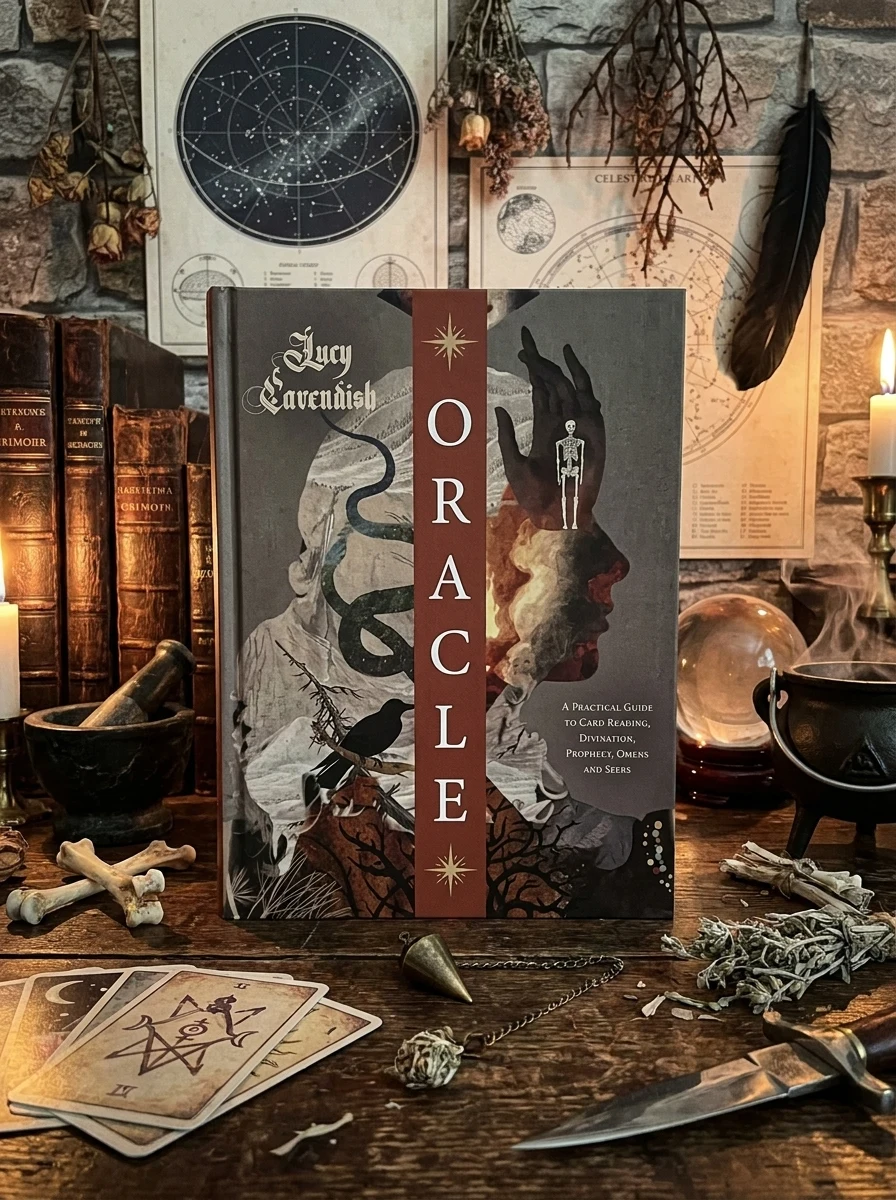
4. Oracle: A Practical Guide to Card Reading, Divination, Prophecy, Omens, and Seers — Lucy Cavendish
This practical guide shifts attention from historical figures to methods of divination and intuitive practice. It covers card reading, prophecy, omens, and seers, making it a good match for readers who want to explore ideas connected with mystical perception in a more hands-on way.
Fans of Seer: A Highland who are interested in the symbolic side of intuition may enjoy this accessible approach. The focus is on practical guidance while still respecting traditional mystical interests and the role of personal interpretation.
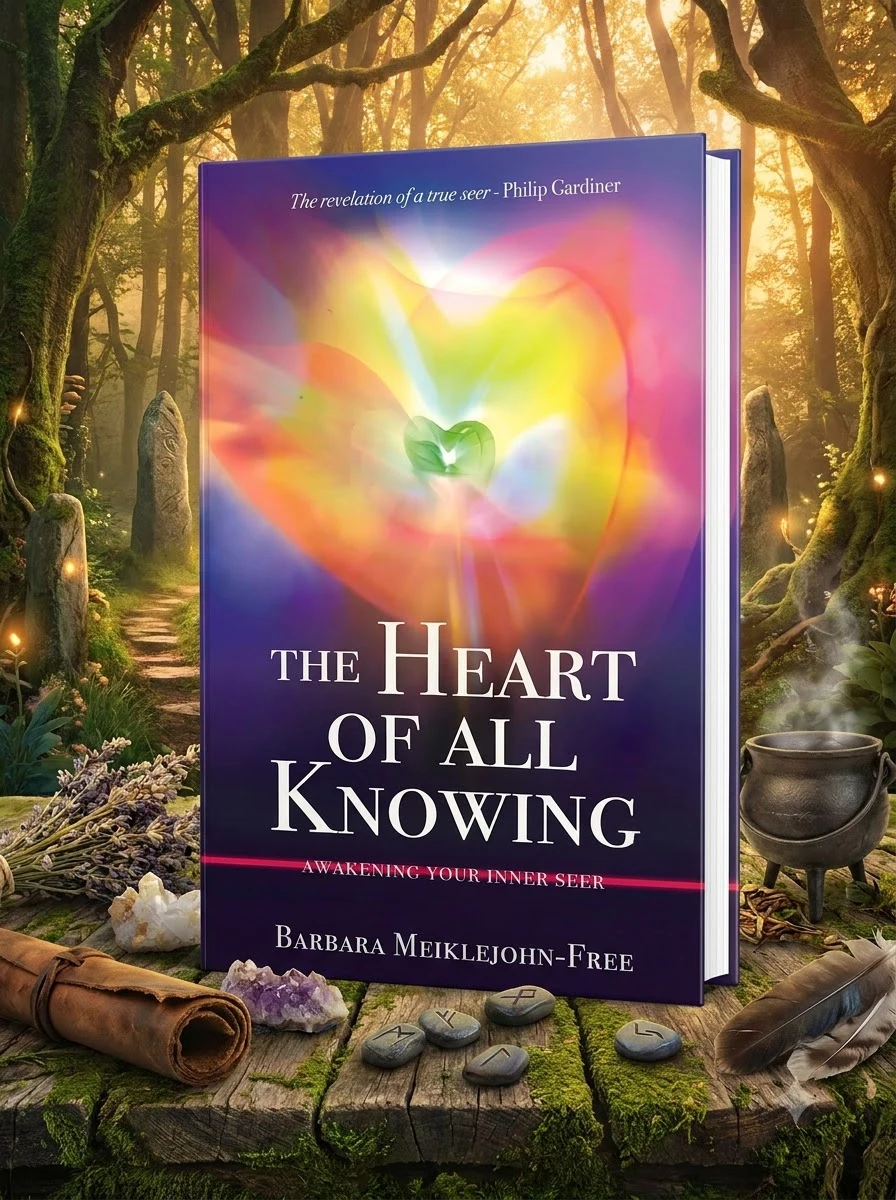
5. The Heart of All Knowing: Awakening Your Inner Seer — Barbara Meiklejohn-Free
This book explores inner awareness and the idea of developing personal insight. It may appeal to readers who are less focused on historical research and more interested in connecting spiritual reflection with everyday experiences.
Compared with folklore-focused works, this title offers a more personal perspective. It fits a Samhain reading shelf for those who want a quieter exploration of intuition and self-discovery.
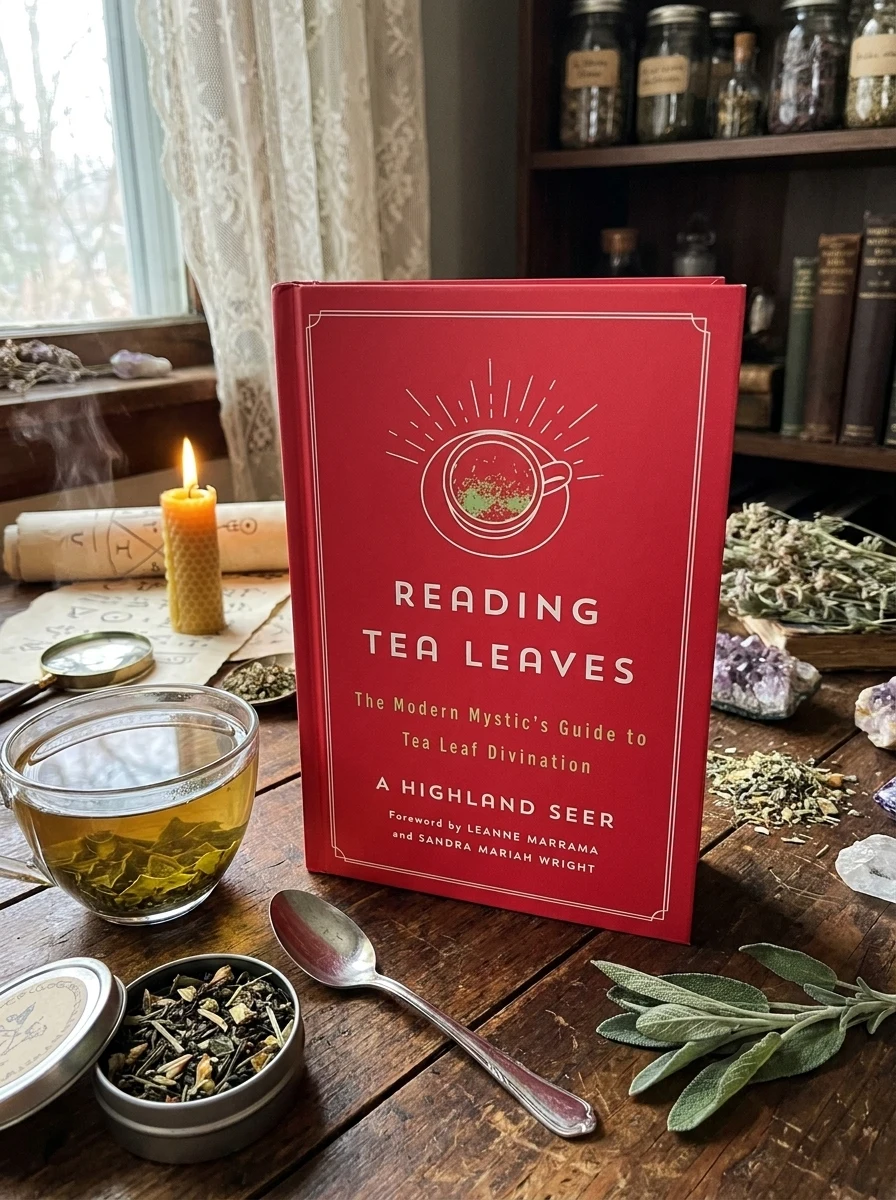
6. Reading Tea Leaves: The Modern Mystic's Guide to Tea Leaf Divination Seer, A Highland — Seer, A Highland
This guide continues the exploration of symbolic interpretation through tea leaf divination. It introduces a gentle practice centered on reading patterns and impressions, making it a fitting choice for readers interested in reflective forms of intuition.
As a companion title, it connects with the themes that attract many fans of Seer: A Highland: curiosity, symbols, and the search for meaning through traditional practices. It is an approachable option for exploring another method of divination.
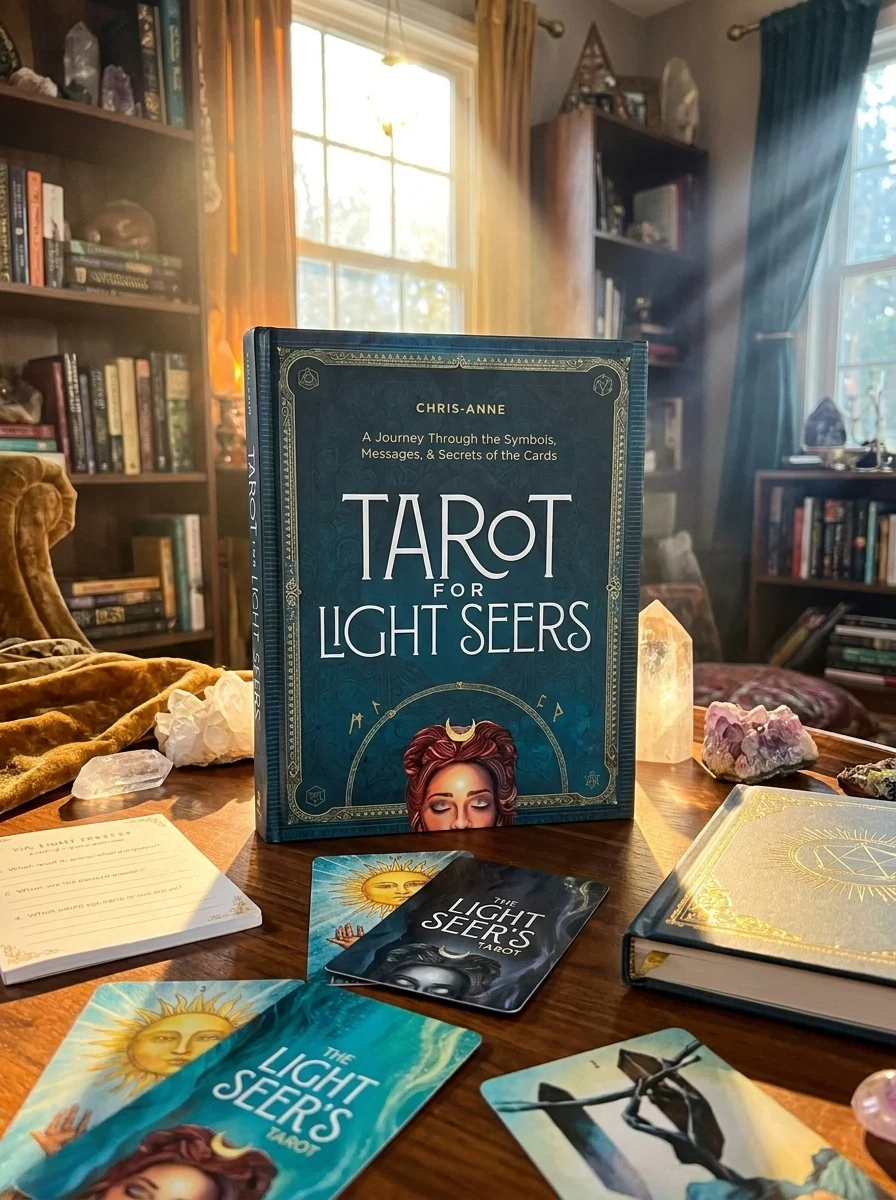
7. Tarot for Light Seers: A Journey Through the Symbols, Messages & Secrets of the Cards — Chris-Anne
This tarot guide offers a modern approach to card symbolism and intuitive work. Readers interested in the relationship between images, messages, and personal reflection may find this a useful addition to a collection focused on seers and divination.
The book fits alongside other practical titles because it highlights interpretation and individual connection with symbols. It provides another perspective on how people use cards as tools for reflection and insight.
Spiritual Histories and Other Seer Traditions
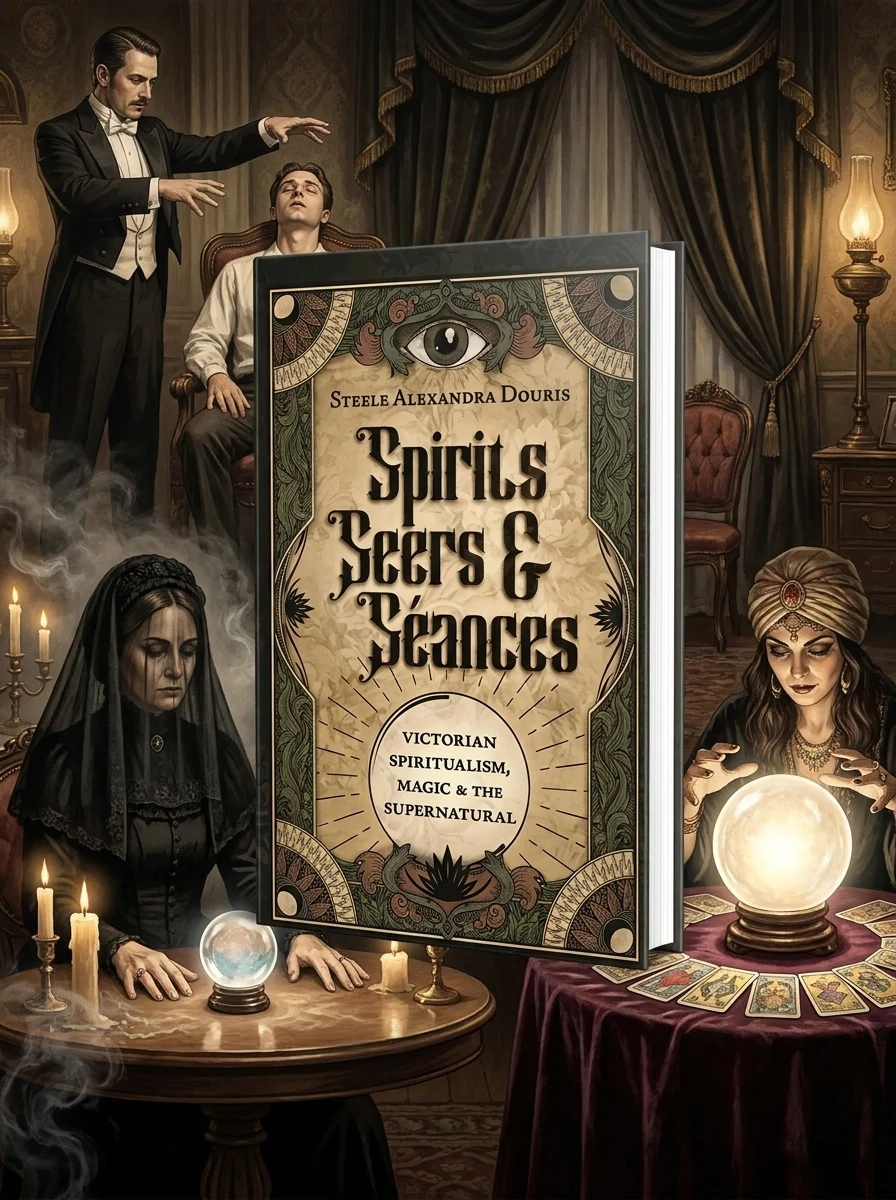
8. Spirits, Seers & Séances: Victorian Spiritualism, Magic & the Supernatural — Alexandra Steele Douris
This title moves from Highland traditions to Victorian spiritualism, examining another period shaped by interest in mystery, magic, and communication with unseen forces. It is a strong choice for readers who enjoy historical studies of supernatural beliefs.
The book expands the discussion beyond Scottish folklore and shows how fascination with seers appeared in different cultural settings. It works well for those who enjoy learning about the history behind magical movements.
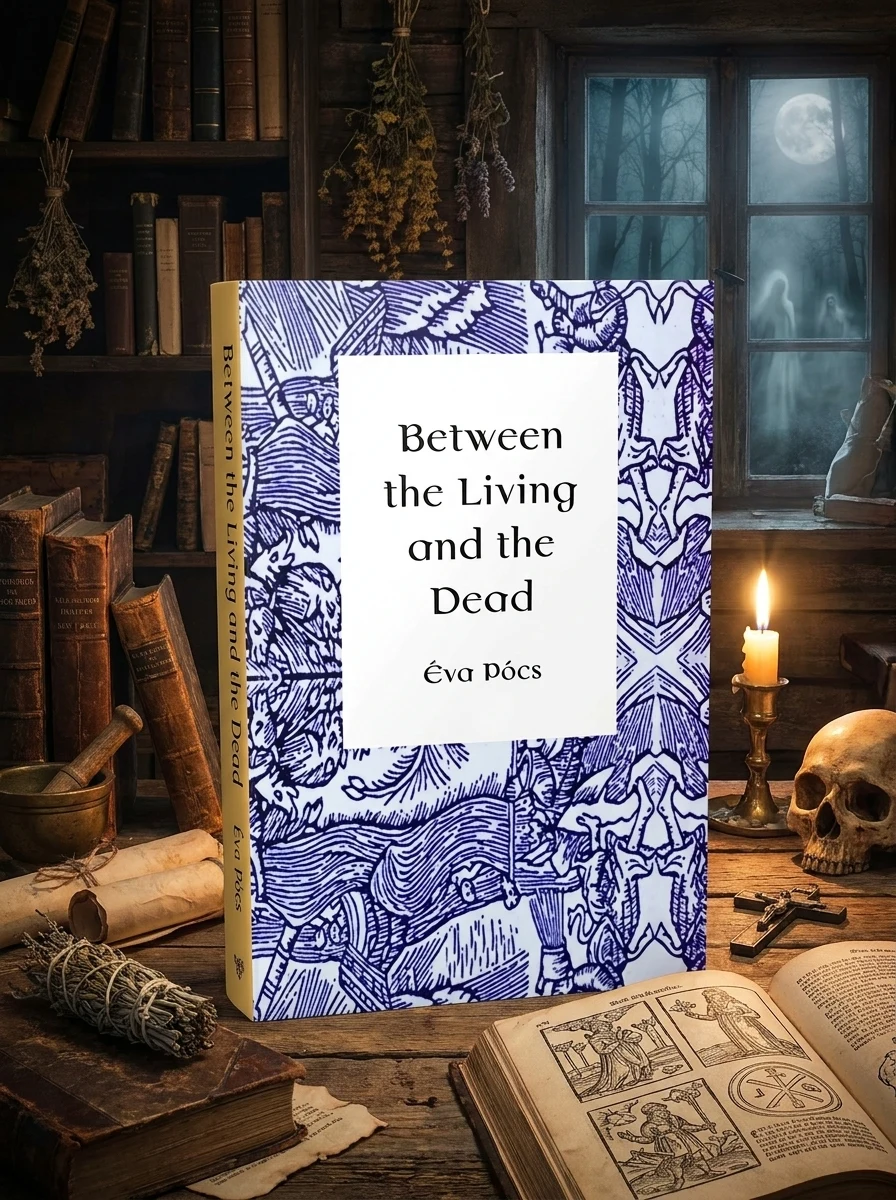
9. Between the Living and the Dead: A Perspective on Seers and Witches in Early Modern Age — Éva Pócs
This historical study examines seers and witches through cultural perspectives. It suits readers who want a more analytical look at how communities understood visions, spirits, and unusual abilities.
For those moving from folklore-inspired reading toward research, this book offers a thoughtful companion. It explores beliefs about the connection between ordinary life and experiences considered extraordinary.
Building a Samhain Reading Shelf
Choosing books like Seer: A Highland depends on which part of the subject interests you most. If Scottish traditions and second sight are the main attraction, begin with Second Sight: The Making of the Brahan Seer Legend (Revised), Witchcraft and Second Sight in the Highlands and Islands of Scotland, or The Brahan Seer: The Making of a Legend.
If your interest is in practicing symbolic methods, Oracle: A Practical Guide to Card Reading, Divination, Prophecy, Omens, and Seers, The Heart of All Knowing: Awakening Your Inner Seer, Reading Tea Leaves: The Modern Mystic's Guide to Tea Leaf Divination Seer, A Highland, and Tarot for Light Seers: A Journey Through the Symbols, Messages & Secrets of the Cards offer different approaches. Each explores intuition through its own method.
For readers drawn to history, spirits, and cultural studies, Spirits, Seers & Séances: Victorian Spiritualism, Magic & the Supernatural and Between the Living and the Dead: A Perspective on Seers and Witches in Early Modern Age provide broader views of supernatural traditions.
A Samhain reading collection can combine historical studies, practical guides, and folklore works. These books share an interest in the ways people have interpreted mystery, symbols, and unseen possibilities across different times and cultures. For anyone who enjoyed Seer: A Highland, they offer many directions for continued exploration through esoteric traditions, folklore, and intuitive practices.
Whether the attraction comes from Scottish legends, personal reflection, or historical curiosity, these selections provide a range of perspectives on seers and related traditions. They invite readers to consider how stories, beliefs, and symbols continue to shape the way people think about mystery.
Exploring these titles can also reveal the variety within mystical studies. Some works preserve folklore, others explain practices, and others examine the social meaning of spiritual beliefs. Together, they show why themes of vision, prophecy, and hidden knowledge continue to inspire readers interested in esoteric subjects.