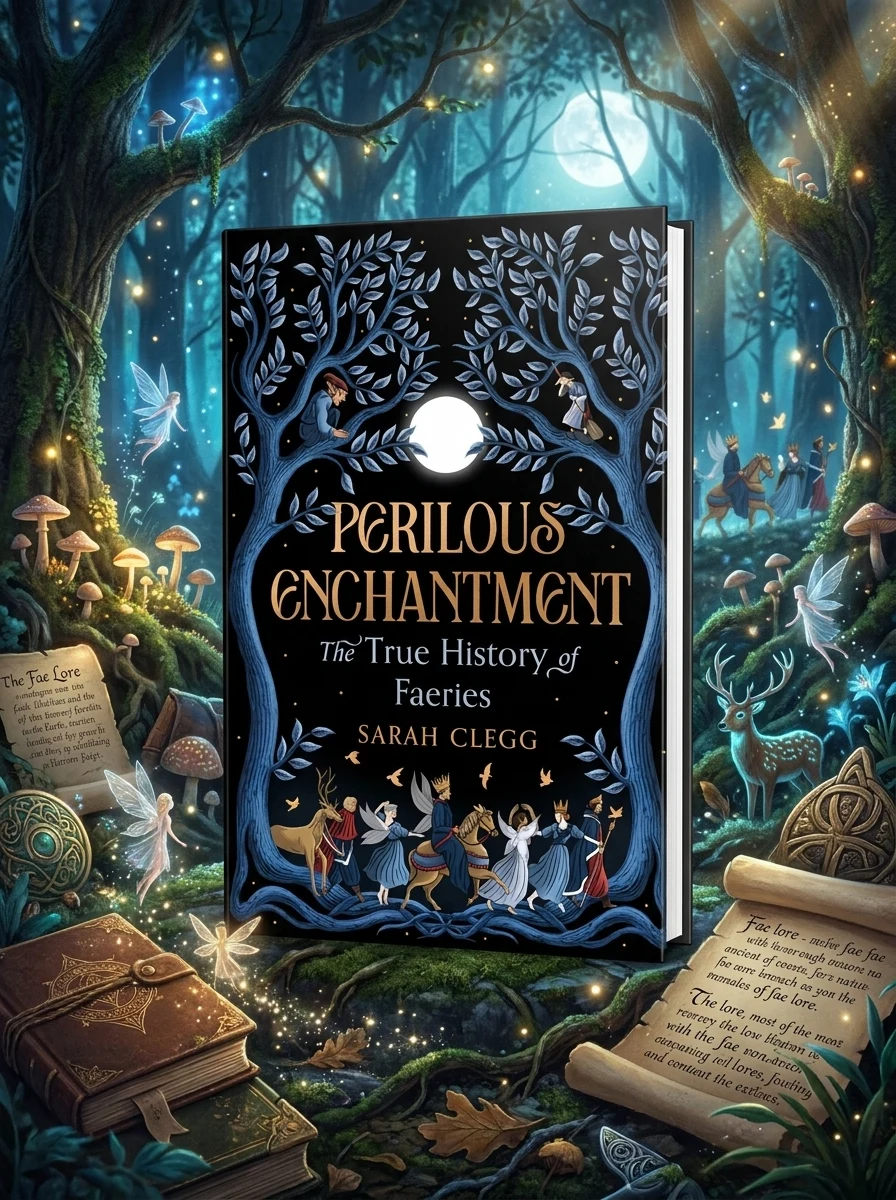
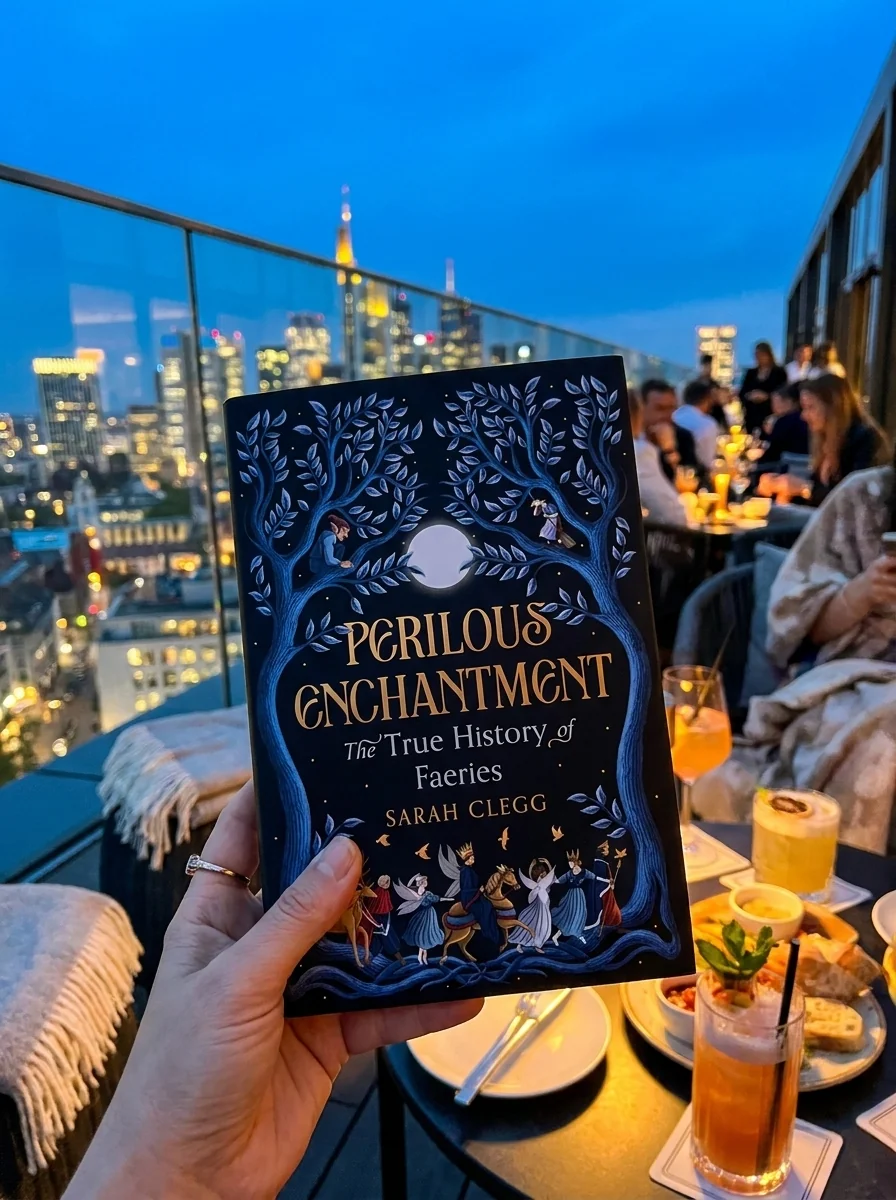
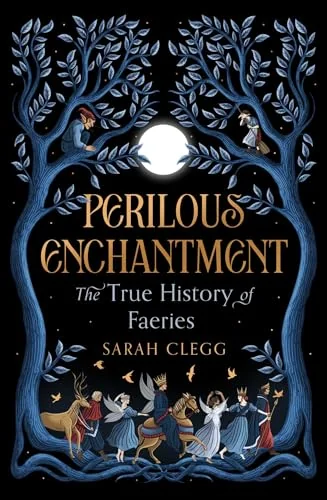
Perilous Enchantment: The True History of Faeries
Sarah Clegg, a Cambridge PhD and folklorist, offers an unparalleled cultural history of faeries, spanning ancient origins to contemporary interpretations. Eschewing simple narratives, Clegg embarks on a year-long expedition, visiting significant fae sites from Greek grottoes to Yorkshire hills and modern gatherings in Los Angeles. This compendium meticulously charts how economic, social, and technological shifts have continuously reshaped our understanding of these enigmatic beings, revealing a complex evolution from localized nature spirits to the ethereal figures of popular fantasy. It's a definitive exploration of enchantment's enduring power.


Praise for this book
“A fascinating insight into the history of the fey and the supernatural; Perilous Enchantment will enthrall you and have you checking the shadows and moonlight at the same time.”
📝 Description: Perilous Enchantment: The True History of Faeries
💎 Expert review
📖 Why choose it
Why this book is worth reading
Readers who crave a deeper, more nuanced understanding of faerie lore beyond the sanitized Disney aesthetic will find immense value here. Sarah Clegg’s academic rigor meets accessible storytelling, making this ideal for folklorists, writers seeking authentic inspiration, and spiritual practitioners interested in the historical roots of enchantment. It appeals to those willing to embark on a global journey through history, offering not just facts but a vivid sense of how these beings have shifted from terrifying nature spirits to modern fantasy icons. If you seek a comprehensive map of this elusive tradition, grounded in real sites and cultural shifts, this book provides the essential context missing from superficial guides.
⭐ Reader reviews
Reader rating
Clegg delivers a robust cultural history that prioritizes scholarly depth over whimsical escapism. This is not a grimoire or a guide to practical magic; it is a rigorous examination of how economic and social forces have reshaped faerie mythology across centuries. Consequently, readers seeking immediate ritual instructions or simple, lighthearted folklore tales may find the tone too academic or dry. However, for those who appreciate the complexity of mythological evolution and the tangible history behind enchantment, it is an indispensable resource that successfully demystifies the shifting nature of the fae without losing their inherent allure.
❓ Frequently asked questions
📖 Who should read this
If you're fascinated by the deep roots of folklore, eager to understand how myths evolve with society, and appreciate scholarship infused with adventurous spirit, this book is for you. Prepare to see the fae not just as fantasy, but as a dynamic cultural construct.
🎯 Key themes and symbolism
The Fae's Cultural Evolution
This book meticulously traces how the perception of fae has transformed across millennia. From their earliest manifestations as potent nature spirits to their roles as moralistic tricksters or even demonic entities, and finally to the whimsical figures of Victorian literature and the powerful beings of modern fantasy, Clegg reveals the profound influence of human culture on the fae narrative.
Immersive Fieldwork & Research
Clegg employs a unique, experiential approach, dedicating a month to exploring a different legendary fae location. This innovative methodology allows her to connect historical texts and folklore with the tangible landscapes that inspired them, bringing a vibrant, lived dimension to her scholarly analysis of fae lore across Europe and North America.
Beyond Romanticized Enchantment
Far from presenting a saccharine view of faeries, the book delves into their more perilous and complex aspects. It illuminates how these figures have historically embodied both wonder and danger, reflecting humanity's ambivalent relationship with the unknown and the wild, challenging simplistic, modern portrayals of the fae as merely benign or whimsical.
📜 Historical context
📚 Glossary
- Fae
- Folklore
- Compendium
📔 Questions to reflect on
- Reflect on a fae story you encountered in childhood. How does Clegg's analysis of cultural shifts make you re-evaluate its origins or deeper meanings?
- Consider a local legend or mythical creature from your own region. How might its evolution parallel or diverge from the fae's journey as described in this book?
- If you were to embark on your own 'perilous enchantment' journey, which mythical site would you visit first, and what aspect of its folklore would you hope to uncover?