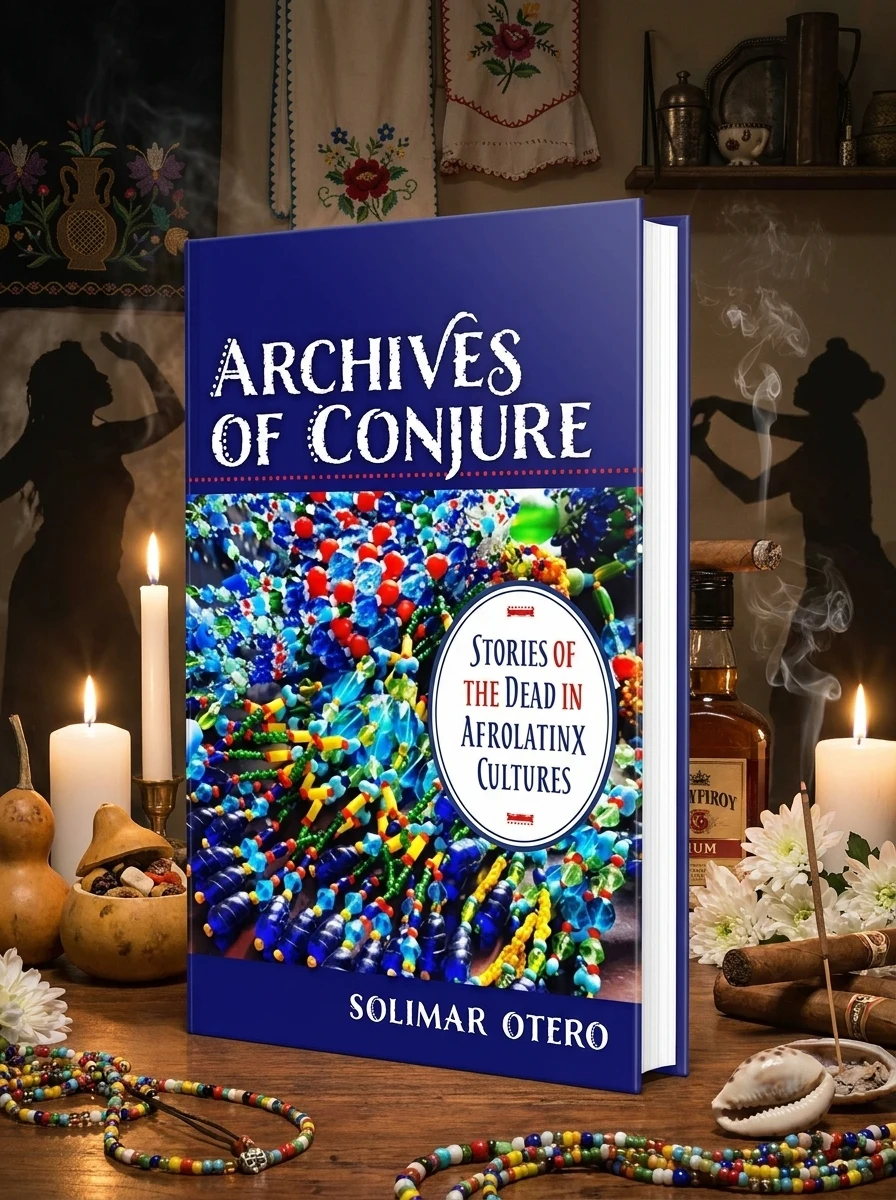
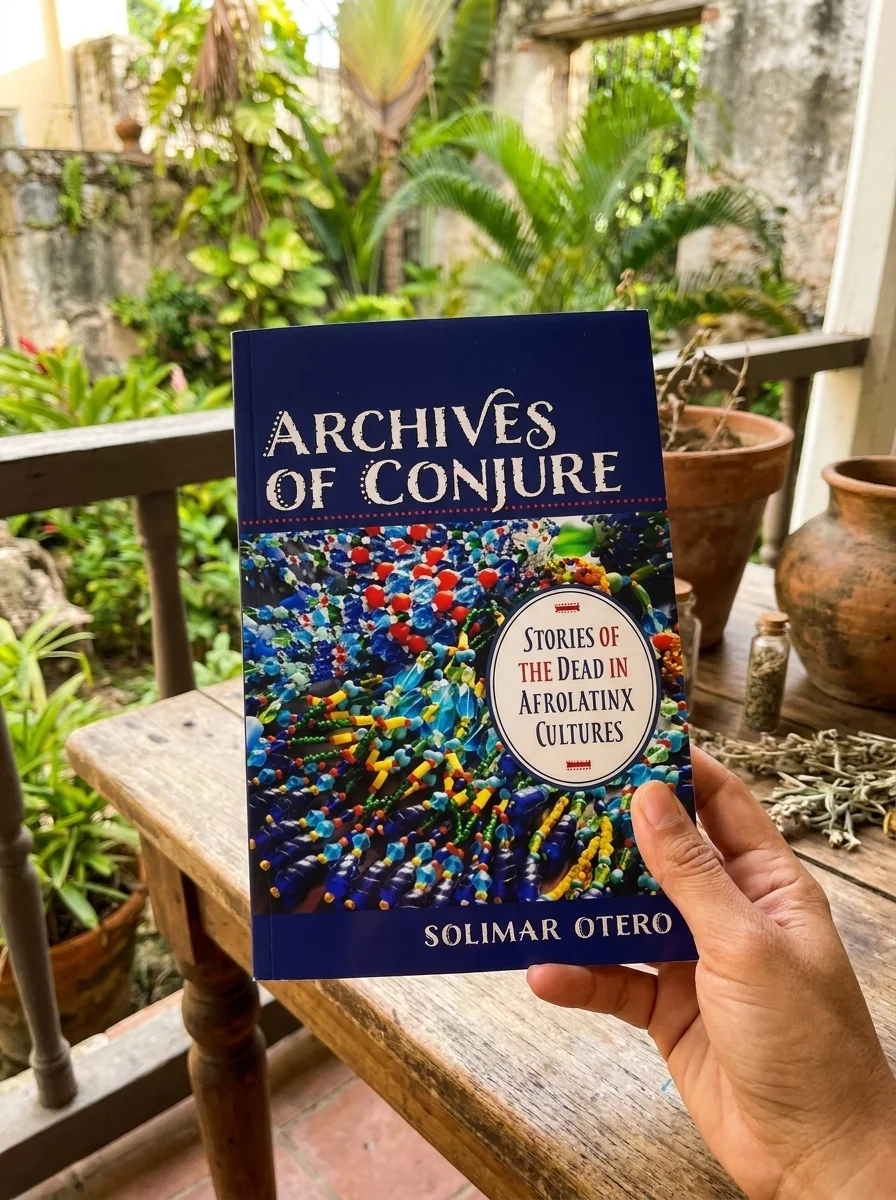
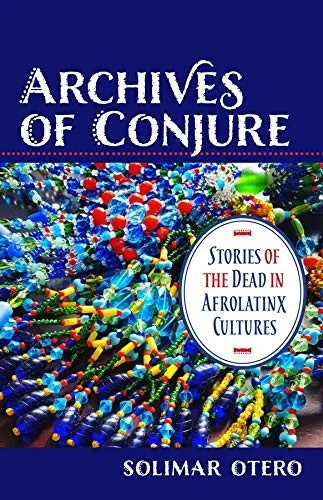
Archives of Conjure: Stories of the Dead in Afrolatinx Cultures - Ingram Academic Otero, Solimar
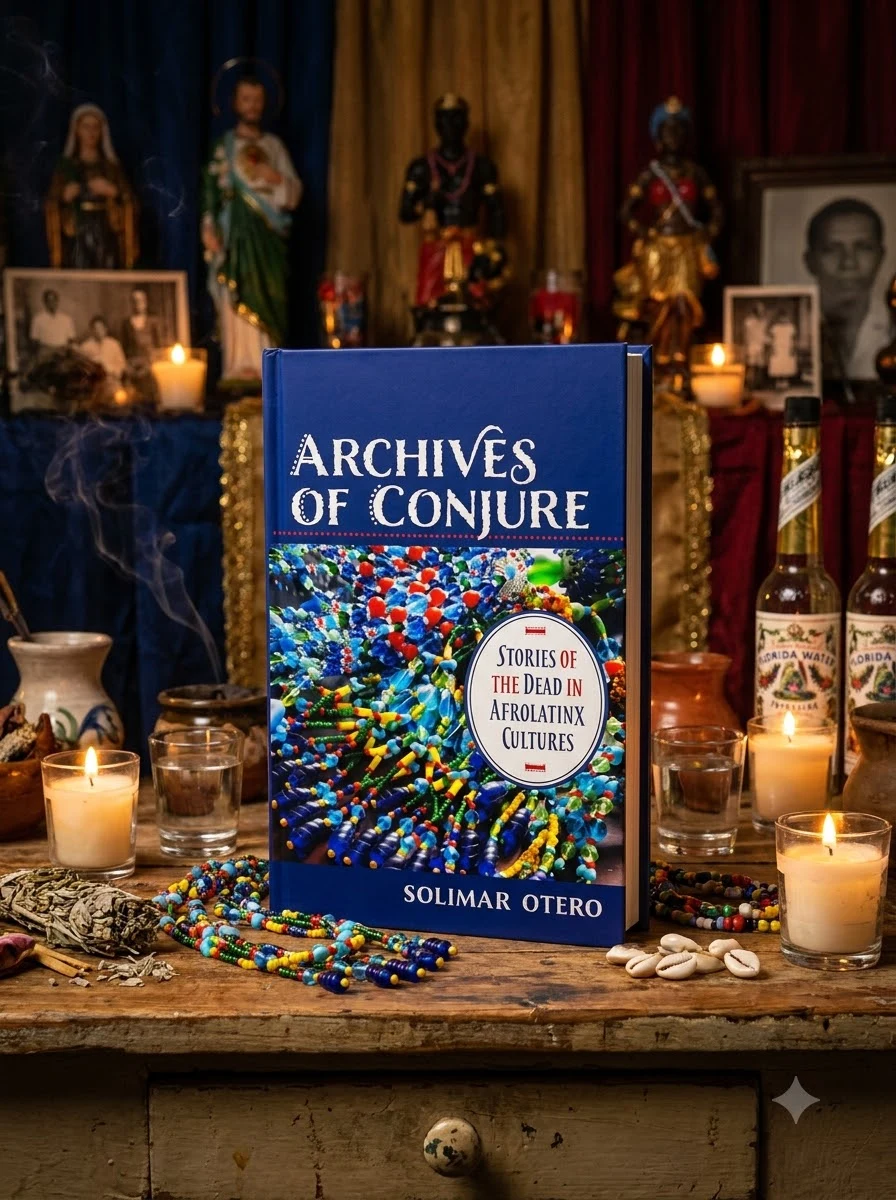
✍️ Otero, SolimarSolimar Otero unveils the profound ways ancestral spirits actively shape Afrolatinx religious traditions like Cuban Espiritismo, Puerto Rican Santería, and Brazilian Candomblé. This groundbreaking work explores how the deceased communicate through mediums, offering guidance and influencing ritual practices. Otero introduces the concept of "archives of conjure," where spiritual wisdom is co-created by the living and the dead, manifesting through material culture and ritual. She delves into how these divine and ancestral voices critically inform contemporary understandings of gender, sexuality, and race, presenting a Caribbean cross-cultural poetics that redefines historical and spiritual documentation.


📝 Description: Archives of Conjure: Stories of the Dead in Afrolatinx Cultures - Ingram Academic Otero, Solimar
💎 Expert review
📖 Why choose it
Why this book is worth reading
Scholars and practitioners deeply interested in the dynamics of Afrolatinx spiritualities will find this text invaluable. It offers a profound exploration of how ancestral voices actively shape religious traditions, moving beyond passive history to view the dead as co-creators of spiritual wisdom. Readers seeking to understand the complex interplay between gender, sexuality, and race within these faiths will appreciate the grounded analysis of material culture and ritual. This book is essential for those wishing to grasp the contemporary significance of ancestral communication and the concept of 'archives of conjure' in defining identity and community across Cuban, Puerto Rican, and Brazilian contexts.
⭐ Reader reviews
Reader rating
Otero provides a rigorous academic examination of Afrolatinx religious frameworks, offering fresh insights into how the deceased influence living ritual practices. The concept of co-created spiritual archives is intellectually stimulating for those studying anthropology or religious studies. However, this work is strictly academic and may feel dense to casual readers seeking accessible narratives or practical magical instruction. It does not suit those looking for simple devotional guides or those uninterested in theoretical discussions on race and gender within spiritual contexts. The cross-cultural poetics require serious engagement with scholarly terminology.
❓ Frequently asked questions
📖 Who should read this
For scholars of religion, cultural studies, and folklore, or spiritual seekers curious about the profound interplay between ancestry, ritual, and identity in Afrolatinx traditions, this book offers an essential, transformative perspective on how the dead continue to live and speak among us.
🎯 Key themes and symbolism
The Conjured Archive
Otero introduces a revolutionary understanding of history, proposing that "archives of conjure" are not static records but dynamic, co-produced spiritual repositories. These archives are woven into daily life through ritual, material objects, and "residual transcriptions," revealing how the past continuously reverberates and influences the present.
Identity Through Spirit
The text meticulously examines how divine and ancestral entities serve as potent forces in defining and reshaping societal understandings of gender, sexuality, and race. Through their active agency, spirits challenge conventional narratives, offering unique perspectives that are deeply embedded within the spiritual experiences of Afrolatinx communities.
📜 Historical context
📚 Glossary
- Espiritismo
- Santería
- Candomblé
📔 Questions to reflect on
- How do you perceive the role of ancestors in your own life or cultural traditions, and how might their presence be understood as a 'living archive'?
- Consider how knowledge and history are preserved and transmitted in your community outside of written documents. What forms do these 'residual transcriptions' take?
- In what ways might spiritual or non-human entities actively influence human understandings of identity, such as gender, sexuality, or race, in your own worldview or a tradition you study?