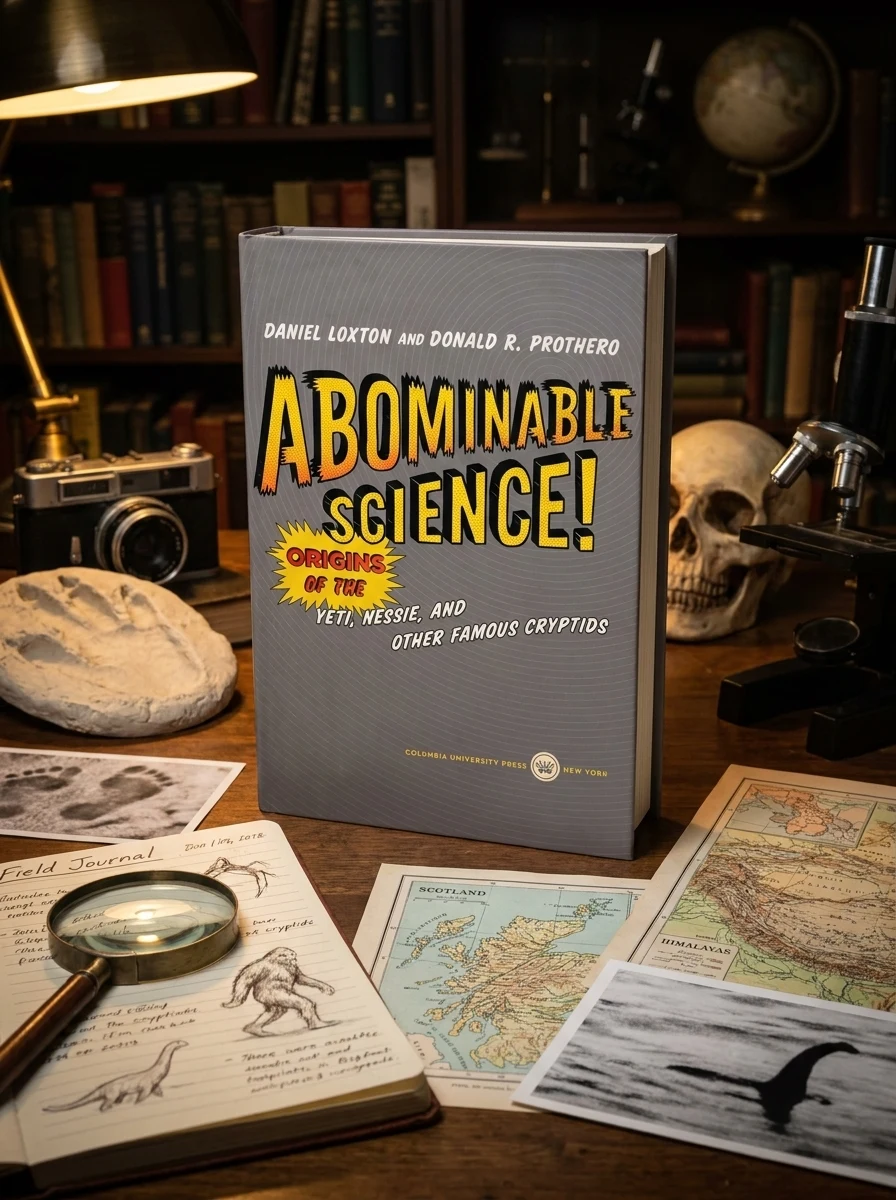
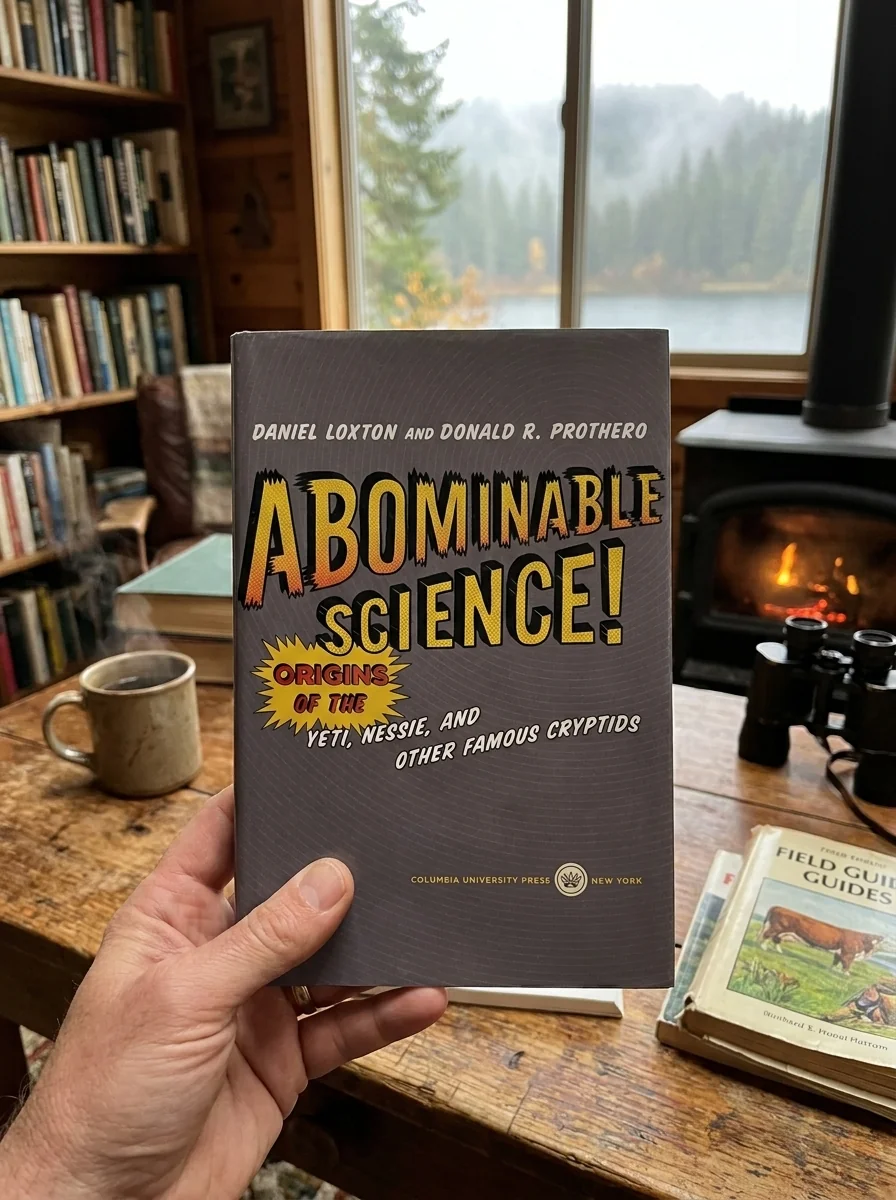
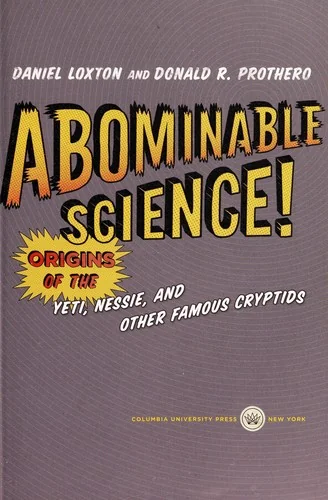
Abominable Science!: Origins of the Yeti, Nessie, and Other Famous Cryptids
Loxton and Prothero embark on a rigorous intellectual journey, dissecting the pervasive allure of creatures like Bigfoot, the Yeti, and the Loch Ness Monster. This definitive text meticulously examines the arguments both for and against their existence, systematically exposing the pseudoscientific underpinnings that often fuel these mythologies. Beyond individual cryptids, the authors delve into the fundamental differences between genuine scientific inquiry and speculative belief, offering a comprehensive, critical perspective on humanity's fascination with the unexplained.


📝 Description: Abominable Science!: Origins of the Yeti, Nessie, and Other Famous Cryptids
💎 Expert review
📖 Why choose it
Why this book is worth reading
Readers who crave intellectual rigor over comforting myths will find profound satisfaction in this text. It is ideal for those fascinated by the psychology behind legendary creatures like Bigfoot and Nessie, offering a clear-eyed look at why humanity clings to these stories. If you enjoy dissecting the boundary between genuine scientific inquiry and speculative belief, this book provides a necessary, critical perspective. It appeals to skeptics and rationalists alike who wish to understand the origins of cryptozoology without accepting its premises. The authors meticulously expose the pseudoscientific underpinnings fueling these mythologies, making it essential for anyone seeking truth over fantasy in the realm of the unexplained.
⭐ Reader reviews
Reader rating
Loxton and Prothero deliver a meticulous dissection of cryptozoology’s most enduring mysteries, systematically exposing the pseudoscientific foundations that sustain legends like the Yeti. This text is a triumph of critical analysis, clearly delineating the difference between evidence-based inquiry and speculative belief. However, it does NOT suit readers seeking validation for their faith in cryptids or those expecting an adventurous, narrative-driven exploration of these creatures. It is too academic and dismissive for believers. Only those willing to confront hard facts about the origins of these myths will appreciate its value as a definitive, corrective text.
❓ Frequently asked questions
📖 Who should read this
If you're drawn to the enigmatic but value empirical evidence, this book is for you. It's a vital read for anyone seeking to understand the allure of mythical beasts through a discerning lens, challenging popular narratives with scientific rigor.
🎯 Key themes and symbolism
Science vs. Pseudoscience
This book explores how genuine scientific methodology contrasts sharply with the often-unverifiable claims of cryptozoology. It illuminates the intellectual frameworks that distinguish rigorous, evidence-based inquiry from wishful thinking, providing readers with essential tools to critically evaluate extraordinary claims and understand scientific integrity.
Cryptid Case Studies
The authors delve into specific, popular cryptids such as the Abominable Snowman, the Loch Ness Monster, and Bigfoot. Each case is dissected with historical context, anecdotal evidence, and scientific scrutiny, revealing the complex narratives that shape our collective imagination and persistent belief in these elusive creatures.
Psychology of Belief
Beyond the creatures themselves, this work investigates the human inclination to believe in paranormal phenomena. It unpacks the societal and individual factors that contribute to the enduring appeal of cryptids, examining how these compelling stories persist despite a conspicuous lack of empirical evidence for their existence.
📜 Historical context
📚 Glossary
- Cryptozoology
- Pseudoscience
- Cryptid
📔 Questions to reflect on
- Reflect on a time you encountered something seemingly unexplainable. How did you personally reconcile the experience with logic or scientific understanding?
- Consider a local legend or cryptid from your own culture. What societal or psychological needs might such a story fulfill for its believers?
- How do you distinguish between genuine scientific investigation and pseudoscientific claims in your daily life? What criteria do you apply?