Genesis is not a simple creation story. For centuries, esoteric practitioners, Kabbalists, and alternative historians have recognized that the first book of the Bible encodes profound teachings about consciousness, cosmology, and human origins—teachings that vanish the moment you read it literally. The question "What are genesis books?" usually means one of two things: books that interpret Genesis esoterically, or books that explore the origins of human civilization through a mystical lens.
The demand for Genesis books reflects a real hunger. Mainstream religious education treats the text as history or allegory. Esoteric readers know better. They sense that Genesis preserves an ancient science—a code, a map, a warning. The books in this guide fall into several overlapping traditions: Qabalistic interpretation, extraterrestrial intervention theory, sacred geometry, and alternative archaeology. Each offers a different key to the same locked door.
If you're tired of Sunday school answers and ready to work with the text as a living grimoire of consciousness, start here.
Qabalistic and Mystical Decoding of Genesis
The Kabbalah treats Genesis as a mathematical and linguistic code. Every letter, number, and word order carries meaning. These books teach you to read Genesis the way medieval Jewish mystics did—not as narrative, but as a map of creation itself.
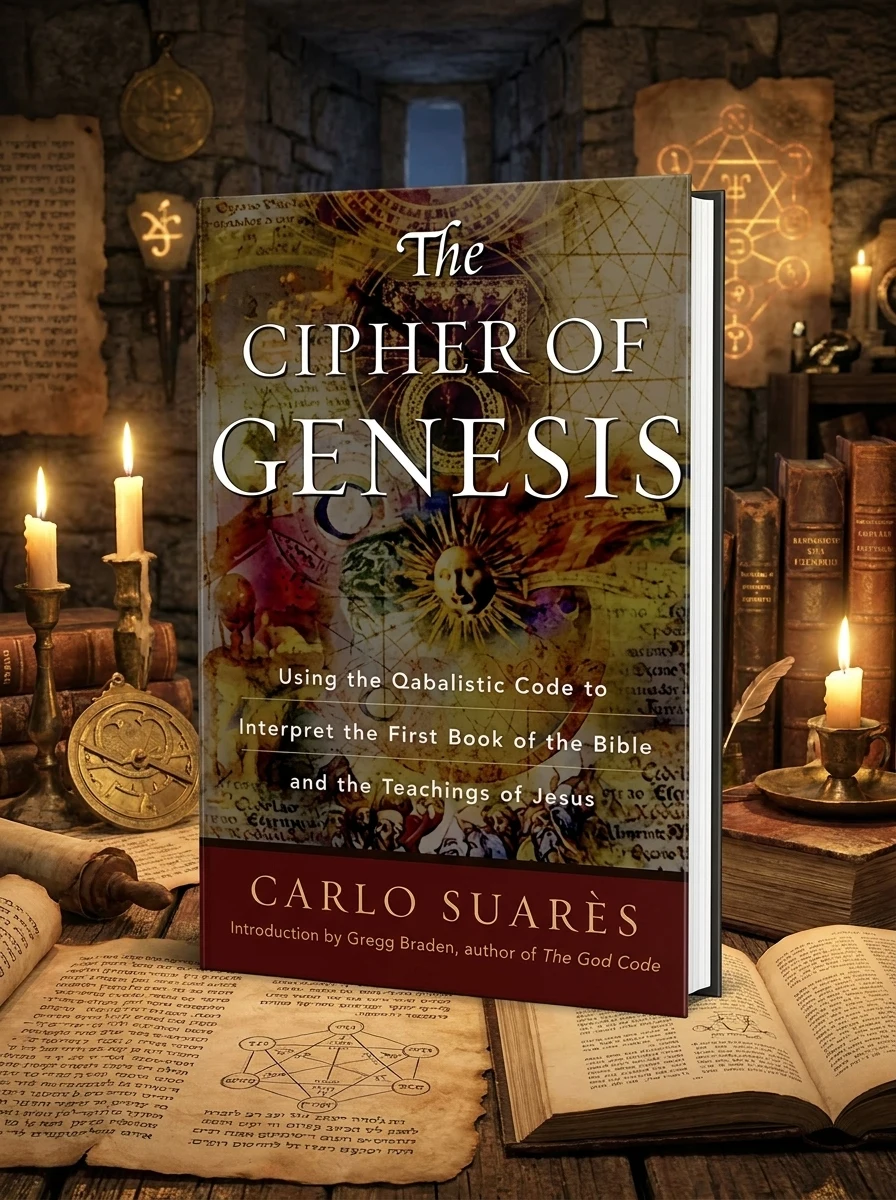
1. Cipher of Genesis: Using the Qabalistic Code to Interpret the First Book of the Bible and the Teachings of Jesus — Carlos Suares
Suares is the master of Qabalistic numerology applied to scripture. This book decodes Genesis word by word, revealing how the Hebrew alphabet itself encodes the structure of consciousness and creation. If you've ever wondered why Kabbalists insist that every letter matters, this book proves it. Suares shows that Genesis is not about what happened, but about how consciousness unfolds. The tone is rigorous and demanding—this is not light reading—but the payoff is genuine insight into why esoteric traditions treat the text as a science. Best for readers with some Kabbalah background or serious commitment to learning it.
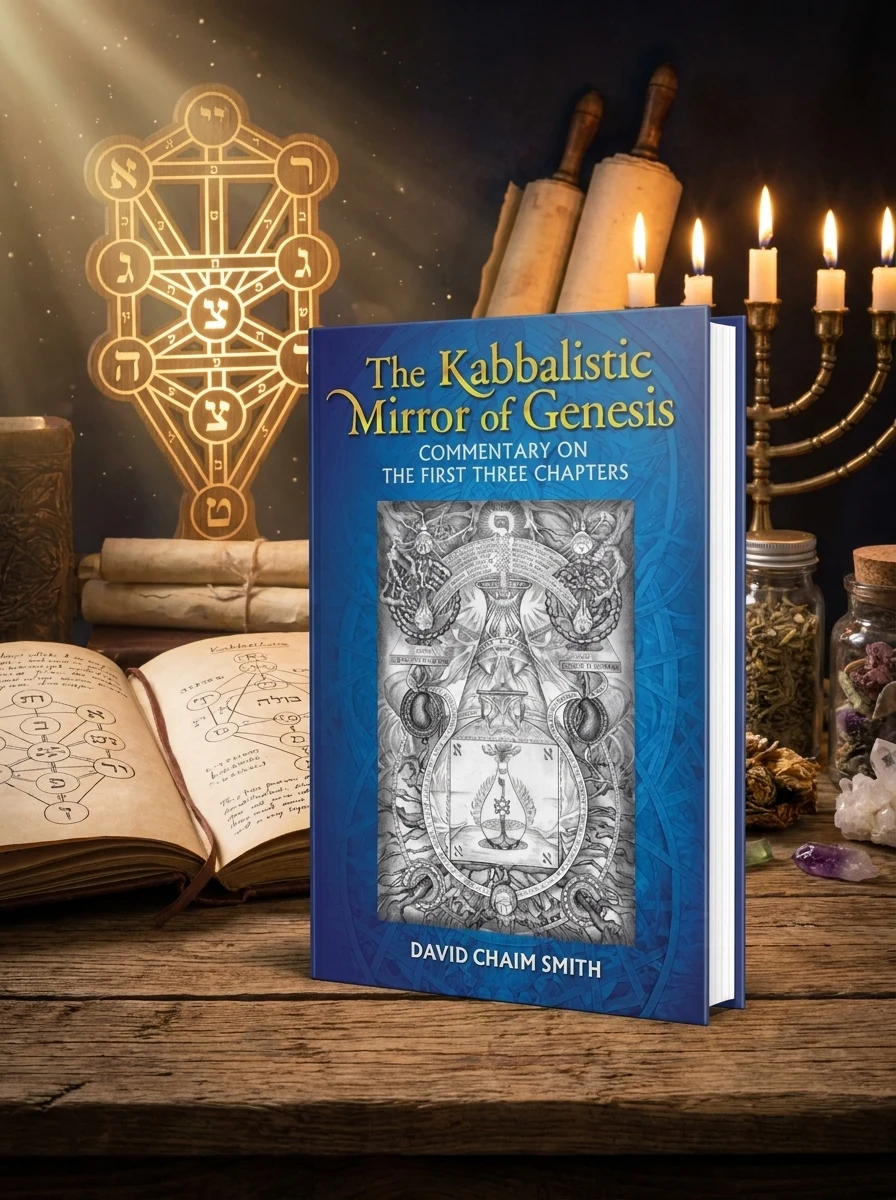
2. The Kabbalistic Mirror of Genesis: Commentary on the First Three Chapters — David Chaim Smith
Smith offers a more accessible entry into Qabalistic Genesis interpretation. His commentary treats the first three chapters as a mirror—each verse reflects deeper layers of meaning about the nature of being, creation, and the human soul. The writing is contemplative rather than mathematical, making it suitable for readers who want mystical depth without drowning in numerology. Smith's approach honors the Jewish mystical tradition while remaining open to Western esoteric readers.
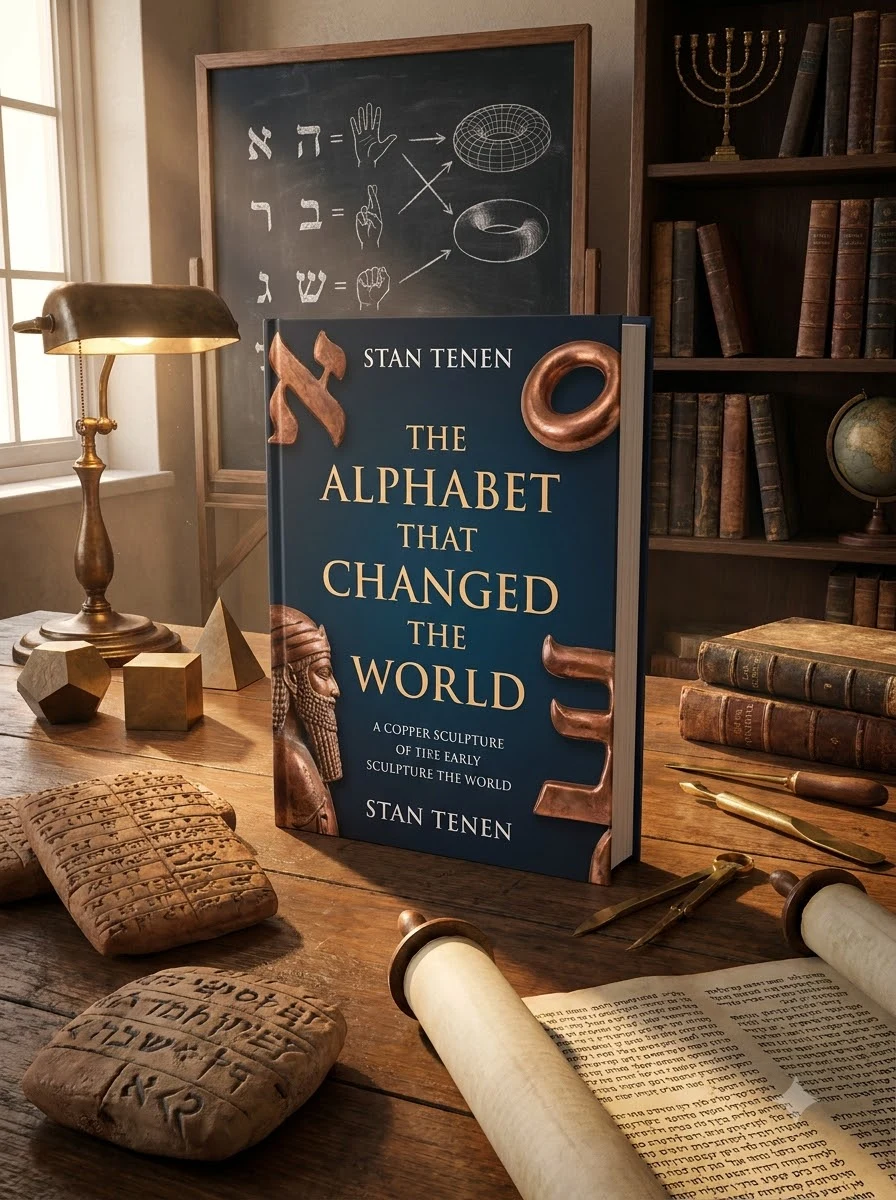
3. The Alphabet That Changed the World: How Genesis Preserves a Science of Consciousness in Geometry and Gesture — Stan Tenen and Charles Stein
Tenen argues that the Hebrew letters in Genesis encode a three-dimensional geometric form—a map of consciousness itself. This book bridges Kabbalah, sacred geometry, and cognitive science. It's visually and intellectually rich, appealing to readers who think in images and patterns as much as words. The claim is bold: Genesis preserves an ancient science of mind encoded in alphabet and gesture. Whether you accept the thesis entirely, the book opens new ways of seeing the text.
Ancient Origins and the Extraterrestrial Genesis
A major current in Genesis esotericism asks: What if the creation story describes real events, but not as we've been taught? What if "God" was a being or beings with advanced knowledge? What if Genesis preserves a memory of human engineering by non-human intelligence? These books take that question seriously.
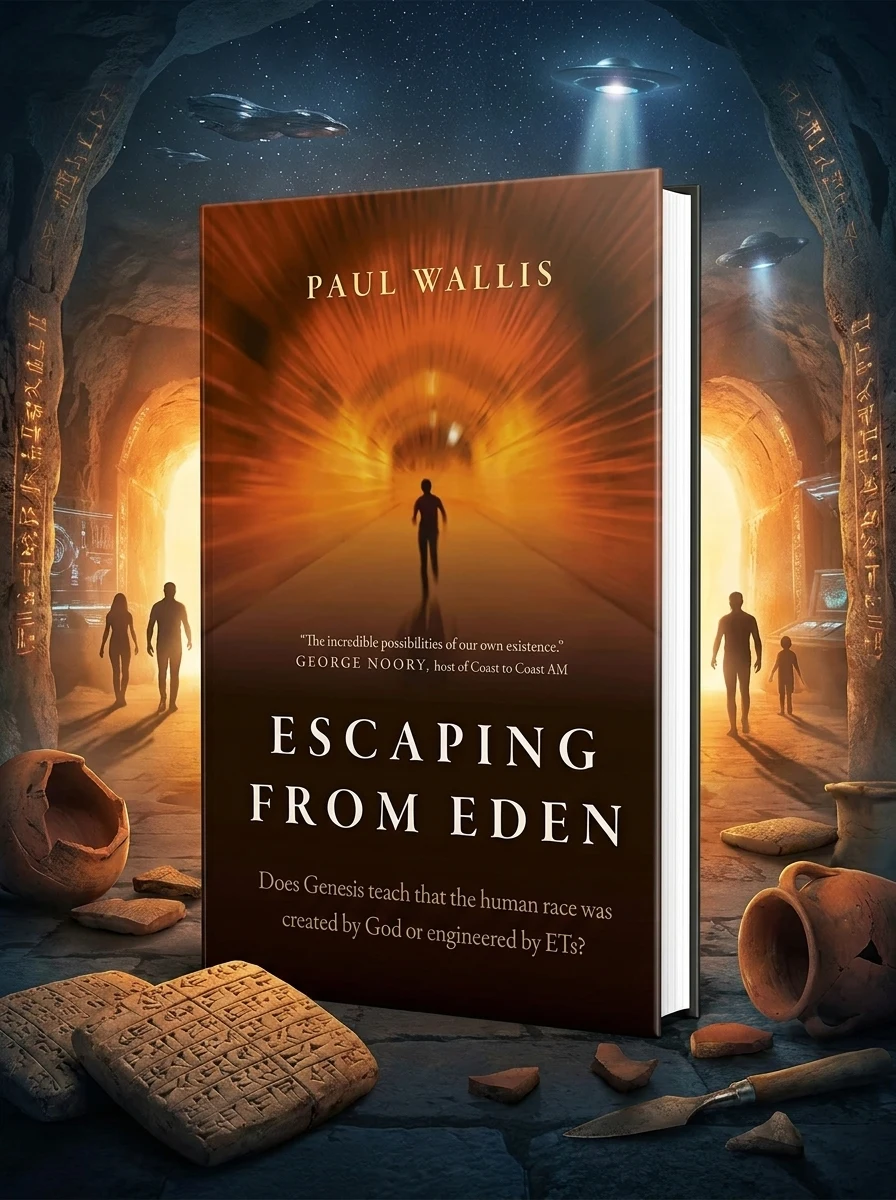
4. Escaping from Eden: Does Genesis Teach That the Human Race Was Created by God or Engineered by ETs? — Paul Wallis
Wallis reads Genesis as a historical account of extraterrestrial contact and genetic engineering. His approach is scholarly and respectful to the text—he's not mocking scripture, but asking what it actually says if you remove theological overlay. The book is under $20 and highly readable, making it an excellent entry point for readers curious about ancient astronaut theory without the sensationalism. Wallis shows how Genesis language aligns with Sumerian and other ancient accounts of sky beings.
5. Genesis Revisited — Zecharia Sitchin
Sitchin's work is foundational to modern alternative Genesis interpretation. He argues that the Anunnaki—beings from a planet in our solar system—created humanity as a labor force. Genesis Revisited applies this framework specifically to the biblical text, showing parallels with Sumerian mythology. Sitchin's scholarship is contested, but his influence on esoteric thought is undeniable. This book is under $15 and remains the most widely read introduction to extraterrestrial Genesis theory.
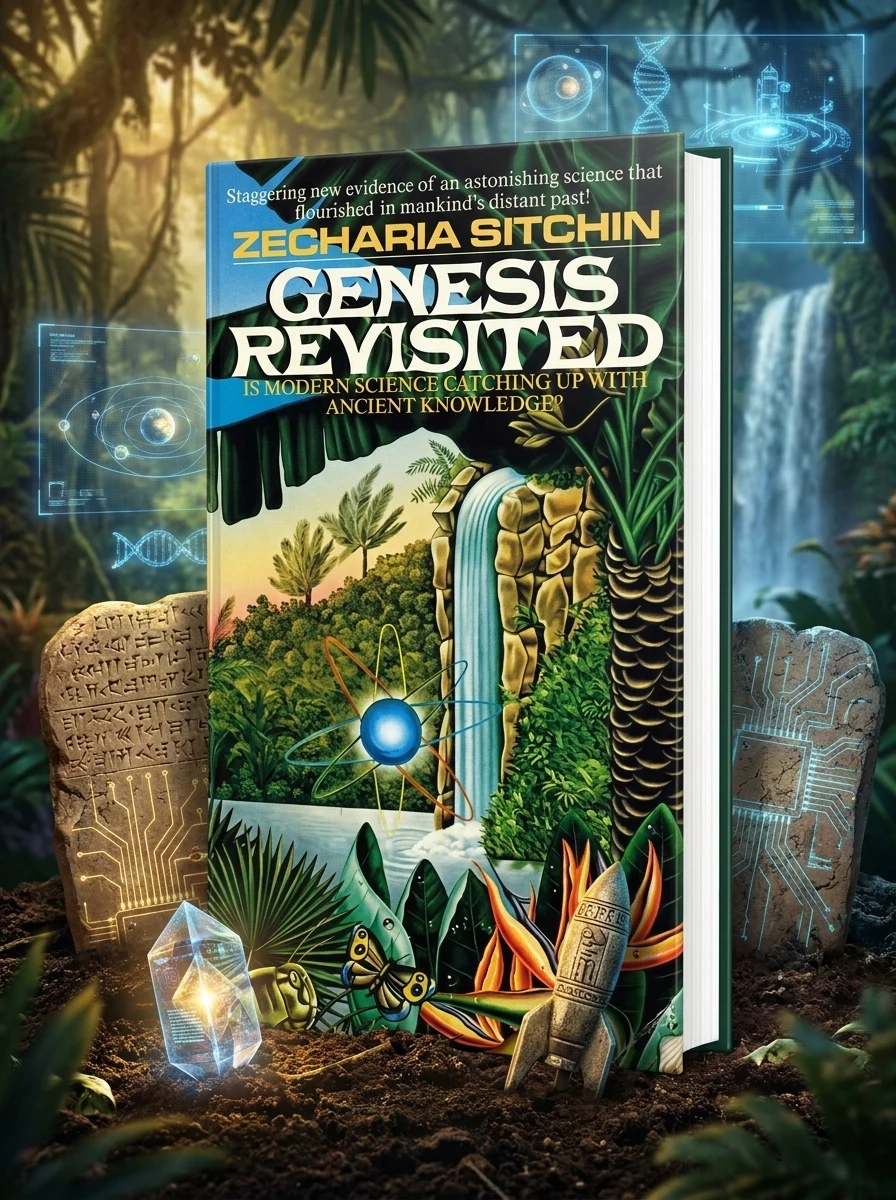
6. Genesis Revisited: Is Modern Science Catching Up with Ancient Knowledge? — Zecharia Sitchin
A companion to the above, this volume focuses on how contemporary science (genetics, archaeology, cosmology) aligns with what ancient texts claim. Sitchin bridges mythology and modern discovery, arguing that Genesis and other ancient sources preserve real knowledge about human origins. Under $25, it's a natural follow-up for readers convinced by the first Genesis Revisited.
7. The Genesis Race: Our Extraterrestrial DNA and the True Origins of the Species — Will Hart
Hart takes the extraterrestrial hypothesis further, examining genetic evidence and evolutionary anomalies. He argues that human consciousness and certain physical traits cannot be explained by conventional evolution—that Genesis preserves a true account of genetic intervention. The book is under $20 and offers a more scientifically grounded version of the ancient astronaut argument than some alternatives.
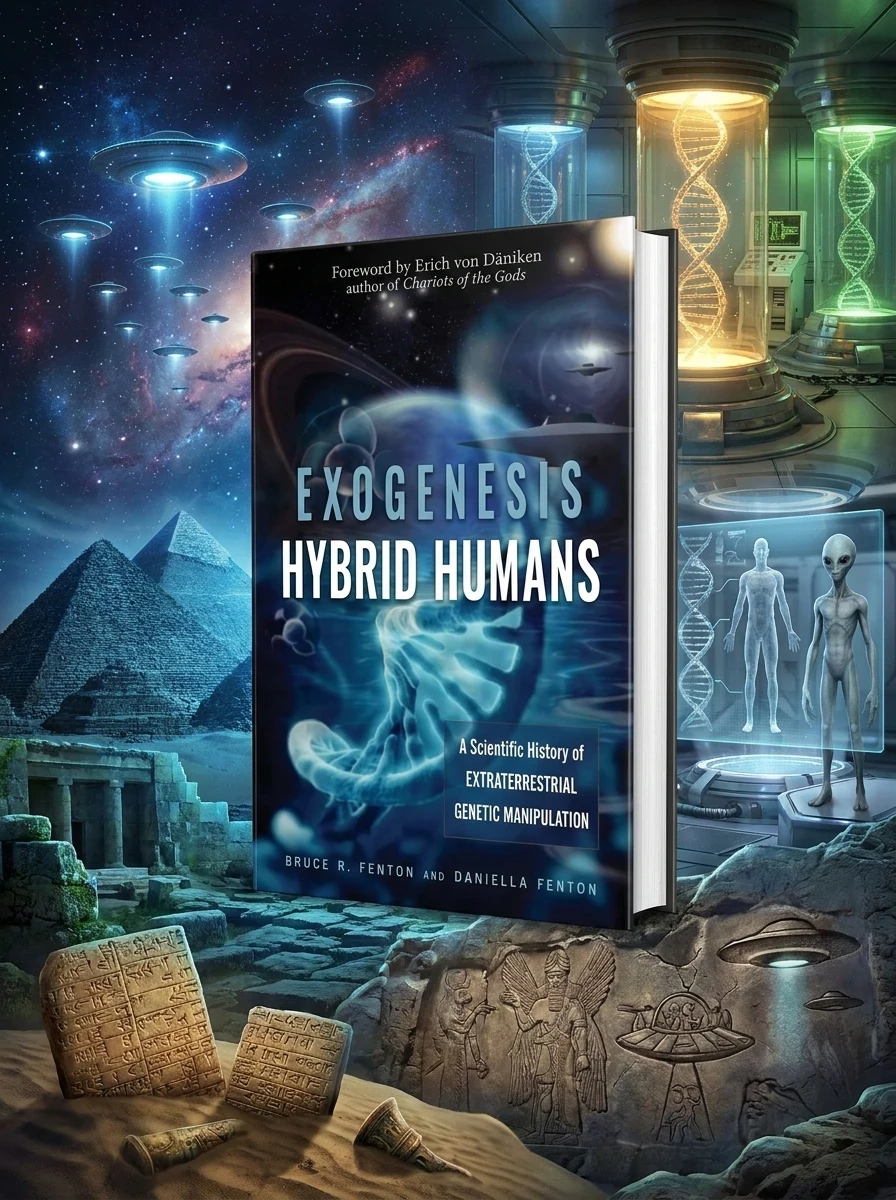
8. Exogenesis: Hybrid Humans: A Scientific History of Extraterrestrial Genetic Manipulation — Bruce R. Fenton, Daniella Fenton, and Erich von Däniken
This is a comprehensive survey of the hybrid human theory across multiple ancient traditions. The authors argue that Genesis describes one chapter in a much longer history of extraterrestrial breeding programs. The book is under $20 and well-organized, making it useful as both introduction and reference. Von Däniken's involvement lends credibility within alternative archaeology circles.
9. From Mars to Eden: Aliens, Fallen Angels, and Genesis — Michael D. Fortner
Fortner synthesizes extraterrestrial theory with Christian angelology, arguing that Genesis describes a conflict between different non-human intelligences competing for control of Earth. This book bridges the gap between esoteric and religious frameworks, appealing to readers who want to honor both traditions. Under $25, it offers a unique angle on Genesis origins.
Sacred Geometry, Cosmology, and the Genesis of Creation
These books treat Genesis as a cosmological text—a map of how the universe itself is structured. They emphasize sacred geometry, number, and the principles of creation that underlie physical reality.
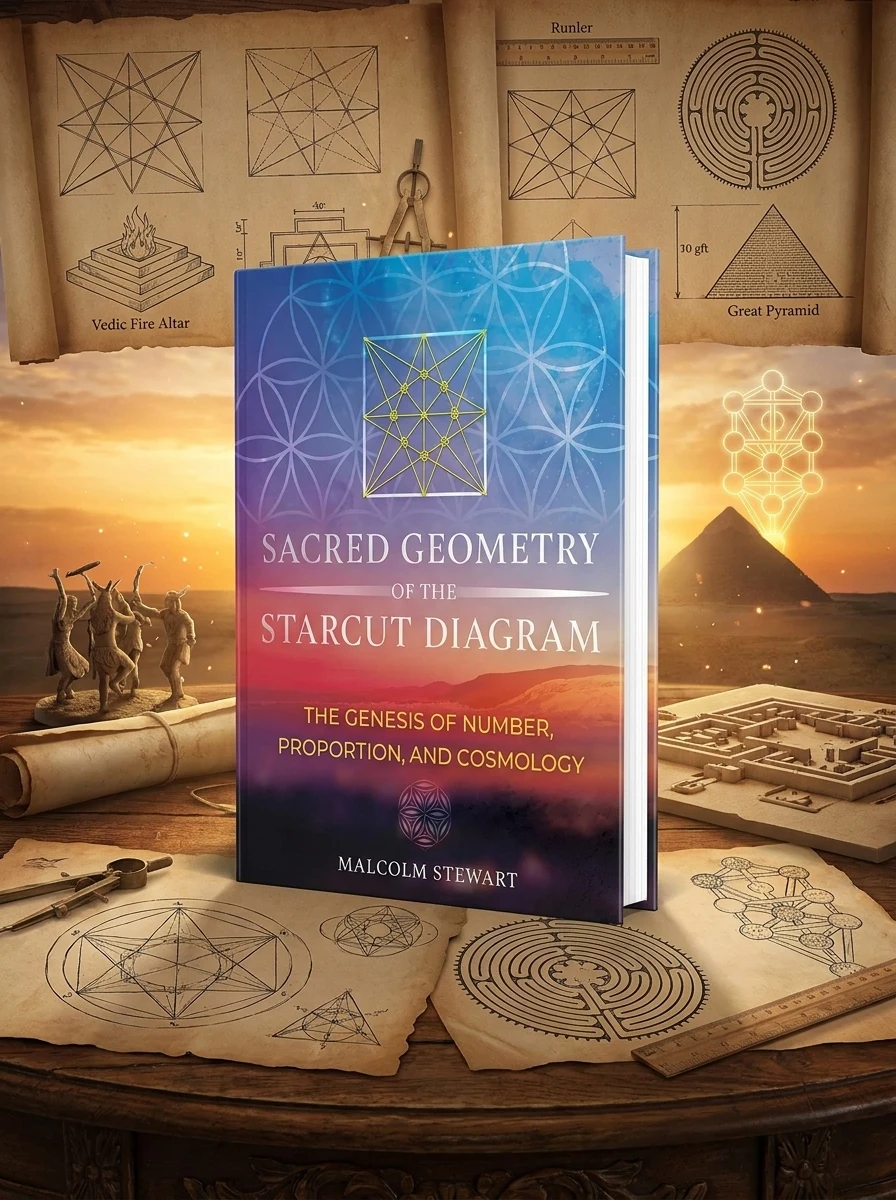
10. Sacred Geometry of the Starcut Diagram: The Genesis of Number, Proportion, and Cosmology — Malcolm Stewart
Stewart argues that ancient peoples understood geometry as a living science—a way of reading the mind of creation. This book shows how Genesis encodes geometric principles that govern everything from atoms to galaxies. It's intellectually demanding and visually rich, best suited for readers with interest in both sacred geometry and cosmology. The price is higher (around $35), but the scope is comprehensive.
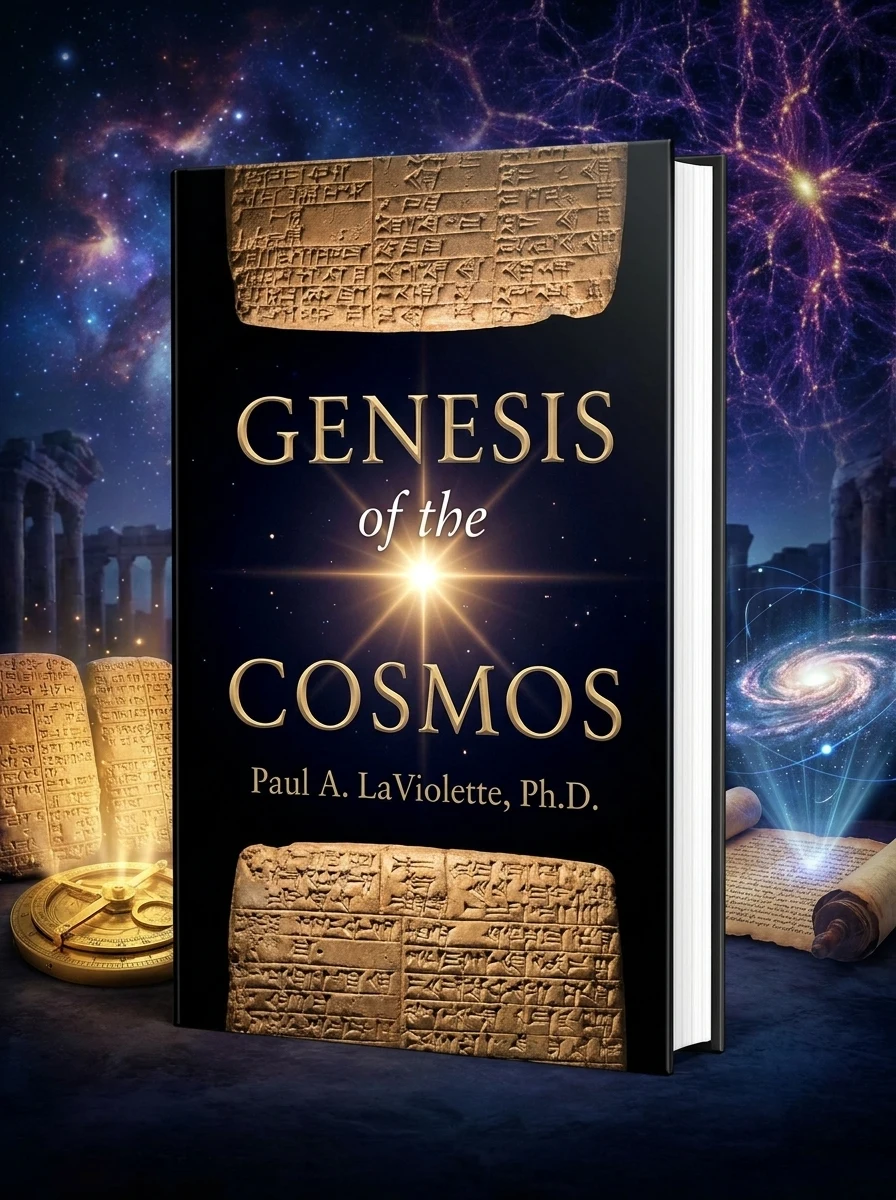
11. Genesis of the Cosmos: The Ancient Science of Continuous Creation — Paul A. LaViolette
LaViolette proposes that ancient traditions, including Genesis, preserved knowledge of continuous creation—the idea that the universe is not a one-time event but an ongoing process. He argues this aligns with cutting-edge physics. The book is under $25 and appeals to readers interested in the intersection of ancient wisdom and modern science. LaViolette's tone is serious and evidence-based.
12. Psychogenesis: Everything Begins in Mind — Jack Ensign Addington
Addington treats Genesis as a text about consciousness itself—the genesis of mind and reality. His approach is metaphysical and practical, offering techniques for understanding how consciousness creates form. Under $15, this book is accessible and action-oriented, appealing to readers who want to apply Genesis teachings to their own spiritual practice rather than just study them historically.
Alternative Archaeology and the Genesis of Civilization
These books argue that Genesis preserves memories of real historical events and places—that the text is a guide to lost civilizations and suppressed history. They combine archaeology, mythology, and esoteric interpretation.
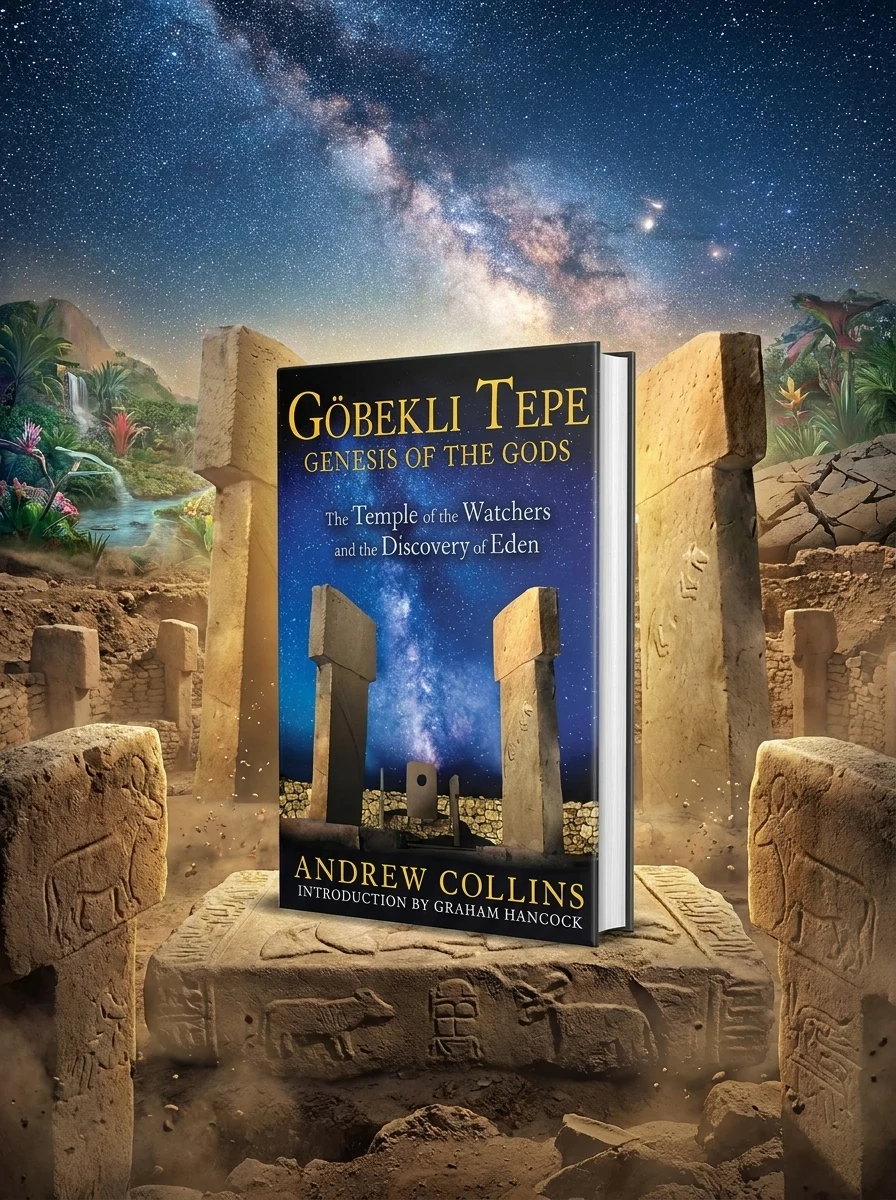
13. Gobekli Tepe: Genesis of the Gods: The Temple of the Watchers and the Discovery of Eden — Andrew Collins
Collins connects the archaeological site of Gobekli Tepe in Turkey to the Genesis account of Eden and the Watchers. He argues that this 11,000-year-old temple complex represents the actual location and civilization described in Genesis. The book is under $25, well-researched, and visually engaging. Collins is a respected alternative archaeologist, and this work represents serious scholarship outside the mainstream.
14. Denisovan Origins: Hybrid Humans, Göbekli Tepe, and the Genesis of the Giants of Ancient America — Andrew Collins and Gregory L. Little
Collins and Little extend the Gobekli Tepe thesis, arguing that an ancient hybrid human species (Denisovans) left traces across multiple continents and that Genesis preserves memories of these beings. The book connects Old World archaeology to American prehistory, offering a global perspective on human origins. Under $25, it's ambitious in scope and appeals to readers interested in alternative human history.
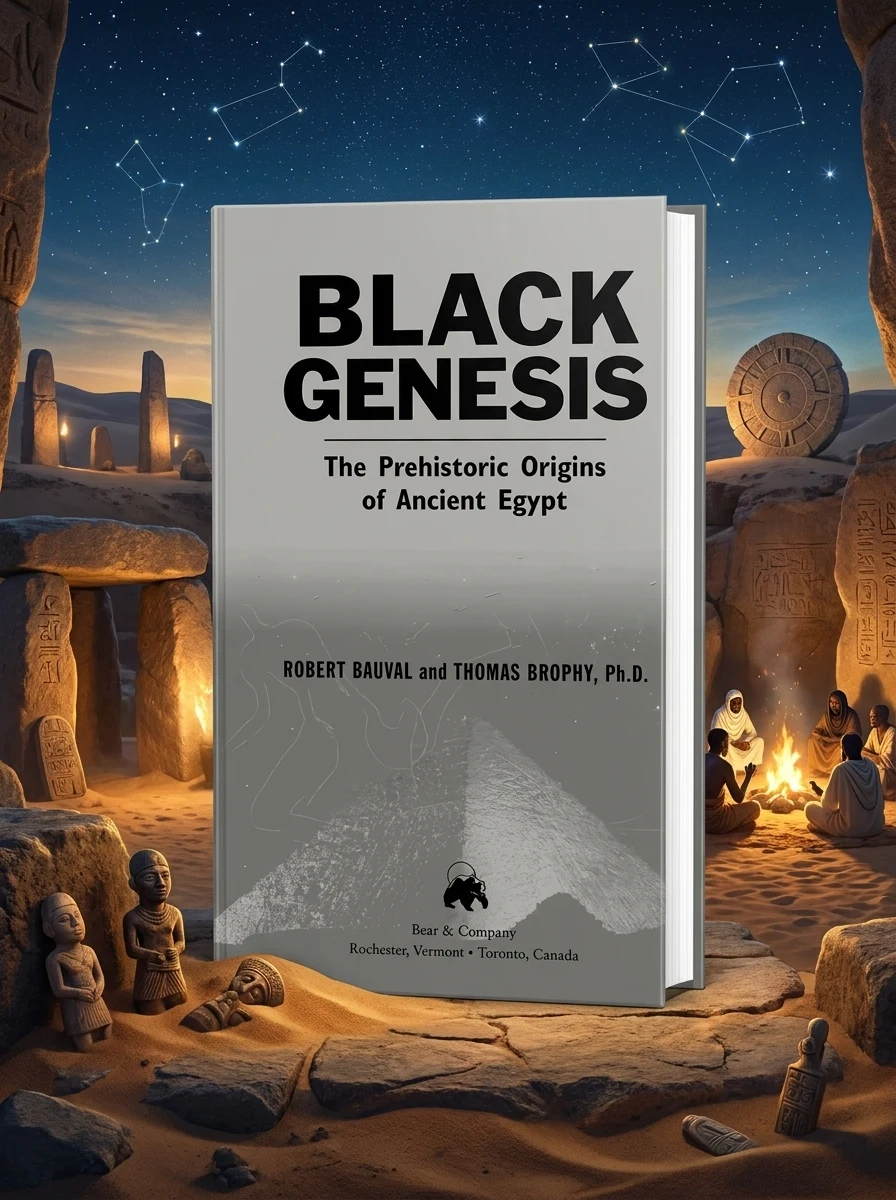
15. Black Genesis: The Prehistoric Origins of Ancient Egypt — Robert Bauval and Thomas Brophy
Bauval and Brophy argue that Egyptian civilization has much deeper roots than conventional archaeology admits, and that Genesis may preserve memories of pre-dynastic African cultures. The book challenges Eurocentric narratives of human development. Under $20, it offers a corrective to mainstream Egyptology and appeals to readers seeking more inclusive alternative history.
16. Gods of Eden: Egypt's Lost Legacy and the Genesis of Civilization — Andrew Collins
Collins examines how Egyptian mythology and Genesis share common sources—ancient knowledge about the origins of human civilization. He argues that both texts preserve memories of advanced pre-historical cultures. Under $25, this book is accessible and visually rich, making it suitable for readers new to alternative Egyptology.
Occult, Magickal, and Artistic Genesis
Not all Genesis books are about history or cosmology. Some treat Genesis as a grimoire—a text of power and transformation. Others examine how Genesis has inspired occult and artistic movements.
17. Thee Psychick Bible: Thee Apocryphal Scriptures Ov Genesis Breyer P-Orridge and Thee Third Mind Ov Thee Temple Ov Psychick Youth — Genesis Breyer P-Orridge
This is a radical, avant-garde text. P-Orridge (whose first name is Genesis) created a "psychick scripture" blending chaos magic, performance art, and counter-cultural spirituality. The book is visually striking and intellectually challenging, best for readers drawn to the fringes of occultism and interested in how Genesis has inspired contemporary magical practice. Around $30, it's an investment, but unique.
18. Codex Regenesis: Five Fables of Magick Misused — H.M. Batsel
Batsel presents Genesis-inspired magical fables in an antique, beautifully designed volume. The book treats Genesis themes—creation, fall, transformation—through the lens of magical practice and its consequences. Around $35, it's a collector's item and a meditation on how power can be misused. Best for readers who appreciate beauty and craft in occult literature.
19. A Science for the Soul: Occultism and the Genesis of the German Modern — Corinna Treitel
Treitel examines how occult movements in early 20th-century Germany drew on Genesis and other esoteric texts to reimagine spirituality and society. This is scholarly history, not a how-to guide, but it reveals how Genesis has functioned as a source of power in modern occultism. Around $50, it's for serious readers interested in the history of esotericism and its social impact.
Hidden and Forgotten Genesis
These books argue that mainstream versions of Genesis have been edited, mistranslated, or suppressed—that the "real" Genesis has been lost or hidden.
20. Forgotten Genesis — Radu Cinamar
Cinamar claims to have access to hidden knowledge about human origins and the true Genesis narrative. The book is presented as recovered esoteric teaching, blending alternative history with mystical philosophy. Under $30, it appeals to readers who believe mainstream accounts are incomplete and who are open to channeled or recovered wisdom traditions.
How to Choose Your Genesis Book
The Genesis books in this guide fall into five traditions, and your choice depends on what you're seeking.
If you want to decode Genesis as a mystical text: Start with The Kabbalistic Mirror of Genesis for contemplative depth, or Cipher of Genesis for rigorous numerology. The Alphabet That Changed the World bridges geometry and consciousness.
If you're curious about extraterrestrial origins: Begin with Escaping from Eden for a balanced introduction, then move to Genesis Revisited by Sitchin for the foundational theory. Exogenesis offers broader context across multiple traditions.
If you're drawn to sacred geometry and cosmology: Genesis of the Cosmos connects ancient wisdom to modern physics. Sacred Geometry of the Starcut Diagram is more visually and mathematically intensive.
If you believe Genesis preserves real history: Gobekli Tepe: Genesis of the Gods connects archaeology to the text. Black Genesis offers an African-centered alternative history.
If you want to work with Genesis as a living magical text: Psychogenesis offers practical techniques. Thee Psychick Bible is for readers ready to go far beyond convention.
Most readers benefit from starting with one tradition, then branching out. The Qabalistic books teach you to read the text itself. The extraterrestrial and archaeological books teach you to question the narrative. The geometric and cosmological books teach you to see the principles underlying creation. Together, they reveal why Genesis remains the most interpreted, most contested, and most powerful text in Western esotericism.