Studying the mythology of ancient Egypt is rarely a purely academic exercise. For most of us, it is an attempt to reconnect with a spiritual technology that viewed the world not as a collection of matter, but as a living network of divine energies. The challenge for the modern seeker is that the available literature is often split between dry, archaeological texts and overly modernized interpretations that strip away the actual grit and power of the original rites.
To truly understand the Egyptian worldview, one must look at the intersection of mythology, ritual, and magic. In the Egyptian mind, there was no distinction between 'religion' and 'magic'; there was only Heka—the primordial force that allowed the gods to create the universe and humans to maintain Ma'at (balance). Whether you are looking for a comprehensive guide to the deities or a rigorous manual on historical ritual, the right book acts as a key to a locked door.
We have curated this list to move you from the broad overview of the pantheon into the specific, often daunting, depths of the funerary texts and the active practice of Kemetic spirituality. To study these texts is to engage with a system of thought that prioritizes the eternal over the ephemeral and the symbolic over the literal.
Foundations of the Egyptian Pantheon
Before attempting to work with the texts, one needs a map of the divine landscape. The Egyptian gods are not static characters in a story; they are archetypes of cosmic functions that can overlap and merge. Understanding the nature of the Neteru—the divine principles—is the first step in any serious study of this tradition.
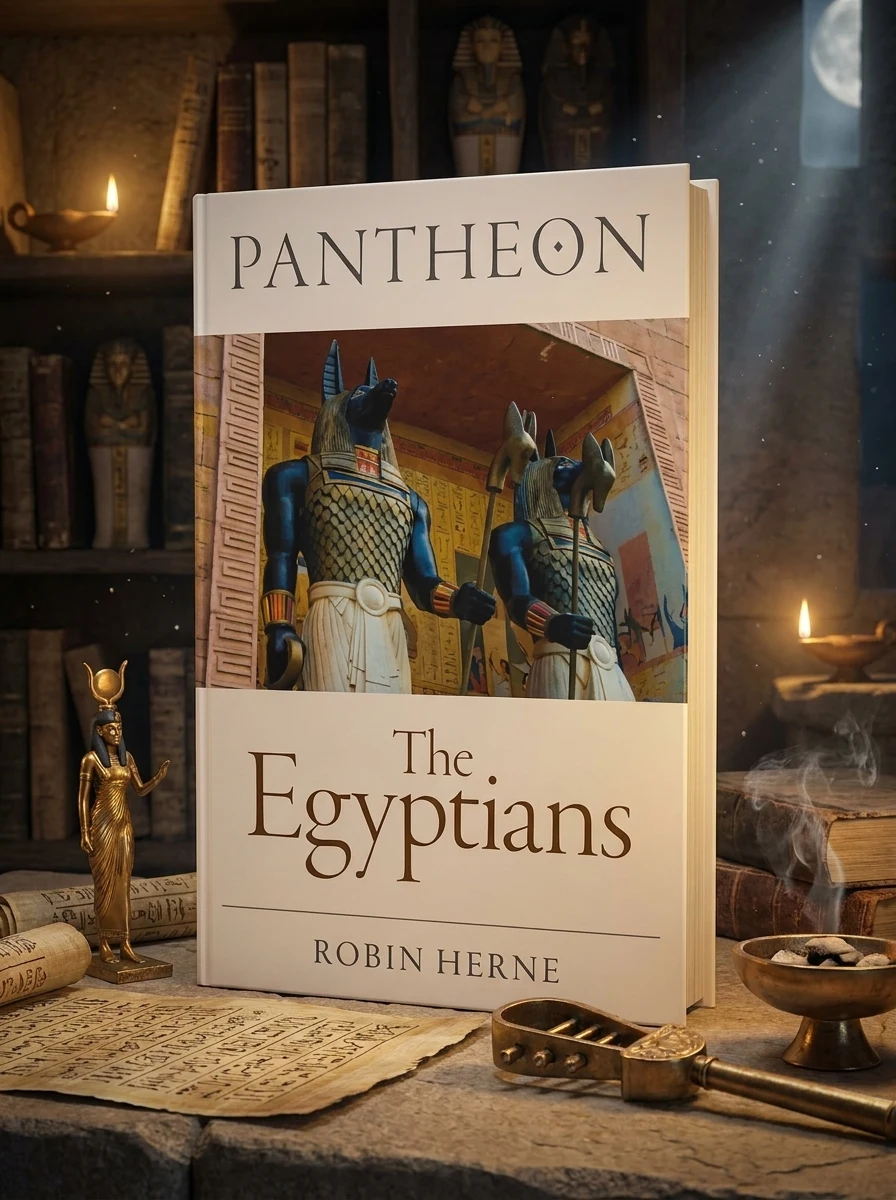
1. Pantheon - The Egyptians — Robin Herne
This is an ideal entry point for those who feel a pull toward Egypt but don't know where to start. It provides a clear, accessible guide to the primary deities, making it a reliable companion for both the curious beginner and the experienced practitioner looking for a quick reference. It strips away the complexity of academic jargon to present the gods in a way that is immediately useful for spiritual orientation.
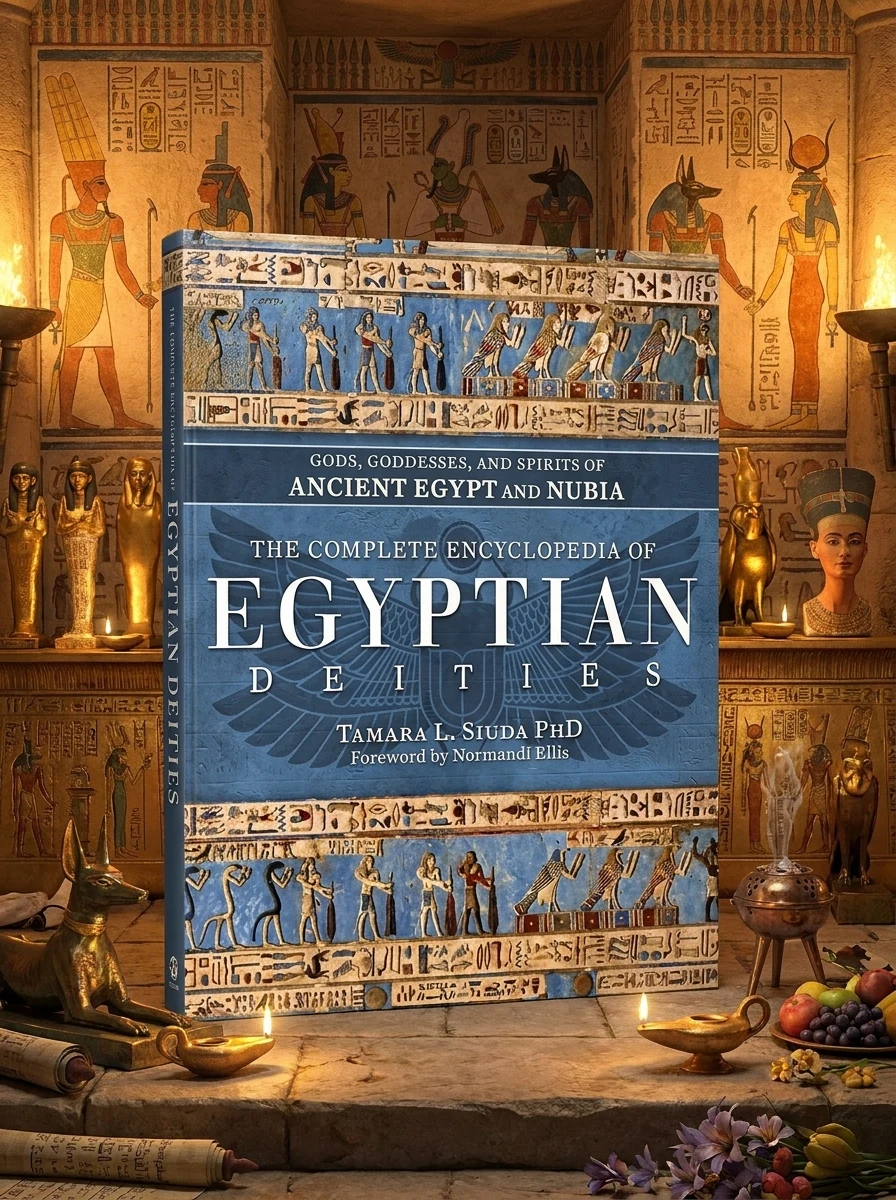
2. The Complete Encyclopedia of Egyptian Deities — Tamara L. Siuda & Normandi Ellis
For those who require a more exhaustive resource, this encyclopedia covers gods, goddesses, and spirits across both Egypt and Nubia. It is particularly valuable for practitioners of modern Kemetism who need a spiritually informed yet comprehensive reference for their altar work. The inclusion of Nubian deities provides a broader geographical and spiritual context that is often missing from standard Egyptology texts.
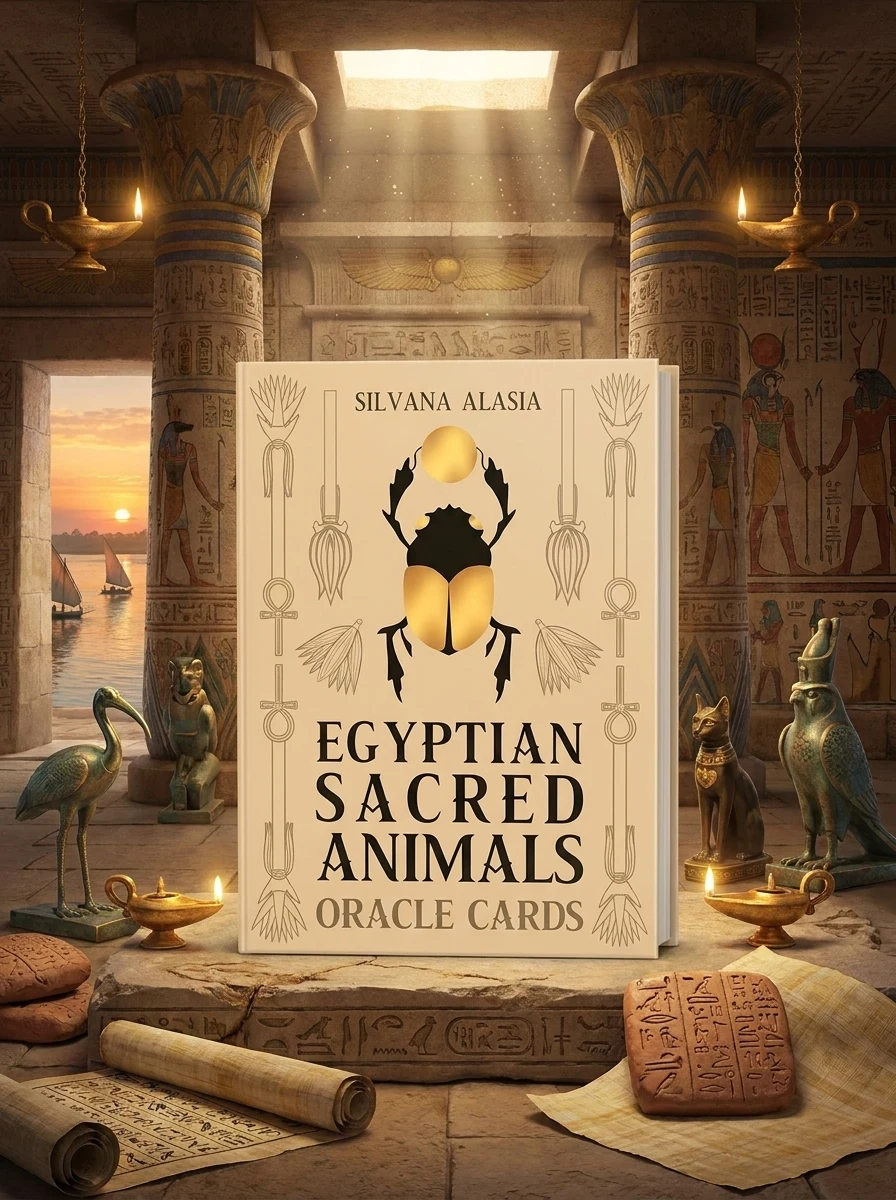
3. Egyptian Sacred Animals Oracle — Silvana Alasia
Mythology is not just found in prose, but in symbolism. This oracle deck focuses on the sacred animals of Egypt, offering an intuitive way to engage with the animal-headed deities and the spiritual messages they carry. It's a bridge between academic study and intuitive practice, allowing the user to interact with the divine through the lens of animal symbolism, which was central to the Egyptian perception of the divine presence in nature.
The Mysteries of Death and the Afterlife
The most famous aspect of Egyptian mythology is its obsession with what happens after the heart is weighed against the feather of truth. The texts surrounding Osiris and the journey through the Duat are central to understanding the Egyptian concept of the soul. These texts were not intended for the living to read as stories, but as functional tools for the deceased to ensure their survival in the next life.
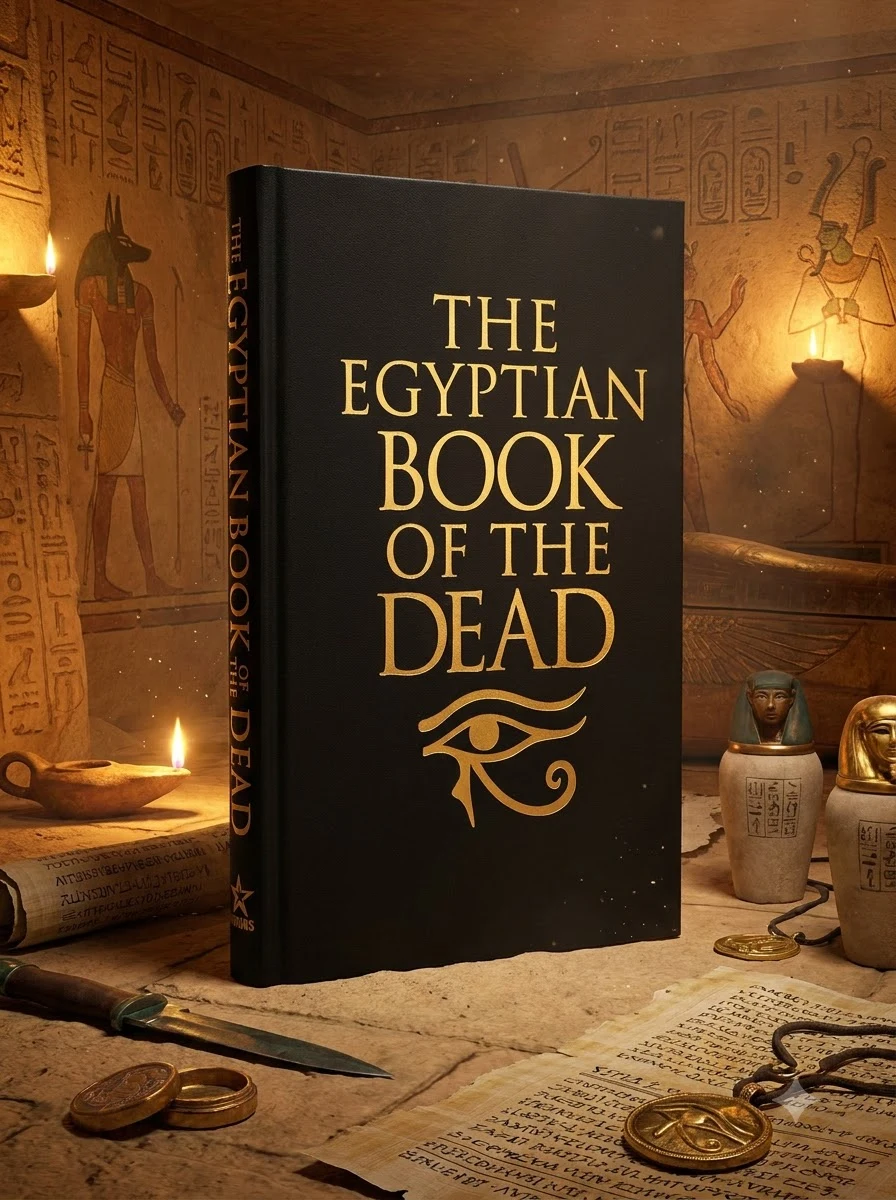
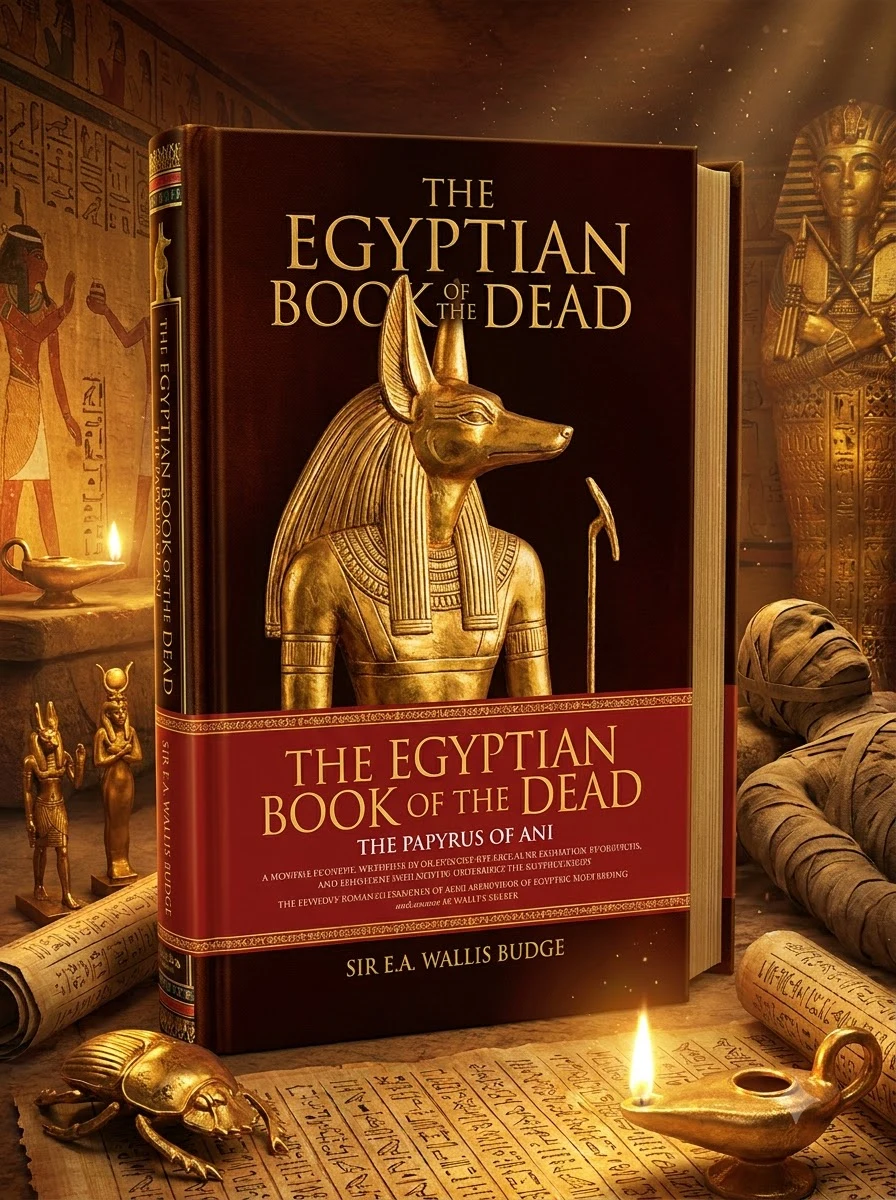
4. The Egyptian Book of the Dead — E.A. Wallis Budge
No library is complete without Budge's translation. This text is the quintessential guide to the afterlife, providing the spells and passwords necessary for the deceased to move through the underworld. It is a foundational read for anyone fascinated by the spiritual mechanics of death and the specific requirements for achieving a blessed afterlife.
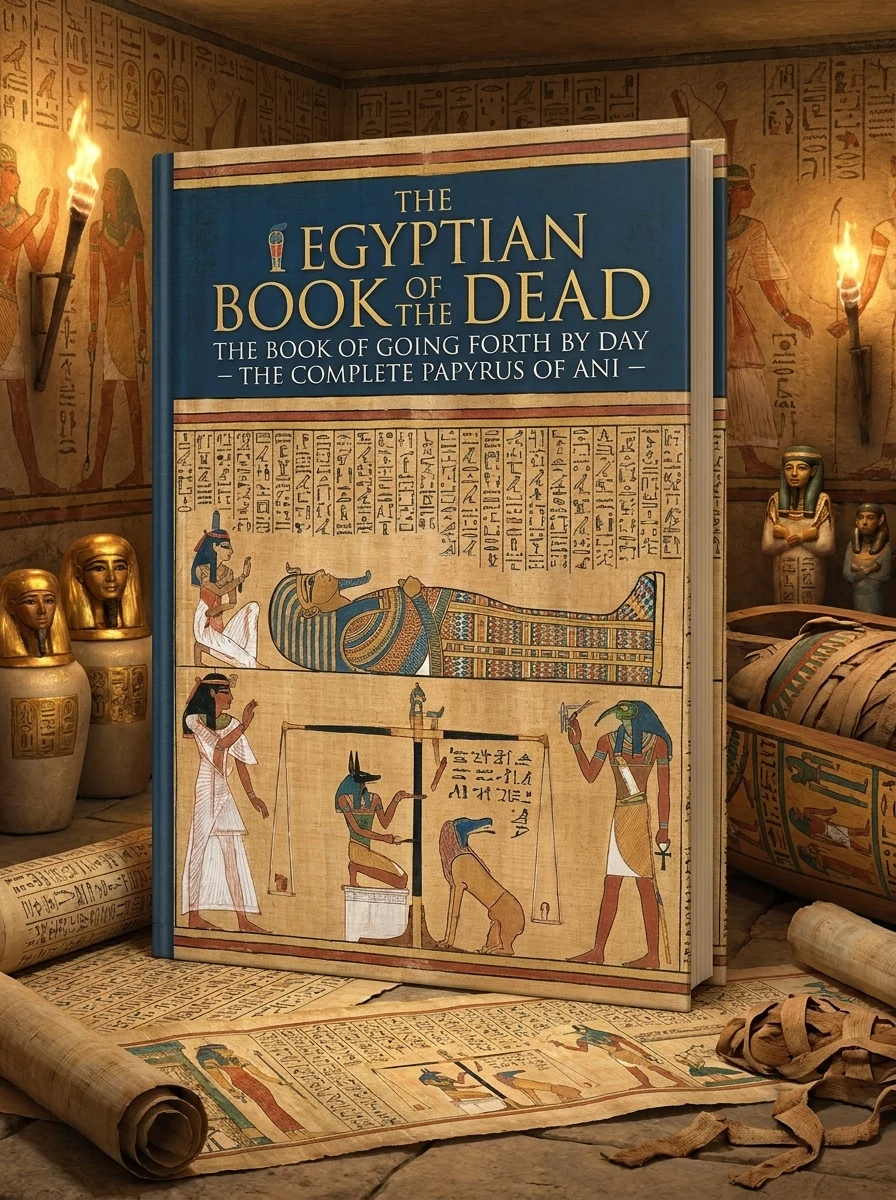
5. The Egyptian Book of the Dead: The Complete Papyrus of Ani — E.A. Wallis Budge
While the general Book of the Dead is a collection, the Papyrus of Ani is one of the most complete and beautiful examples of a single person's funerary scroll. It offers a more cohesive look at how these spells were actually applied in a historical context, providing a glimpse into the personalized nature of ancient Egyptian funerary preparation.
6. The Egyptian Book of the Dead: Deluxe Slipcase Edition — E.A. Wallis Budge
For the researcher or collector, this edition preserves the integrity of the sacred texts in a format that reflects the importance of the material. It is an indispensable volume for those who view these texts as living documents rather than mere history, offering a physical presence that matches the weight of the spiritual content within.
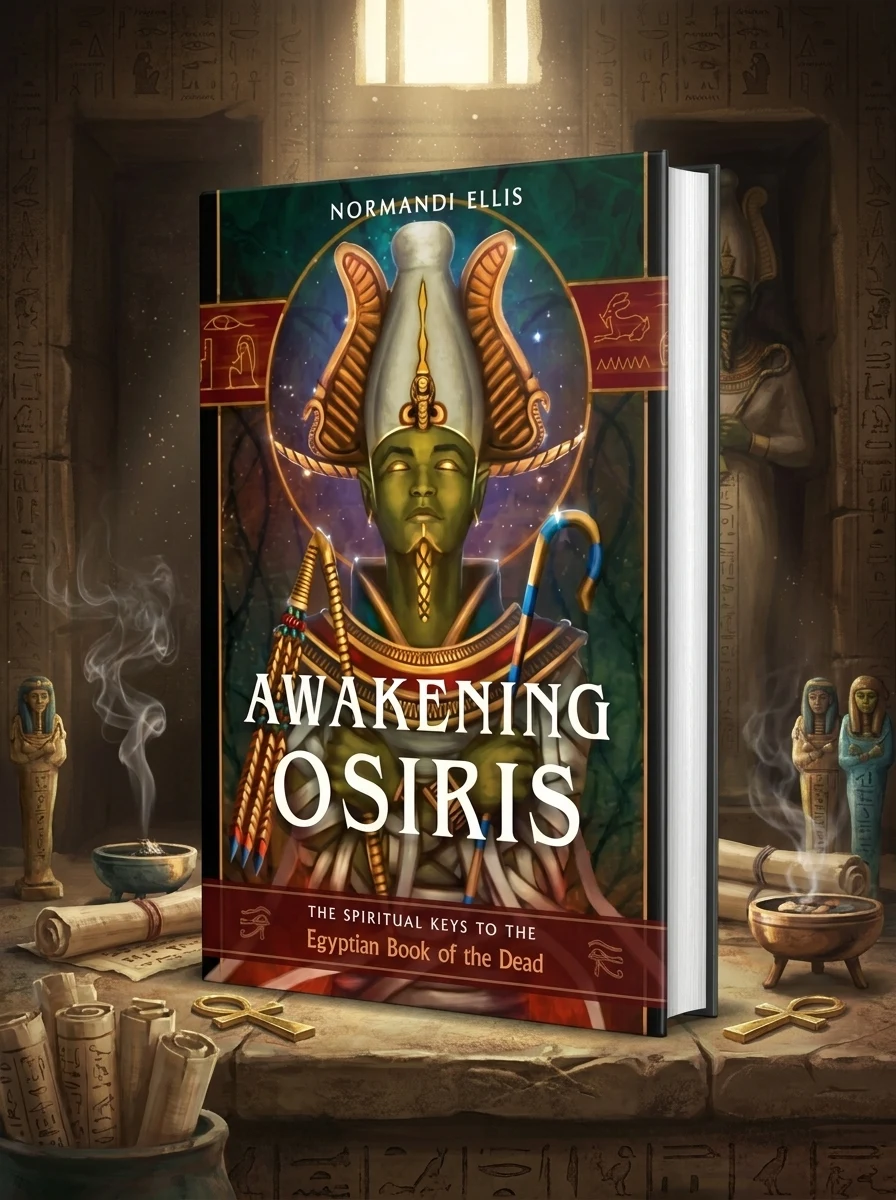
7. Awakening Osiris: The Spiritual Keys to the Egyptian Book of the Dead — Normandi Ellis
If the original translations feel too opaque, this book provides the necessary spiritual keys. It bridges the gap between historical text and personal revelation, helping the reader apply the wisdom of the Book of the Dead to their own spiritual awakening. It transforms the text from a historical curiosity into a practical guide for internal transformation.
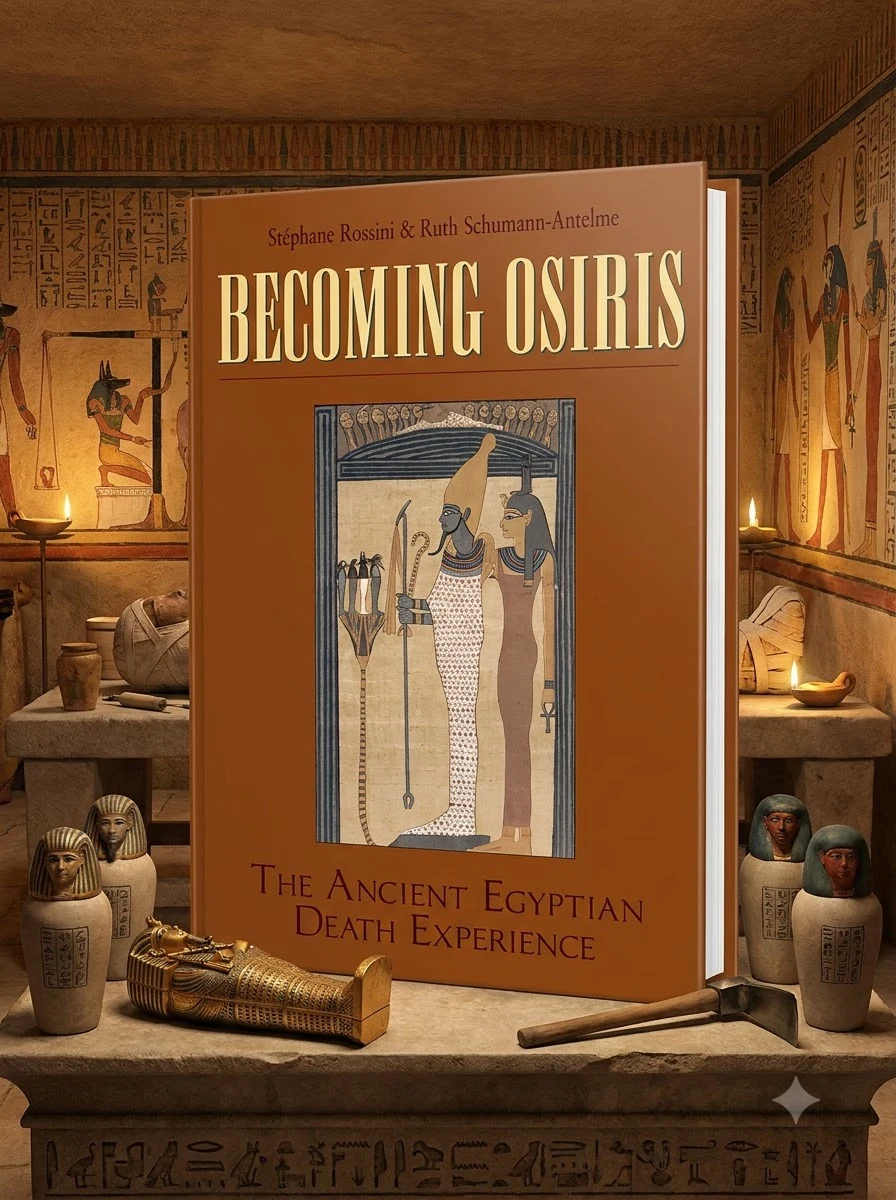
8. Becoming Osiris: The Ancient Egyptian Death Experience — Stéphane Rossini
This work moves into the territory of comparative eschatology. It examines the 'death experience' from a scholarly yet spiritual perspective, analyzing how the soul transforms into a divine entity through the process of becoming Osiris. It is essential for those who wish to understand the metaphysical transition from the human to the divine state.
Heka: The Practice of Egyptian Magic
Once the mythology is understood, the next step is the application. Egyptian magic was a precise science of sound, symbol, and intention. It was not about bending the will of the gods, but about aligning oneself with the divine laws of the universe to produce a specific result.
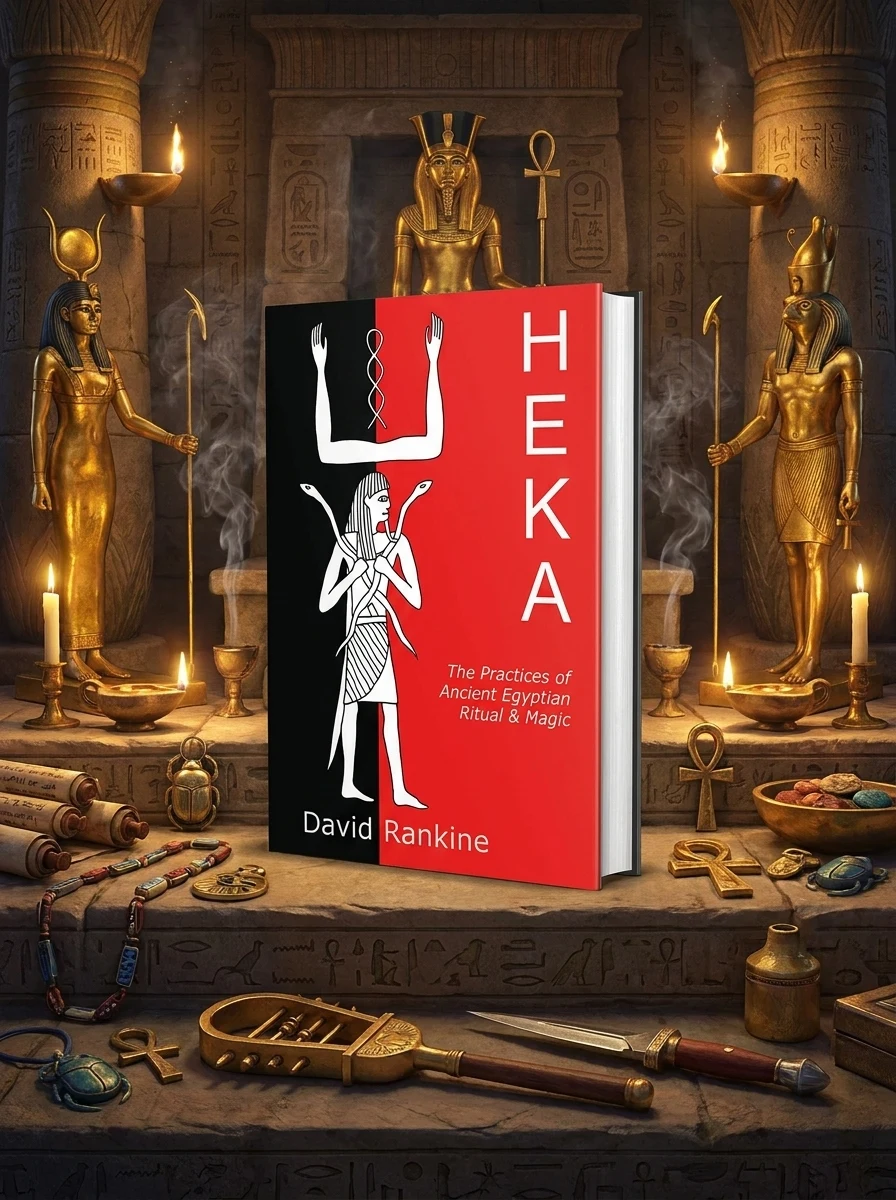
9. Heka: The Practices of Ancient Egyptian Ritual and Magic — David Rankine
This book is essential for those who want to understand the foundational principles of Heka. It moves beyond the 'what' of mythology and explains the 'how' of ritual, showing how spirituality was lived and practiced in the ancient world. It provides the necessary theoretical grounding for anyone wishing to approach Egyptian ritual with respect and accuracy.
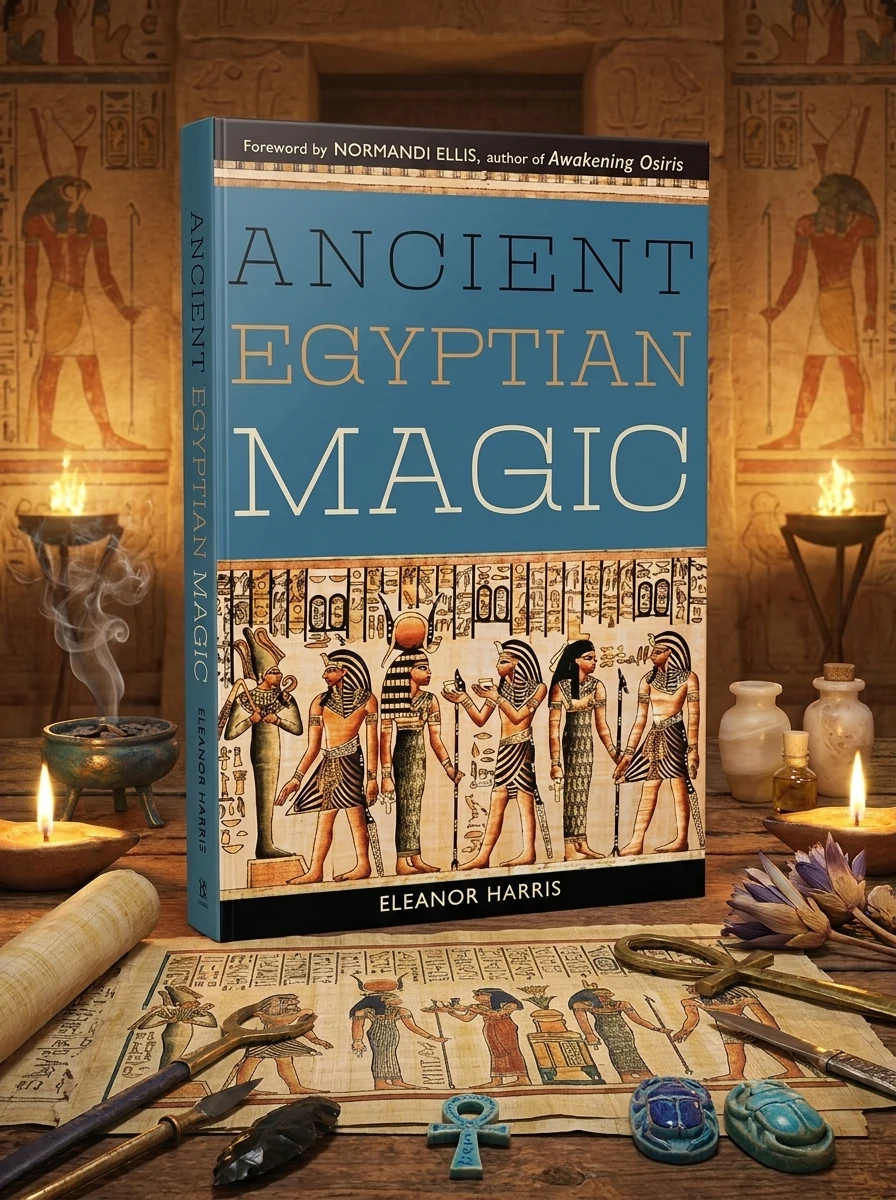
10. Ancient Egyptian Magic — Eleanor L. Harris & Normandi Ellis
This is a practical journey into the unique magical arts of Egypt. It is suited for those who wish to move from passive reading to active engagement with the spiritual heritage of the Nile Valley. The text emphasizes the connection between the practitioner and the divine forces, offering a path toward experiential knowledge.
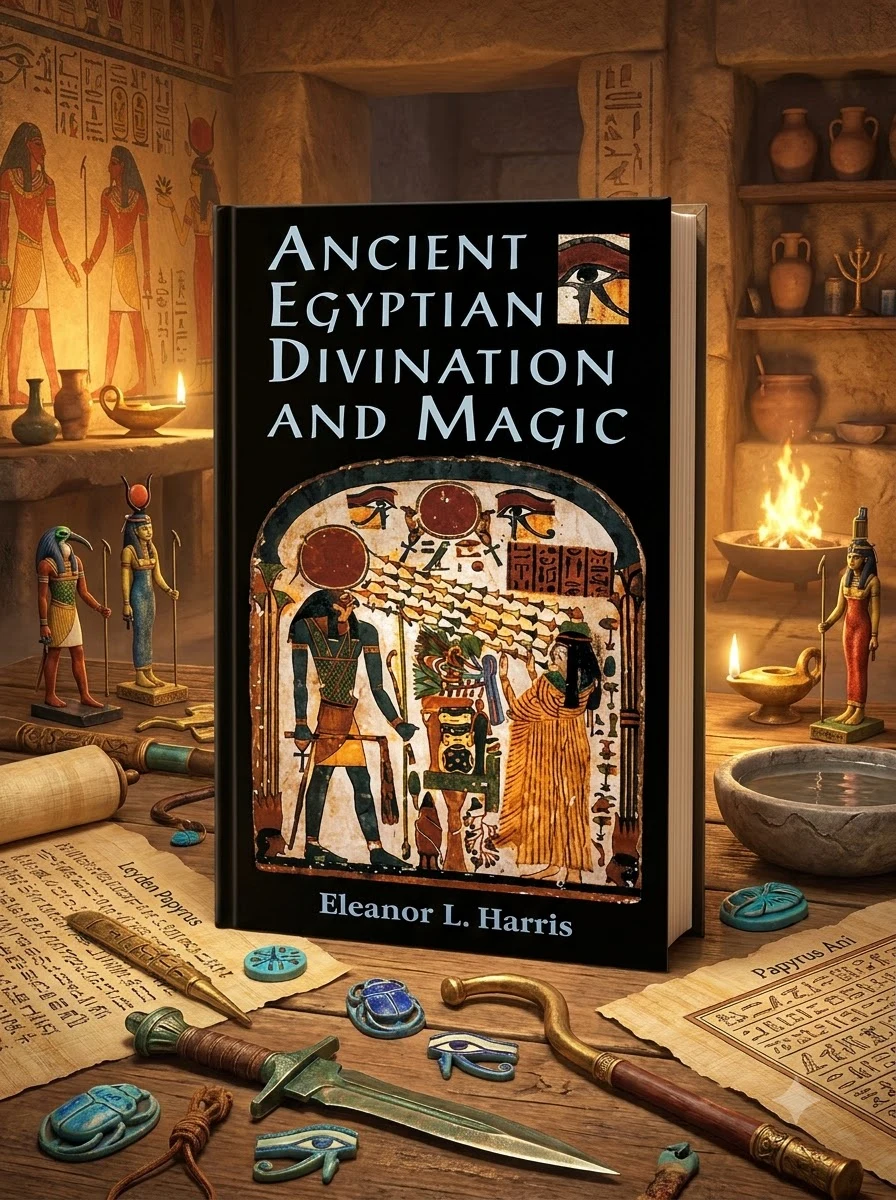
11. Ancient Egyptian Divination and Magic — Eleanor L. Harris
Focusing specifically on the art of knowing the unknown, this text explores the enigmatic systems of divination used by ancient priests to interpret the will of the gods and the movement of fate. It provides a detailed look at how the Egyptians sought guidance from the divine to make critical decisions in both the spiritual and mundane spheres.
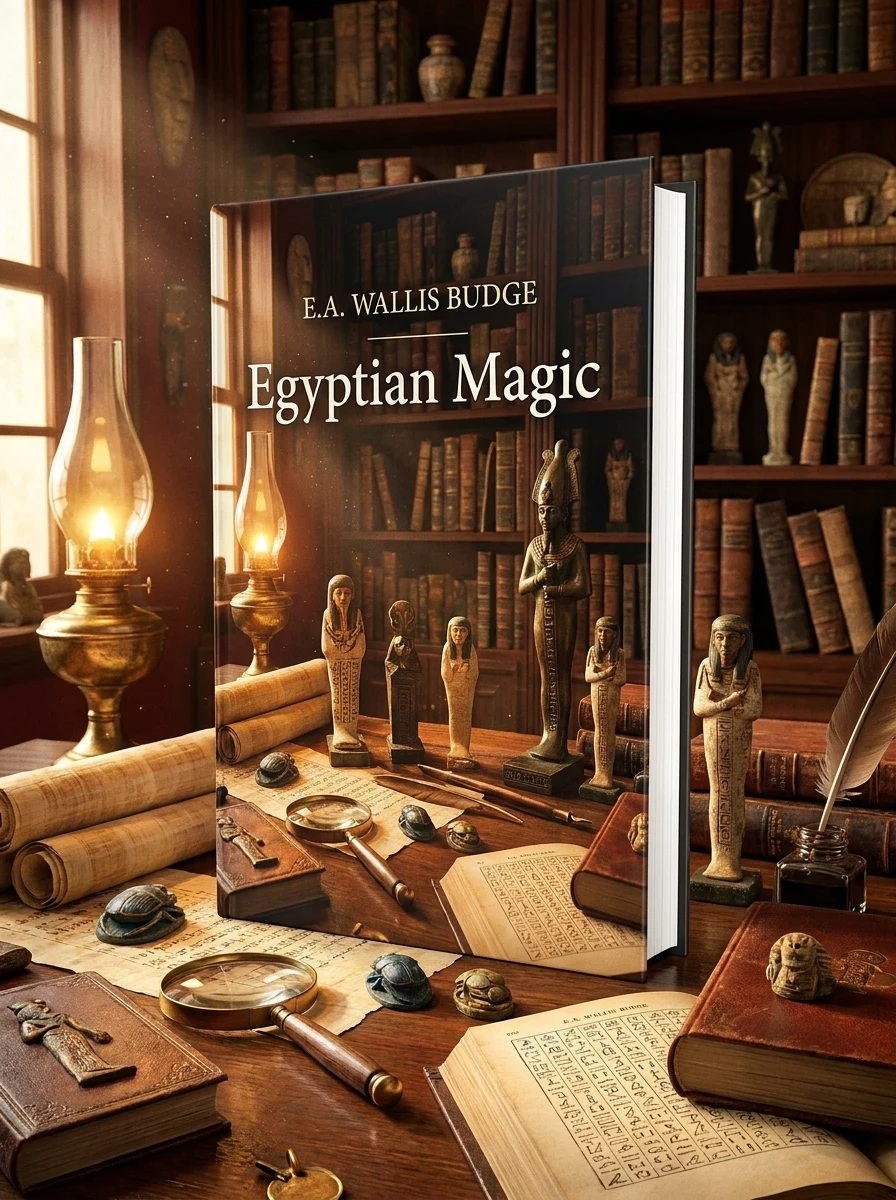
12. Egyptian Magic — E.A. Wallis Budge
Budge provides an authoritative scholarly introduction to the roots of Western esotericism. This book is for the student of historical magical systems who wants to see how the Egyptian tradition influenced later occult movements. It is a rigorous study of the texts and the logic behind the magical operations of the ancient priests.
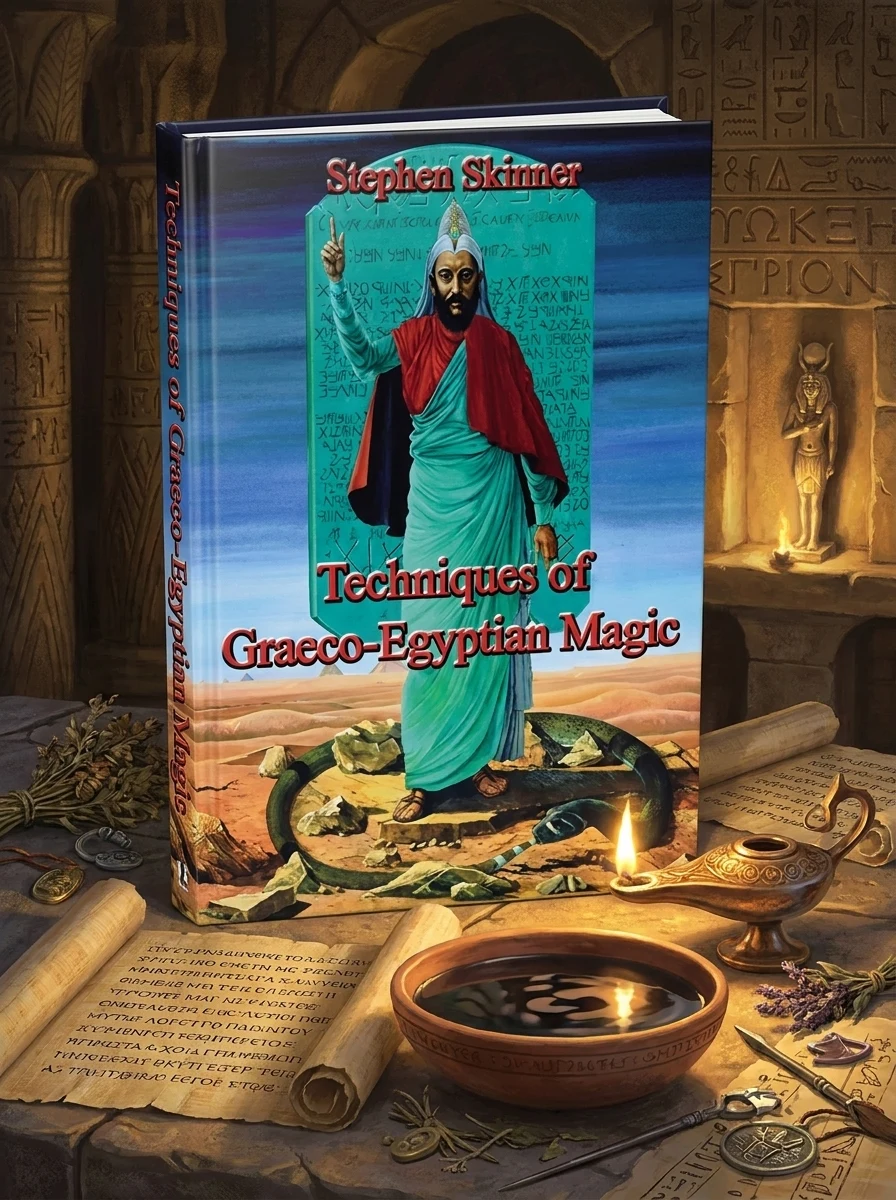
13. Techniques of Graeco-Egyptian Magic — Stephen Skinner
For the serious practitioner, this is where theory ends and practice begins. Skinner examines the later period where Egyptian tradition merged with Greek influence, providing a rigorous look at the actual techniques used in the Papyri Graecae Magicae. This is a technical manual for those who seek the specific methods of invocation and talismanic construction.
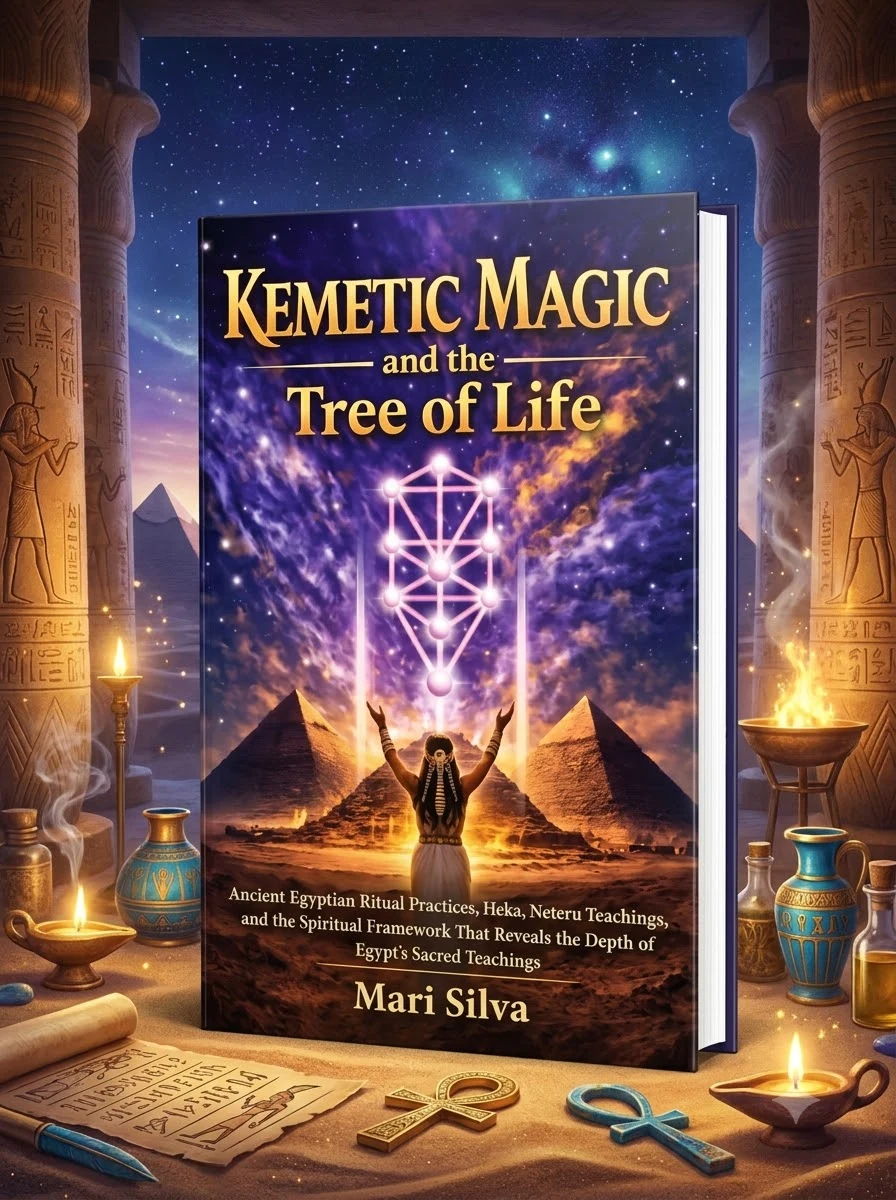
14. Kemetic Magic and The Tree of Life — Mari Silva
This volume offers a fascinating synthesis, placing Egyptian ritual practices and Neteru teachings within a broader spiritual framework. It is an excellent choice for those who want to integrate Kemetic wisdom with other esoteric systems, providing a bridge between the specific traditions of Egypt and universal metaphysical principles.
Selecting Your Study Path
Selecting the right book depends entirely on your current objective. If you are simply curious about the stories of Isis, Horus, and Anubis, start with Pantheon - The Egyptians. It provides the necessary context without overwhelming you with technical jargon, allowing you to build a mental map of the divine hierarchy before moving into more complex territory.
If your interest is more metaphysical—specifically regarding the soul's evolution and the afterlife—the works of E.A. Wallis Budge are the gold standard. However, these are best paired with Awakening Osiris to help translate the ancient symbolism into modern spiritual insights. The combination of a literal translation and a spiritual commentary allows for a more complete understanding of the funerary rites.
For those who intend to practice, the path is more demanding and requires a structured approach. I recommend starting with Heka by David Rankine to understand the theory of sacred science, before moving into the technical manuals of Eleanor L. Harris or the advanced ritual work of Stephen Skinner. Remember that Egyptian magic is deeply tied to the specific vibrations of the gods; the more you understand the mythology and the nature of the Neteru, the more effective the ritual work becomes. The goal is not merely the result, but the alignment of the self with the cosmic order of Ma'at.