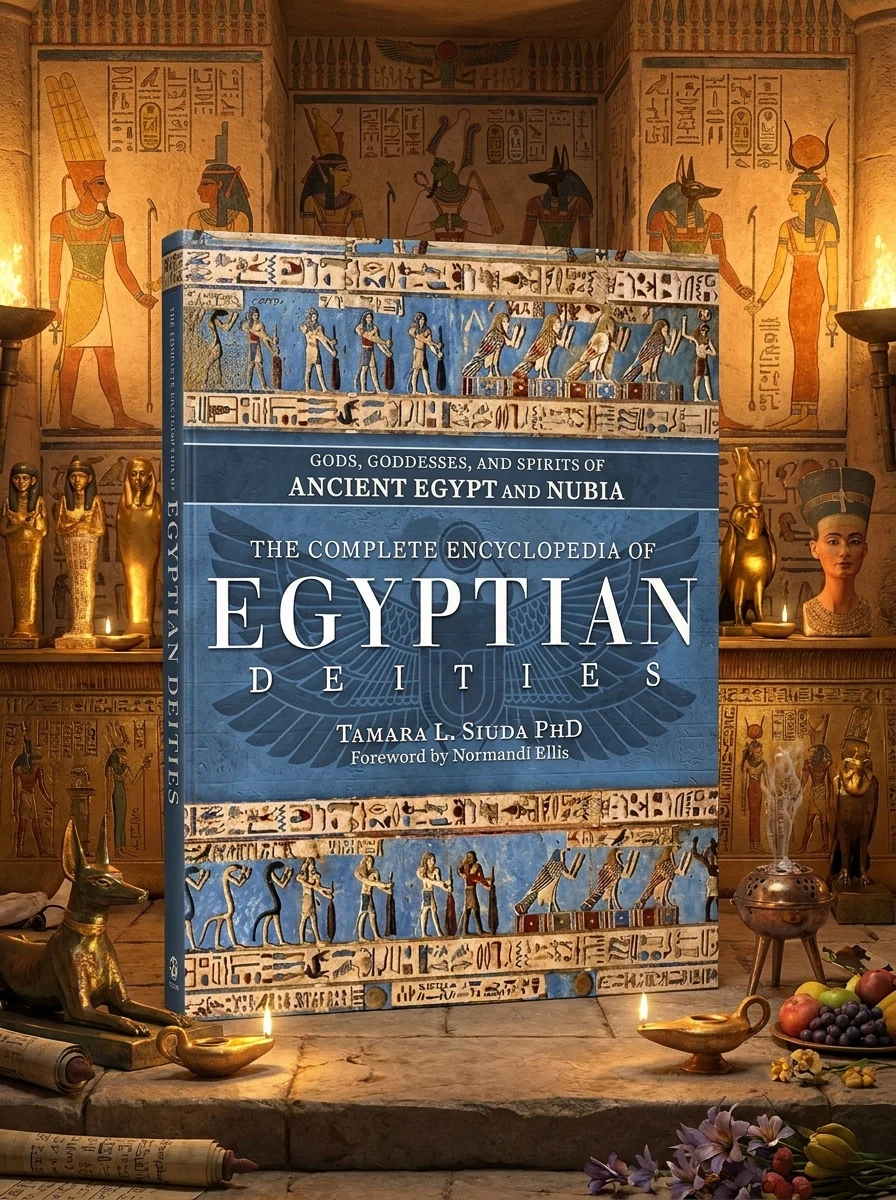
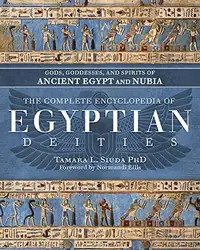
The Complete Encyclopedia of Egyptian Deities: Gods, Goddesses, and Spirits of Ancient Egypt and Nubia
Stock reported in the catalog; fulfillment is confirmed with your request.
Unearth the living essence of Egypt's gods, from ancient reverence to contemporary practice.
Dive into the definitive compendium of Egyptian and Nubian deities, meticulously crafted by Dr. Tamara L. Siuda. This extensive volume moves beyond mere mythology, offering profound insights into over a hundred divine beings, from the universally known to the obscure. Explore their unique attributes, symbolic representations, historical worship sites, and even their hieroglyphic names. What truly sets this work apart is its inclusion of vibrant, modern devotional perspectives, bridging millennia to show how these powerful entities continue to inspire and guide practitioners today.
This volume sits at the intersection of academic Egyptology and modern esoteric practice, serving as a bridge between ancient Nubian and Egyptian spiritual traditions and contemporary devotional work. It reflects a holistic approach that values both historical reverence and living ritual engagement with divine entities.


📝 Description: The Complete Encyclopedia of Egyptian Deities: Gods, Goddesses, and Spirits of Ancient Egypt and Nubia
💎 Expert review
📖 Why choose it
Why this book is worth reading
Practitioners seeking a robust foundation in Egyptian and Nubian spirituality will find immense value in this definitive compendium. It is ideal for those who wish to move beyond surface-level mythology into the deeper, living essence of over one hundred divine beings. By providing hieroglyphic names, symbolic representations, and historical worship sites alongside modern devotional perspectives, it offers a comprehensive toolkit for engagement. Readers will appreciate how it bridges millennia, showing how these powerful entities continue to inspire guidance today. It is essential for anyone wanting to understand the unique attributes of gods from the universally known to the obscure, ensuring their practice is both informed by history and relevant to current spiritual needs.
⭐ Reader reviews
Reader rating
While this encyclopedia serves as an impressive resource for dedicated practitioners eager to explore the vibrancy of Egyptian deities through a modern lens, it may not suit casual readers or those strictly interested in academic historiography. The text leans heavily into contemporary devotional perspectives, which might feel less rigorous to scholarly audiences seeking dry, detached analysis. Additionally, individuals looking for concise, bite-sized entries rather than profound insights might find the depth overwhelming. However, for those committed to bridging ancient reverence with present-day practice, it remains an unparalleled guide that successfully honors the living essence of these divine beings without sacrificing historical context.
❓ Frequently asked questions
📖 Who should read this
If you're drawn to the mystique of ancient Egypt, a practitioner of modern Kemetism, or a scholar seeking a comprehensive and spiritually informed resource, this book is an essential addition to your library. It offers depth for the dedicated and inspiration for the curious.
🎯 Key themes and symbolism
Comprehensive Deity Profiles
This encyclopedia provides an unparalleled level of detail for each deity, covering their 'personality,' symbolic forms, familial connections, and specific areas of worship. Readers gain a holistic understanding of each Netjeru, moving beyond surface-level information to grasp their multifaceted roles within the ancient Egyptian cosmos and culture.
Ancient & Modern Devotion
The book brilliantly connects historical worship practices with contemporary spiritual engagement. It delves into how Egyptians revered their gods millennia ago, alongside unique insights into how these same deities are honored and experienced by practitioners in the present day, offering a continuum of spiritual connection.
Expanded Divine Pantheon
Beyond the core Egyptian gods, this work thoughtfully includes guest deities from surrounding regions like Nubia, Libya, and the Levant who were integrated into the Egyptian religious landscape. This broadens the understanding of the dynamic and interconnected spiritual traditions of the ancient world, showcasing cultural syncretism.
💬 Quotes from the book
“Beyond the sun-drenched temples and gilded sarcophagi, the Netjeru are not merely relics of a bygone era, but active forces whose presence can be cultivated and honored in the contemporary world.”
“Each glyph etched into a temple wall or inscribed upon a papyrus fragment unveils a facet of divine being, a whisper of a power that transcends millennia, awaiting rediscovery.”
📜 Historical context
📚 Glossary
- Netjeru
- Kemetism
- Syncretism
📔 Questions to reflect on
- Choose a deity you previously knew little about from the book. How does learning their full profile change your perception of ancient Egypt or your own spiritual understanding?
- Reflect on the concept of 'devotional perspectives' discussed in the book. How might ancient worship practices inform or inspire your own spiritual routines today, regardless of your tradition?
- Consider the interconnectedness of deities from different cultures (e.g., Nubian, Levantine). How does this expanded view of the Egyptian pantheon challenge or enrich your understanding of cultural and spiritual exchange?
🏛 Books from this publisher Llewellyn Publications
All books from this publisher →

 89
89

You might also like
See more → 91
91

 91
91