The Tao Te Ching is perhaps the most paradoxical text in the history of mysticism. It begins by stating that the Tao that can be spoken is not the eternal Tao, yet it has spent two millennia being translated, commented upon, and debated. For the modern seeker, the challenge isn't finding a copy—it's finding the right copy. Depending on the translation, the text can read like a political manual for a sage-king, a poetic meditation on nature, or a rigorous guide to internal alchemy.
When you search for Tao Te Ching books, you are usually looking for one of two things: a direct encounter with the verses of Lao Tzu to shift your consciousness, or a practical application of those verses to improve your health and mental clarity. The former is about Wu Wei (effortless action), while the latter is about the cultivation of energy. Both are essential for a complete understanding of the Way.
At Esoterica Books, we view the Tao Te Ching not as a book to be read once and shelved, but as a mirror. The version you are drawn to usually reflects where you are in your spiritual development. Below, we have curated the most impactful texts in our catalog, divided by how they approach the Tao.
Direct Translations and Philosophical Commentaries
If you are looking for the core text, you need a translation that captures the spirit of the original Chinese without stripping away the mystery. These editions provide the 81 verses along with the necessary context to prevent misinterpretation. Because the original text is so concise, the commentary often acts as the bridge between the ancient verse and the reader's lived experience.
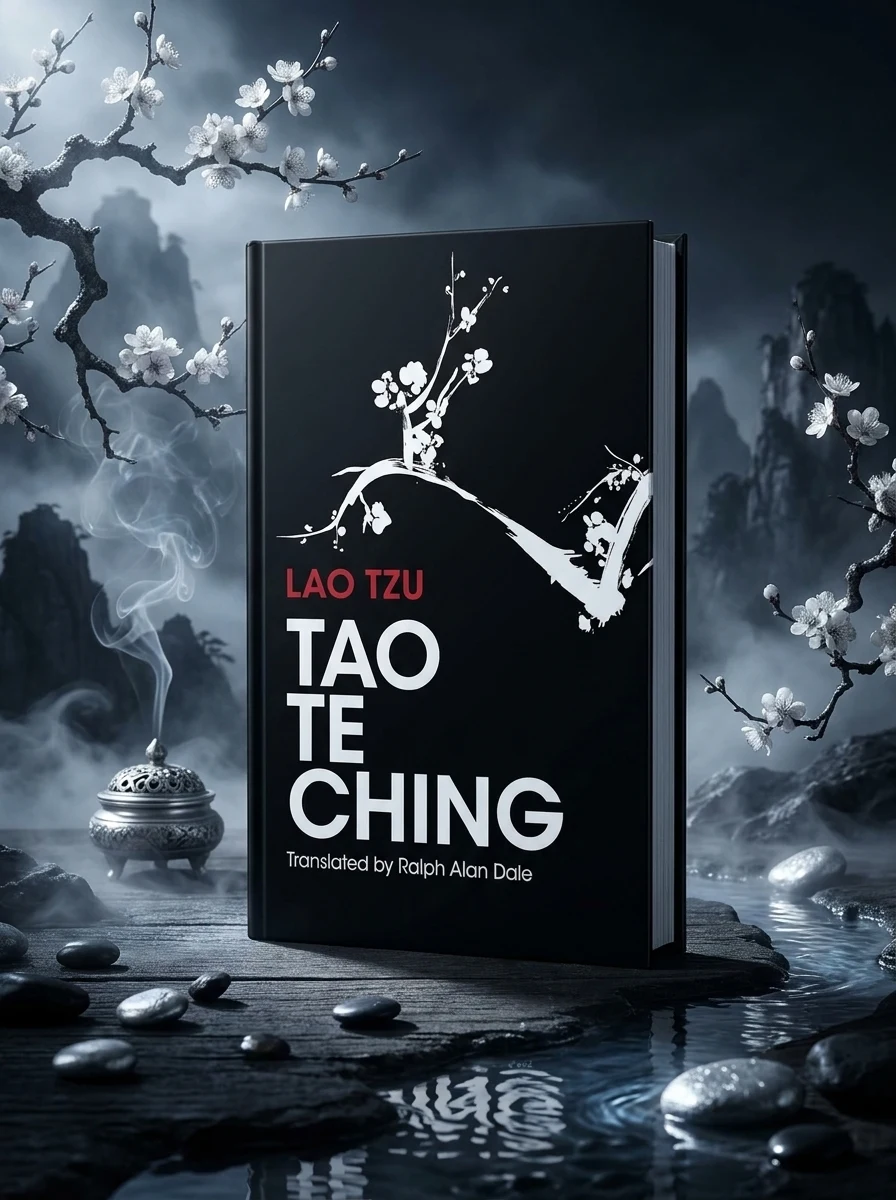
1. Tao Te Ching: 81 Verses by Lao Tzu with Introduction and Commentary — Ralph Allen Dale & Barbara Marx Hubbard
This edition is ideal for those who want a poetic bridge between ancient wisdom and holistic living. It avoids the dryness of academic texts, offering a fresh interpretation that feels relevant to the complexities of modern life. It is priced under $30 and serves as an excellent entry point for those seeking inner harmony. The commentary helps the reader move past the literal meaning of the words to find the spiritual essence of the verses.
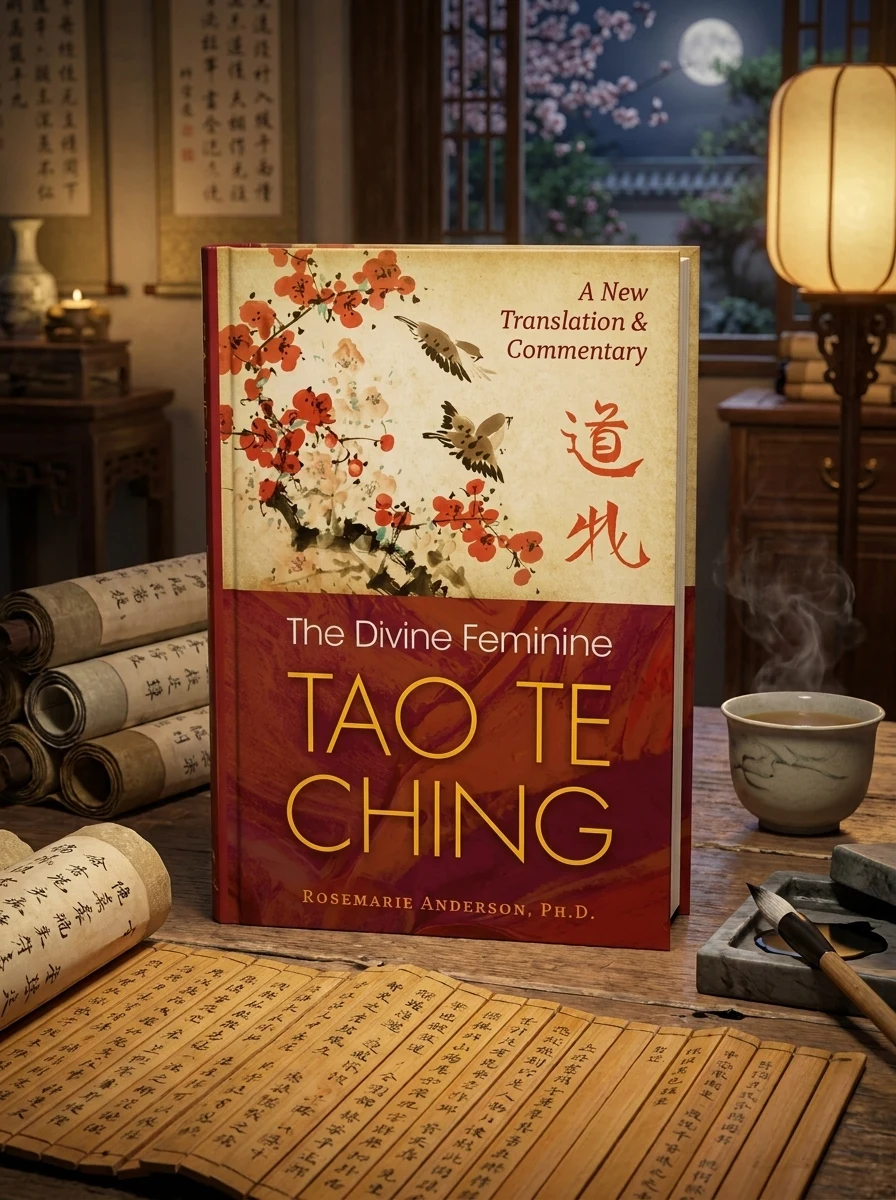
2. The Divine Feminine Tao Te Ching: A New Translation and Commentary — Rosemarie Anderson
Taoism has always emphasized the power of the feminine—the yielding, the receptive, and the nurturing. This translation leans into that energy, providing a gender-inclusive perspective that transforms how the verses are perceived. It is a powerful choice for practitioners who feel that traditional translations are too rigid or patriarchal, available for under $20. By highlighting the feminine aspect of the Tao, Anderson provides a lens that encourages softness and receptivity over force.
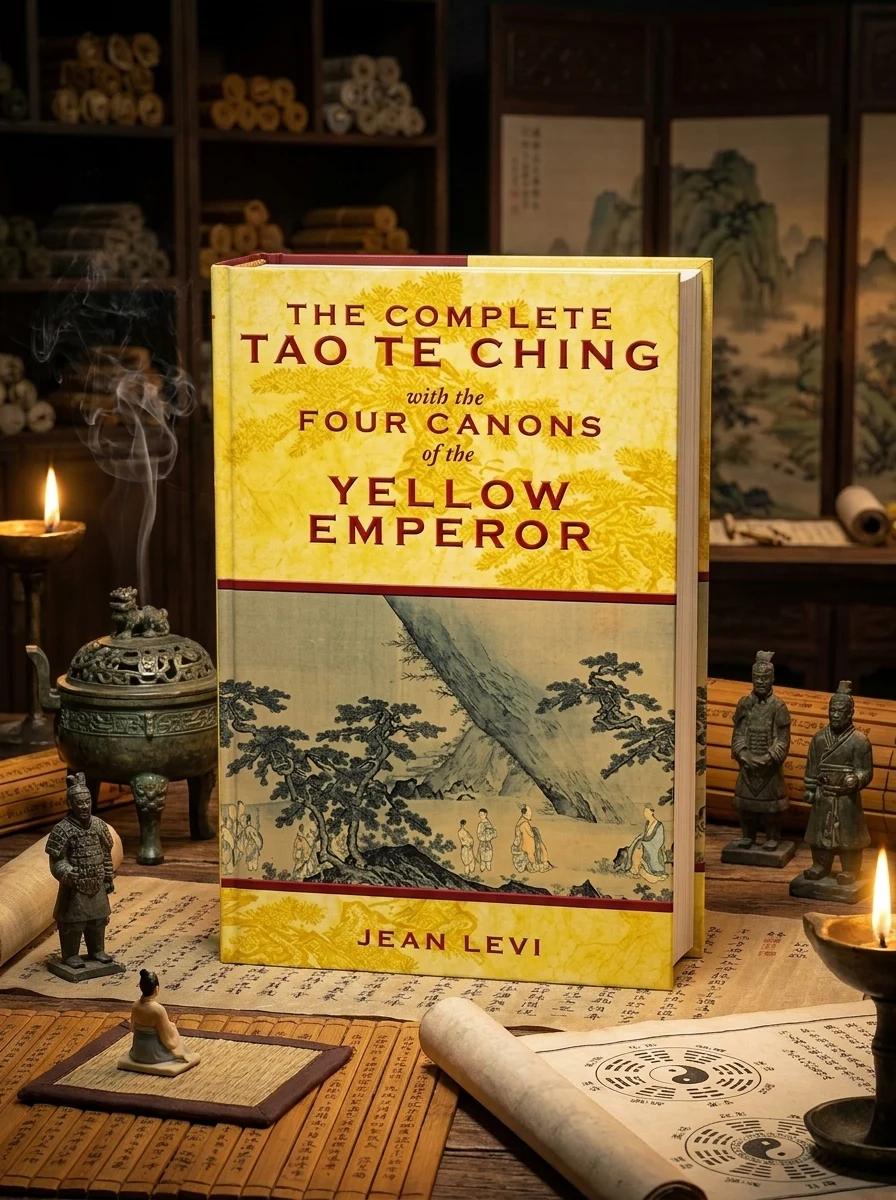
3. The Complete Tao Te Ching with the Four Canons of the Yellow Emperor — Jean Levi
For the serious student who finds the 81 verses too brief, this volume provides a massive expansion of context. By including the Four Canons, it connects the philosophy of the Tao Te Ching to the broader tradition of Chinese statecraft and metaphysics. It is a scholarly yet accessible work priced under $30. This text is particularly useful for those who want to understand how the Tao was applied to the governance of people and the organization of society.
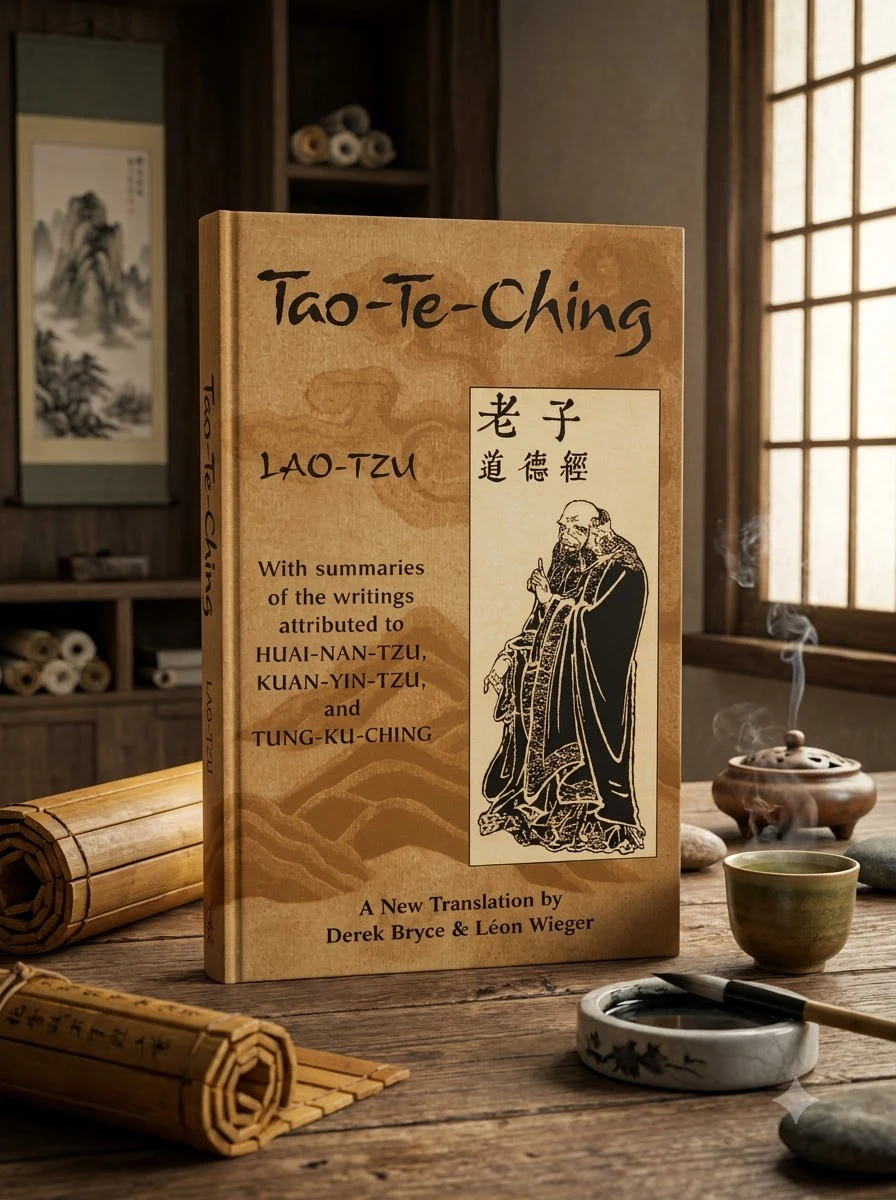
4. Tao-Te-Ching: With Summaries of the Writings Attributed to Huai-Nan-Tzu, Kuan-Yin-Tzu and Tung-Ku-Ching — Lao-Tzu
This version is designed for those who crave non-dualistic spirituality. By pairing the main text with summaries of other foundational Taoist writings, it provides a comparative look at how the Way was interpreted by various masters. It is an affordable option, priced under $20, for the intellectually curious. This approach allows the reader to see the Tao Te Ching not as a solitary monument, but as part of a living conversation between different schools of thought.
Practical Applications and Lived Taoism
Philosophy is a seed, but practice is the fruit. Once you have read the verses, the next logical step is to integrate the Tao into your physical body and daily routine. These books translate the abstract concepts of the Tao Te Ching into tangible results, moving from the mind to the muscles and the breath.
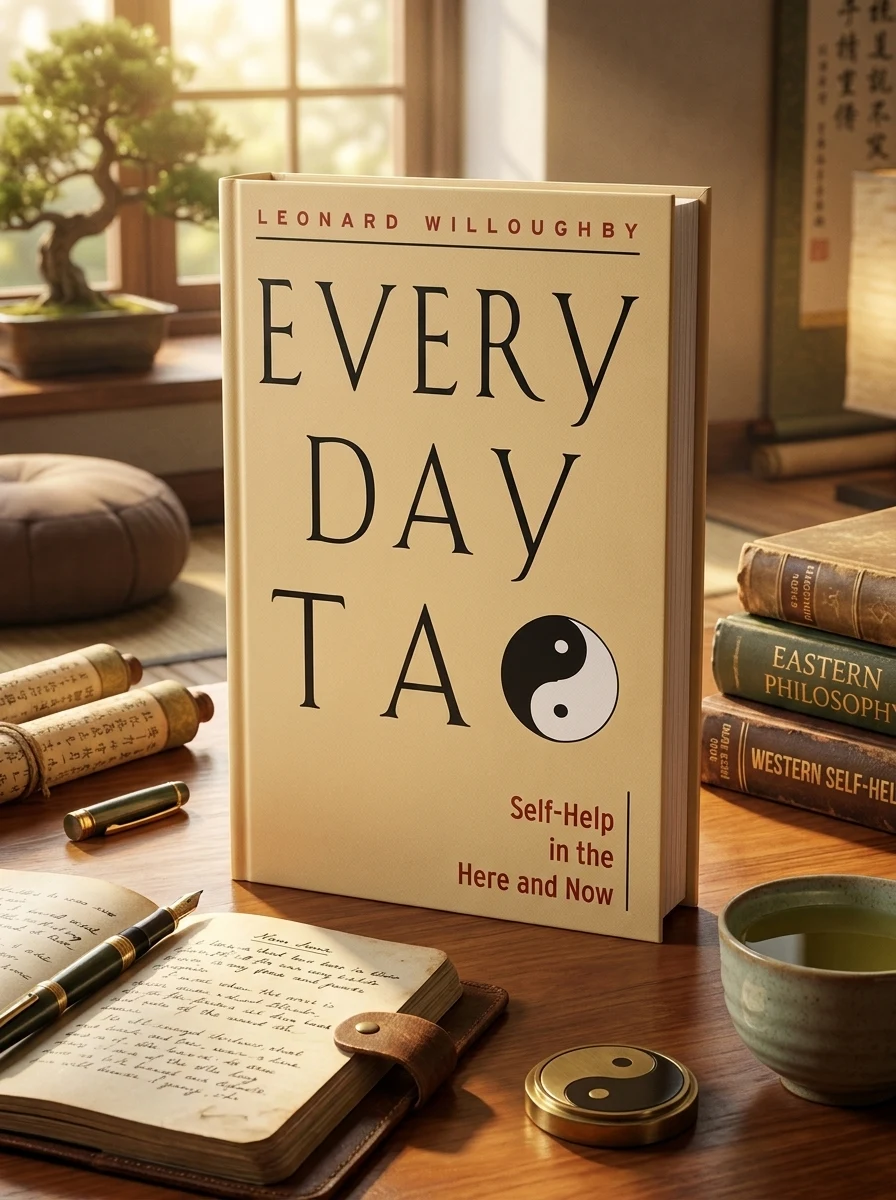
5. Every Day Tao: Self-Help in the Here and Now — Leonard Willoughby
If the original verses feel too dense or cryptic, this book acts as a translator for the modern ego. It strips away the academic jargon and focuses on how to apply Taoist principles to stress, relationships, and mental health. It is a highly practical guide priced under $30. Willoughby focuses on the "here and now," ensuring that the philosophy does not become a theoretical exercise but a tool for immediate psychological relief.
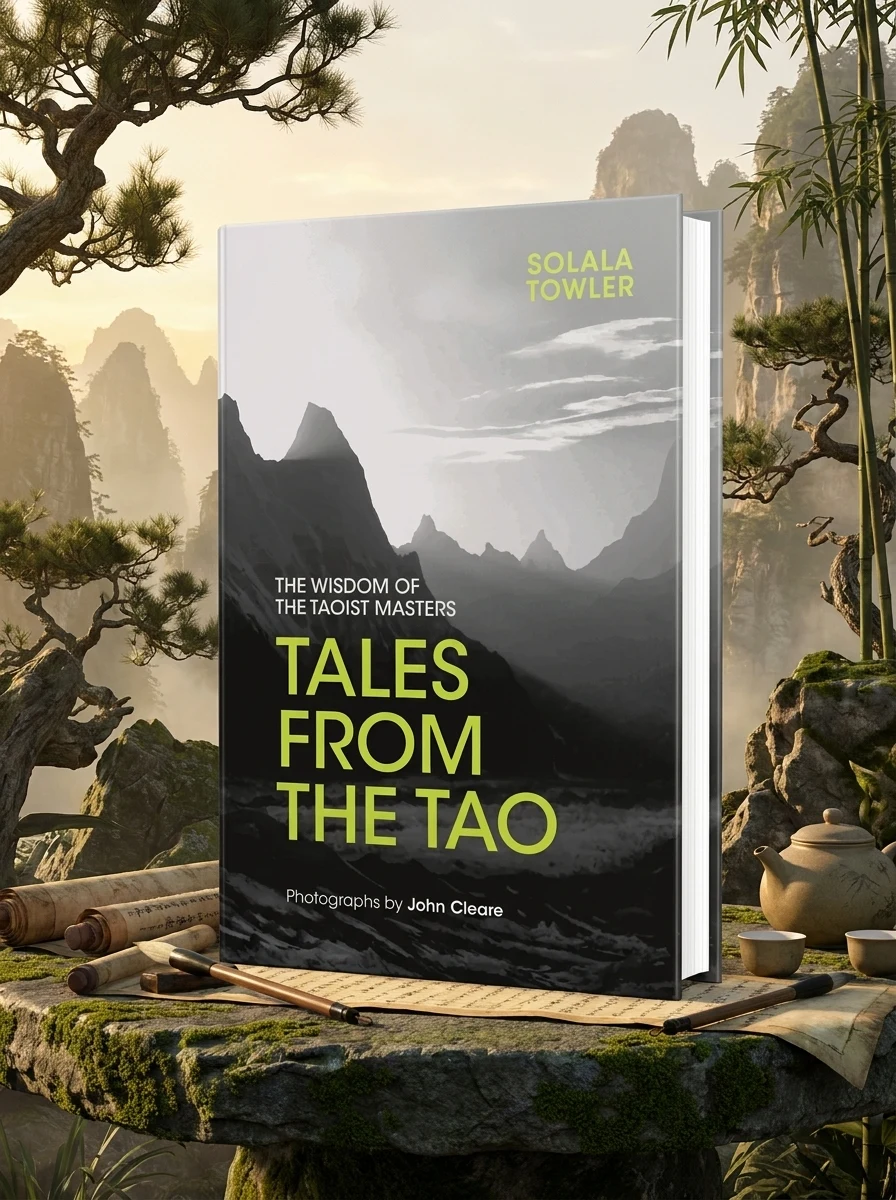
6. Tales from the Tao: The Wisdom of the Taoist Masters — Solala Towler & John Cleare
The Tao is often better understood through stories than through logic. This collection uses the tradition of Taoist parables to illustrate the Way, making it an accessible companion to any translation of the Tao Te Ching. It is a gentle, engaging read available for under $30. Parables bypass the analytical mind and speak directly to the intuition, allowing the reader to "feel" the truth of the Tao rather than just intellectualizing it.
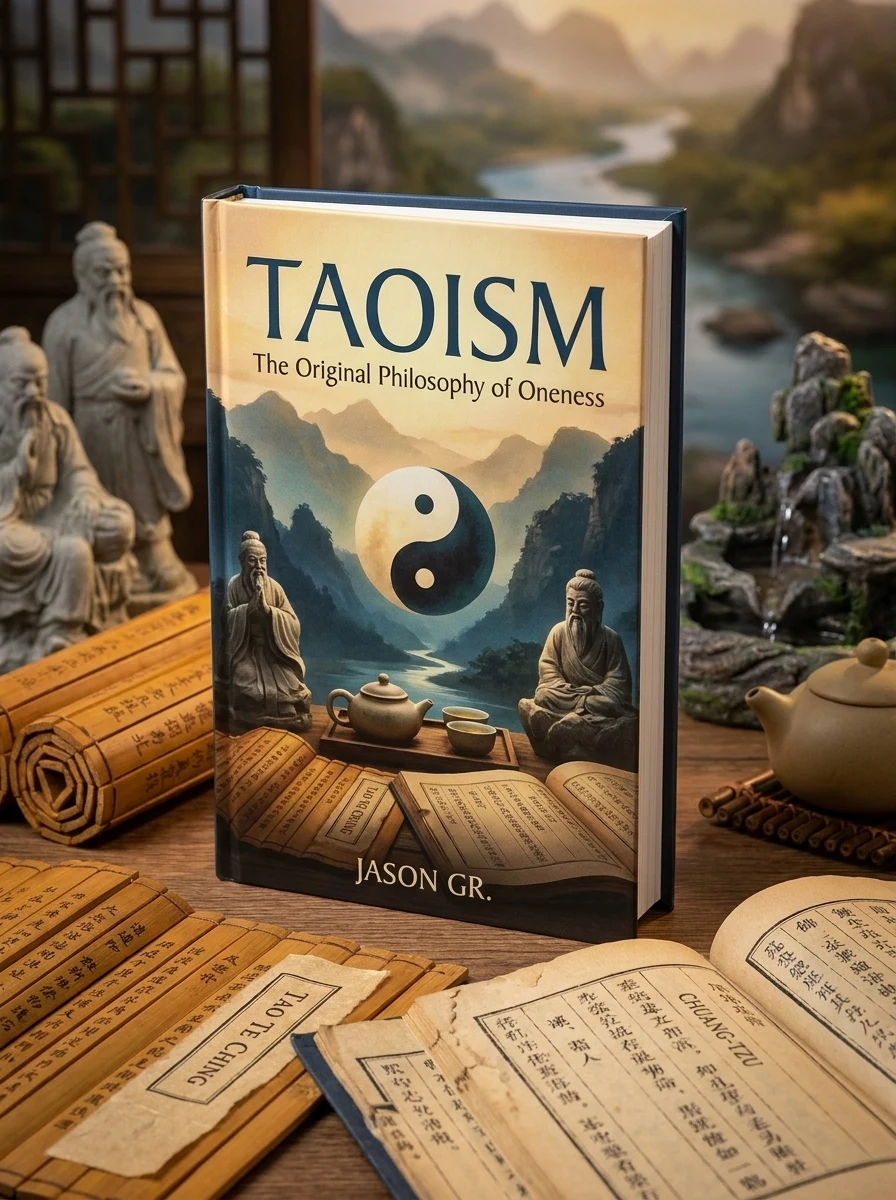
7. The Tradition of Natural Taoism: The Way of Free and Easy Wandering in Oneness — Jason Gregory
This text focuses on the state of "free and easy wandering," a core concept in the works of both Lao Tzu and Chuang Tzu. It is less about "doing" and more about "being," making it perfect for those who feel overwhelmed by the noise of the modern world. It is priced under $20. Gregory emphasizes the natural state of the human spirit and how to return to a sense of oneness with the environment.
Expanding the Practice: Energy and Health
To truly embody the Tao, one must look beyond the written word and into the energetic body. The Tao Te Ching speaks of the "uncarved block" and the power of emptiness; in practical terms, this often manifests as the cultivation of Chi. The following texts expand the philosophical foundation of the Tao Te Ching into the physical sciences of longevity and healing.
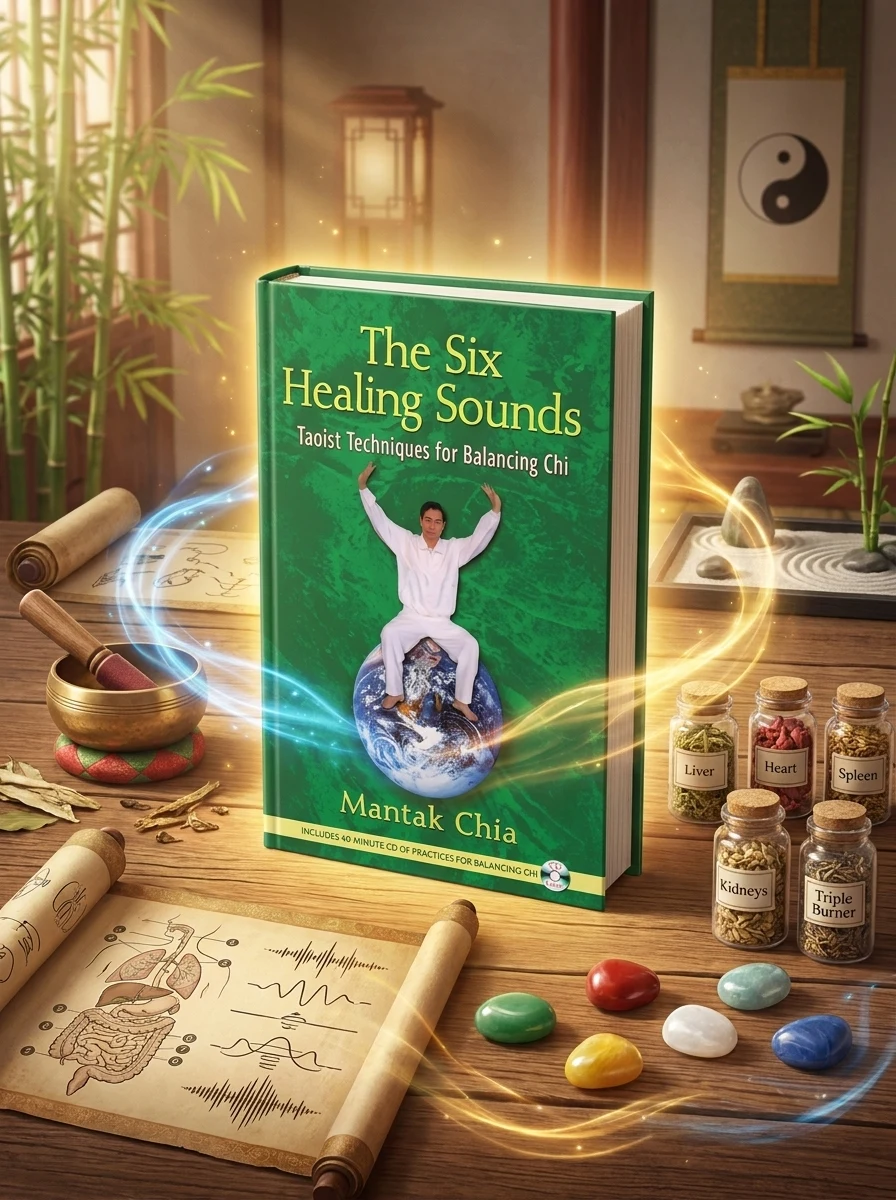
8. The Six Healing Sounds: Taoist Techniques for Balancing CHI — Mantak Chia
While the Tao Te Ching teaches the mind to be still, this work teaches the organs to be balanced. By using specific sounds to clear emotional and physical blockages, this guide provides a somatic experience of the balance described in the verses. It is an essential tool for those who wish to clear the internal "clutter" that prevents the Tao from flowing freely through the body.
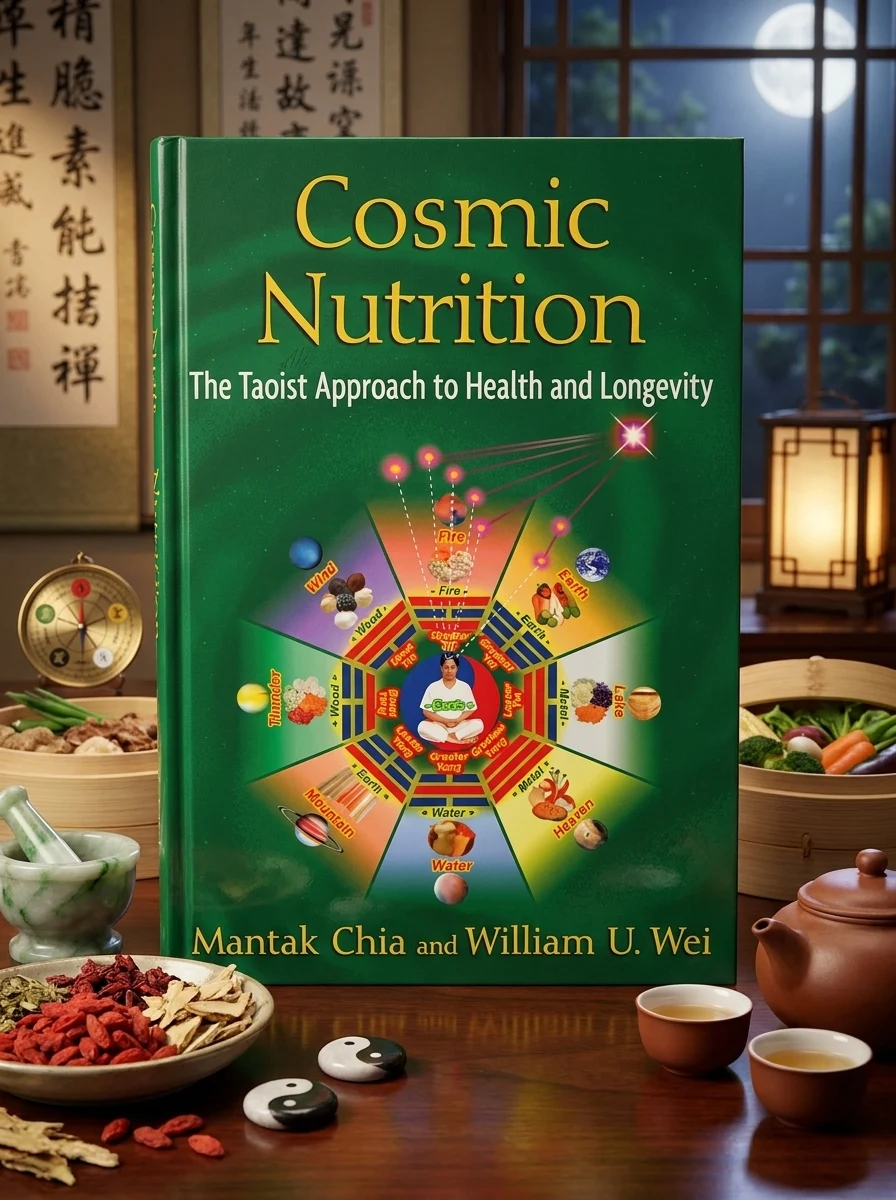
9. Cosmic Nutrition: The Taoist Approach to Health and Longevity — Mantak Chia & William U Wei
The Tao is not just a mental state; it is present in the food we eat and the air we breathe. This book integrates spiritual wisdom with nutritional science, teaching the reader how to align their diet with the rhythms of nature. For the student of the Tao Te Ching, this represents the physical manifestation of living in harmony with the Way.
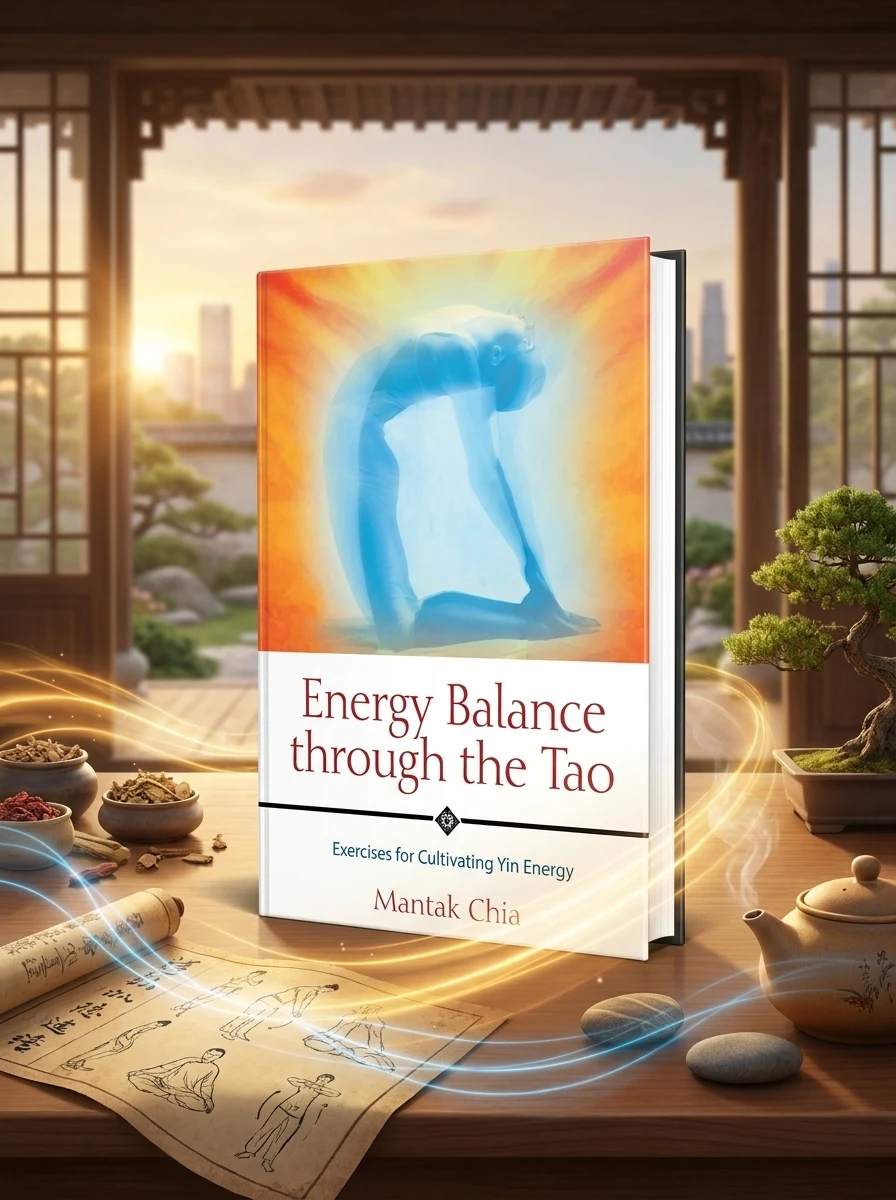
10. Energy Balance Through the Tao: Exercises for Cultivating Yin Energy — Mantak Chia
A recurring theme in the Tao Te Ching is the strength of the soft and the power of the yielding. This book provides the actual exercises to cultivate Yin energy, the receptive and cooling force of the universe. By balancing the active Yang with the receptive Yin, the practitioner achieves the equilibrium that Lao Tzu describes as the hallmark of the sage.
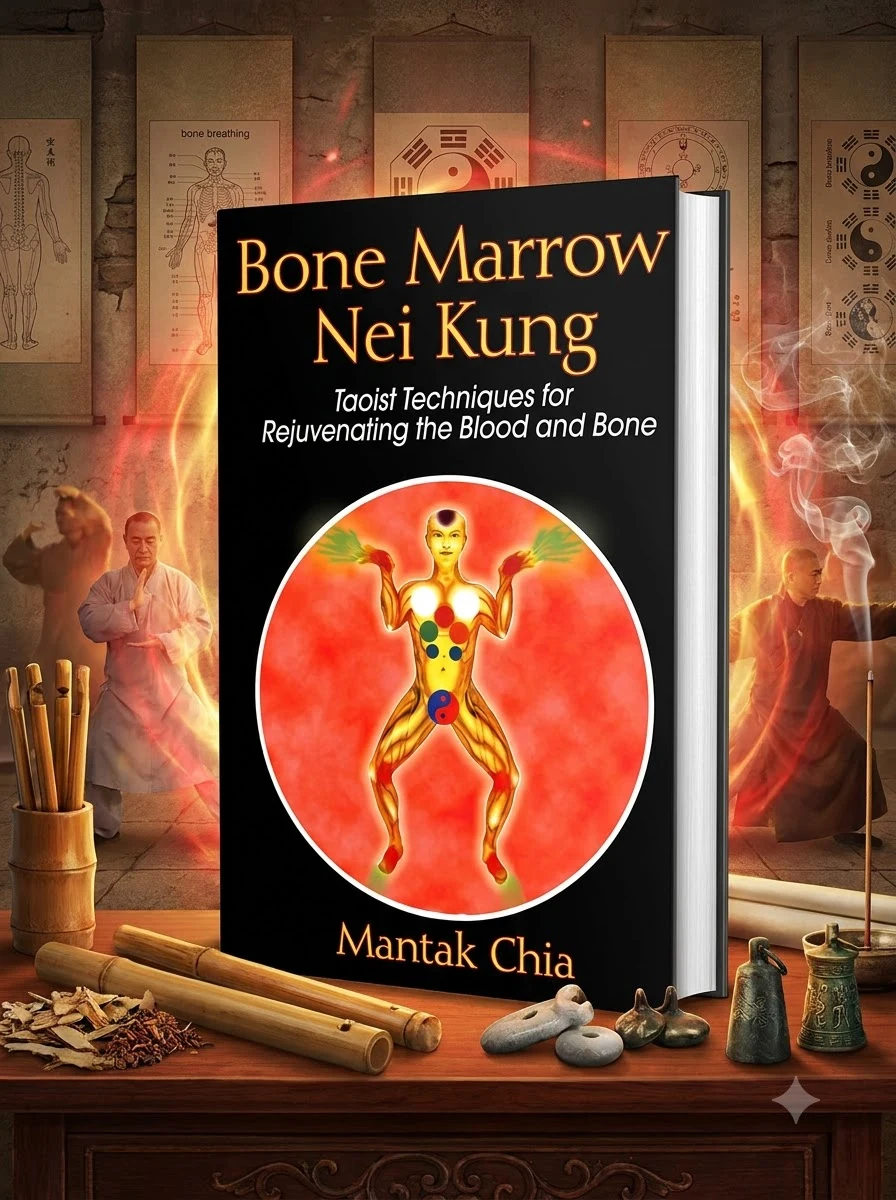
11. Bone Marrow Nei Kung: Taoist Techniques for Rejuvenating the Blood and Bone — Mantak Chia
For those interested in the more esoteric side of Taoist practice, this text explores the internal alchemy of the body. It focuses on the deepest levels of the physical structure, teaching the reader how to rejuvenate the body from the inside out. This is the practical application of the Taoist quest for immortality and vitality.
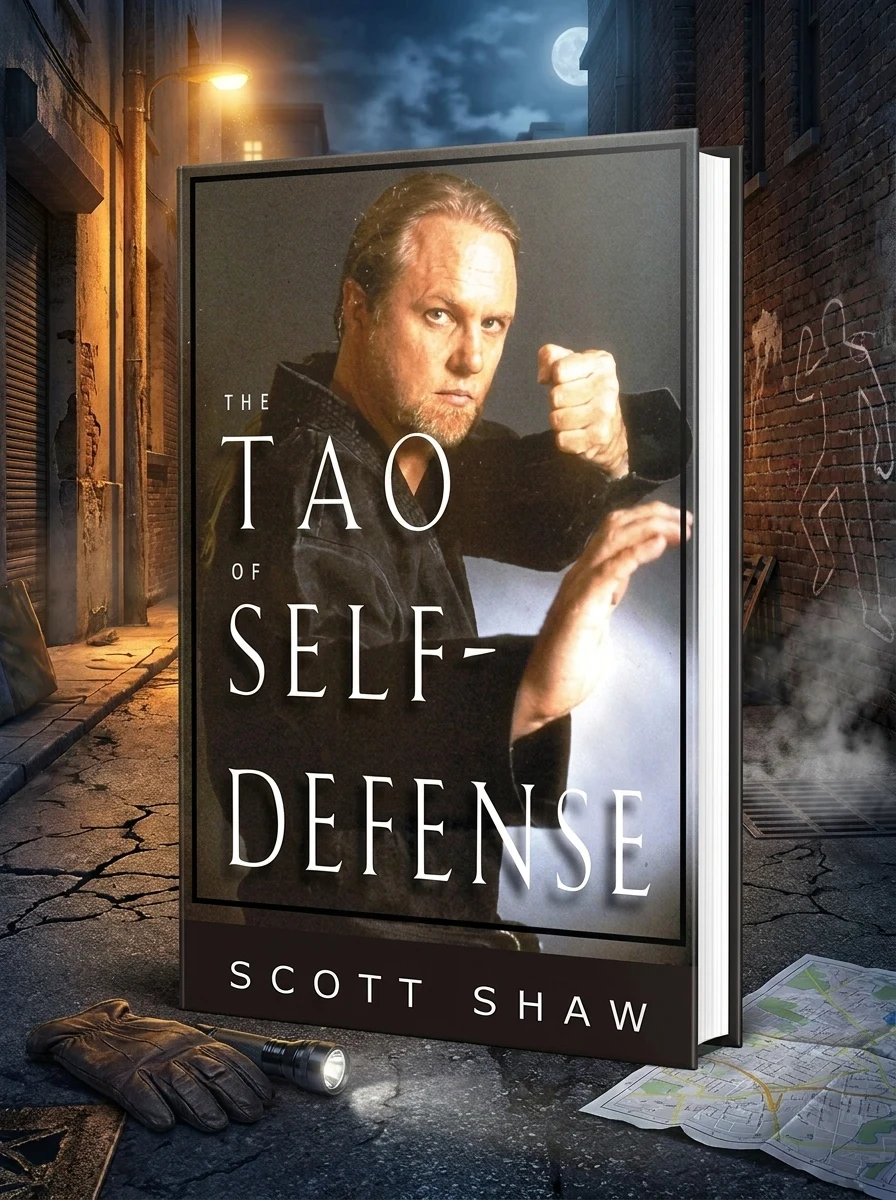
12. The Tao of Self-Defense — Scott Shaw
The Tao Te Ching often discusses the art of winning without fighting. This book applies that philosophy to the physical act of protection. It is not merely a manual on combat, but a guide to inner power and heightened awareness, teaching the practitioner how to use the opponent's energy against them—a physical manifestation of the principle of yielding.
How to Choose Your First Taoist Text
Selecting from these Tao Te Ching books depends entirely on your current spiritual hunger. If you are in a phase of intellectual discovery, start with the Dale and Hubbard translation for its poetic clarity or the Jean Levi volume for a comprehensive historical foundation. These texts provide the map, but they are not the territory.
If you find that you already know the theory but struggle to live it, move toward the practical guides. Leonard Willoughby is the best choice for those who want a psychological approach, while Solala Towler is ideal for those who learn through narrative and intuition. If your focus is on physical health, the works of Mantak Chia offer a structured path to energetic mastery.
Finally, remember that Taoism is not a religion of dogma, but a path of alignment. You do not need to read these books linearly. Often, the most profound insights come from opening a translation of the Tao Te Ching to a random page and then reading a corresponding practical exercise in a companion text. Let the process be as effortless as the Tao itself. By combining the philosophical verses with somatic practices like those found in the energy work guides, you create a holistic practice that addresses the mind, body, and spirit simultaneously.