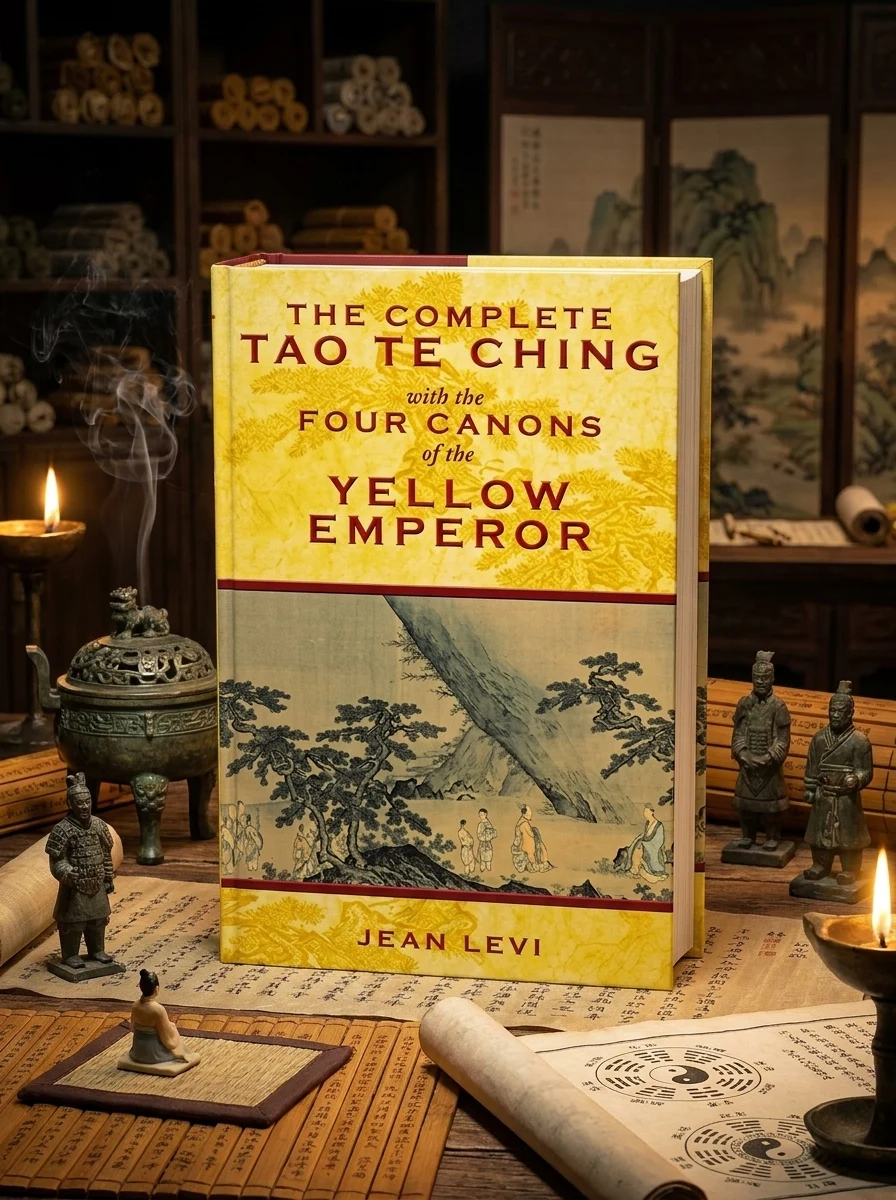
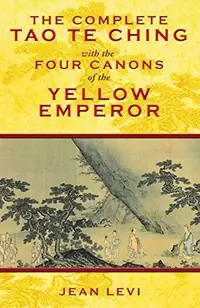
The Complete Tao Te Ching with the Four Canons of the Yellow Emperor
This edition can be ordered. No arrival date is confirmed.
Unearth foundational Chinese wisdom, finally presented as a unified, ancient whole.
This groundbreaking volume by Jean Levi restores the complete vision of early Chinese thought, bringing together the earliest known versions of the Tao Te Ching with the long-lost Four Canons of the Yellow Emperor. Rediscovered in 1973 at Mawangdui, these silk manuscripts, dating to around 200 BCE, reveal a deliberate pairing of philosophical profundity and practical statecraft. Levi's meticulous translation offers an unprecedented look at how these two seminal works were originally intended to be read, providing a holistic understanding of ancient governance, metaphysics, and self-cultivation.
This volume bridges the foundational traditions of early Chinese philosophy and statecraft, presenting a unified view of ancient wisdom that merges metaphysical depth with practical governance. It highlights the historical connection between Taoist thought and the administrative strategies of the Yellow Emperor's era.


📝 Description: The Complete Tao Te Ching with the Four Canons of the Yellow Emperor
💎 Expert review
📖 Why choose it
Why this book is worth reading
Readers seeking a holistic understanding of ancient Chinese thought will find profound value in this restoration of early philosophical unity. Jean Levi’s meticulous work invites those interested in the intersection of metaphysics and practical statecraft to explore how governance and self-cultivation were originally intertwined. It is ideal for scholars or enthusiasts who wish to move beyond fragmented interpretations and engage with the deliberate pairing of philosophical profundity and administrative strategy as intended two millennia ago.
⭐ Reader reviews
Reader rating
This volume offers a rare glimpse into the cohesive vision of early Chinese thought, meticulously restoring the connection between the Tao Te Ching and the Four Canons of the Yellow Emperor. While Levi’s translation provides unprecedented insight into ancient governance and metaphysics, it demands patience from readers accustomed to simplified spiritual summaries. It does not suit those seeking quick, aphoristic comfort or purely mystical escapism; rather, it challenges the reader to engage with dense historical context and complex political philosophy. The result is a rigorous, scholarly experience that rewards deep engagement with primary sources.
❓ Frequently asked questions
📖 Who should read this
If you seek to deepen your understanding of ancient Chinese philosophy beyond the familiar, or are a dedicated student of Taoism and statecraft, this book is essential. It offers a unique opportunity to engage with these foundational texts as they were originally conceived, providing unparalleled historical and philosophical insight.
🎯 Key themes and symbolism
Holistic Ancient Wisdom
This edition uniquely positions the Tao Te Ching alongside the Four Canons, demonstrating their original intent as complementary texts. It reveals how profound philosophical insights into the Tao were meant to inform practical matters of governance, military strategy, and personal development, offering a more complete picture of early Chinese thought than previously understood from fragmented sources.
Practical Governance Principles
The Four Canons of the Yellow Emperor provide concrete guidance on the art of ruling, encompassing not only statecraft and military tactics but also metaphysical principles that underpin societal harmony and individual meditation practices. This rediscovered text offers a fascinating glimpse into the practical application of Taoist ideals in ancient administration and leadership.
Authentic Textual Restoration
Utilizing the Mawangdui and Guodian silk manuscripts, discovered in 1973, this work presents the Tao Te Ching in its earliest known forms. This archaeological discovery not only provides a more authentic and older version of the classic text but also crucially includes the Four Canons, highlighting a deliberate compilation that redefines our understanding of these foundational documents.
💬 Quotes from the book
“The greatest leader governs not by force, but by allowing the natural order to unfold, guiding without interfering, and the people thrive without knowing the hand that shaped their peace.”
“To achieve mastery in war, one must first master the inner landscape of the mind, understanding the subtle currents of human nature and the inherent patterns of the world.”
📜 Historical context
📚 Glossary
- Tao Te Ching
- Four Canons of the Yellow Emperor
- Mawangdui
📔 Questions to reflect on
- How might integrating philosophical wisdom with practical governance principles change modern leadership approaches?
- Reflect on a time when 'non-action' or allowing things to unfold naturally led to a more favorable outcome than direct intervention in your own life or work.
- Consider the implications of discovering ancient texts that alter our fundamental understanding of historical philosophical traditions. How does this impact our perception of 'truth'?
🏛 Books from this publisher Inner Traditions International
All books from this publisher →


You might also like
See more →

 91
91