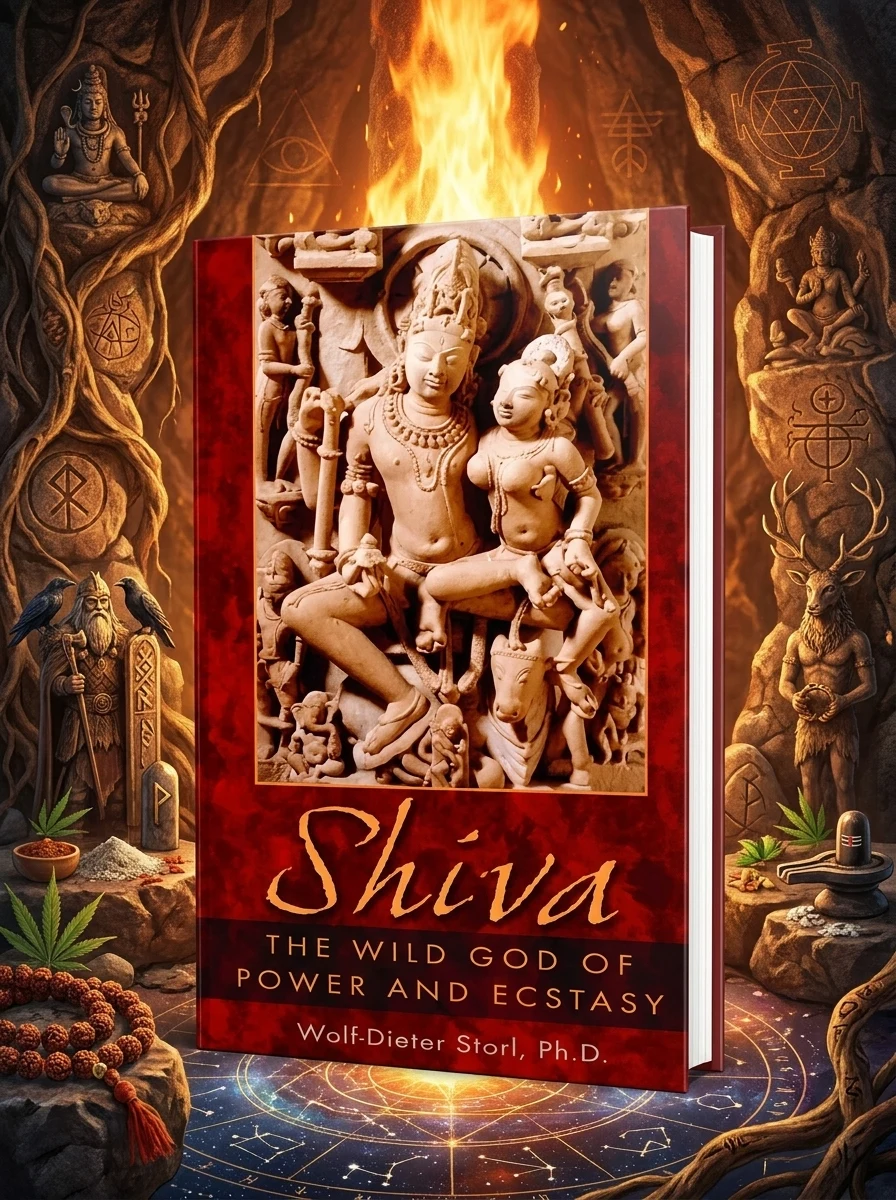
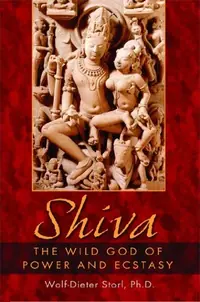
Shiva: The Wild God of Power and Ecstasy
This edition can be ordered. No arrival date is confirmed.
Unveil Shiva: cosmic fire, primal shaman, and the ultimate paradox of spirit.
Wolf-Dieter Storl's compelling exploration delves into the multifaceted nature of Shiva, revealing him as more than just a Hindu deity. This work meticulously traces Shiva's shamanic origins, drawing fascinating parallels with ancient figures like Odin and Cernunnos, suggesting a shared Paleolithic spiritual lineage. From his role as the cosmic pillar of creation to the intimate 'Lord of Animals' and ecstatic lover, Storl illuminates Shiva's profound relevance to contemporary culture, Tantric practices, and even offers a unique lens through which to view Western dualistic religions, inviting readers into his vibrant, mythical world.
This work situates Shiva within the broader tapestry of esoteric philosophy by tracing his shamanic roots and connecting him to ancient Indo-European deities like Odin and Cernunnos. It frames Hindu mythology as part of a shared Paleolithic spiritual lineage, bridging Eastern tantric practices with Western occult understanding.


📝 Description: Shiva: The Wild God of Power and Ecstasy
💎 Expert review
📖 Why choose it
Why this book is worth reading
Readers seeking a profound reimagining of Shiva beyond traditional Hindu devotion will find this book essential. Wolf-Dieter Storl invites you to discover the cosmic fire and primal shamanism inherent in the deity, offering a vibrant lens for contemporary spiritual life. If you are intrigued by Tantric practices or wish to view Western dualistic religions through a fresh perspective, this exploration provides rich insight. It is perfect for those who appreciate the paradox of spirit and power, allowing you to engage with Shiva as an ecstatic lover and Lord of Animals rather than merely a distant god.
⭐ Reader reviews
Reader rating
Storl delivers a compelling synthesis of shamanic history and mythological analysis, effectively linking Shiva to figures like Odin. However, readers expecting rigorous academic theological critique may find the approach too speculative or poetic. The text does not suit those strictly adhering to orthodox Hindu dogma, as it prioritizes comparative occultism over traditional scripture. It is best for open-minded seekers interested in cross-cultural spiritual lineages rather than those seeking definitive religious instruction. The narrative flows well but demands a willingness to accept unconventional parallels between disparate ancient traditions.
❓ Frequently asked questions
📖 Who should read this
If you are drawn to the wilder currents of ancient spirituality, comparative mythology, or wish to delve beyond conventional interpretations of Hindu deities, this exploration of Shiva will ignite your curiosity. It's for those seeking a profound, ethnological journey into the heart of a cosmic, yet deeply personal, divine presence.
🎯 Key themes and symbolism
Ancient Shamanic Echoes
Storl meticulously uncovers the deep shamanic roots embedded within Shiva's mythology and iconography. He draws compelling parallels between Shiva's attributes, such as his connection to animals as 'Pashupati' and his trickster nature, and those of other ancient, wild deities like the Norse Odin and the Celtic Cernunnos, highlighting a shared, primordial spiritual tradition that predates organized religion.
The Cosmic Paradox
This book brilliantly explores Shiva's inherent contradictions: simultaneously the ultimate cosmic force from which the universe sprang and an intensely approachable, loving deity. He embodies both creation and destruction, asceticism and ecstasy, the universal and the deeply personal. Storl frames Shiva not just as a god, but as the very core of all existence, encompassing every duality.
Modern Spiritual Resonance
Storl connects Shiva's ancient wisdom to contemporary spiritual paths and thought. He examines Shiva's profound relationship with Tantra, revealing how these practices tap into his raw, transformative energy. Furthermore, the book offers insightful perspectives on how understanding Shiva's non-dualistic nature can provide a fresh outlook on the dualistic frameworks often found in Western religious traditions.
💬 Quotes from the book
“Shiva is not merely a god to be worshipped, but a living current, a primal force that echoes through the ancient forests and the deepest chambers of the human spirit.”
“To truly understand Shiva is to embrace paradox: the ecstatic dancer and the silent meditator, the cosmic pillar and the lover of devotees, all contained within a single, boundless being.”
📜 Historical context
📚 Glossary
- Shiva
- Pashupati
- Tantra
📔 Questions to reflect on
- Reflect on a time you encountered a 'wild' or untamed aspect of nature. How did that experience resonate with the concept of a 'Lord of Animals' like Pashupati?
- Consider the dualities in your own life (e.g., creation/destruction, joy/sorrow, activity/stillness). How might Shiva's embrace of paradox offer a new perspective on these experiences?
- If Shiva represents the core of all beings and a cosmic pillar of fire, what does that imply about the divine potential or primal energy within yourself?
🏛 Books from this publisher Inner Traditions International
All books from this publisher →



You might also like
See more →

 91
91