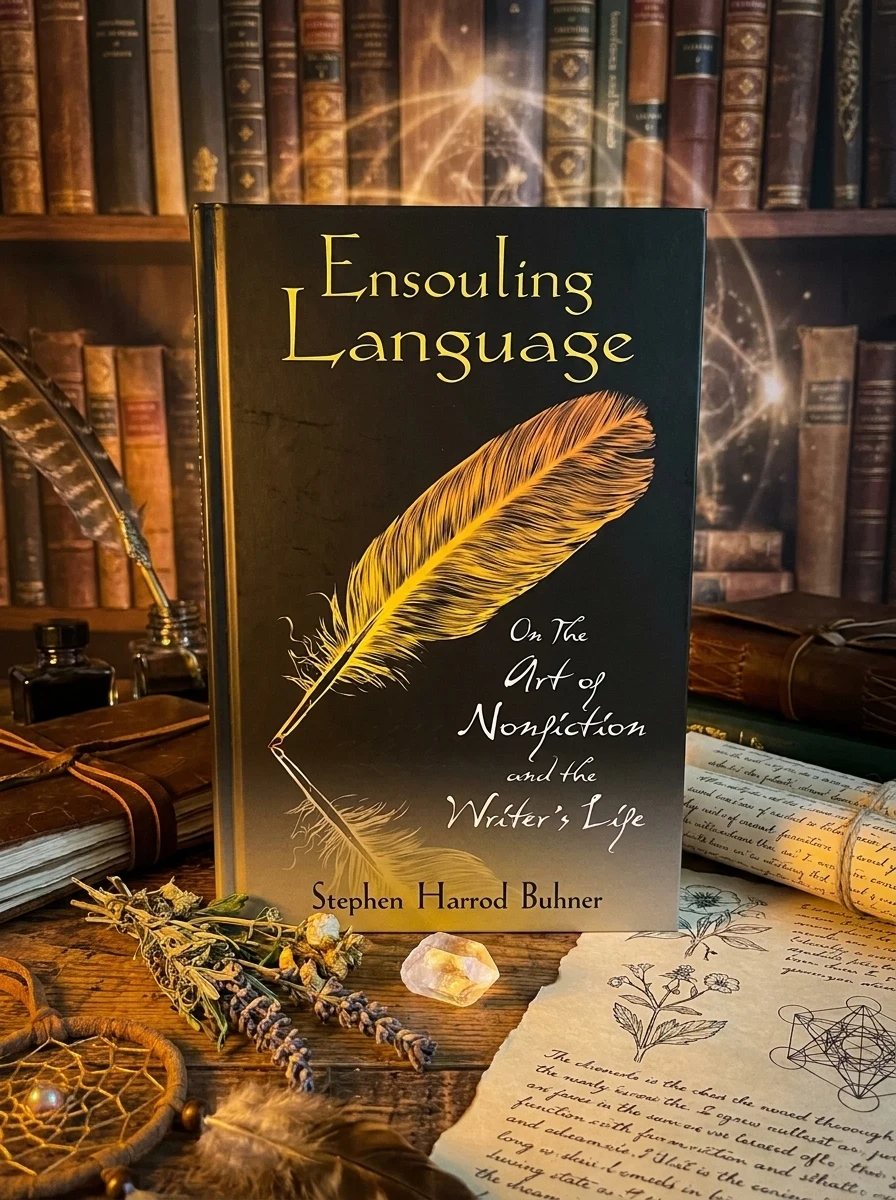
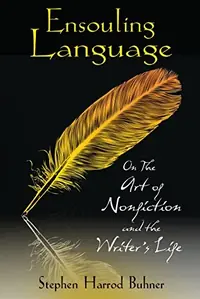
Ensouling Language: On the Art of Nonfiction and the Writer's Life (Original)
Buhner, Stephen HarrodStock reported in the catalog; fulfillment is confirmed with your request.
Uncover the sacred art of writing, infusing your words with profound meaning and soul.
Stephen Harrod Buhner unveils the mystical heart of nonfiction, elevating it beyond mere information into a potent art form. This profound guide reveals how to imbue any writing, even practical instruction, with the luminosity found in great fiction. Buhner explores methods for accessing the subconscious 'dreaming state' crucial for creative flow and cultivates the vital skill of analogical perception. Readers will master intricate linguistic techniques—from sound patterning to foreshadowing—to craft prose that resonates deeply, touches the soul, and evokes a powerful, almost trance-like connection, tapping into language's inherent archetypal power.
This work emerges from the modern esoteric tradition of Inner Traditions International, bridging contemporary creative writing pedagogy with ancient occult and shamanic understandings of language as a living, soulful force.


📝 Description: Ensouling Language: On the Art of Nonfiction and the Writer's Life (Original)
💎 Expert review
📖 Why choose it
Why this book is worth reading
This book is a vital treasure for writers who feel their nonfiction lacks spiritual depth or emotional resonance. It serves as a guiding light for those seeking to transform dry instruction into luminous, soul-stirring prose. By teaching the art of accessing the subconscious dreaming state and mastering analogical perception, it empowers authors to tap into language's archetypal power. If you desire to craft words that evoke trance-like connections and profound meaning, this guide offers the mystical tools necessary to elevate your work from mere information to a potent, sacred art form that truly touches the human spirit.
⭐ Reader reviews
Reader rating
Buhner offers a compelling, if esoteric, approach to nonfiction writing, focusing on the mystical rather than the mechanical. While innovative for those interested in the spiritual dimensions of creativity, this text may frustrate readers seeking practical, technical advice on structure or grammar. It is not suited for those who prefer rigid, objective journalistic standards or those skeptical of occult concepts like archetypal power and subconscious dreaming states. The dense, poetic nature of the prose might alienate readers looking for straightforward, actionable steps, making it a niche choice for the spiritually inclined writer rather than the general practitioner.
❓ Frequently asked questions
📖 Who should read this
If you're a writer seeking to infuse your work with profound meaning and artistic soul, this book is essential. Buhner offers insights into unlocking creative flow, mastering subtle linguistic tools, and connecting with potent, archetypal currents that truly ensoul language, elevating any prose.
🎯 Key themes and symbolism
Nonfiction's Sacred Transformation
Buhner radically redefines nonfiction, asserting its potential as a profound spiritual practice. He challenges the conventional view, demonstrating how even practical genres like self-help can transcend their utilitarian purpose to convey deep meaning, engage the reader's soul, and achieve an artistic resonance typically associated with high literature.
The Writer's Dreaming State
This work provides actionable methods for writers to reliably enter an altered state of consciousness—a 'dreaming state'—from which genuine inspiration and profound insights emerge. It views writing not just as a mental exercise but as an intuitive, almost shamanic journey, allowing the subconscious to guide the creative process and infuse text with vitality.
Ensouling Language Techniques
Buhner delves into the subtle mechanics of powerful prose, detailing techniques like language symmetry, sound patterning, and the art of foreshadowing. He instructs on inducing 'associational dreaming' in readers, emphasizing the importance of feeling flow and recognizing archetypal resonance to craft words that not only inform but also deeply move and transform.
💬 Quotes from the book
“True nonfiction does not merely inform; it awakens, resonating with the ancient hum of creation and leading the reader into a deeper communion with truth.”
“To write with duende is to allow the molten core of meaning to flow through your pen, carving canyons in the reader's heart and spirit.”
📜 Historical context
📚 Glossary
- Ensouling Language
- Dreaming State
- Duende
📔 Questions to reflect on
- How do you currently define 'nonfiction,' and how might Buhner's perspective challenge or expand that definition for your own writing practice?
- Reflect on a time when a piece of writing deeply moved you. What specific elements contributed to that profound experience, and how might you consciously cultivate such 'duende' in your own work?
- Consider your own creative process. What practices, if any, do you employ to access an altered or 'dreaming state' before writing, and how could you deepen this connection to your subconscious wellspring?
✍️ More books by this author Buhner, Stephen Harrod
All books by this author →
🏛 Books from this publisher Inner Traditions International
All books from this publisher →

You might also like
See more →

 91
91