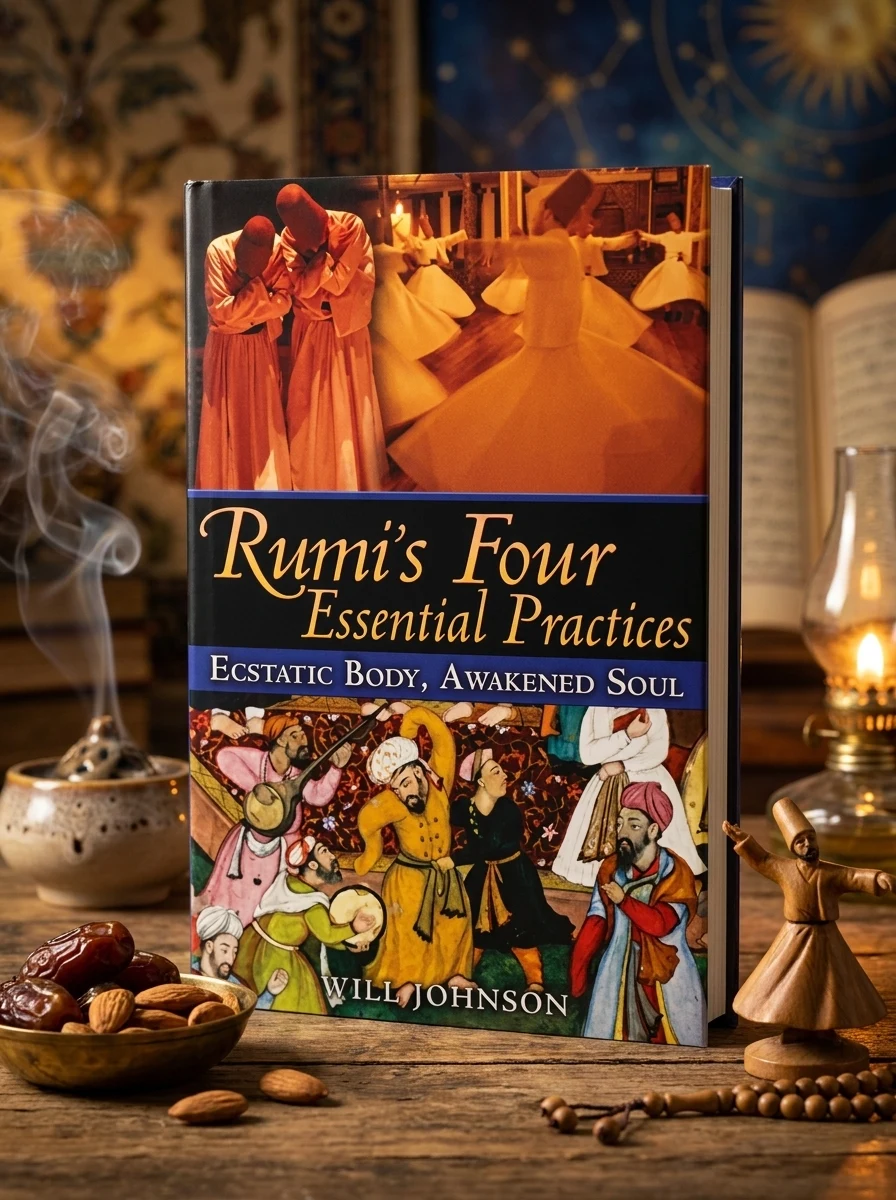
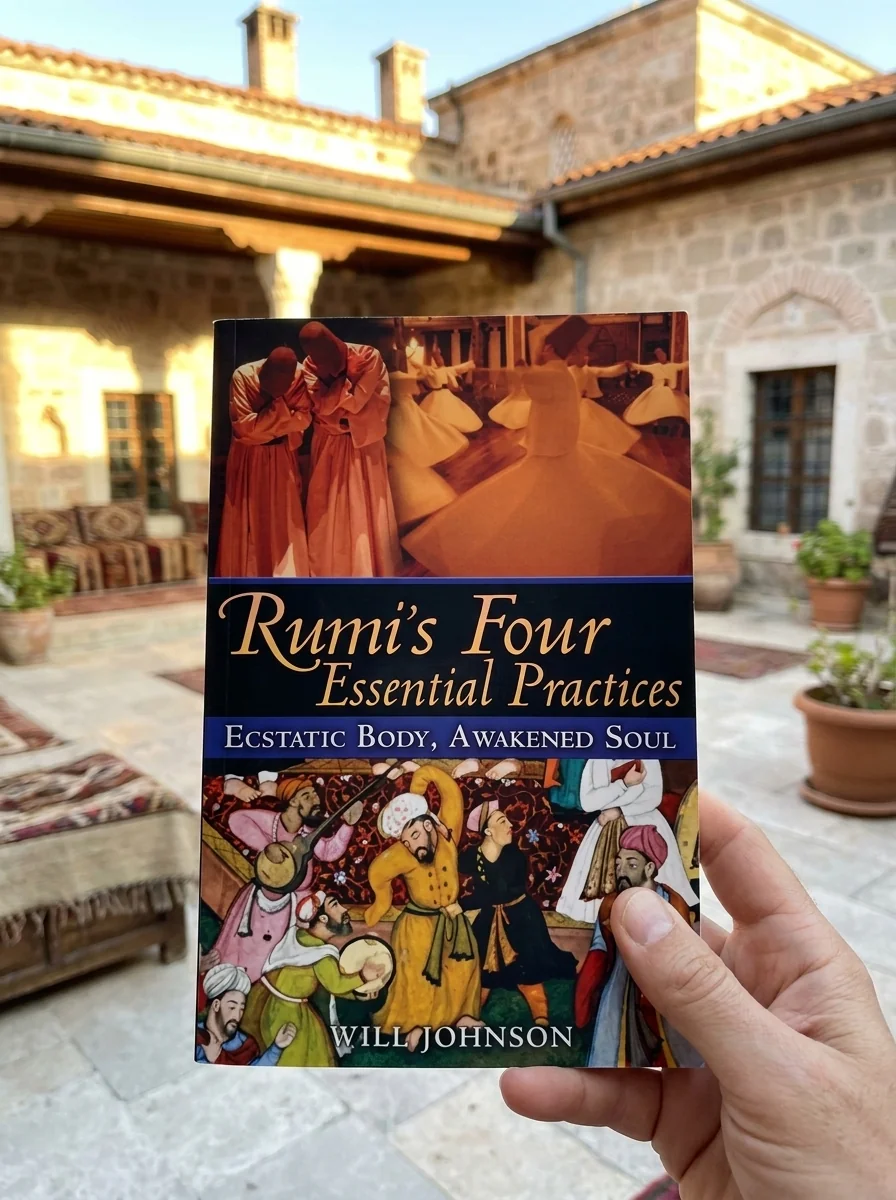
Rumi's Four Essential Practices: Ecstatic Body, Awakened Soul
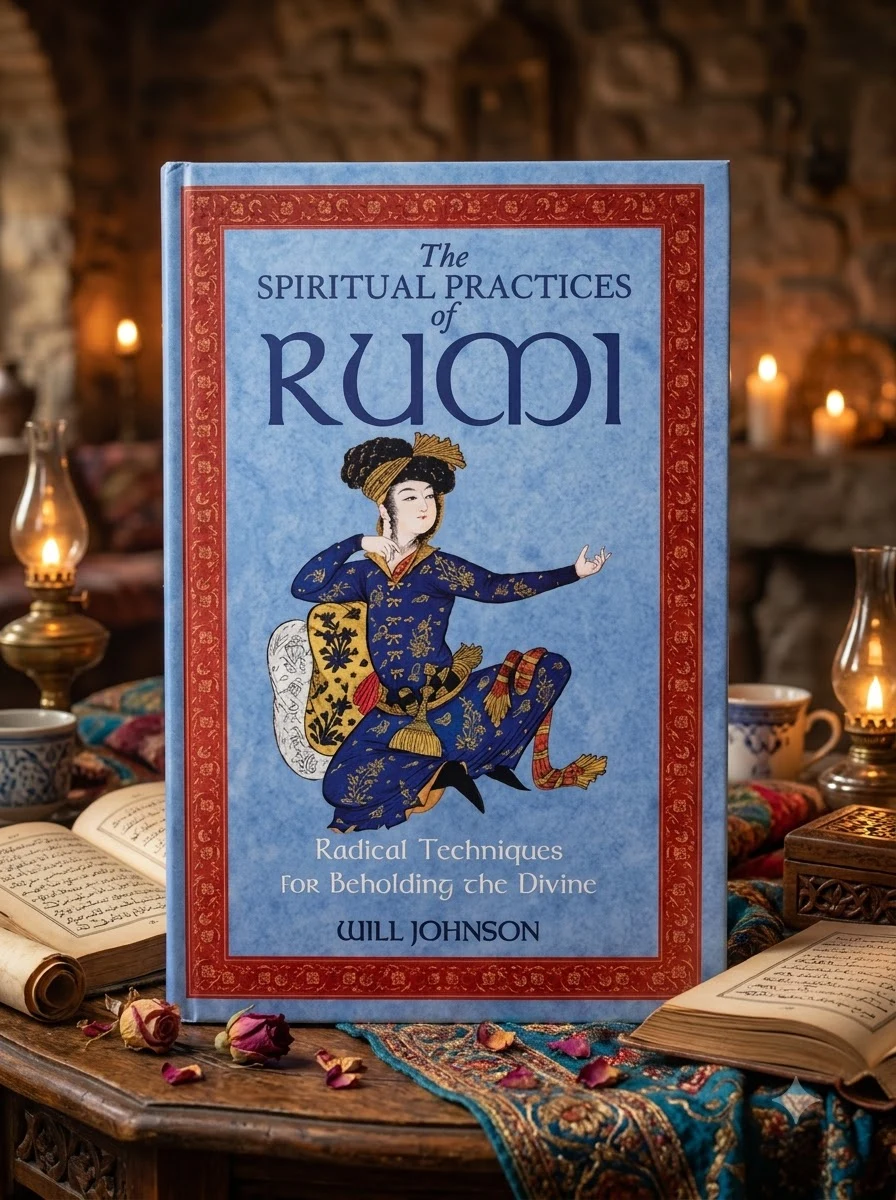
✍️ Johnson, WillWill Johnson delves into the profound wisdom of the 13th-century Sufi mystic Rumi, revealing how his quest for divine union transcended rigid religious dogma. This work doesn't merely present Rumi's poetic brilliance; it offers a practical guide to his transformative spiritual journey. By exploring four essential physiological practices – mindful eating, deep breathing, free movement, and focused gazing – readers are invited to shed the ego's constraints and experience a direct, ecstatic connection with the divine, moving Rumi's theoretical insights into tangible, embodied spiritual work.


Praise for this book
“Rumi speaks with the voice of our own age and our own hearts. Nowhere is this more clear than in this compelling and moving book by one of the most interesting, innovative, and creative spiritual thinkers and practitioners of our time. I recommend Will Johnson's guidance into Rumi's world to all who seek the freedom and joy that Rumi offers.”
📝 Description: Rumi's Four Essential Practices: Ecstatic Body, Awakened Soul
📑 What's inside
- Introduction 1. A Religion of Intoxicated Love and Ecstasy
- 2. Eating Lightly
- 3. Breathing Deeply
- 4. Moving Freely
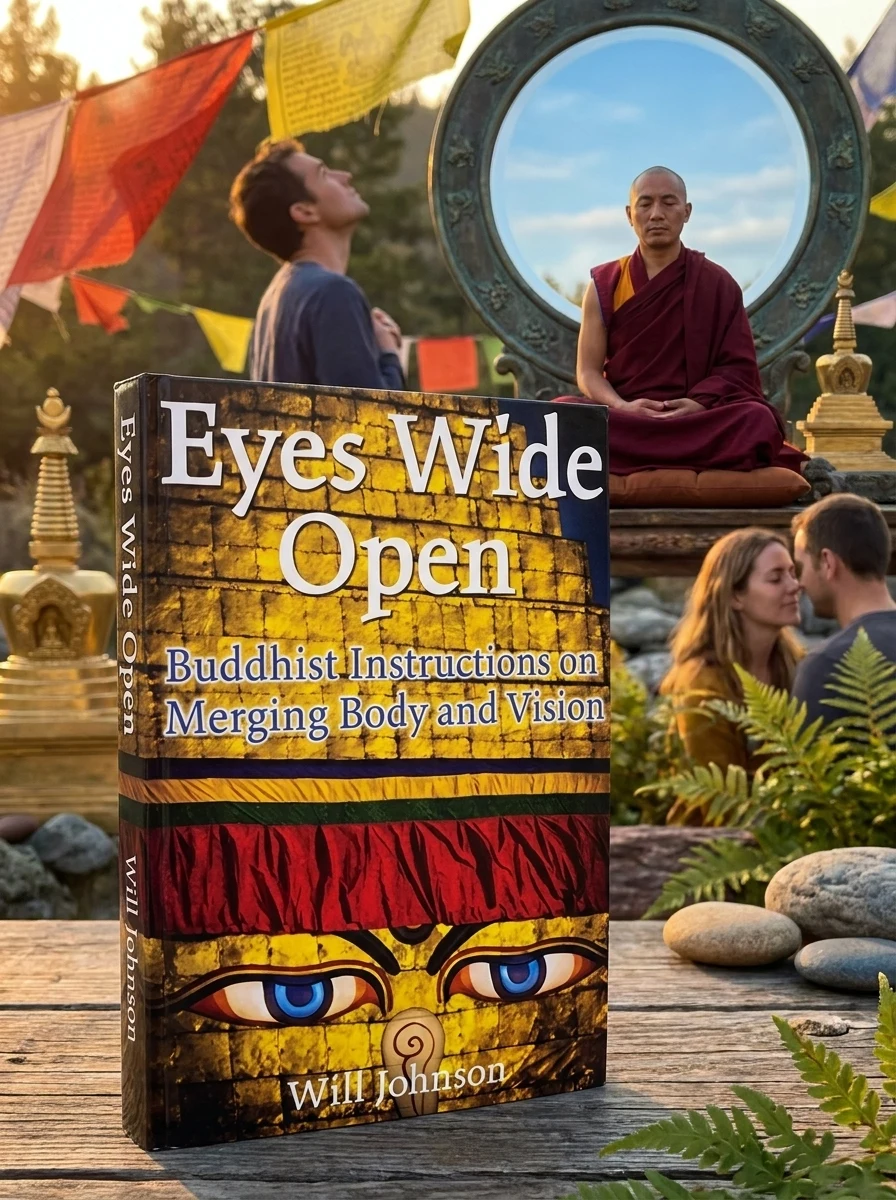
- 5. Gazing Raptly
- A Note About the Translations
💎 Expert review
📖 Why choose it
Why this book is worth reading
Readers seeking a tangible, physical approach to spiritual growth will find immense value in this guide. It is ideal for those who feel disconnected from rigid religious structures and crave a direct, ecstatic experience of the divine through their own bodies. If you have previously struggled with purely intellectual or theoretical spiritual texts, this book offers a refreshing shift toward practical application. By focusing on simple physiological acts like breathing and movement, it empowers individuals to shed ego constraints without needing complex philosophical backgrounds. It serves as a gentle yet profound invitation for modern seekers who wish to integrate ancient wisdom into their daily physical lives, offering a clear path to ecstatic liberation through accessible, embodied practices.
⭐ Reader reviews
Reader rating
Johnson successfully translates Rumi’s poetic mysticism into actionable physiological techniques, making the esoteric accessible to the modern practitioner. The focus on mindful eating and free movement provides a unique entry point into Sufi thought that avoids dense academic jargon. However, this book will not suit readers who prefer rigorous theological analysis or historical criticism over spiritual application. Those seeking scholarly debate on 13th-century Persian literature may find the practical focus lacking in depth. It is best appreciated by those willing to engage in embodied practice rather than detached observation. While it lacks academic rigor, it excels as a devotional manual for sincere practitioners ready to explore divine union through their own senses and movements.
❓ Frequently asked questions
📖 Who should read this
If you yearn for a direct, experiential connection to the divine beyond rigid dogma, or seek to understand Rumi not just as a poet but as a radical spiritual guide, this book is for you. It offers practical tools for a deeply personal mystical awakening, integrating body and soul.
🎯 Key themes and symbolism
Embodied Spiritual Practice
Johnson meticulously decodes Rumi's personal revelation: that profound spiritual awakening isn't purely intellectual but deeply physiological. By engaging specific bodily disciplines—eating lightly, breathing deeply, moving freely, and gazing intently—one can cultivate a powerful, direct path to inner divinity, transcending mere intellectual understanding and fostering a lived spiritual experience.
Dissolving the Self
This book elucidates how Rumi's practices serve as a potent alchemical process, designed to dismantle the ego's rigid structures. Through these intentional actions, the self's persistent need for a separate identity begins to wane, paving the way for a boundless state of transcendent ecstasy and an ultimate, unmediated union with the divine, free from personal limitations.
Rumi's Practical Mysticism
Moving beyond abstract interpretations, Johnson grounds Rumi's profound mystical insights in actionable steps. The text transforms Rumi's poetic metaphors for finding God into a tangible, experiential methodology. It demonstrates how his abandonment of institutionalized forms of worship led to a highly personal, embodied spiritual technology, accessible to all sincere seekers of truth and connection.
📜 Historical context
📚 Glossary
- Sufi
- Ecstasy
- Divine Union
📔 Questions to reflect on
- How do your current daily habits either hinder or support a sense of deep, embodied spiritual connection?
- Consider one of the four practices (eating, breathing, moving, gazing). How might you consciously integrate it more fully into your life to foster a sense of the divine?
- Reflect on moments when you've felt a sense of 'self' dissolving. What conditions were present, and how does that align with Rumi's path as described?