

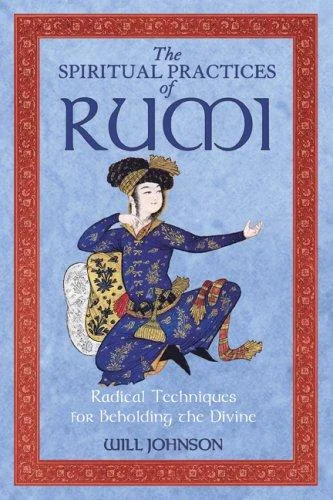
The Spiritual Practices of Rumi: Radical Techniques for Beholding the Divine (Edition, New of Rumi: Gazing at the Beloved)
✍️ Johnson, WillWill Johnson meticulously unveils the profound spiritual journey of Jalaluddin Rumi, ignited by his fabled encounter with Shams-i-Tabriz. This book explores the radical, yet deceptively simple, practice they shared: sustained eye-gazing. Through Rumi's own eloquent verses and prose, Johnson illuminates how this direct, intimate beholding served as a potent gateway to ecstatic divine union, transforming the renowned Sufi master. Discover how this ancient, powerful technique can awaken a similar spiritual revelation within yourself.


Praise for this book
“Since meditation is so often seen as a solitary practice, and since so many of our human interactions are superficial avoidance of genuine intimacy, I wholeheartedly recommend this book. Because of its meditative nature, and because of its promise of opening the heart and vision to the deeper nature of all around us, it seems especially appropriate for those engaged on the Ovate and Druid paths.”
📝 Description: The Spiritual Practices of Rumi: Radical Techniques for Beholding the Divine (Edition, New of Rumi: Gazing at the Beloved)
💎 Expert review
📖 Why choose it
Why this book is worth reading
Readers seeking a tangible, visceral path to spiritual connection will find profound value in this guide. It is ideal for those who feel disconnected from abstract theological concepts and crave an immediate, experiential encounter with the sacred. By focusing on the radical simplicity of eye-gazing as a gateway to divine union, the book offers a practical method for awakening inner revelation. Those drawn to the story of Rumi’s transformation through Shams-i-Tabriz will appreciate how ancient techniques are presented not just as history, but as living tools. It serves anyone wishing to deepen their capacity for love and presence by beholding the Beloved within others and themselves.
⭐ Reader reviews
Reader rating
Johnson presents a compelling case for sustained eye-gazing as a potent spiritual technology, drawing richly from Rumi’s verses to illustrate ecstatic union. The approach is refreshing in its directness, offering readers a clear method for accessing deeper states of consciousness. However, it does not suit those who prefer scholarly, historical analysis over practical application or who are skeptical of mystical immediacy. Readers seeking dense academic critique may find the tone too devotional. It is best appreciated by those ready to engage in embodied practice rather than intellectual dissection, making it a niche but powerful resource for active practitioners of contemplative traditions.
❓ Frequently asked questions
📖 Who should read this
If you are drawn to the mystical heart of Sufism, curious about Rumi's personal spiritual evolution beyond his poetry, or seeking direct, experiential paths to divine connection, this book offers profound insights. It's for those ready to explore radical techniques for inner transformation.
🎯 Key themes and symbolism
The Transformative Encounter
Johnson meticulously details the pivotal 1244 meeting between Rumi and Shams-i-Tabriz, an event that reshaped Rumi’s spiritual path. The book explores how their immediate, intense connection transcended conventional teacher-student dynamics, leading to a ninety-day retreat that birthed an entirely new form of mystical practice and ignited Rumi’s poetic genius.
Gazing as Devotional Practice
This work reveals the core of Rumi and Shams' shared technique: sustained, direct eye contact. Johnson explains how this intimate, non-verbal communion served as a "portal to the soul," facilitating a profound spiritual resonance. It’s presented not merely as an act of looking, but as a deliberate, radical method for achieving deep inner connection and transcendent states.
Achieving Ecstatic Union
The ultimate aim of this unique practice, as Johnson illustrates, is the experience of divine union—an ecstatic state where the individual perceives their interconnectedness with the cosmos and the divine. The book uses Rumi's own words to guide the reader toward understanding this ultimate dissolution of self into universal consciousness, a direct experience of the Beloved.
📜 Historical context
📚 Glossary
- Sufism
- Divine Union
- Shams-i-Tabriz
📔 Questions to reflect on
- Consider a moment you felt profoundly connected to another person. How did that connection shift your perception of yourself or the world?
- If the eyes are indeed "portals to the soul," what might you discover by intentionally gazing into the eyes of someone you trust for an extended period?
- Beyond words or actions, what silent practices might open you to a deeper sense of divine presence in your daily life?
✍️ More books by this author Johnson, Will
All books by this author →







🏛 Books from this publisher Inner Traditions International
All books from this publisher →




You might also like
See more →






A teacher featured in this book: Rumi
