US shipping Secure card payment Occult and esoteric books

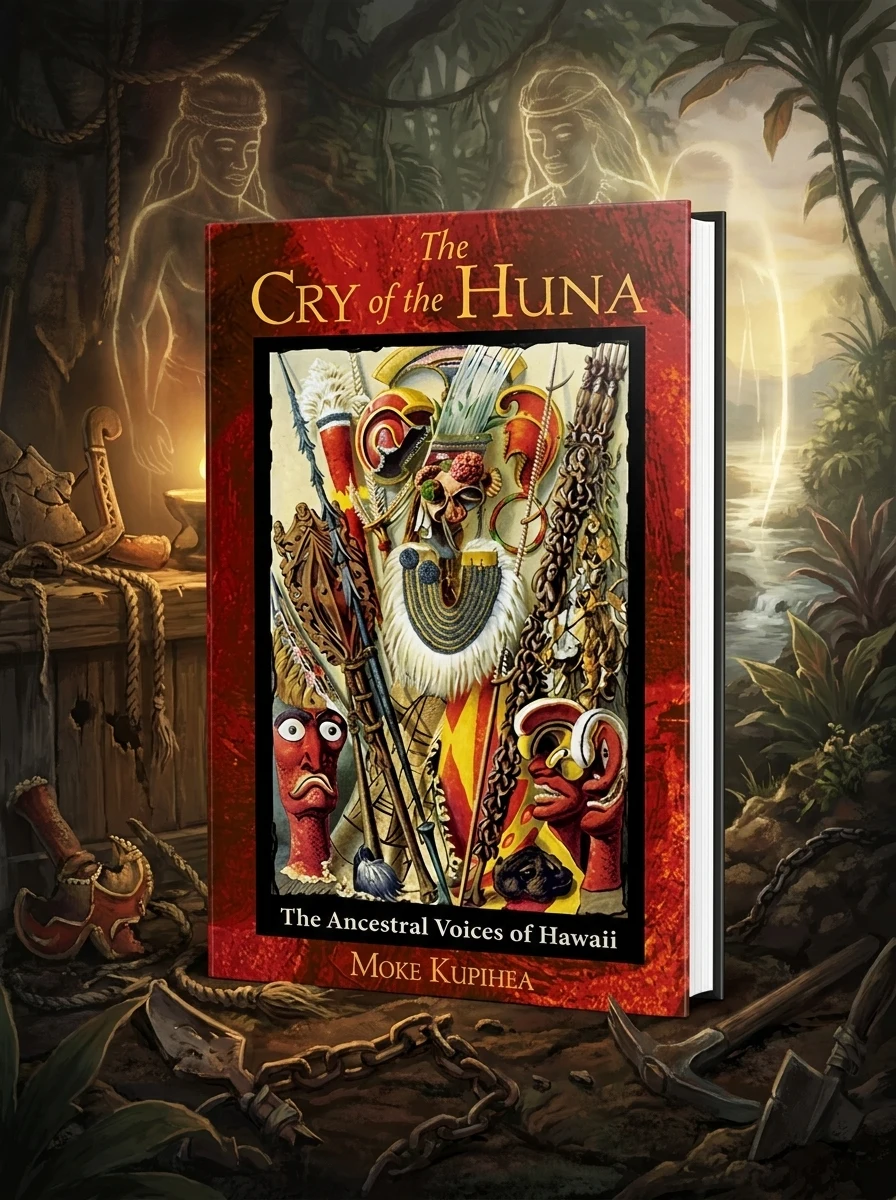
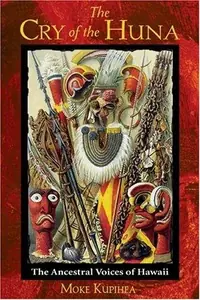
The Cry of the Huna: The Ancestral Voices of Hawaii

Kupihea, Moke
Reader rating
4.6
(1 reviews) 137 sold
Availability to be confirmed

This edition can be ordered. No arrival date is confirmed.

📚 ABOUT THE BOOK

Uncover the forgotten wisdom of Hawaii, a sacred path to ancestral healing and cultural reclamation.

Moke Kupihea, with profound personal insight, delves into the spiritual crisis brought upon Hawaiian culture by colonization. This poignant work illuminates how the severing of ancestral ties led to a deep spiritual malaise, prompting a call for reconnection. It reveals that true fulfillment lies in conscious participation within the unbroken lineage connecting present generations to their sacred origins. By examining the decline of indigenous spirituality, the book offers a powerful framework for understanding healing, not just for Hawaii, but for all traditions grappling with historical trauma and the quest for spiritual renewal.

Key themes
Decimation of Spirituality Healing Through Forgiveness Ancestral Chain Consciousness
Historical context

This work emerges from the contemporary resurgence of Hawaiian spiritual reclamation, addressing the profound impact of colonization on indigenous traditions. It sits firmly within the genre of esoteric anthropology and ancestral healing, offering a counter-narrative to historical erasure.

Difficulty
●● Moderate
Fans will love it
Lynn Andrews · Pualani Kanaka'ole Kanahele · The Secret Language of Flowers · Hawaiian Spirituality
🕯️ Occult Philosophy
🏛 Inner Traditions International 📅 2005 📖 208 pages 📔 Paperback 📐 Paperback ISBN: 9780892811274
Fun fact
Kupihea's 'The Cry of the Huna' is a deeply personal and academically resonant exploration of Hawaiian spiritual heritage. It excels in articulating the profound impact of colonial trauma on indigenous belief systems and offers a compelling vision for restoration through forgiveness and ancestral reconnection. While not a practical how-to guide, its strength lies in its impassioned plea for cultural understanding and spiritual healing. It will resonate with those seeking profound insights into indigenous wisdom and cultural resilience, though readers expecting a manual on Huna practices might find it more philosophical than practical.

📝 Description: The Cry of the Huna: The Ancestral Voices of Hawaii

Explores the breakdown in the chain of cultural transmission that has led to the decimation of Hawaiian spirituality, and how it can be restored - Shows how reconnection to the ancestral ways can be achieved through letting go and forgiveness of the effects of colonization - Reveals how the lessons of the decline of Hawaiian spiritual tradition reflect on other religions - Clarifies the complex nature of Hawaiian ancestral worship Hawaiian spirituality teaches that individuals can be truly fulfilled only if they are conscious participants in the long ancestral chain of witnessing and transmission that connects the present to the time of origins. The Cry of the Huna invokes the author's personal history as he recounts the decline of his people's spiritual tradition as a result of colonization. The breakdown of the Hawaiians' ties with their sacred land led them to forget not only the teachings of their ancestors, but also the chain of na aumakua they form, which connects this people to both the earth and the realm of the gods. While the na aumakua can be viewed with reverence it is not seen or worshiped as a God. Rather it is seen as a part of the chain of life that arose from one god's vision of creation. Aumakua is a compound of makua (parents) and au, the endless ancestral chain that stretches through time. Each individual on earth represents a temporary end to that chain. As we age and our vision of life slowly looks toward death, our descendents come forth to provide the next eyes in the chain of witnessing and transmission. The Cry of the Huna shows how the rupture of this chain has led to widespread alienation. An endless cycle of resentment and revenge is fueled by the loss of the Hawaiians' spiritual birthright. The connection to the aumakua, however, can be reforged, but only by untying the circular cords of revenge to allow forgiveness to occur in the present so that healing can take place in the future.

💎 Expert review

💎
Esoterica Books editorial team
Occult literature desk
Moke Kupihea delivers a poignant exploration of Hawaii’s spiritual crisis with raw honesty and scholarly depth. The text effectively bridges personal narrative with broader anthropological insights, making complex themes of lineage and trauma accessible. However, readers seeking lighthearted travelogues or superficial cultural tourism will find little here; this is a serious meditation on loss and recovery. It may also challenge those unwilling to confront the harsh realities of colonization’s enduring spiritual impact. The work demands emotional engagement rather than passive consumption. For those ready to face the weight of history, it provides an indispensable guide to restoration, though its intensity requires a specific mindset open to deep, transformative reflection on identity and heritage.
✓ EDITOR'S REVIEW

📖 Why choose it

📖

Why this book is worth reading

Readers seeking profound healing from historical trauma and those interested in indigenous wisdom traditions will find this book essential. It offers a powerful framework for understanding how severing ancestral ties causes spiritual malaise, providing a clear path to reconnection. Those grappling with cultural displacement or the quest for spiritual renewal will gain deep insight into the unbroken lineage connecting present generations to sacred origins. Kupihea’s personal narrative illuminates the urgent need for cultural reclamation, making it vital for anyone committed to ancestral healing and preserving the vitality of living traditions against the forces of modern disconnection.

⭐ Reader reviews

The starting rating comes from the team Esoterica Books —
⭐ Esoterica editorial review Editorial rating 4.6/5
★★★★
If you seek a deeper understanding of indigenous spiritual resilience, the impact of colonization, and the transformative power of ancestral connection, this book is for you. It offers profound insights into cultural healing and the universal quest for spiritual wholeness through a uniquely…

Reader rating

4.6
Based on 1 reviews
5
0
4
1
3
0
2
0
1
0
E
Esoterica Books editorial team

Moke Kupihea delivers a poignant exploration of Hawaii’s spiritual crisis with raw honesty and scholarly depth. The text effectively bridges personal narrative with broader anthropological insights, making complex themes of lineage and trauma accessible. However, readers seeking lighthearted travelogues or superficial cultural tourism will find little here; this is a serious meditation on loss and recovery. It may also challenge those unwilling to confront the harsh realities of colonization’s enduring spiritual impact. The work demands emotional engagement rather than passive consumption. For those ready to face the weight of history, it provides an indispensable guide to restoration, though its intensity requires a specific mindset open to deep, transformative reflection on identity and heritage.

❓ Frequently asked questions

While it explores the spiritual philosophy, 'The Cry of the Huna' is more a contemplative journey into the cultural loss and reclamation of Hawaiian ancestral wisdom, rather than a step-by-step manual for Huna practices.
'Huna' broadly refers to the ancient, esoteric wisdom and secret knowledge of Hawaii. The title suggests a deep, heartfelt call to remember and restore these profound ancestral teachings that have been forgotten or suppressed.

📖 Who should read this

If you seek a deeper understanding of indigenous spiritual resilience, the impact of colonization, and the transformative power of ancestral connection, this book is for you. It offers profound insights into cultural healing and the universal quest for spiritual wholeness through a uniquely Hawaiian lens.

🎯 Key themes and symbolism

Decimation of Spirituality

The book meticulously details how external forces disrupted the sacred transmission of Hawaiian spiritual knowledge. It explores the painful process where colonial pressures alienated a people from their land and their heritage, leading to a profound loss of ancestral memory and practice, which Kupihea argues is a wound requiring deep healing.

Healing Through Forgiveness

Kupihea posits that a crucial step in revitalizing Hawaiian spirituality involves a conscious act of letting go and forgiveness. He illustrates how releasing the burdens of colonial trauma is not about forgetting history, but about clearing a path for ancestral wisdom to flow once more, enabling true reconnection with the sacred.

Ancestral Chain Consciousness

Central to Hawaiian spirituality, as presented here, is the concept of an enduring ancestral chain. This isn't mere reverence for the dead, but an understanding of oneself as an integral link in a continuous spiritual lineage, connecting individuals to the earth, the cosmos, and the very origin of life itself, through the 'na aumakua'.

💬 Quotes from the book

“The wind carries the whispers of our ancestors, a soft lament for the sacred knowledge that colonization tried to erase, but could never truly extinguish.”

“To truly mend the broken links, we must first embrace the difficult truth of our past, then find the courage to forgive, allowing the healing waters of aloha to flow once more.”

📜 Historical context

This work stands within the growing tradition of indigenous voices reclaiming and articulating their spiritual heritage following periods of colonial suppression. It echoes the broader global movement to decolonize knowledge and spirituality, offering a vital Hawaiian perspective that emphasizes the interconnectedness of land, ancestors, and personal well-being, contributing to the understanding of shamanic and animistic worldviews.

📚 Glossary

Huna
na aumakua
Ancestral Chain

📔 Questions to reflect on

  1. Reflect on your own ancestral lineage: What stories or traditions have been lost, and how might you begin to reclaim or honor them?
  2. Consider the role of forgiveness in healing historical or personal wounds. How might letting go transform your own spiritual path?
  3. How do you perceive your connection to the natural world and a 'chain of life' beyond your immediate existence? What does conscious participation mean to you?

🏛 Books from this publisher Inner Traditions International

All books from this publisher →
You might also like

See more →