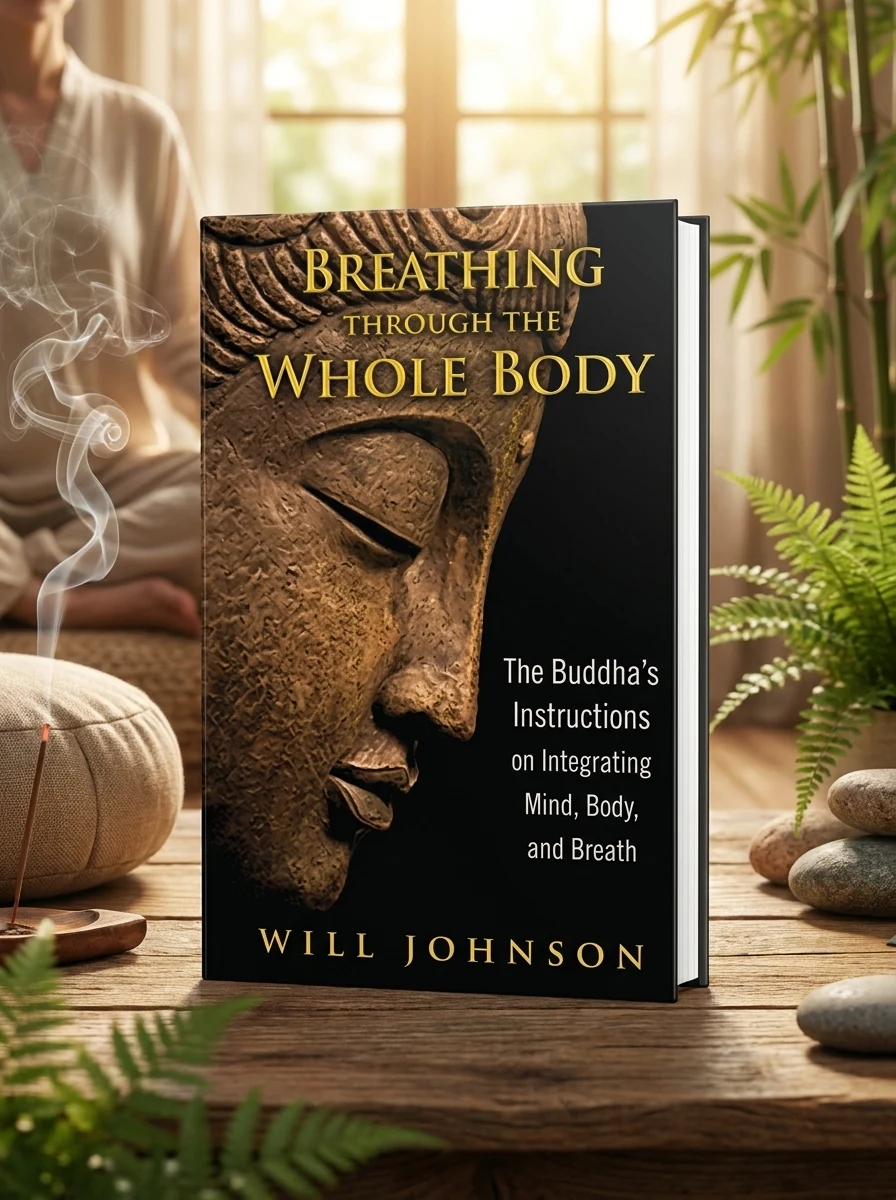
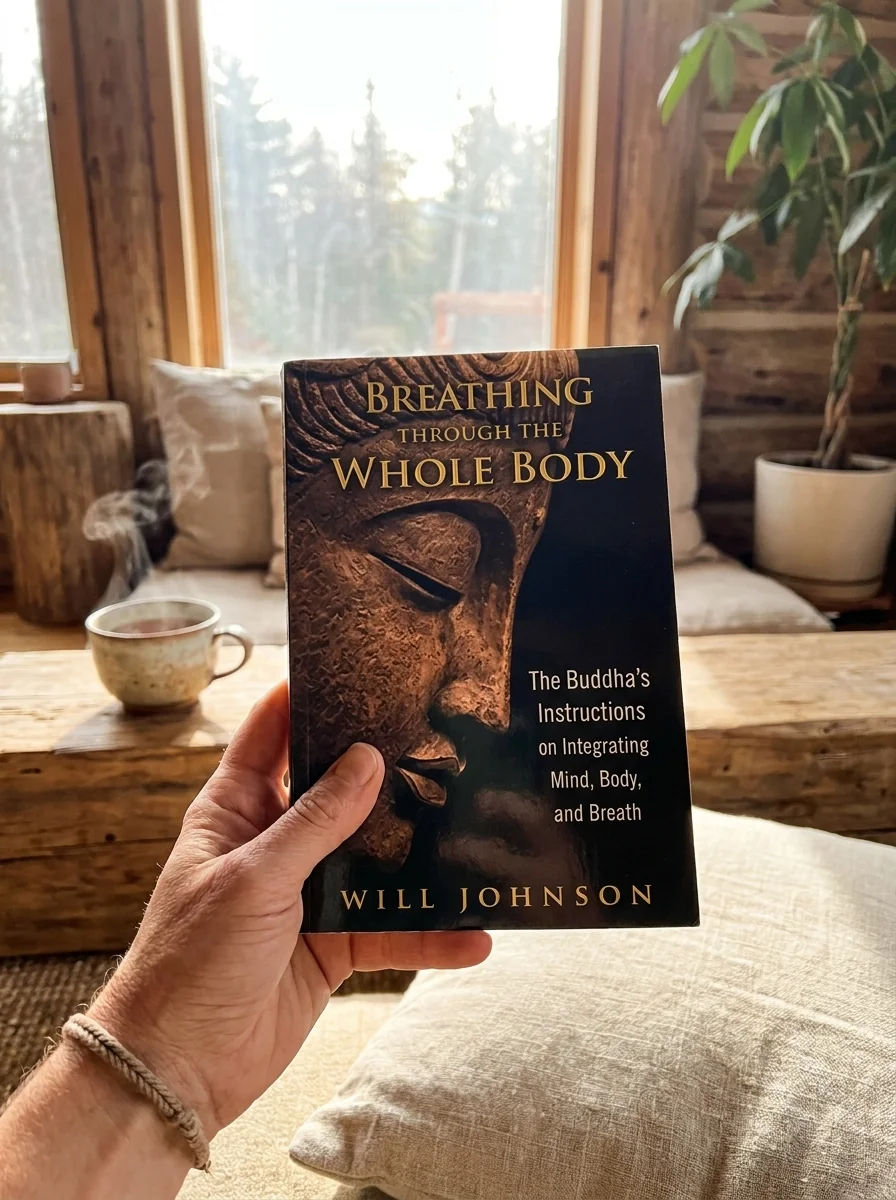
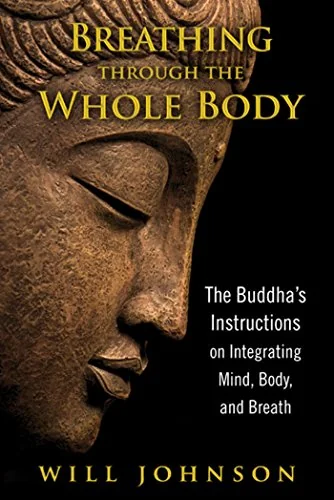
Breathing Through the Whole Body: The Buddha's Instructions on Integrating Mind, Body, and Breath
✍️ Johnson, WillWill Johnson re-examines the Buddha's often-overlooked instructions on breath from the Satipatthana Sutta, presenting a radical approach to meditation. This work guides practitioners to extend breath awareness beyond conventional limits, integrating mind, body, and spirit into a cohesive whole. It reveals how the body's natural movement, rather than rigid stillness, fosters true mental tranquility, offering a path to healing chronic tensions and deepening spiritual insight through conscious, full-body breathing. A transformative perspective for modern meditators.


Praise for this book
“With simplicity and elegance, Will Johnson returns us to the original teachings of the Buddha on embodied spirituality, taking us deeper by teaching us a fuller and more subtle engagement with body and breath, leading directly to the expanse of liberation. This book will be treasured as a brilliant revelation of the spiritual possibilities of our own human mind.”
📝 Description: Breathing Through the Whole Body: The Buddha's Instructions on Integrating Mind, Body, and Breath
📑 What's inside
- Introduction Part One The Foundation of the Body
- 1 A Quiet Place
- 2 The Upright Spine
- 3 Center of Gravity
- 4 Solidity and Vibration
- 5 Stillness and Motion
- 6 Letting Go
- Part Two The Breath of Unending Motion
- 7 Into the Center
- 8 The Koan of Breathing
- Upright Spine
- 9 Calming the Body
- 10 Turning the Wheel
- About the Author Index
💎 Expert review
📖 Why choose it
Why this book is worth reading
This book is ideal for modern meditators who have hit a plateau with traditional, stillness-focused practices or those struggling with chronic physical tension. Will Johnson offers a liberating alternative by revealing how natural body movement can foster genuine tranquility rather than forcing rigid postures. Readers seeking profound healing and deepened spiritual insight will find value in this radical re-examination of the Buddha's breath instructions. It is particularly beneficial for individuals who feel disconnected from their bodies or view meditation as solely a mental exercise, providing them with a cohesive path to integrate mind, body, and spirit through conscious, full-body breathing.
⭐ Reader reviews
Reader rating
Johnson presents a compelling, albeit niche, interpretation of the Satipatthana Sutta that challenges conventional mindfulness dogma. While his argument for embodied movement over rigid stillness is refreshing for those feeling constrained by traditional forms, it may alienate purists or readers seeking strict scriptural adherence without practical reinterpretation. The book excels in offering a tangible, healing-focused approach to breath awareness, making it accessible to those interested in somatic psychology. However, individuals looking for historical academic analysis or purely doctrinal Theravada instruction will likely find the spiritual synthesis too loose. It is best suited for practitioners open to expanding their definition of meditation beyond seated silence.
❓ Frequently asked questions
📖 Who should read this
If you seek to deepen your meditation practice, alleviate chronic physical or mental tension, or explore a more integrated path to spiritual insight, this book offers a refreshing, embodied approach to ancient wisdom. It’s for anyone ready to challenge conventional notions of stillness.
🎯 Key themes and symbolism
Whole-Body Breath Awareness
The book meticulously details how to expand your perception of breath beyond the lungs and abdomen, guiding you to feel it permeate your entire physical form. This practice, rooted in the Buddha's original words, fosters a profound sense of integration, dissolving the artificial boundaries often perceived between the breath, mind, and physical self during meditation.
Redefining Stillness in Meditation
Challenging common misconceptions, Johnson argues that true meditative stillness resides within the mind, not in physical rigidity. He illustrates how inviting natural, responsive movement back into the meditation posture, through full-body breath, actually enhances mental clarity and tranquility, rather than detracting from it. This offers a more fluid and less constrained path to peace.
Breath as a Healing Agent
This work positions conscious, whole-body breathing as a direct and potent tool for therapeutic healing. By extending awareness to areas of chronic tension, both physical and psychological, the breath becomes an agent for release and integration. It illuminates how deep, embodied breathing can alleviate agitation, promoting a sense of wholeness and profound well-being.
📜 Historical context
📚 Glossary
- Satipatthana Sutta
- Whole-Body Breathing
- Stillness (redefined)
📔 Questions to reflect on
- How does your body typically respond to meditation, and what new sensations arise when you consciously invite breath into every part of your form?
- Reflect on areas of chronic tension in your body. How might extending your breath awareness to these areas shift your experience of them?
- Consider the notion of 'stillness.' How does the idea of a still mind within a subtly moving body resonate with your understanding of meditative practice?