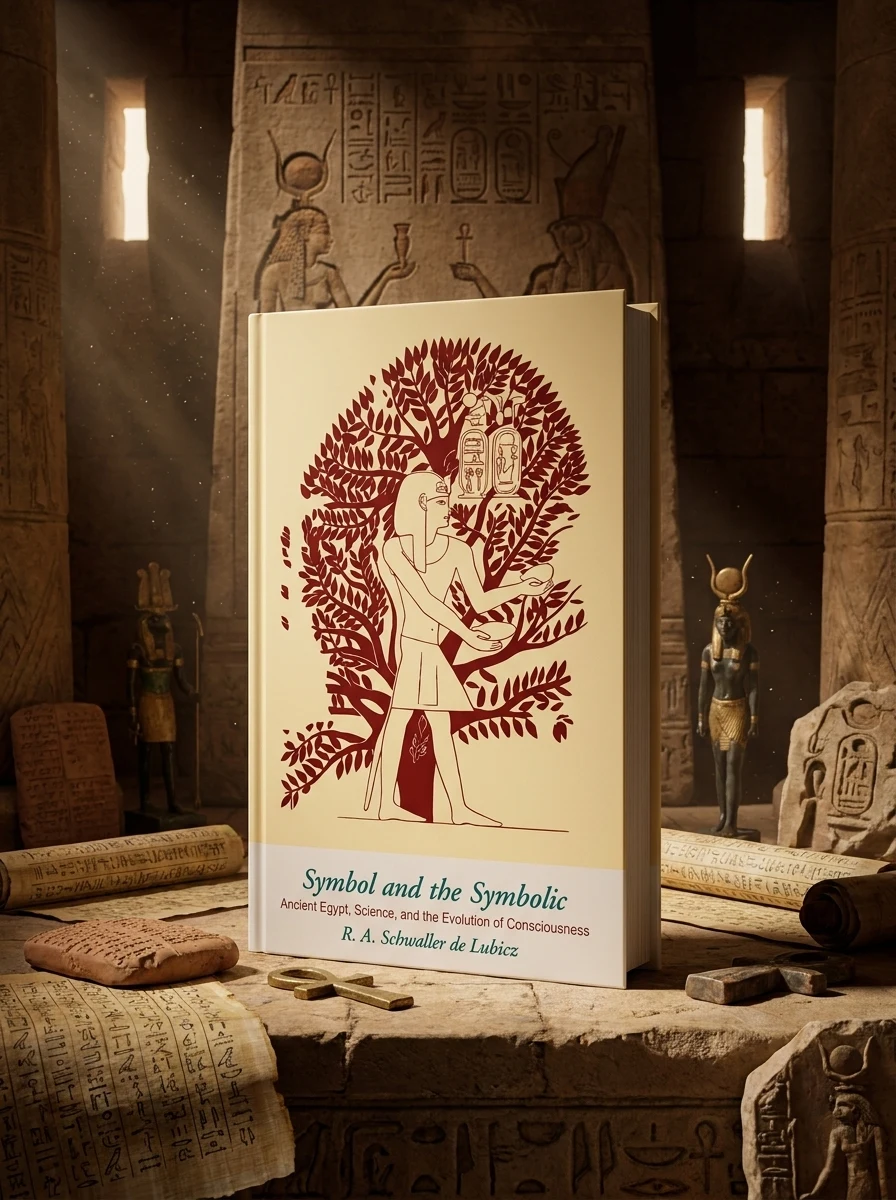
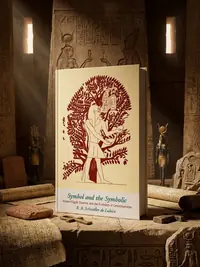

Symbol and the Symbolic: Ancient Egypt, Science, and the Evolution of Consciousness (Original)
Schwaller De Lubicz, R AThis edition can be ordered. No arrival date is confirmed.
Unlock profound understanding by embracing the symbolic mind of ancient Egypt.
Schwaller de Lubicz presents a revolutionary perspective on human intellect, arguing that true advancement in thought transcends mere logic. He posits that the "symbolizing" aspect of our intelligence, deeply cultivated and expressed in ancient Egyptian temple cultures and their hieroglyphic system, offers an intuitive pathway to knowledge. This work explores how symbols are not just representations but living keys to a deeper reality, allowing us to overcome the inherent limitations of purely rational thought and access a more complete consciousness. It's an invitation to perceive the world through an ancient, yet ever-relevant, lens.
This work sits firmly within the esoteric philosophy of ancient Egypt, bridging historical inquiry with metaphysical exploration. It challenges modern rationalist paradigms by reviving the symbolic intellect characteristic of temple cultures.


📝 Description: Symbol and the Symbolic: Ancient Egypt, Science, and the Evolution of Consciousness (Original)
💎 Expert review
📖 Why choose it
Why this book is worth reading
Readers seeking to transcend the rigid boundaries of purely logical thought will find this text profoundly liberating. It is ideal for those fascinated by ancient wisdom traditions who feel that conventional science and rationalism leave a vital dimension of human experience unexplained. By embracing the symbolic mind, you gain access to an intuitive pathway to knowledge that connects deeply with the living reality behind appearances. This book offers a transformative lens for perceiving the world, inviting you to recover a more complete consciousness through the ancient yet ever-relevant keys of Egyptian symbolism.
⭐ Reader reviews
Reader rating
Schwaller de Lubicz presents a rigorous argument that true intellectual advancement requires moving beyond mere logic to embrace symbolic intelligence. The text is dense and demands patience from those accustomed to linear, data-driven explanations. It does not suit readers who prioritize empirical evidence over metaphysical interpretation or those seeking quick, digestible self-help advice. However, for the dedicated philosopher or esotericist willing to engage with complex ideas about consciousness and history, this volume offers a revolutionary perspective on how ancient temple cultures accessed deeper truths through their hieroglyphic system.
❓ Frequently asked questions
📖 Who should read this
If you are drawn to the mysteries of ancient wisdom, seek to understand consciousness beyond conventional psychology, or feel that rational thought alone is insufficient for life's deepest questions, this book offers a profound new perspective. It's for the seeker of alternative epistemologies.
🎯 Key themes and symbolism
The Power of Symbolism
This book unveils symbolism as a fundamental mode of cognition, far surpassing the constraints of linear reason. It argues that symbols provide an intuitive bridge to understanding complex truths, allowing for a holistic grasp of reality that intellectual analysis alone cannot achieve. Schwaller de Lubicz illustrates how this symbolic faculty connects us to universal principles.
Ancient Egyptian Consciousness
Discover how the sophisticated civilization of ancient Egypt, particularly through its temple architecture and hieroglyphic language, embodied a highly developed symbolic intelligence. The author delves into how their culture fostered a unique way of thinking that prioritized intuitive apprehension over analytical decomposition, offering a model for human intellectual evolution.
Evolution of Human Thought
Explore the concept that humanity's intellectual journey isn't solely about logical progression, but also about cultivating a deeper, symbolic awareness. The text suggests that re-engaging with this ancient mode of understanding is crucial for the ongoing development of consciousness, moving beyond the confines of purely empirical or rationalist approaches to knowledge.
💬 Quotes from the book
“The symbol is not a sign, but a living presence, a key to the unseen architecture of reality.”
“To truly comprehend the wisdom of the Nile, one must abandon the modern intellect's confines and embrace the intelligence of the heart.”
📜 Historical context
📚 Glossary
- Symbolic Faculty
- Hieroglyphic Mentality
- Evolution of Consciousness
📔 Questions to reflect on
- Consider a prominent symbol in your life or culture. What intuitive truths does it convey that cannot be fully expressed through words alone?
- Reflect on a time when a logical solution eluded you, but an intuitive leap or symbolic insight provided clarity. How did this feel different from rational thought?
- If our modern consciousness were to integrate a 'symbolic faculty' more deeply, how might our understanding of science, art, or spirituality transform?
✍️ More books by this author Schwaller De Lubicz, R A
All books by this author →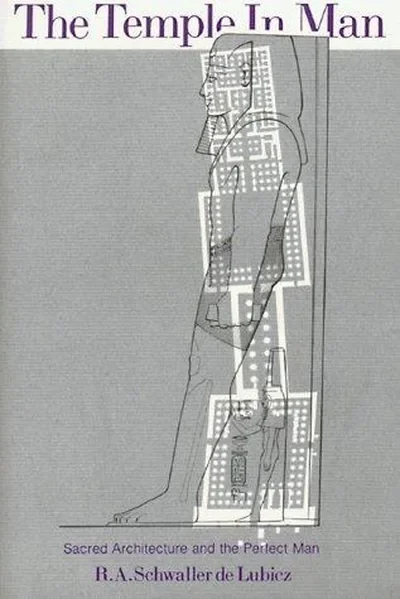
 89
89
 82
82
🏛 Books from this publisher Inner Traditions International
All books from this publisher →




You might also like
See more →