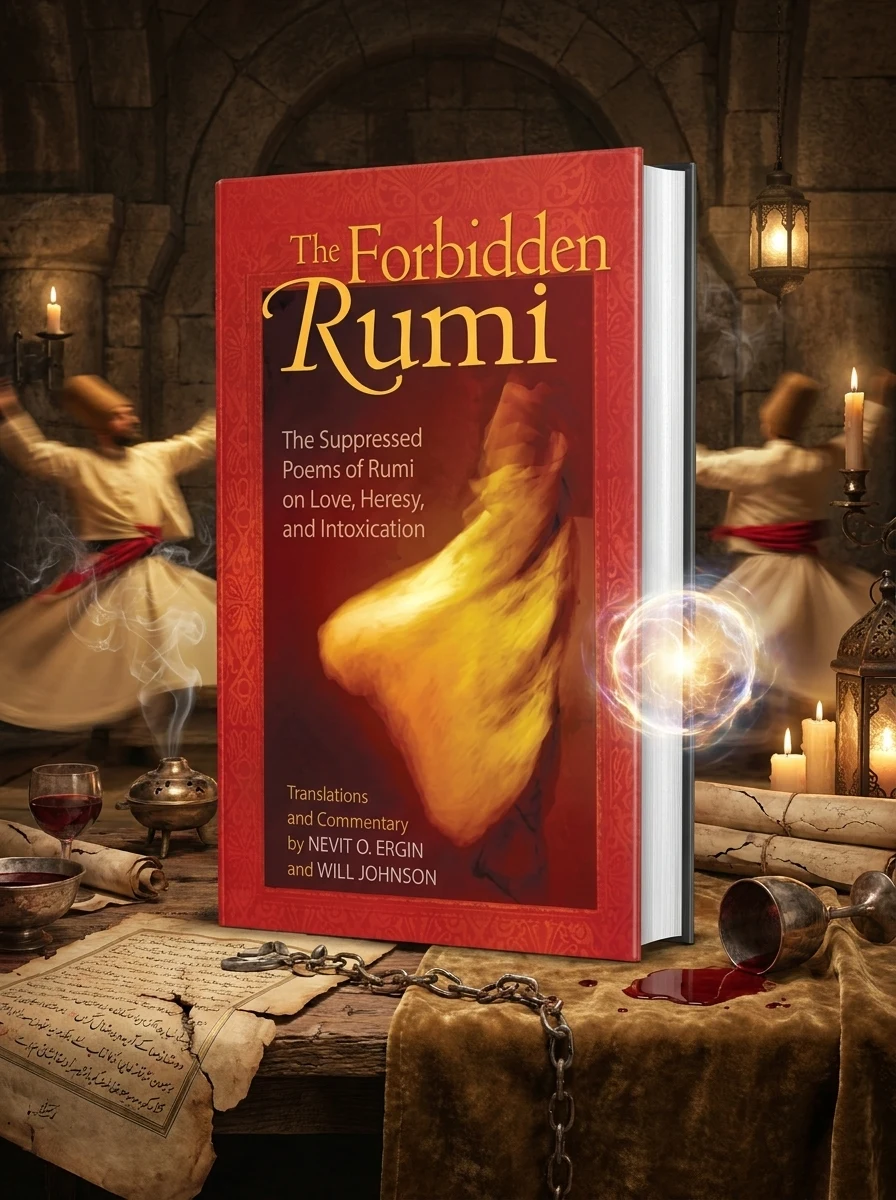
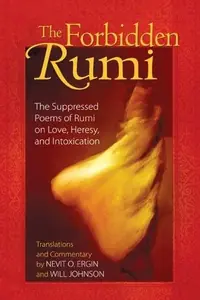
The Forbidden Rumi: The Suppressed Poems of Rumi on Love, Heresy, and Intoxication
Ergin, Nevit O; , Ergin, Nevit O; , Johnson, Will; , Johnson, WillThis edition can be ordered. No arrival date is confirmed.
Unveil Rumi's most audacious verses, challenging faith's very foundations.
Journey into the depths of Rumi's transformative spiritual experience following his encounter with Shams of Tabriz. This groundbreaking collection unveils the poems the Turkish government deemed too radical for publication, revealing a Rumi unbound by conventional piety. Delve into his spontaneous expressions of divine love, spiritual intoxication, and radical self-dissolution into the larger energies of God. These verses offer an unfiltered glimpse into the heart of a mystic who transcended dogma, insisting on a direct, personal union with the divine, often through ecstatic and unconventional means.
This work situates Rumi within the Sufi mystical tradition of Islam, specifically highlighting the radical ecstatic phase triggered by his spiritual awakening after meeting Shams of Tabriz.


📝 Description: The Forbidden Rumi: The Suppressed Poems of Rumi on Love, Heresy, and Intoxication
💎 Expert review
📖 Why choose it
Why this book is worth reading
Readers seeking a profound, unfiltered connection to divine love will find this collection deeply rewarding. It appeals to those weary of rigid religious structures who crave the raw, spontaneous expression of spiritual intoxication and self-dissolution. By presenting verses deemed too radical by authorities, it offers an authentic glimpse into a mystic’s heart that transcends dogma. If you are drawn to ecstatic poetry that challenges conventional piety and insists on direct personal union with the divine, this book provides a vital, unbound perspective on faith and heresy.
⭐ Reader reviews
Reader rating
This anthology boldly presents Rumi's suppressed verses, offering a compelling look at his post-encounter transformation. While it successfully captures the intensity of spiritual intoxication and radical self-dissolution, it may not suit readers seeking traditional, dogmatic religious guidance or those uncomfortable with unconventional expressions of faith. The focus on heresy and audacity makes it essential for mystics but potentially alienating for strict adherents to established religious norms. It is a vital resource for understanding the full spectrum of Sufi experience, particularly the ecstatic and unbound aspects often censored in standard collections.
❓ Frequently asked questions
📖 Who should read this
If you yearn to explore Rumi beyond his most widely circulated verses, seeking a deeper, more challenging spiritual path, this book is for you. It's for those who embrace radical perspectives on divine love and are unafraid to question conventional religious boundaries.
🎯 Key themes and symbolism
Radical Spiritual Freedom
This volume showcases Rumi's profound liberation from traditional religious strictures. After his awakening, he prioritized direct, ecstatic experience over dogma, advocating a personal dissolving into the divine rather than formal rites. These verses articulate a spiritual path that boldly challenges societal norms, embracing a fluid and inclusive understanding of the sacred.
Divine Intoxication & Love
Experience the raw, unbridled passion of Rumi's love for the divine, often through metaphors of spiritual intoxication. These poems articulate a longing so intense it transcends ordinary consciousness, leading to ecstatic states and unity. This collection delves deeper into his profound, overwhelming personal connection, celebrating a love that defies conventional boundaries.
Spontaneous Poetic Revelation
Rumi's poetry was not merely artistic expression but a spontaneous outflow of his awakened state. These verses, compiled in his Divan, capture his immediate, unmediated spiritual insights. The "forbidden" collection emphasizes his most free-form and inspired poetic utterances, born directly from his encounters, translating ineffable mystical experiences into compelling verse.
💬 Quotes from the book
“Break your prayer beads, burn your holy books! The path to God is paved with wine, not piety.”
“My mosque is the tavern, my prayer the drunken dance. For in the swirling, I lose myself to find the Beloved.”
📜 Historical context
📚 Glossary
- Divan
- Sufism
- Shams of Tabriz
📔 Questions to reflect on
- How might shedding societal or religious expectations deepen your personal connection to the divine or universal energy?
- Reflect on a time you experienced a profound "intoxication" – not necessarily literal – that transcended your ordinary understanding or self. What did you learn?
- What aspects of traditional spirituality or personal belief are you willing to question or redefine in your own quest for truth?
✍️ More books by this author Ergin, Nevit O; , Ergin, Nevit O; , Johnson, Will; , Johnson, Will
All books by this author →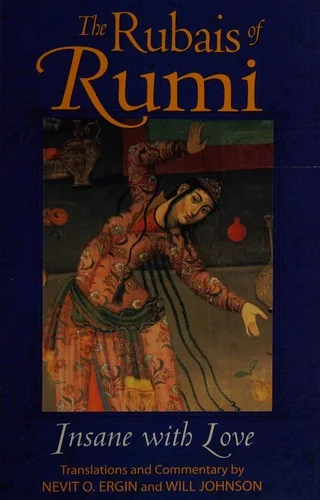
🏛 Books from this publisher Inner Traditions International
All books from this publisher →


You might also like
See more →
 87
87