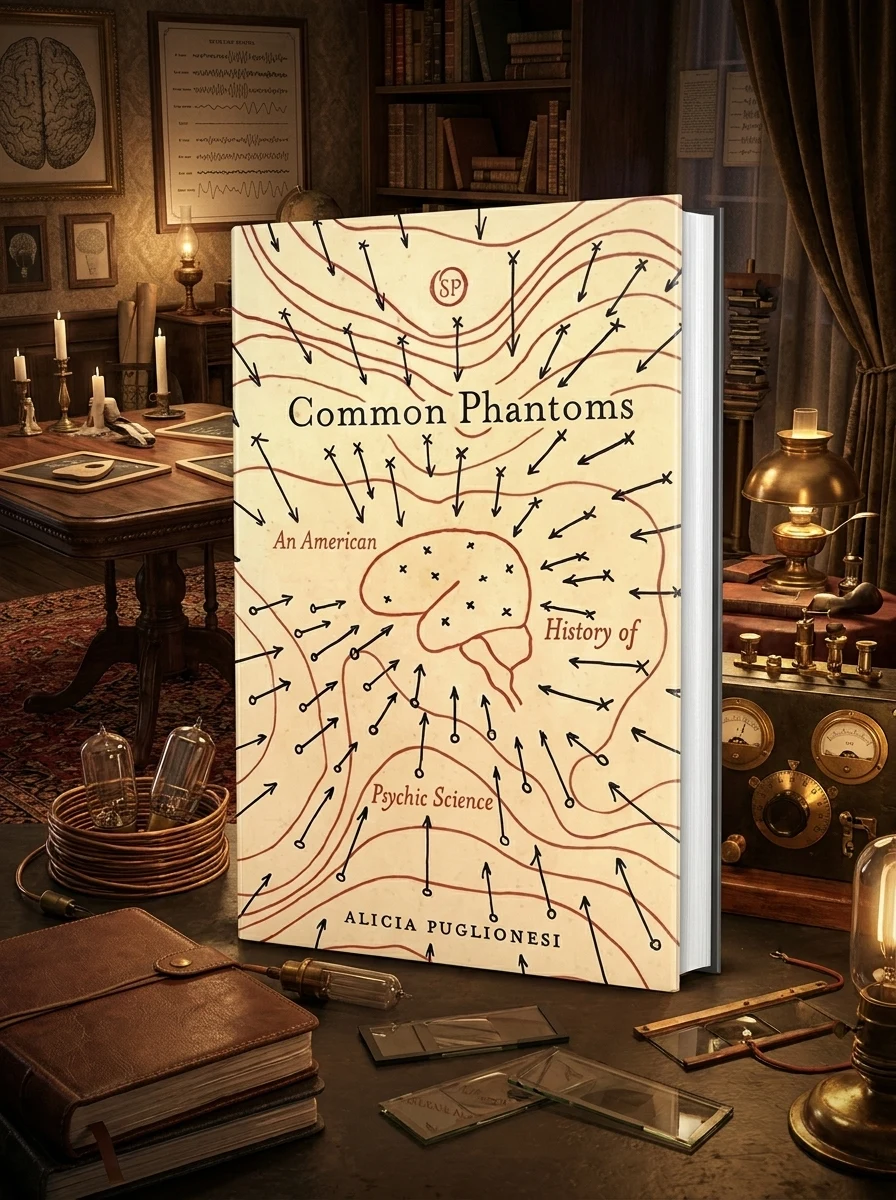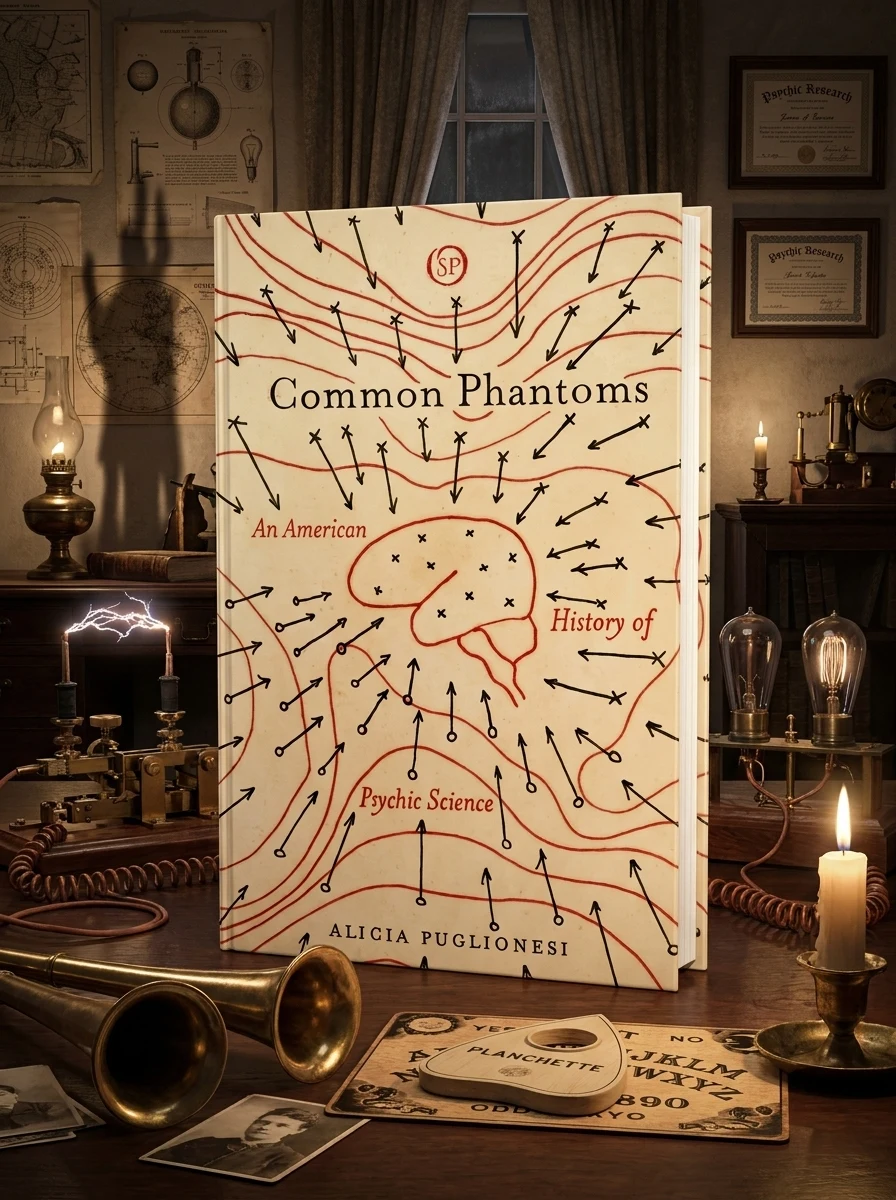
Common Phantoms: An American History of Psychic Science - Ingram Academic Puglionesi, Alicia
Puglionesi, Alicia 81
81
 Editorial score
How we rate
Editorial score
How we rate
Stock reported in the catalog; fulfillment is confirmed with your request.
How did psychic phenomena transform from parlor game to scientific quest in America?
Step into a fascinating, forgotten chapter of American history where the supernatural collided with burgeoning science. Alicia Puglionesi masterfully resurrects the era from the 1850s onward when phenomena like clairvoyance and telepathy weren't just folklore, but subjects of serious—and often domestic—investigation. This book unveils how ordinary citizens and pioneering researchers alike sought to understand the mind's hidden depths, using new technologies to bridge the gap between material reality and elusive psychic experiences. It's a vital re-examination of how America once embraced a democratic approach to exploring the limits of human consciousness.
This work sits at the intersection of American intellectual history and the sociology of science, documenting the late nineteenth-century shift where the supernatural was subjected to rigorous empirical inquiry rather than mere spiritualism or folklore. It reflects a period when ordinary citizens actively participated in defining the boundaries of consciousness through domestic investigation and emerging technological frameworks.


📝 Description: Common Phantoms: An American History of Psychic Science - Ingram Academic Puglionesi, Alicia
💎 Expert review
📖 Why choose it
Why this book is worth reading
Readers fascinated by the hidden architectures of American intellectual life will find this book indispensable. It illuminates a fascinating era when clairvoyance and telepathy were not dismissed as mere parlor tricks but were pursued with scientific seriousness by both ordinary citizens and pioneering researchers. If you are intrigued by how democratic impulses shaped our understanding of the mind, or how new technologies were used to bridge material reality with elusive psychic experiences, this narrative offers a vital re-examination of that unique historical moment. It is particularly rewarding for those who appreciate seeing how domestic investigations contributed to broader scientific quests, revealing a forgotten chapter where the supernatural and the empirical collided in unexpected and profound ways.
⭐ Reader reviews
Reader rating
Puglionesi offers a compelling resurrection of an often-overlooked historical period, providing fresh insights into the democratic exploration of human consciousness. However, readers seeking dry, technical manuals on parapsychology or those who prefer straightforward spiritualist narratives may find the academic framing and focus on 'psychic science' too detached from mystical experience. It is not suited for casual readers looking for ghost stories; this is a rigorous historical analysis of how phenomena were investigated. While intellectually robust, it demands patience from those expecting sensationalism over scholarly reconstruction of how ordinary people used technology to understand their own minds.
❓ Frequently asked questions
📖 Who should read this
For those fascinated by the cultural history of science, the intersection of spirituality and technology, or the evolving definitions of consciousness. If you're intrigued by how American society grappled with the uncanny and sought to quantify the unquantifiable, this book offers a profound journey.
🎯 Key themes and symbolism
The Dawn of Psychic Science
Discover how a new breed of investigators, fueled by technological advancements and public fascination, earnestly attempted to apply scientific rigor to spiritualist claims. This period saw the ambitious pursuit of empirical evidence for phenomena like telepathy, aiming to integrate the seemingly supernatural into a scientific framework, challenging the very definition of what constituted observable reality.
Democratic Spiritual Experimentation
Puglionesi reveals how psychical research wasn't confined to academic labs but flourished in American homes. Ordinary individuals became active participants, documenting their own psychic experiences and contributing to a vast, if unconventional, body of data. This 'democratic science' empowered everyday people to explore and define their spiritual and mental boundaries on their own terms.
Shifting Boundaries of Mind
Explore how these investigations profoundly impacted contemporary understandings of the human mind and soul. As researchers delved into the unseen, the conventional lines between consciousness, reality, and scientific possibility began to blur. The book illuminates how this era’s efforts, though later dismissed, laid crucial groundwork for questioning the very limits of human perception and scientific inquiry.
💬 Quotes from the book
“The parlour, with its gaslight and velvet, became an impromptu laboratory where the veil between worlds felt tantalizingly thin, inviting ordinary citizens to test the limits of perception.”
“In an age obsessed with measurable progress, the very elusiveness of telepathy presented both its greatest challenge and its most profound allure to nascent mind scientists.”
📜 Historical context
📚 Glossary
- Séances
- Clairvoyance
- Psychical Research
📔 Questions to reflect on
- Consider how new technologies today, like AI or virtual reality, might be shaping our understanding of consciousness and reality, much like the telegraph did in the 19th century.
- When does a belief system transition into a subject for scientific inquiry? Who holds the authority to define these boundaries, and how have those definitions shifted over time?
- Reflect on historical or contemporary instances where phenomena initially dismissed as 'magical thinking' eventually gained (or lost) scientific credibility. What does this tell us about scientific progress?
📖 From the series “Spiritual Phenomena”
All books in the series →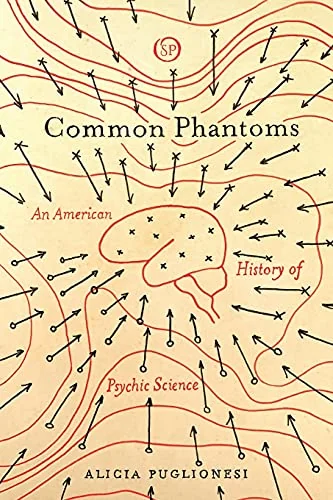
✍️ More books by this author Puglionesi, Alicia
All books by this author →🏛 Books from this publisher Stanford University Press
All books from this publisher →
You might also like
See more →