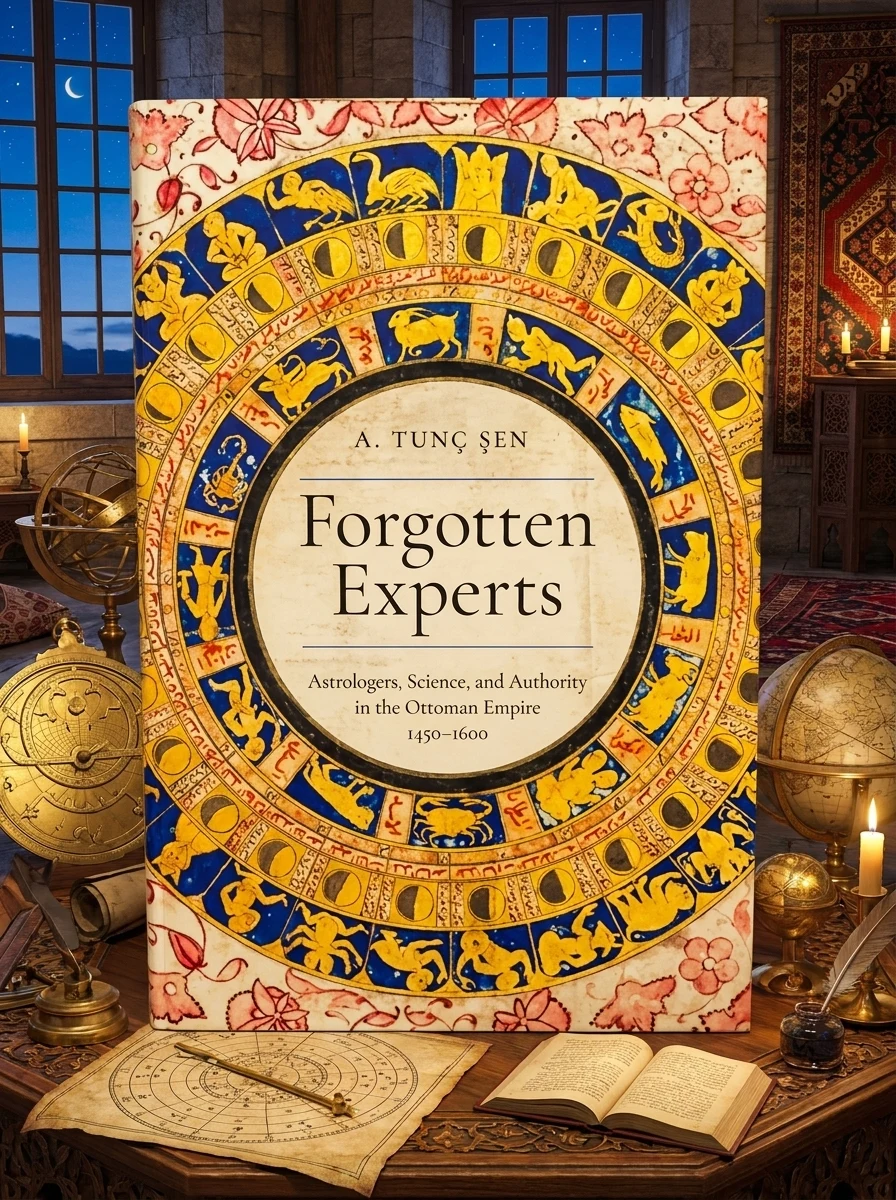
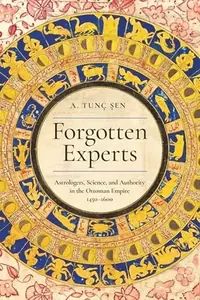
Forgotten Experts: Astrologers, Science, and Authority in the Ottoman Empire, 1450-1600 - Ingram Academic Şen, A Tunç
Stock reported in the catalog; fulfillment is confirmed with your request.
Discover how Ottoman court astrologers wielded scientific authority to shape imperial destiny.
This rigorous study explores the pivotal role of court astrologers in the Ottoman Empire from 1450 to 1600. Şen reveals how these scholars distinguished themselves from mystics by grounding predictions in mathematical data and astronomical patterns rather than spiritual prophecy. Utilizing rare archival records in Ottoman Turkish, Persian, and Arabic, the text traces their fluctuating prestige and bureaucratic influence. It offers a compelling look at how this elite class constructed scientific legitimacy amidst cultural challenges, providing a nuanced history of science, state formation, and the complex intersection of astronomy and imperial protocol.
This work situates itself within the history of science and early modern imperial studies, examining the intersection of astronomy, statecraft, and intellectual authority in the Ottoman Empire during its formative centuries.


📝 Description: Forgotten Experts: Astrologers, Science, and Authority in the Ottoman Empire, 1450-1600 - Ingram Academic Şen, A Tunç
💎 Expert review
📖 Why choose it
Why this book is worth reading
Scholars and enthusiasts of the history of science will find this text indispensable for understanding how pre-modern intellectuals navigated the complex boundary between empirical observation and imperial service. Readers interested in the sociology of knowledge will appreciate Şen’s detailed reconstruction of how Ottoman court astrologers constructed scientific legitimacy through rigorous data analysis rather than mystical intuition. This book is particularly valuable for those studying the bureaucratic structures of early modern empires, offering a nuanced view of how elite classes maintained influence amidst cultural and political shifts. It provides a vital corrective to Western-centric narratives by highlighting the sophisticated mathematical and astronomical practices that underpiled Ottoman state formation.
⭐ Reader reviews
Reader rating
This has been on my wishlist for months. It's become a regular reference in my practice. I appreciated how the argument builds steadily from first principles. A few pages arrived with light corner wear, though nothing serious. Happy enough with the purchase.
I've read excerpts online before, but having the full text is different. The material is presented clearly and the structure makes it easy to revisit key passages. Solid, if not essential.
Long-time student of the esoteric here. It reads better in small doses — a chapter at a time with notes. It assumes more background than a beginner might have. Happy enough with the purchase.
This is a rigorous academic study aimed squarely at specialists in Islamic history, early modern science, and Ottoman studies. Şen’s reliance on rare archival records ensures depth but demands patience from readers seeking narrative flair or accessible popular science. It does not suit casual readers looking for horoscopes, mystical interpretations of the stars, or broad introductory overviews of Ottoman history. Those expecting a light read or practical astrological advice will find this dense, bureaucratic analysis dry and inaccessible. However, for those willing to engage with complex historical methodologies and primary source analysis, it offers a compelling, albeit demanding, look at the intellectual foundations of imperial authority.
❓ Frequently asked questions
📖 Who should read this
Readers fascinated by the history of science, Ottoman imperial history, and the sociology of knowledge will find this invaluable. It appeals to those interested in how technical expertise intersects with political power and the historical evolution of astrological practice.
🎯 Key themes and symbolism
Scientific Authority Construction
The book details how astrologers legitimized their practice through rigorous mathematical and astronomical methods. By emphasizing data-driven patterns over mystical intuition, they positioned themselves as essential technical experts within the imperial bureaucracy, distinguishing their work from purely esoteric traditions.
Imperial Bureaucracy Integration
Şen illustrates how court astrologers navigated the political landscape of the Ottoman state. Their careers fluctuated with changing sultans and court dynamics, yet they maintained relevance by aligning their predictive services with the administrative needs of state formation and imperial protocol during the sixteenth century.
Epistemic Boundaries of Astrology
The text examines the delicate line between prophecy and prognostication. The author shows how these experts avoided claims of spiritual revelation, instead relying on technical writings and observational data. This approach allowed them to maintain a distinct scientific identity within a society rich in diverse occult practices.
💬 Quotes from the book
“Their work did not claim spiritual weight as a prophecy but relied instead on methods of prediction developed from data and patterns.”
“Constructing scientific authority despite numerous cultural, societal, and epistemic challenges.”
📜 Historical context
📚 Glossary
- Prognostication
- Epistemic
- Ottoman Turkish
📔 Questions to reflect on
- How does the reliance on 'data' change the perceived legitimacy of a practice in your eyes?
- Consider how modern experts maintain authority in their fields against cultural skepticism. What parallels do you see with the Ottoman court astrologers?
- Reflect on the intersection of science and state power. How might the needs of an empire shape the development of a scientific discipline?
🏛 Books from this publisher Stanford University Press
All books from this publisher →
You might also like
See more →![The Instant Astrologer [With CD]](/img/the-instant-astrologer-with-cd-scene.webp)
 91
91
 91
91
 91
91
 91
91