Astrology attracts readers for different reasons. Some want to understand their own birth chart. Others crave the intellectual history behind the practice. Still others seek predictive tools for timing decisions. The problem: a single "best astrology book" doesn't exist because the best book depends entirely on where you stand and what you're trying to learn.
We've spent years hand-selling astrology books to customers at every stage of the journey. This list reflects what actually works—books that teach clearly, respect the tradition, and deliver on their promise. We've organized them by reader type so you can skip to your level and find your next read.
For the Complete Beginner: Start Here
If you're new to astrology, you need a book that explains the fundamentals without condescension and doesn't assume you already know what a birth chart is. These books meet that bar.
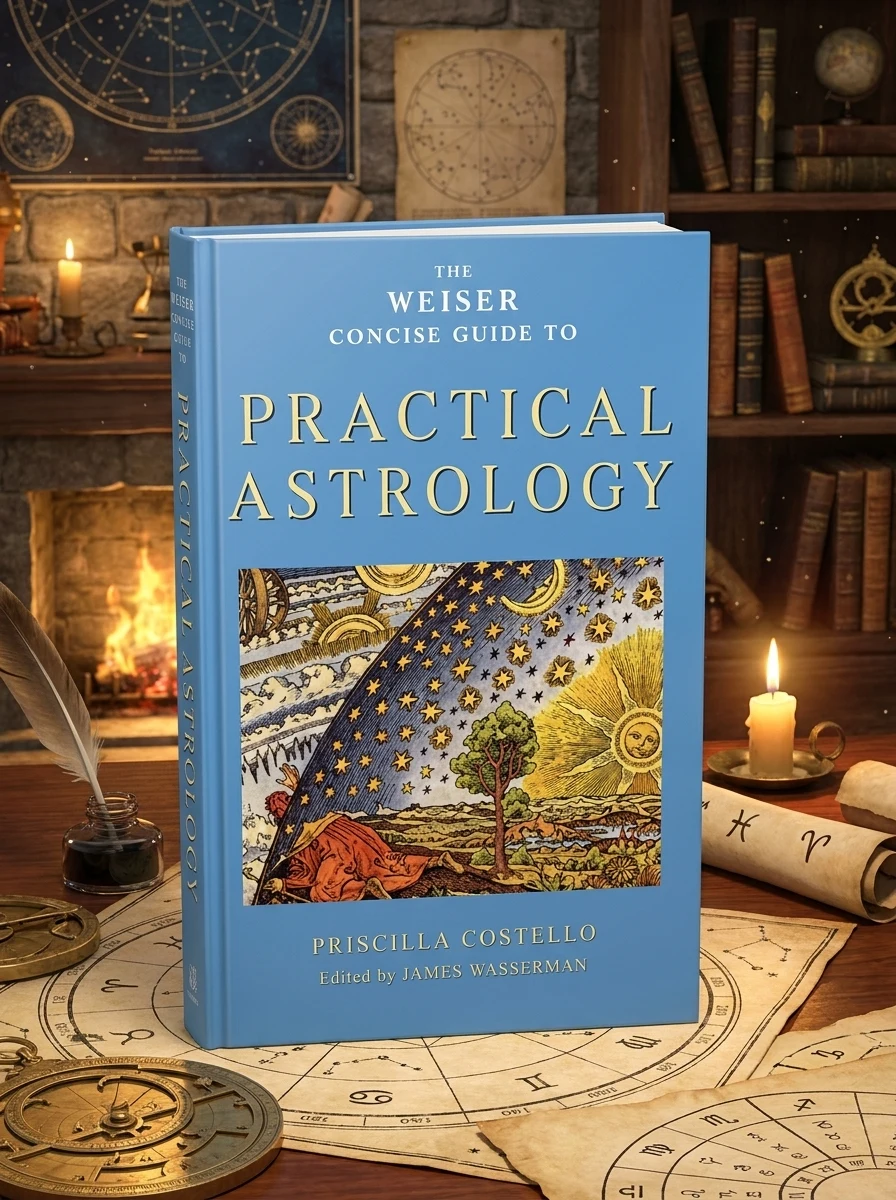
1. The Weiser Concise Guide to Practical Astrology — Priscilla Costello & James Wasserman
The Weiser Concise Guide to Practical Astrology is exactly what its title promises: concise without being shallow. Costello and Wasserman walk you through the zodiac signs, planets, and houses with clarity and examples that stick. The book assumes you're curious but not yet committed to memorizing dense tables. It's under $20 and designed for people who want to understand astrology as a real system, not a novelty.
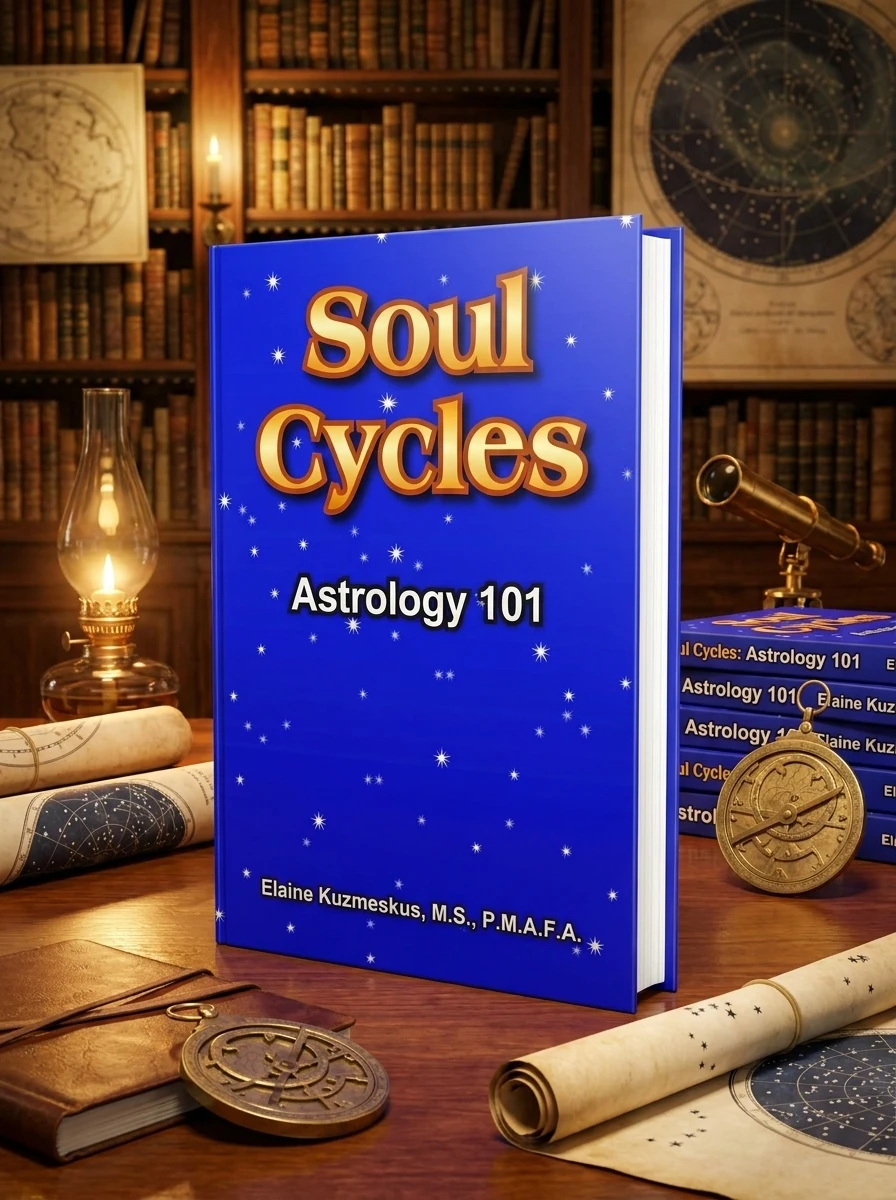
2. Soul Cycles: Astrology 101 — Elaine Kuzmeskus
Soul Cycles: Astrology 101 takes a gentler approach, framing astrology as a tool for self-reflection rather than prediction. Kuzmeskus writes for readers who feel intimidated by the subject and need permission to learn at their own pace. If you've always been curious about astrology but found other books overwhelming, this one meets you where you are.
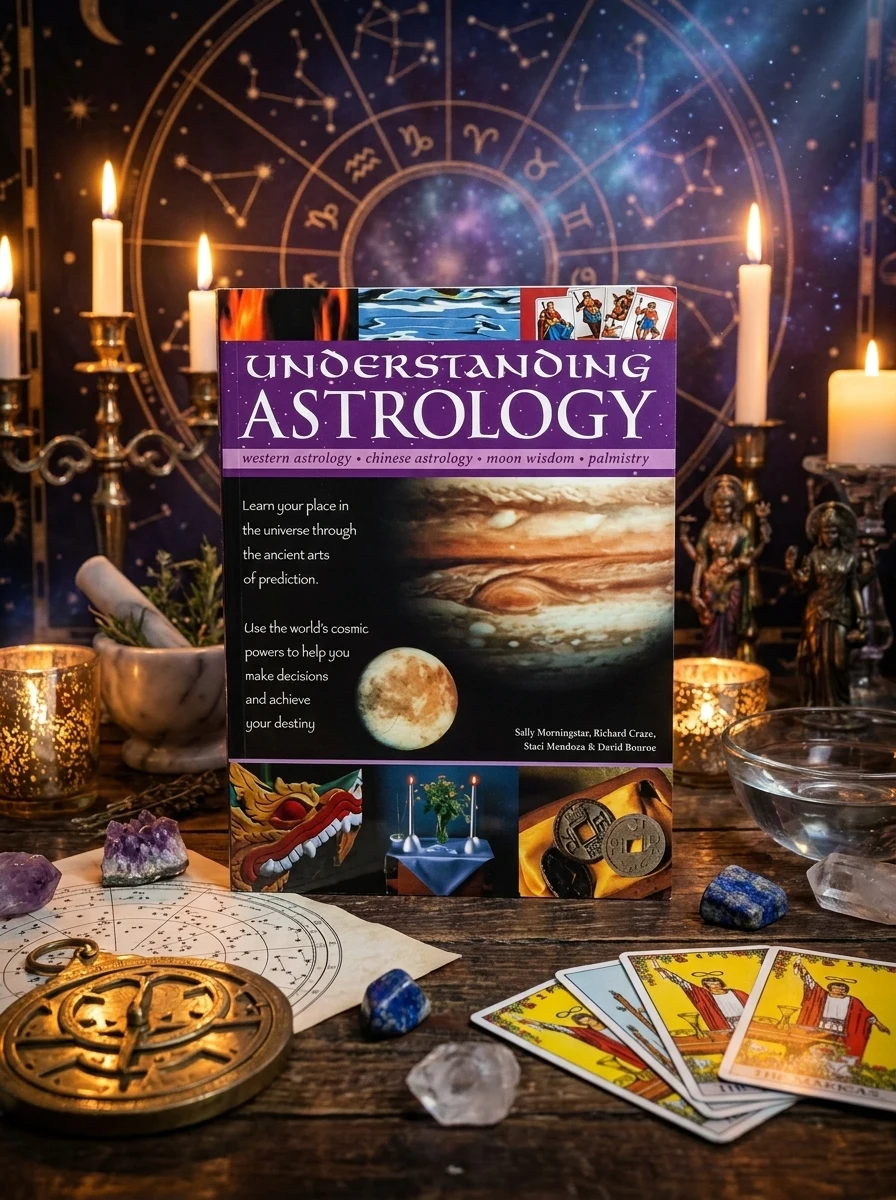
3. Understanding Astrology: Western Astrology, Chinese Astrology, Moon Wisdom, Palmistry — Morningstar, Craze, Mendoza & Bourne
Understanding Astrology offers a broader view by weaving Western astrology together with Chinese astrology and other divination systems. At under $10, it's an affordable way to sample multiple traditions and see which one resonates with you. The illustrations help make abstract concepts concrete.
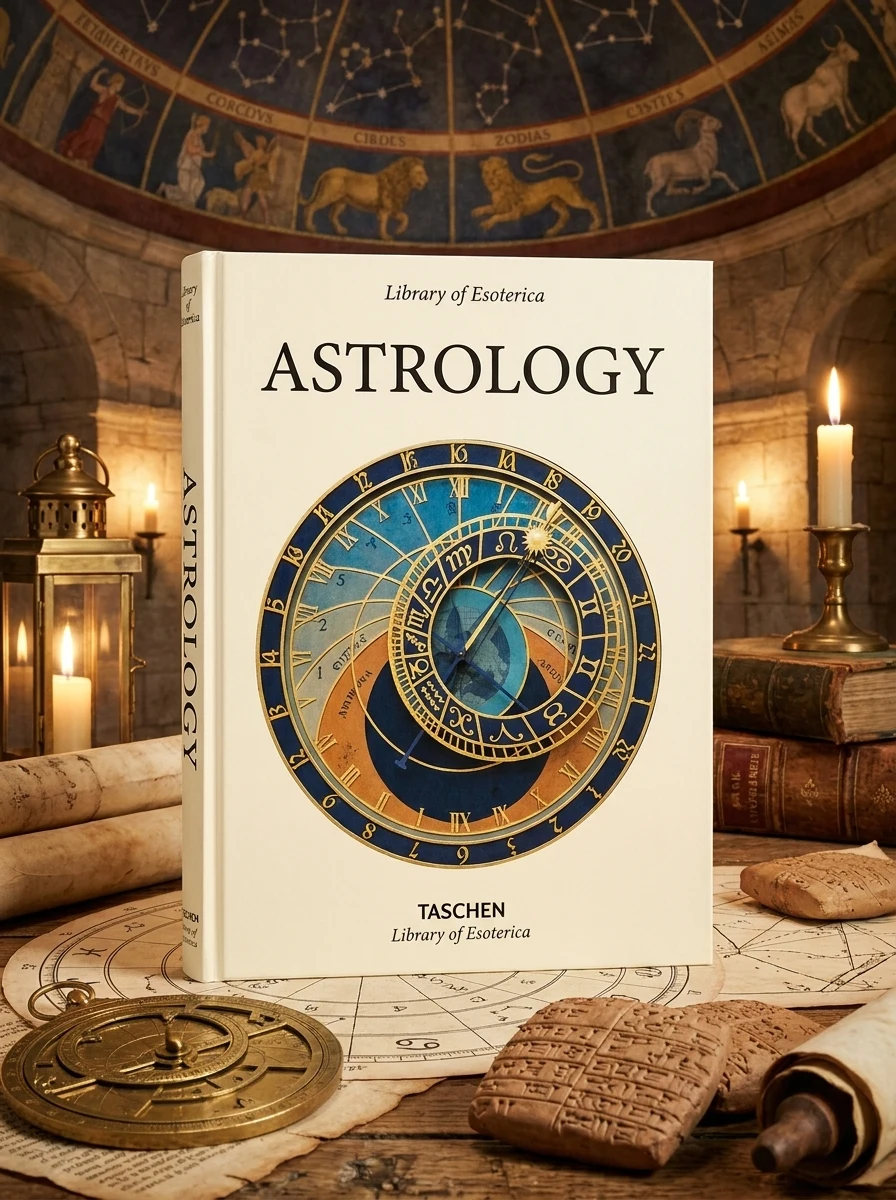
4. Astrology: The Library of Esoterica — Andrea Richards
Astrology: The Library of Esoterica is for the curious seeker who wants context alongside technique. Richards combines art history, cultural commentary, and practical astrology to show why this practice has endured for thousands of years. It's a beautiful book that treats astrology as both a living practice and a historical artifact—perfect if you want to understand not just how to read a chart, but why astrology matters.
For Birth Chart Readers: Go Deeper
Once you understand the basics, most people want to read their own birth chart and others' charts with real insight. These books teach you to interpret the positions and patterns that make each chart unique.
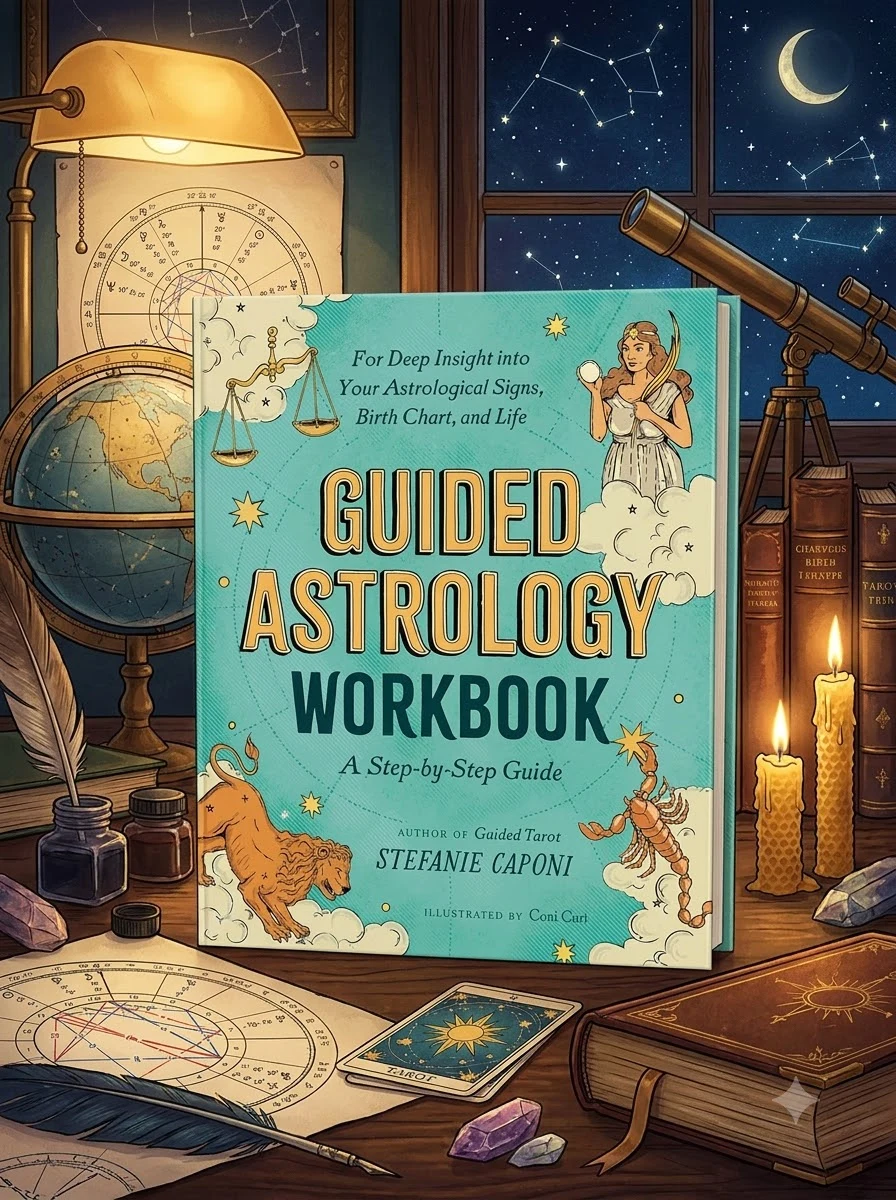
5. Guided Astrology Workbook — Stefanie Caponi
Guided Astrology Workbook is structured as a series of exercises, not a lecture. Caponi walks you through your sun, moon, and rising signs, then moves into the houses and aspects. You'll actually fill in your own chart as you read, which forces understanding rather than passive absorption. This is the book to buy if you want to move from "I know my big three" to genuinely reading your chart.
6. The Twelve Astrological Houses: The Way of Creative Accomplishment — Dane Rudhyar
The Twelve Astrological Houses by Rudhyar is a classic for good reason. Rather than treating the houses as static categories, Rudhyar shows them as stages of personal development and creative expression. If you want to understand why a planet in the tenth house carries different weight than the same planet in the fourth, this book explains it with both psychological depth and practical clarity.
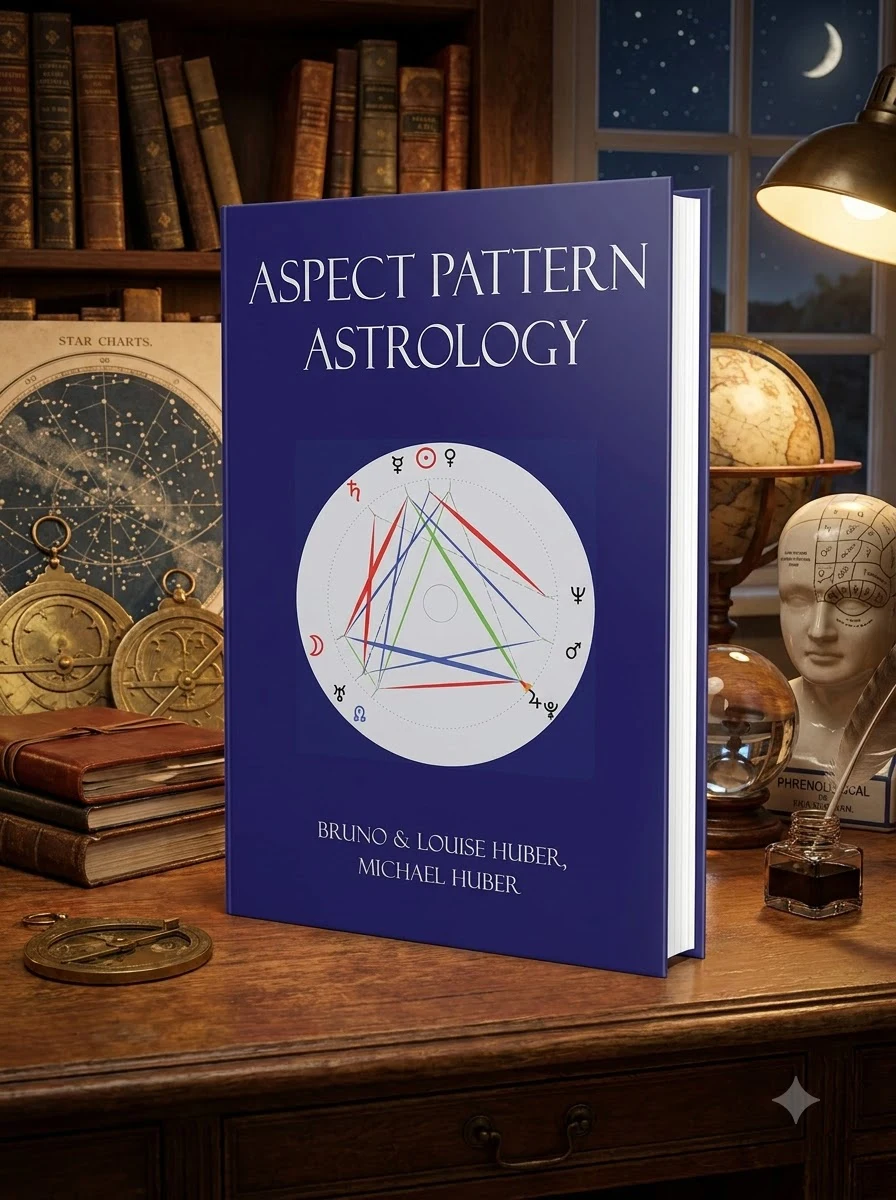
7. Aspect Pattern Astrology — Louise Huber
Aspect Pattern Astrology teaches you to read the relationships between planets—the angles they form—as patterns rather than isolated facts. Huber's method is visual and psychological, making it accessible to beginners while offering substance for experienced readers. Color illustrations help you see the patterns in your own chart.
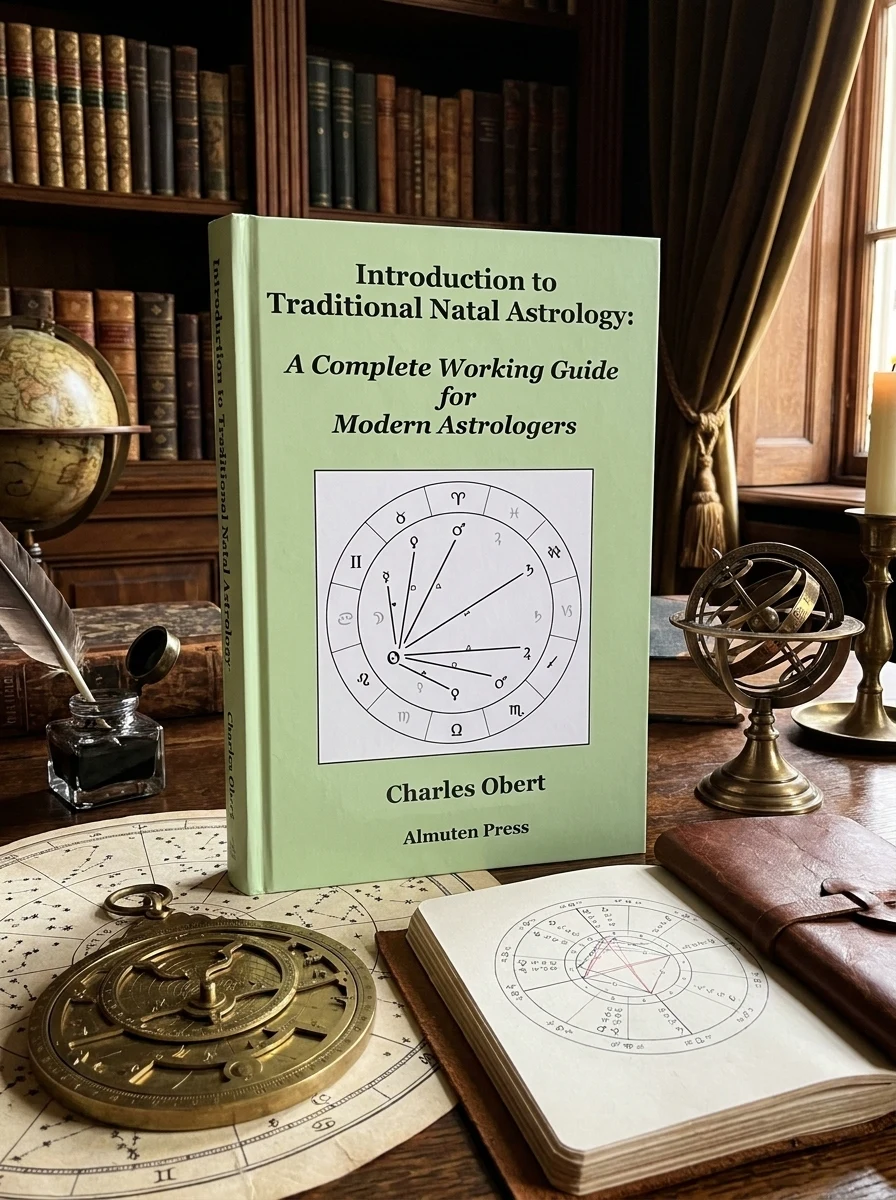
8. Introduction to Traditional Natal Astrology — Charles Obert
Introduction to Traditional Natal Astrology bridges classical techniques with modern practice. Obert shows you how astrologers hundreds of years ago read charts—methods that still work today—without requiring you to memorize Latin or study medieval manuscripts. This is the book for readers who want rigor without the historical burden.
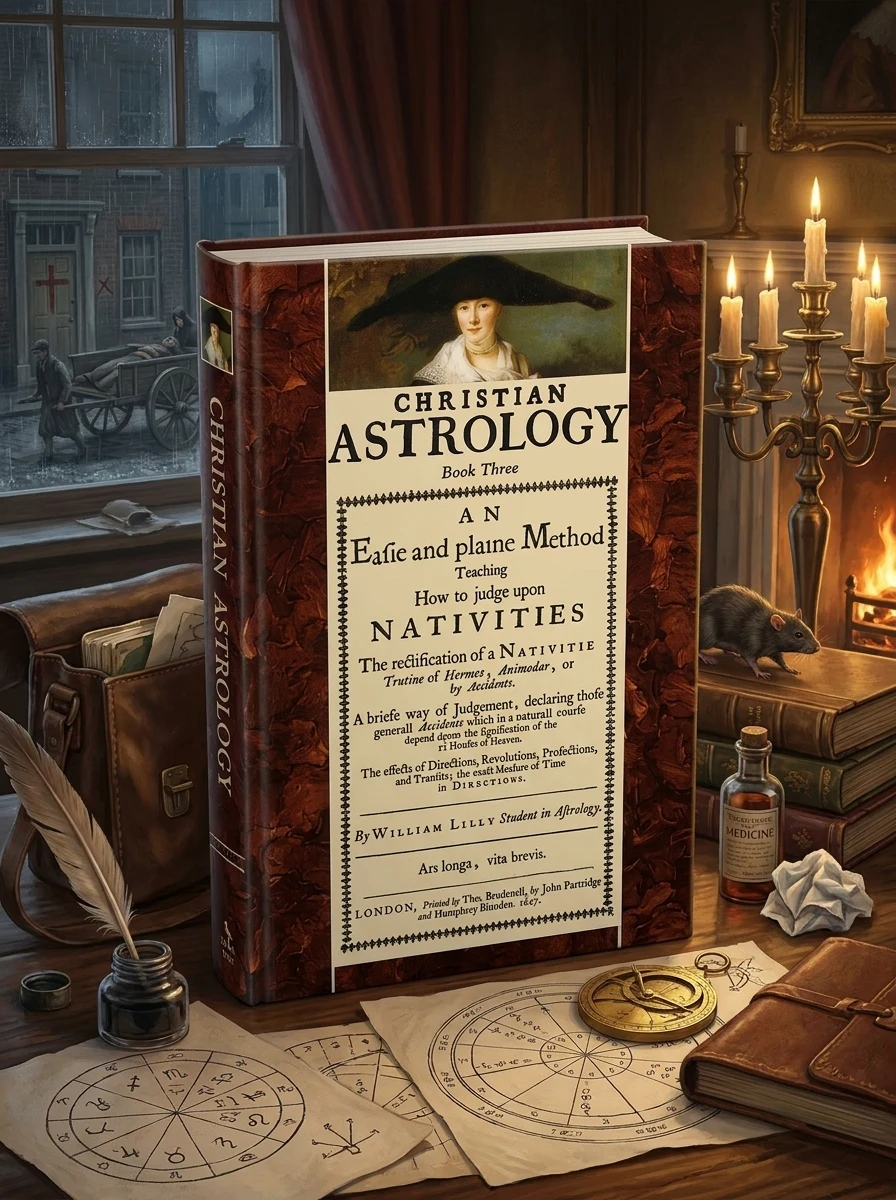
9. Christian Astrology, Book 3: An Easie and Plaine Method How to Judge Upon Nativities — William Lilly
Christian Astrology, Book 3 is the foundational text on natal chart reading, written in the 1600s by William Lilly, one of astrology's greatest practitioners. Yes, it's old. Yes, the language takes adjustment. But Lilly's method is so clear and his examples so vivid that serious students return to this book repeatedly. If you want to understand the roots of how modern astrology interprets birth charts, this is essential.
For Transits and Timing: Forecast Your Year
Once you can read a birth chart, the next skill is understanding how current planetary movements affect you. These books teach you to track transits and use them for timing.
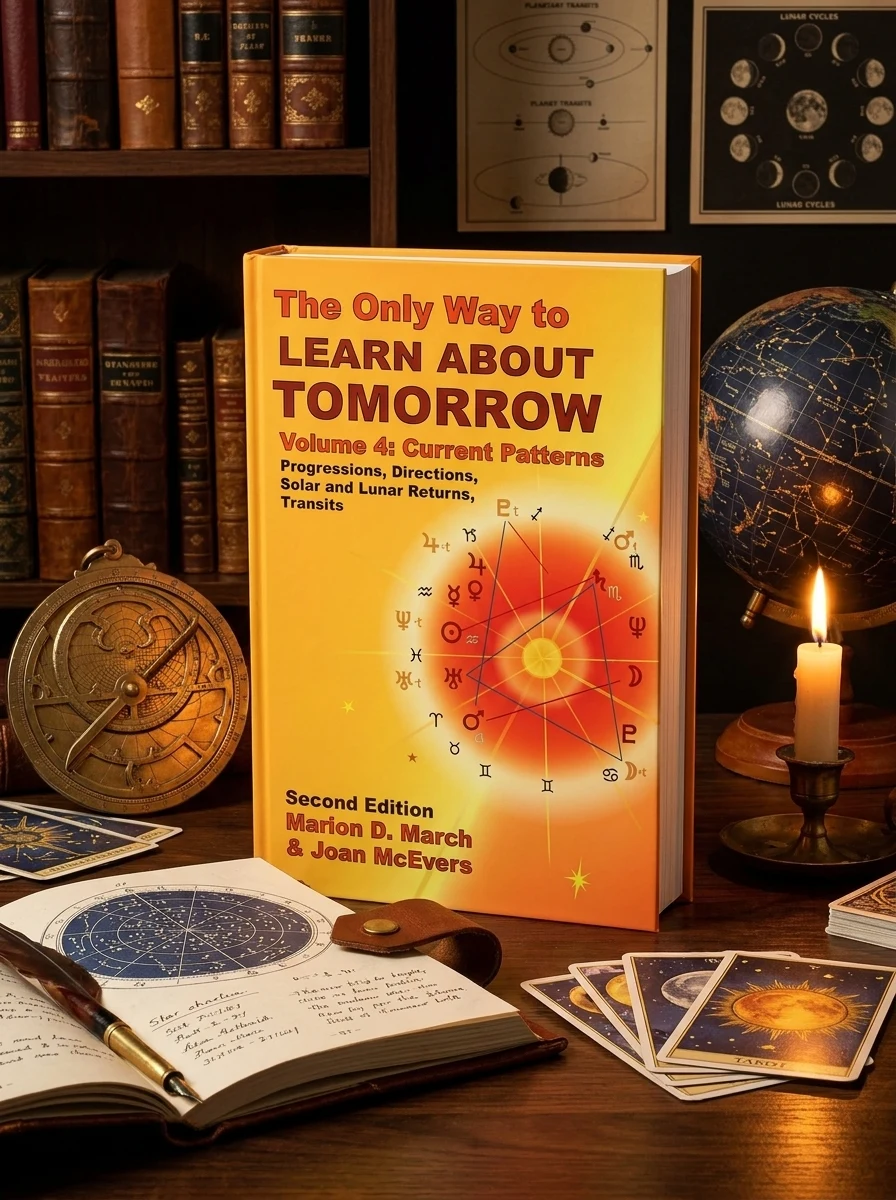
10. The Only Way to Learn about Tomorrow, Volume 4, Second Edition — Marion D. March
The Only Way to Learn about Tomorrow is the standard textbook for transit interpretation. March assumes you already understand birth charts and teaches you to layer current planetary positions over your natal chart to see what's activating. It's methodical, thorough, and designed for intermediate to advanced students.
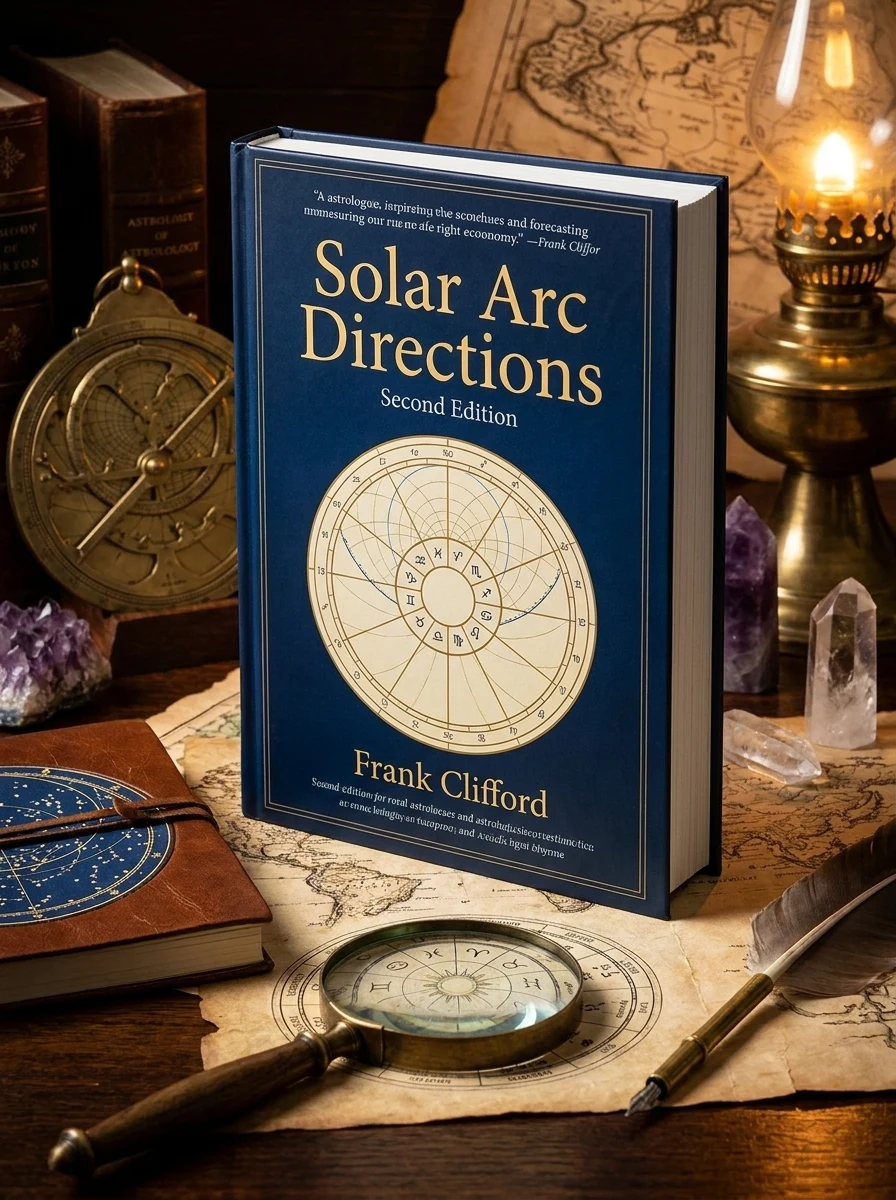
11. The Solar Arc Handbook — Frank C. Clifford
The Solar Arc Handbook teaches a specific forecasting technique called solar arcs—a method many astrologers find more reliable than transits alone. Clifford's writing is clear and his examples are drawn from real charts. If you want to expand your forecasting toolkit beyond transits, this is the book.
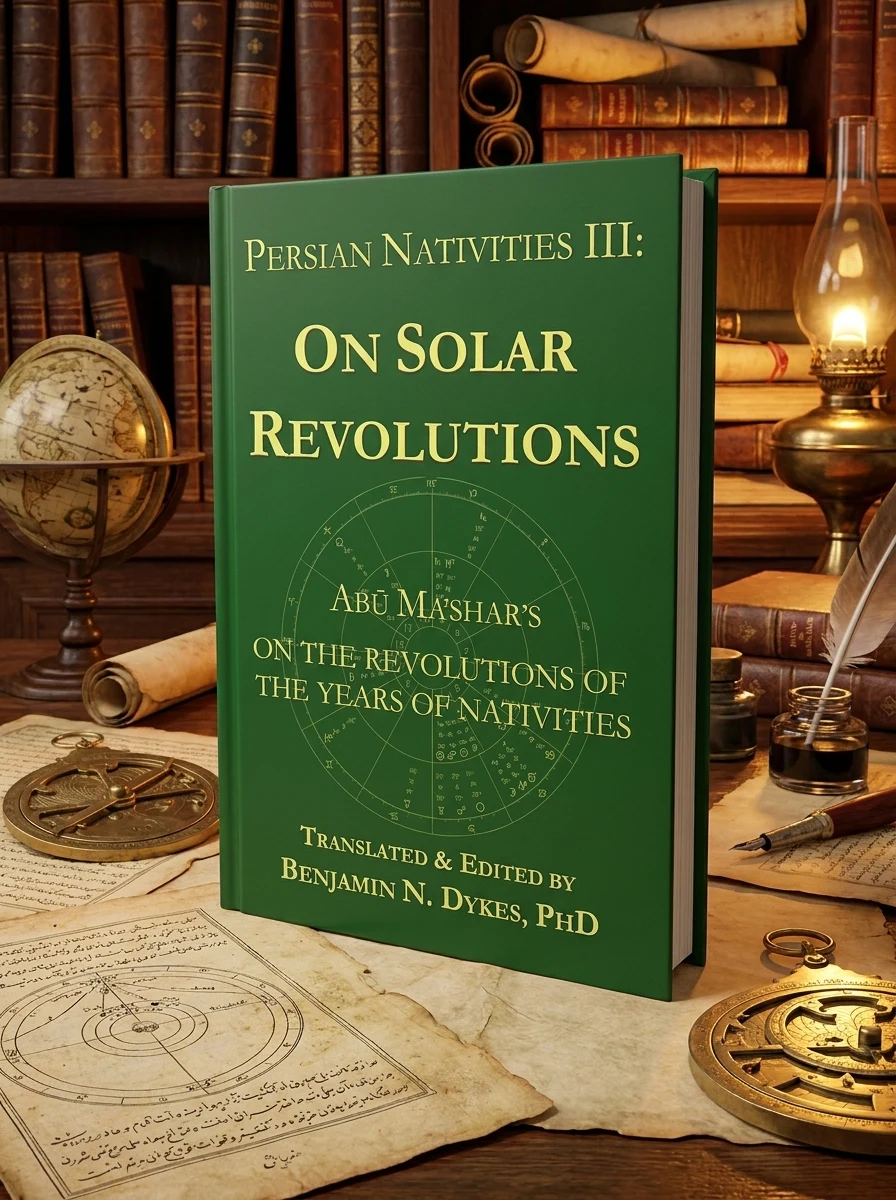
12. Persian Nativities III: Abu Ma'shar on Solar Revolutions — Abu Ma'shar
Persian Nativities III covers solar returns—the chart cast for the moment the sun returns to its birth position each year. Abu Ma'shar, a 9th-century Persian astrologer, developed this technique and it remains one of the most reliable annual forecasting methods. This is a serious text for dedicated students, but the technique itself is invaluable.
13. The Astrology Diary 2027 — Ana Leo
The Astrology Diary 2027 is practical and immediate. Rather than teaching theory, it gives you a framework for tracking the year's major transits and lunar cycles. Use it alongside your birth chart to see which planetary movements matter most to you. It's the book to buy if you want to actively engage with the cosmos rather than simply read about it.
For Advanced Study: Specialized Texts
Western astrology is only one tradition. These books open doors to other systems and to the deeper historical roots of astrology itself.
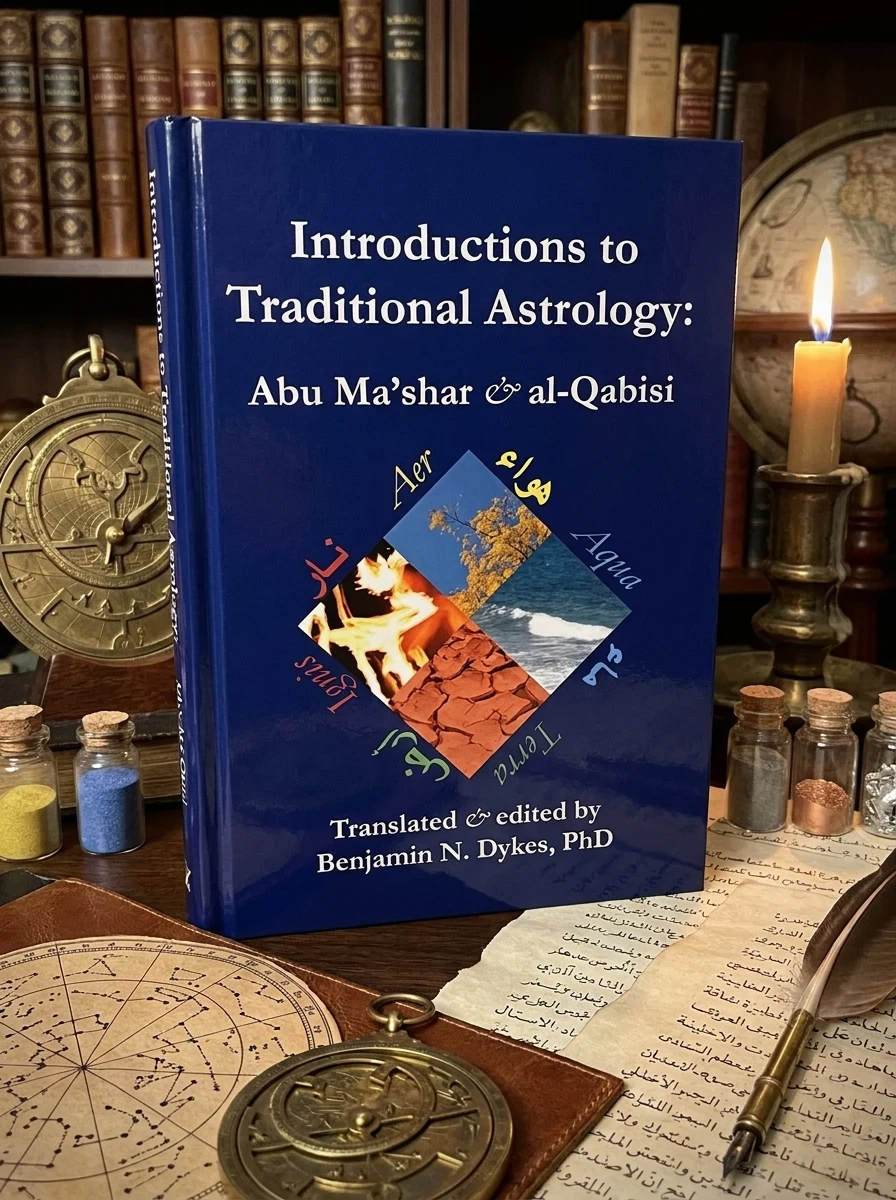
14. Introductions to Traditional Astrology — Abu Ma'shar
Introductions to Traditional Astrology by Abu Ma'shar is foundational to understanding how astrology developed before the modern era. Abu Ma'shar's work influenced astrology across Europe, the Middle East, and beyond. If you want to understand the intellectual architecture of the tradition, this is where to start.
15. Understanding Human Design: The New Science of Astrology — Karen Parker
Understanding Human Design is not traditional astrology—it's a modern system that uses your birth data to map your energetic blueprint. Parker's revised edition is the definitive guide. If you're drawn to systems beyond the zodiac and houses, this opens a different way of working with your birth time and chart.
16. The Sabian Symbols Brought to Life — Blain Bovee
The Sabian Symbols Brought to Life teaches a system of symbolic meanings for each degree of the zodiac. Bovee's approach is practical and visual—he shows you how to use these symbols to add nuance and depth to chart interpretation. Seasoned astrologers often return to this book for fresh perspectives on familiar placements.
How to Choose Your Next Astrology Book
The best astrology book is the one that matches your current question. If you're just starting, don't buy a 600-page reference manual. If you're already reading charts, a beginner's overview will bore you. Use these categories as a guide:
- You've never read an astrology book: Start with Costello & Wasserman or Kuzmeskus. Both are under $25 and assume nothing.
- You know your sun, moon, and rising: Move to Caponi's workbook or Rudhyar's houses book. You're ready to go deeper.
- You can read a birth chart: Pick up March's transit book or Clifford's solar arc handbook. Your next skill is forecasting.
- You want historical context: Richards' Library of Esoterica or Abu Ma'shar's Introductions show you where astrology came from and why it still matters.
- You're curious about other systems: Try Human Design or the Sabian Symbols. They expand what astrology can be.
Astrology rewards slow reading and repeated returns. Buy one book, work through it, and let it settle before moving to the next. The best astrologers we know have a shelf of worn, annotated books—not because they read everything once, but because they returned to the right books many times.