Vedic astrology—called Jyotish, meaning "light" or "science of light" in Sanskrit—has guided seekers for thousands of years. Unlike Western tropical astrology, the Vedic system uses the sidereal zodiac and emphasizes spiritual karma and life purpose over personality traits alone. It offers precise tools: planetary periods called dashas, lunar mansions called nakshatras, and a birth chart (or rashi chart) that reads like a cosmic blueprint of your dharma—your duty and destiny.
The challenge for Western readers is knowing where to start. Vedic texts can feel dense, mathematical, and culturally unfamiliar. This shelf organizes books by what they assume you already know, moving from accessible primers through intermediate foundations to specialized techniques. Whether you're a curious beginner, a Western astrologer expanding your toolkit, or someone drawn to Indian spiritual science, you'll find a logical entry point here.
We've organized these titles into four stages: absolute beginners, foundational understanding, intermediate practice, and specialized techniques. Each assumes a different level of prior knowledge and builds toward professional-level chart reading.
Start Here: Accessible Introductions for Complete Beginners
If you've never encountered Vedic astrology, these books assume no prior knowledge—not even familiarity with Western astrology. They prioritize clarity and accessibility over technical depth.
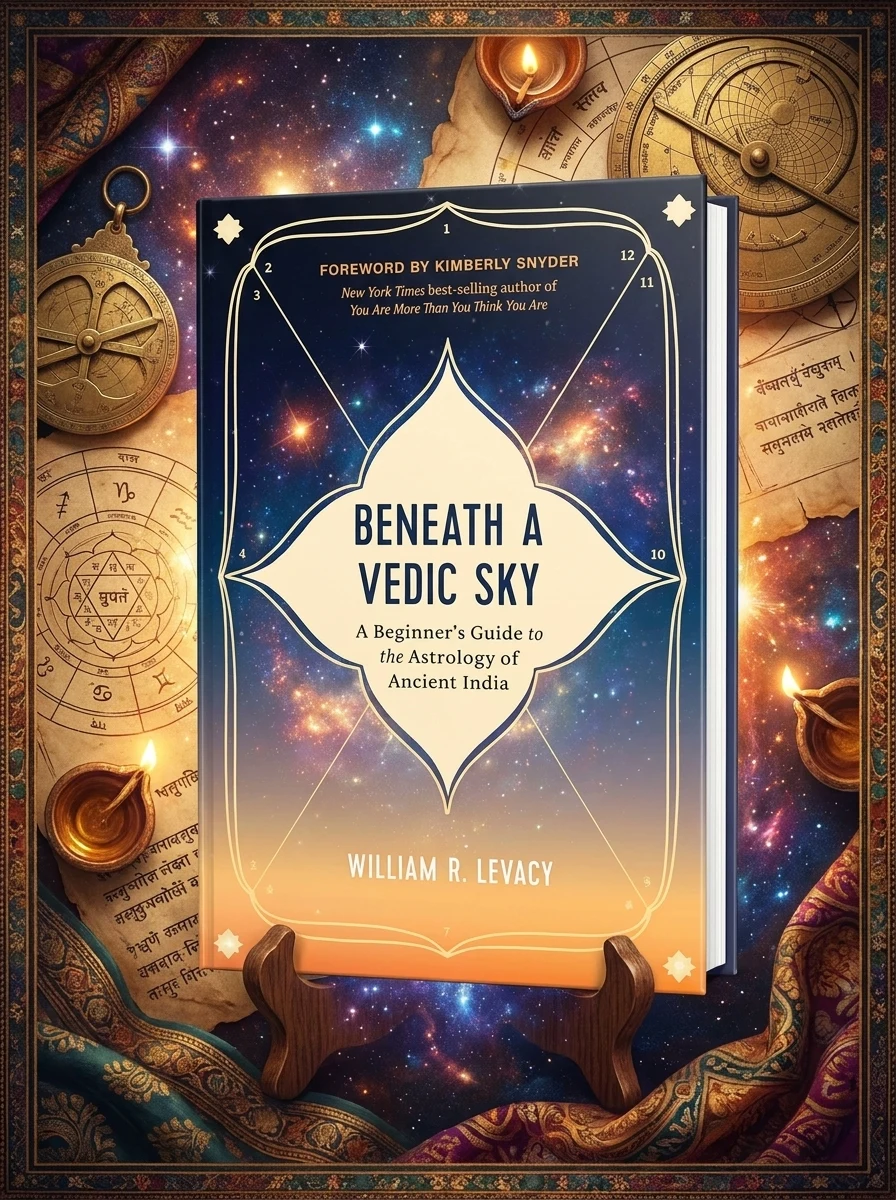
1. Beneath a Vedic Sky: A Beginner's Guide to the Astrology of Ancient India — William R. Levacy
Beneath a Vedic Sky is the gentlest entry point on this shelf. Levacy writes for the genuinely curious—someone who may have read a Western astrology book or none at all. He explains the sidereal zodiac, the nine planets (including the lunar nodes, Rahu and Ketu), and basic chart structure without assuming mathematical comfort. The tone is warm and narrative, not academic. If you're intimidated by astrology's technical reputation, start here.
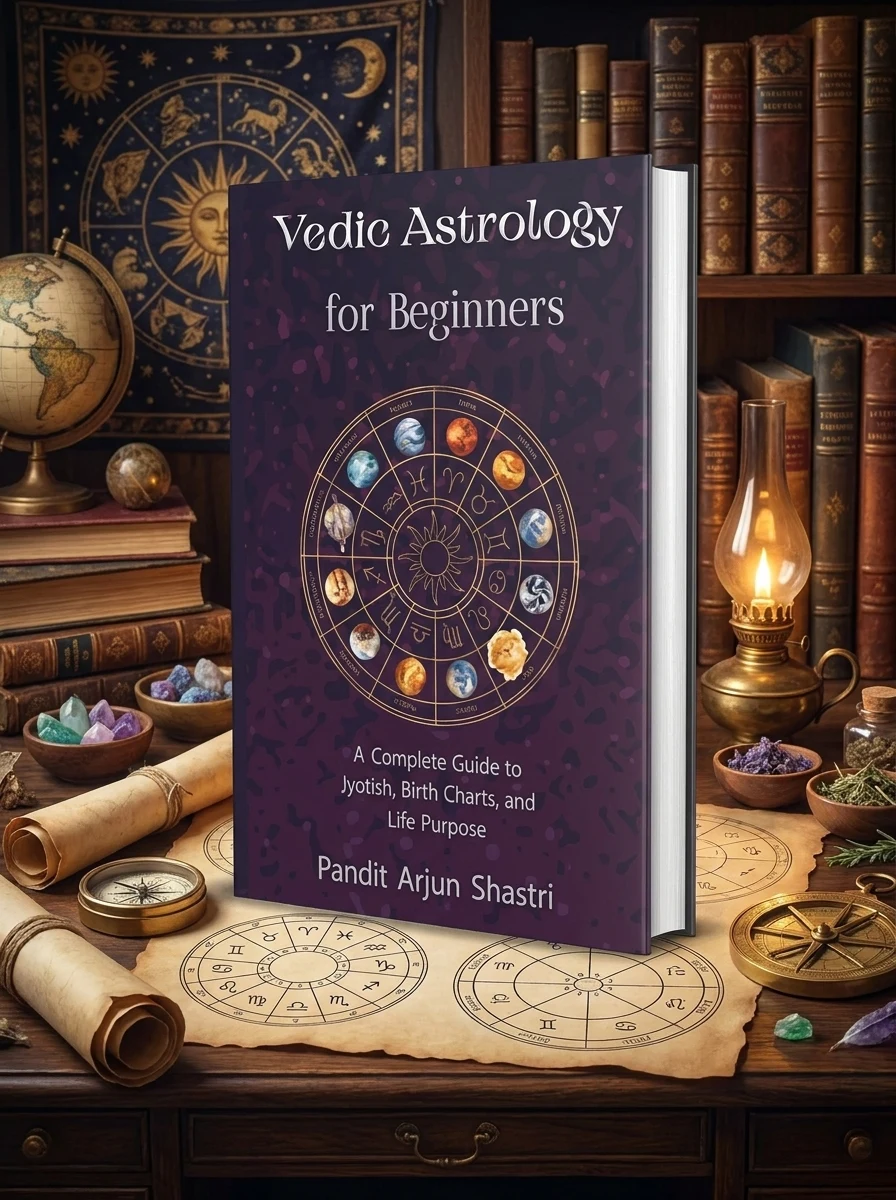
2. Vedic Astrology for Beginners: A Complete Guide to Jyotish, Birth Charts, and Life Purpose — Pandit Arjun Shastri
Vedic Astrology for Beginners by Shastri is compact and practical. It covers the zodiac signs, planetary meanings, and how to read a basic birth chart—all under $10. Shastri writes from a traditional Hindu perspective but remains accessible to Western readers. This book works well as a second read after Levacy, or as a quick reference guide once you've grasped the basics elsewhere.
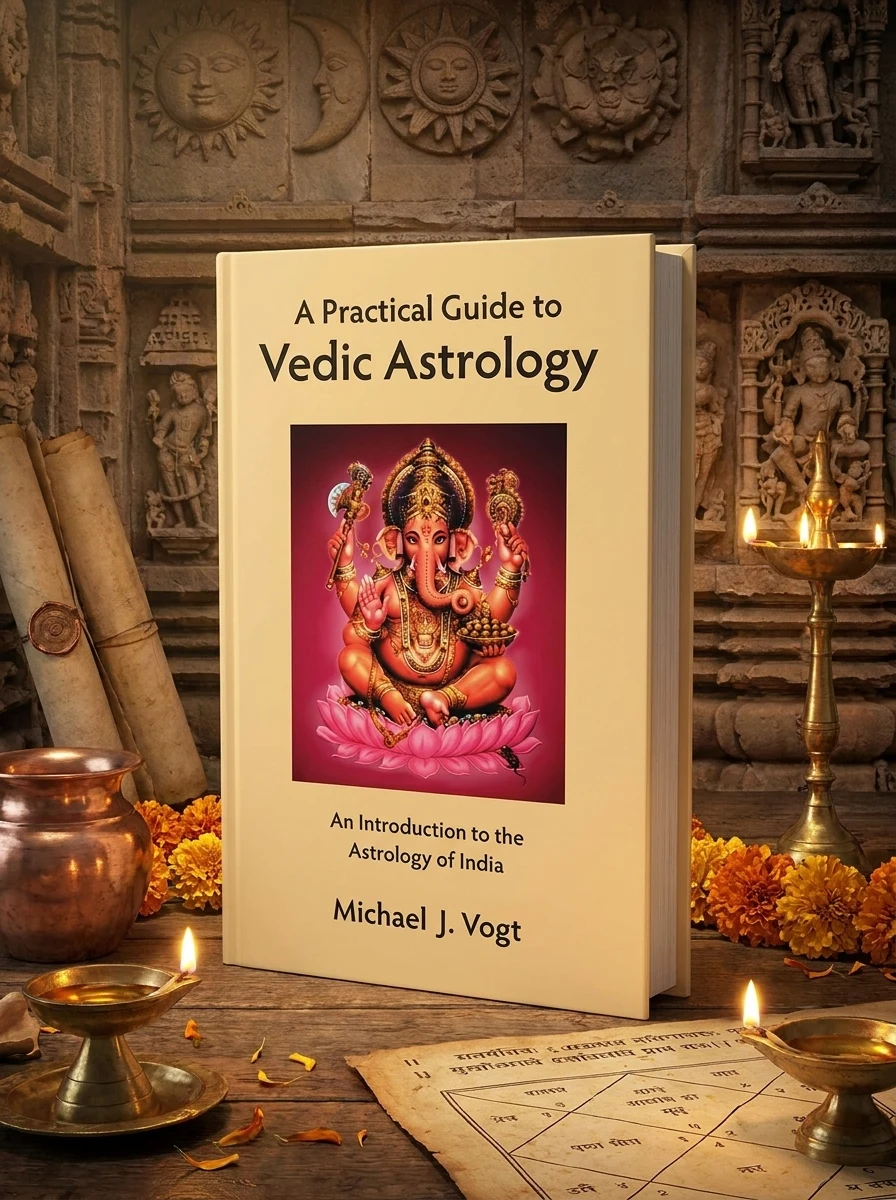
3. A Practical Guide to Vedic Astrology: An Introduction to the Astrology of India — Michael J. Vogt
A Practical Guide to Vedic Astrology bridges beginner and intermediate territory. Vogt assumes you understand what a birth chart is but not necessarily how Vedic interpretation differs from Western methods. He covers the 12 houses, planetary strengths, and basic predictive logic. If you've dabbled in Western astrology and want to learn Jyotish, this is your entry.
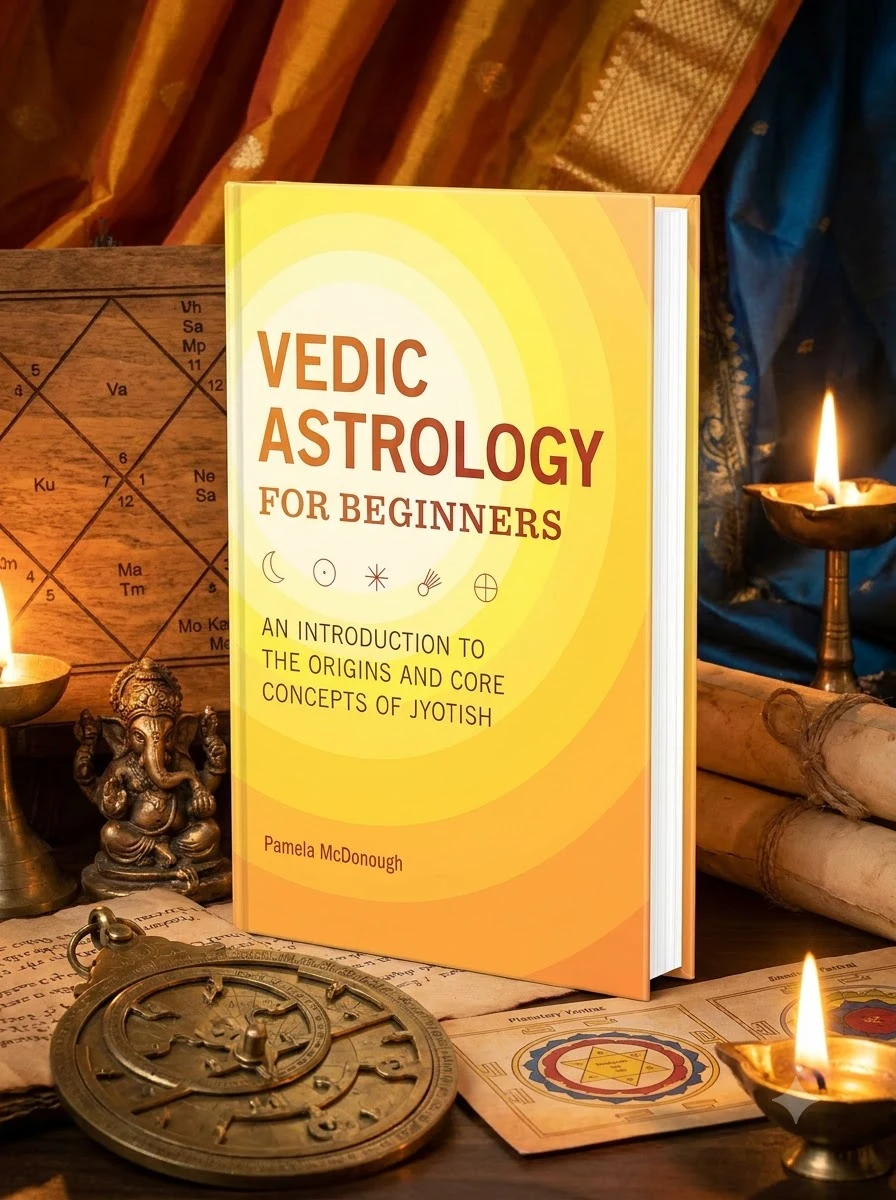
4. Vedic Astrology for Beginners: An Introduction to the Origins and Core Concepts of Jyotish — Pamela McDonough
McDonough's Vedic Astrology for Beginners emphasizes the spiritual and philosophical roots of Jyotish. She explains not just *how* to read a chart, but *why* Vedic astrology views karma and destiny the way it does. This book suits someone seeking meaning and context, not just technique. It's longer and more reflective than Shastri's primer.
Build Your Foundation: Core Texts for Serious Students
Once you grasp the basics—planets, signs, houses, and simple chart reading—these books deepen your understanding of Vedic principles and introduce intermediate tools. They assume you can read a birth chart and recognize planetary placements.
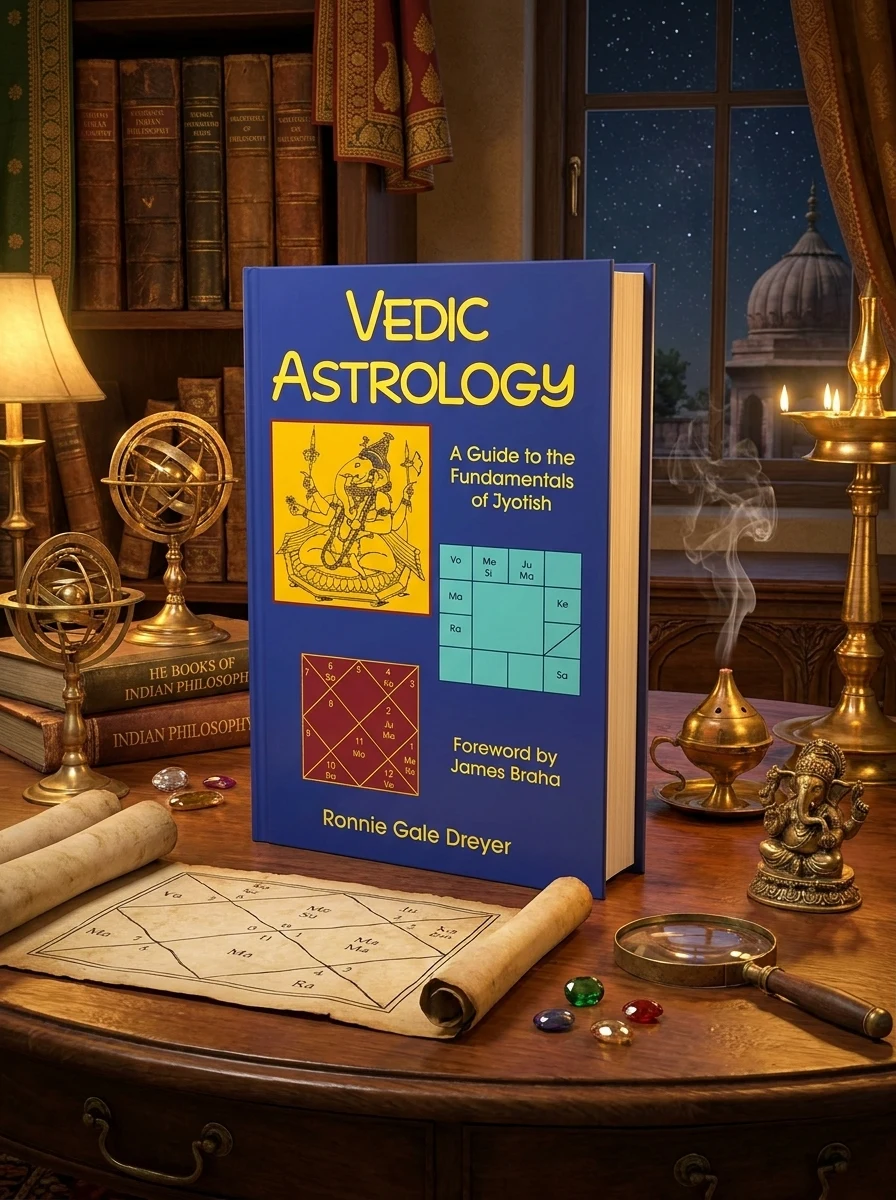
5. Vedic Astrology: A Guide to the Fundamentals of Jyotish — Ronnie Gale Dreyer
Dreyer's Fundamentals is the bridge between beginner and intermediate. It covers the zodiac, planets, houses, and aspects with more precision than introductory texts, but remains organized and clear. Dreyer also introduces the concept of planetary strength (dignity, exaltation, debilitation)—crucial for accurate interpretation. If you've read one beginner book and want to deepen without jumping to dense reference works, this is your next step.
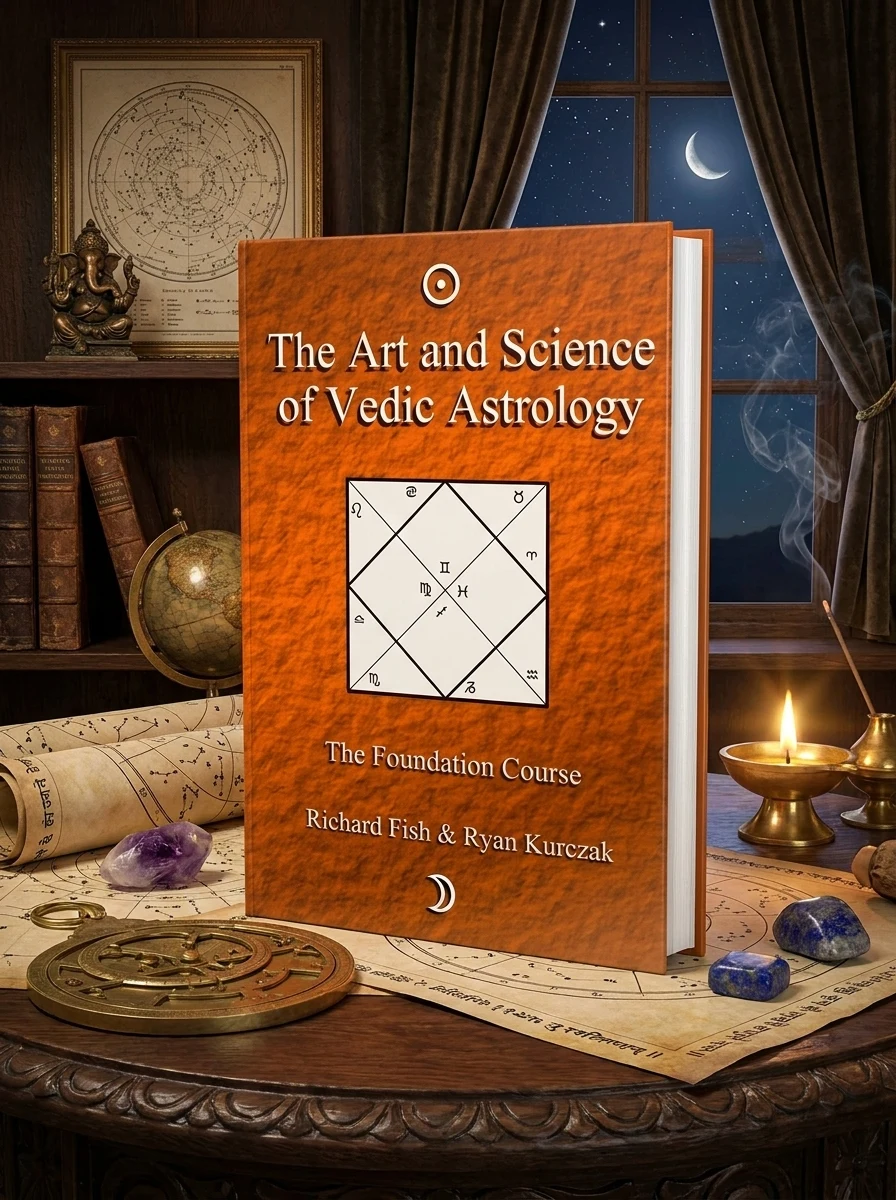
6. The Art and Science of Vedic Astrology: The Foundation Course — Richard Fish and W. Ryan Kurczak
Fish and Kurczak's Foundation Course is structured like a classroom text. It moves methodically through planetary meanings, sign rulerships, house interpretations, and basic combinations. The tone is instructional and systematic—ideal if you learn best from clear, step-by-step progression. This book assumes you've read at least one beginner primer.
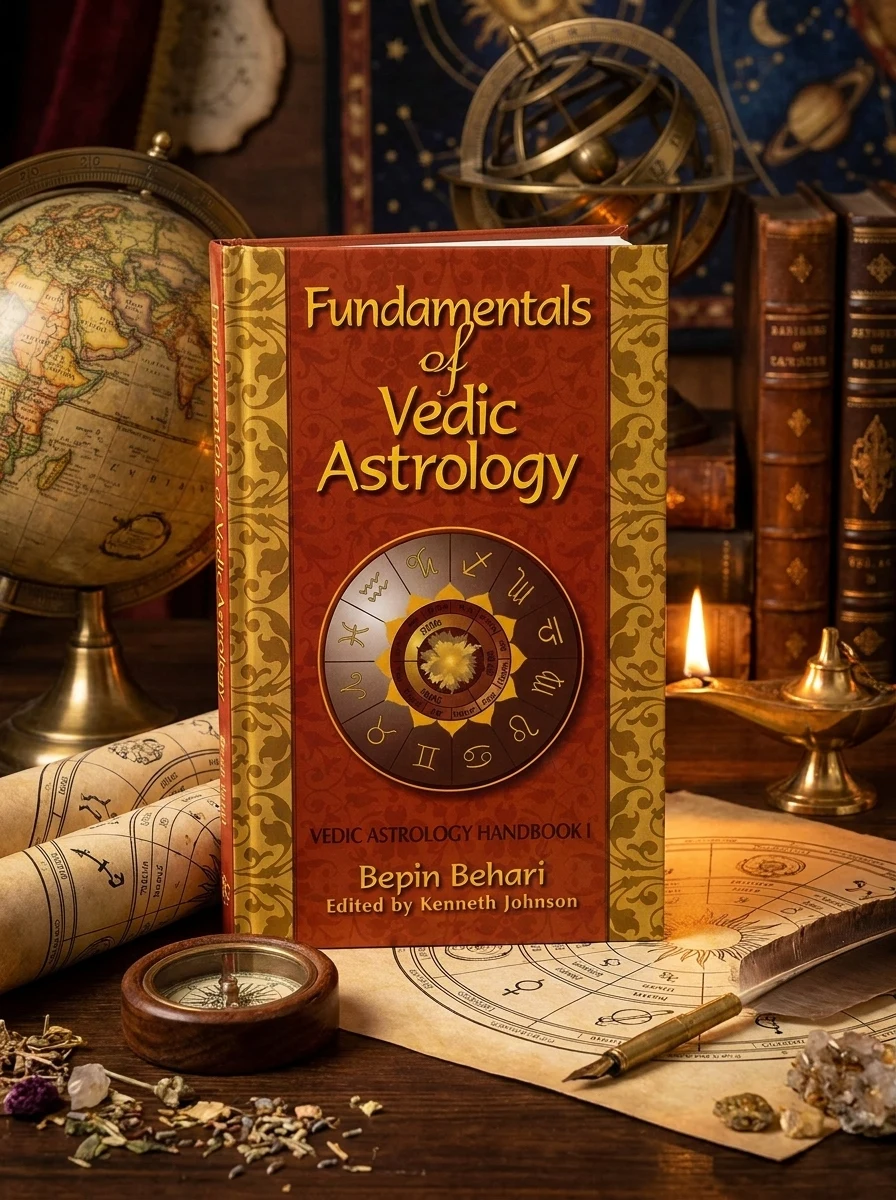
7. Fundamentals of Vedic Astrology: Vedic Astrology Handbook — Bepin Behari
Behari's Fundamentals is a classic reference by one of Jyotish's most respected modern teachers. It's denser than Fish and Kurczak but more authoritative. Behari covers planetary rulerships, house meanings, and the concept of yogas (planetary combinations that create specific life patterns). This book rewards careful study and works well as a reference you return to repeatedly.
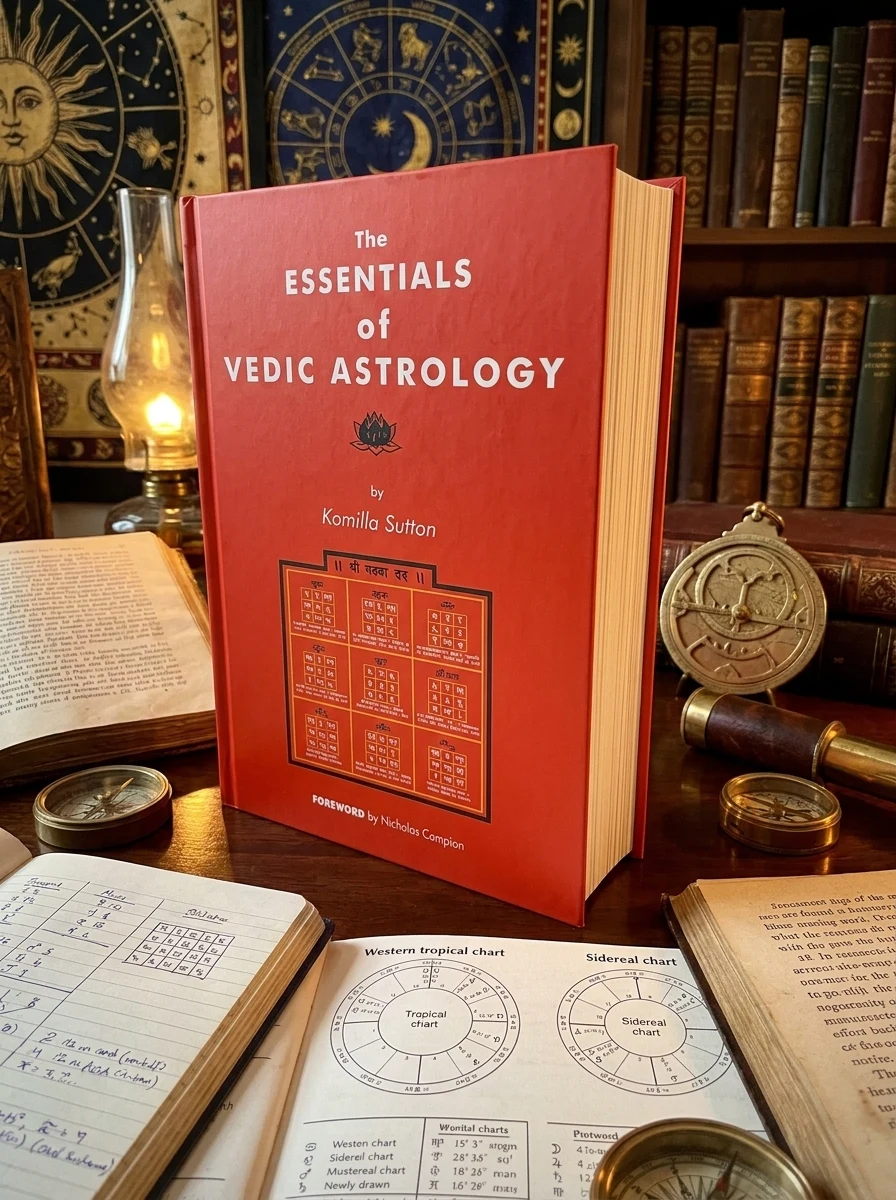
8. The Essentials of Vedic Astrology — Komilla Sutton
Sutton's Essentials is comprehensive and well-organized. It covers the zodiac, planets, houses, aspects, and introduces nakshatras (lunar mansions) in a way that doesn't overwhelm. Sutton is a respected teacher, and her writing is clear without being oversimplified. This book works as either a thorough foundation text or a reference guide for intermediate students.
Intermediate Practice: Specialized Techniques and Deeper Interpretation
These books assume you can read a birth chart confidently and understand planetary placements. They introduce advanced tools: nakshatras, dashas (planetary periods), and nuanced interpretation methods.
9. The Nakshatras: The Lunar Mansions of Vedic Astrology — Dennis Harness
Harness's Nakshatras is the definitive English-language guide to these 27 lunar divisions. Nakshatras refine chart interpretation by revealing personality traits, timing, and spiritual themes beyond the 12 signs. Each nakshatra receives its own chapter with mythology, symbolism, and practical meaning. This book is essential if you want to read charts with depth and precision. It assumes you understand basic chart structure.
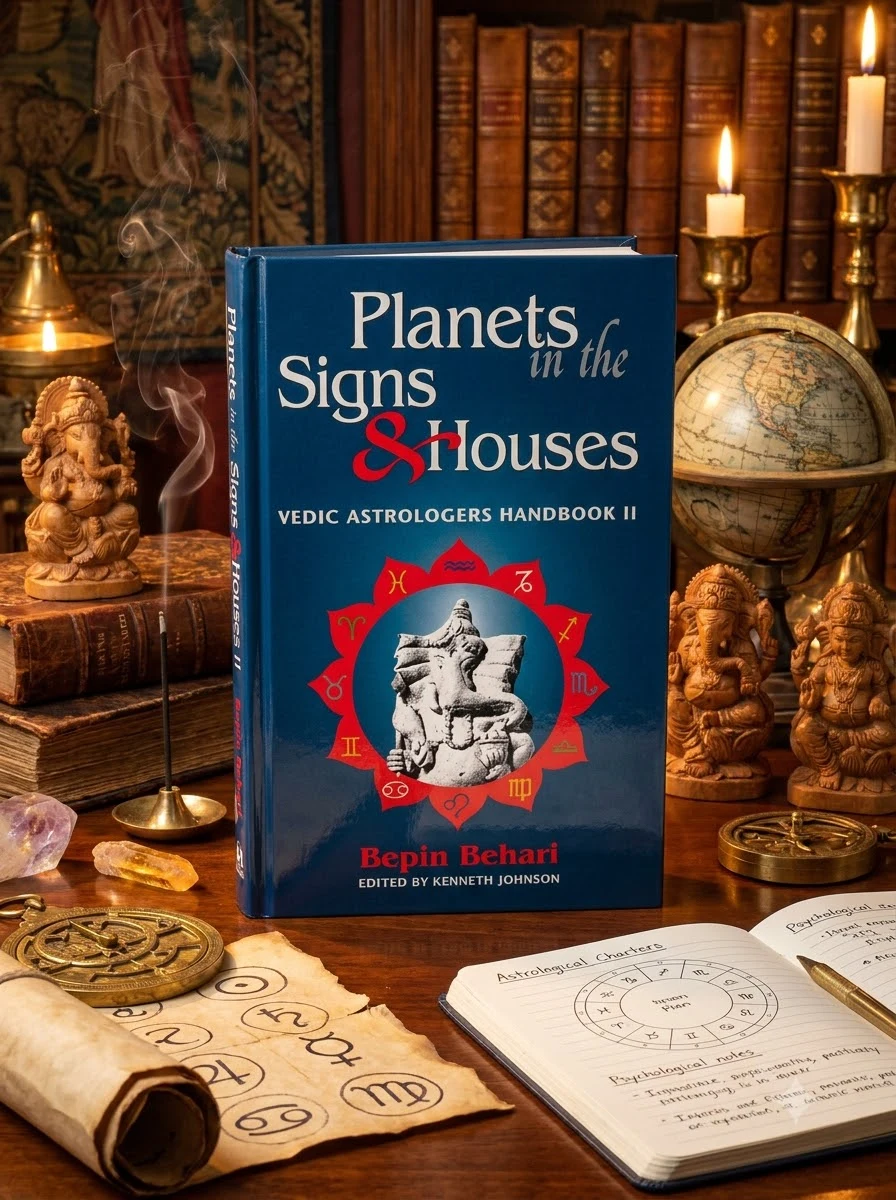
10. Planets in the Signs and Houses: Vedic Astrologer's Handbook Vol. II — Bepin Behari
Behari's Vol. II is a reference handbook for interpreting planetary placements in detail. It covers each planet in each sign and house—a comprehensive lookup guide. This book is less about learning theory and more about deepening interpretation of specific placements. Use it alongside your own chart work or client readings.
11. Jyotish: The Art of Vedic Astrology — Andrew Mason and James Braha
Mason and Braha's Jyotish is a substantial, professional-level text. It covers chart reading, dashas (planetary periods), and predictive techniques. The book balances technical precision with accessible explanation. It's longer and more expensive than earlier titles, but it's designed for someone ready to practice Jyotish seriously—whether as a student or aspiring practitioner. Assumes solid foundational knowledge.
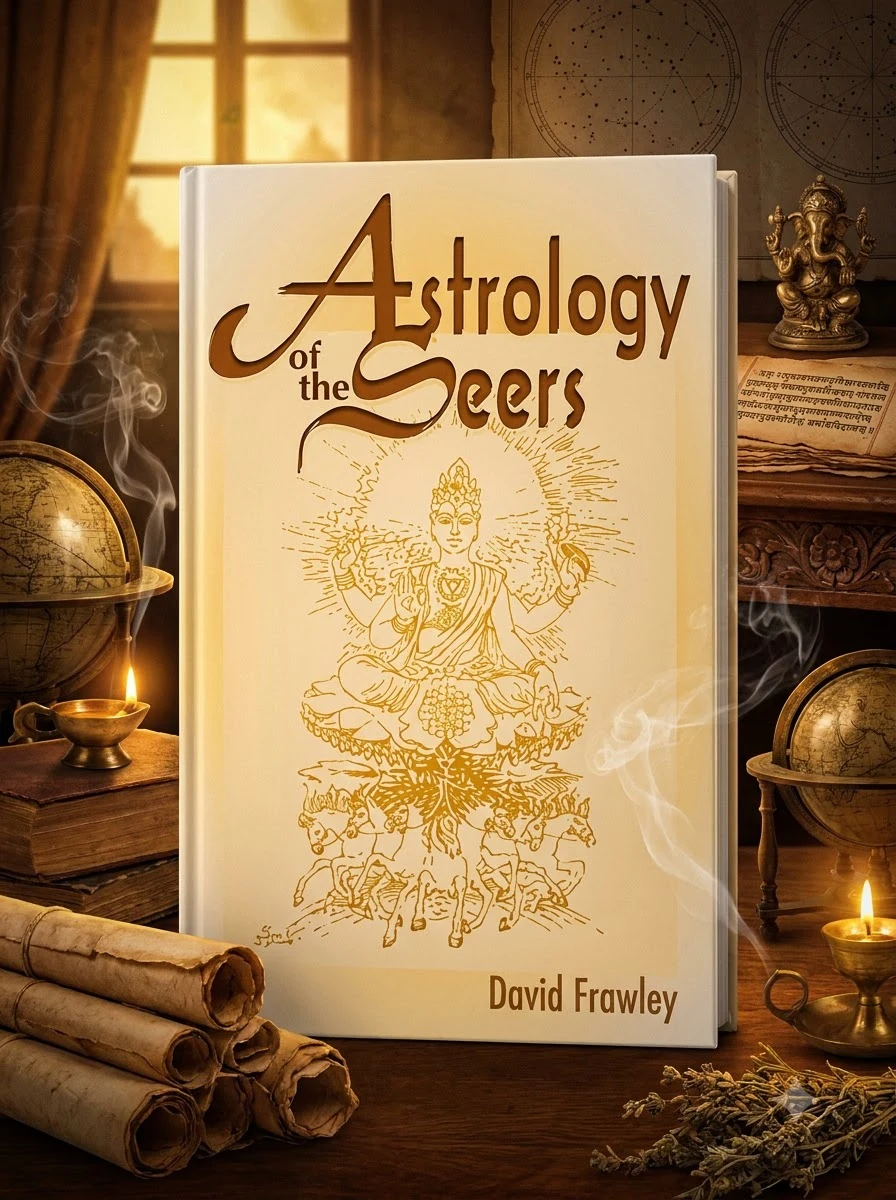
12. Astrology of the Seers: A Guide to Vedic/Hindu Astrology — David Frawley
Frawley's Astrology of the Seers is both a technical guide and a spiritual text. Frawley, a respected Ayurveda and Vedic scholar, explains Jyotish within its broader philosophical context. He covers planets, signs, houses, nakshatras, and dashas, but always with attention to spiritual meaning and dharma. This book suits someone who wants technical skill *and* spiritual understanding. It's dense but rewarding.
How to Choose Your Starting Point
The right first book depends on three things: your prior astrology knowledge, your learning style, and what you want from Vedic astrology.
If you've never studied astrology: Start with Beneath a Vedic Sky or McDonough's Vedic Astrology for Beginners. Both are warm and non-technical. Levacy is gentler; McDonough is more philosophical.
If you know Western astrology: Jump to A Practical Guide to Vedic Astrology or Dreyer's Fundamentals. Both assume you understand birth charts and want to learn Vedic-specific methods.
If you learn best from systematic, step-by-step instruction: Choose Fish and Kurczak's Foundation Course or Behari's Fundamentals. Both are methodical and reference-friendly.
If you want spiritual context alongside technique: Prioritize McDonough or Frawley. Both honor Jyotish's roots in Vedic philosophy and karma.
If you're ready for advanced work: Move directly to Mason and Braha or Harness's Nakshatras. Both assume you can read a chart and want to master dashas, nakshatras, and predictive timing.
Most readers benefit from reading two books in sequence: one beginner text for overview and confidence, then one intermediate text for depth. After that, reference books like Behari's Vol. II become invaluable tools for ongoing study and practice.