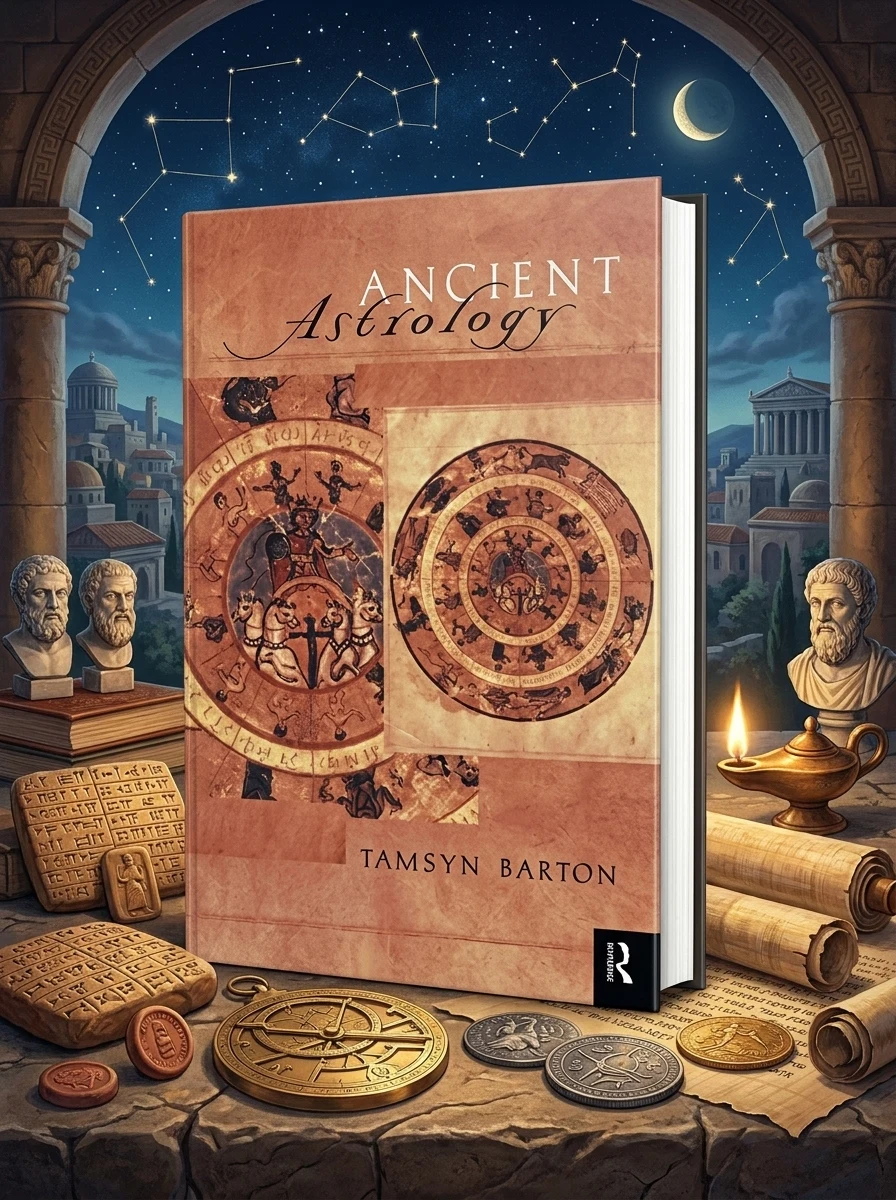
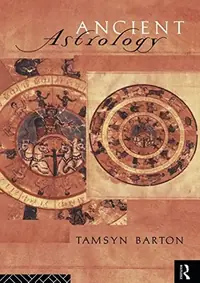
Ancient Astrology Barton, Tamysn
Barton, TamysnStock reported in the catalog; fulfillment is confirmed with your request.
Uncover the cosmic secrets that shaped ancient civilizations and their understanding of destiny.
This insightful volume by Tamsyn Barton delves into the profound history of astrological practice, tracing its origins from the fertile crescent of Mesopotamia. The narrative then shifts its focus to the flourishing Greco-Roman world, meticulously detailing how celestial observations evolved into sophisticated theoretical frameworks. More than a mere historical overview, Barton brilliantly illuminates the dynamic interplay between astrological beliefs and the shifting social and political landscapes of antiquity, revealing its pervasive influence on everyday life and governance. A definitive exploration for those seeking to understand astrology's ancient roots.
This work situates itself within the rich tradition of ancient Near Eastern and Greco-Roman intellectual history, exploring how celestial observations evolved into complex theoretical frameworks that governed both private destiny and public governance.


📝 Description: Ancient Astrology Barton, Tamysn
💎 Expert review
📖 Why choose it
Why this book is worth reading
Readers fascinated by the intersection of cosmology, politics, and daily life in antiquity will find this volume particularly rewarding. It is ideal for those who wish to understand how ancient civilizations interpreted their destiny through the stars, moving beyond superficial horoscopes to grasp the sophisticated societal roles astrology played. If you are a history enthusiast eager to see how celestial beliefs influenced governance and social structures in Mesopotamia and the Greco-Roman world, this book offers a definitive exploration of those ancient roots without relying on modern pseudoscience.
⭐ Reader reviews
Reader rating
Tamsyn Barton provides a meticulous historical overview that effectively traces astrology's evolution from its Mesopotamian origins to its flourishing in the Greco-Roman era. The narrative excels in illuminating the dynamic interplay between astrological beliefs and shifting political landscapes, offering a scholarly yet accessible perspective on how these practices permeated everyday life. However, readers seeking practical divinatory techniques or modern psychological interpretations will find little utility here. This is strictly a historical study of ancient theoretical frameworks and their societal impact, making it unsuitable for those looking for contemporary astrological advice rather than academic context.
❓ Frequently asked questions
📖 Who should read this
If you're fascinated by the hidden currents of history, the evolution of esoteric thought, or the profound impact of ancient beliefs on civilization, this meticulously researched work is essential. It's perfect for scholars, students, and curious seekers eager to understand astrology's foundational role.
🎯 Key themes and symbolism
Mesopotamian Astrological Foundations
Discover how the earliest systematic observations of the heavens in ancient Mesopotamia laid the groundwork for astrological thought. This section explores the initial interpretations of celestial phenomena and their profound influence on subsequent philosophical and divinatory systems across the ancient world, establishing the very first cosmic blueprints.
Classical Astrological Systems
Journey into the intellectual crucible of the Greco-Roman era, where astrology transformed from a collection of omens into a complex, philosophical discipline. Barton unpacks the theoretical advancements, including the development of horoscopic astrology and its integration into the Hellenistic worldview, shaping Western esoteric traditions.
Astrology's Social & Political Role
Explore the pervasive influence of celestial prognostication on the societal structures and political machinations of the ancient world. This book reveals how astrological interpretations were not merely personal guidance but critical tools for rulers, influencing public policy, imperial decisions, and the very fabric of daily life in diverse cultures.
💬 Quotes from the book
“The stars were not merely distant lights, but active participants in the earthly drama, dictating the rise and fall of empires and the fates of individuals.”
“Understanding the theoretical shifts in astrological thought reveals a profound intellectual lineage, where celestial mechanics informed philosophical inquiry and vice versa.”
📜 Historical context
📚 Glossary
- Mesopotamia
- Greco-Roman World
- Horoscopic Astrology
📔 Questions to reflect on
- How might our modern understanding of the cosmos differ if ancient astrological interpretations had remained culturally dominant?
- Consider the parallels between ancient astrological determinism and contemporary beliefs about destiny or predestination in various cultures.
- In what ways did the social and political utility of astrology shape its theoretical development in the Greco-Roman world?
📖 From the series “Sciences of Antiquity”
All books in the series →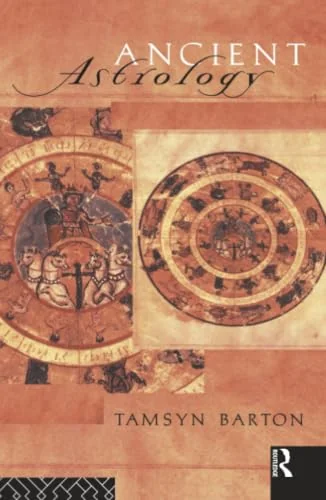
✍️ More books by this author Barton, Tamysn
All books by this author →🏛 Books from this publisher Routledge
All books from this publisher →



 89
89



You might also like
See more →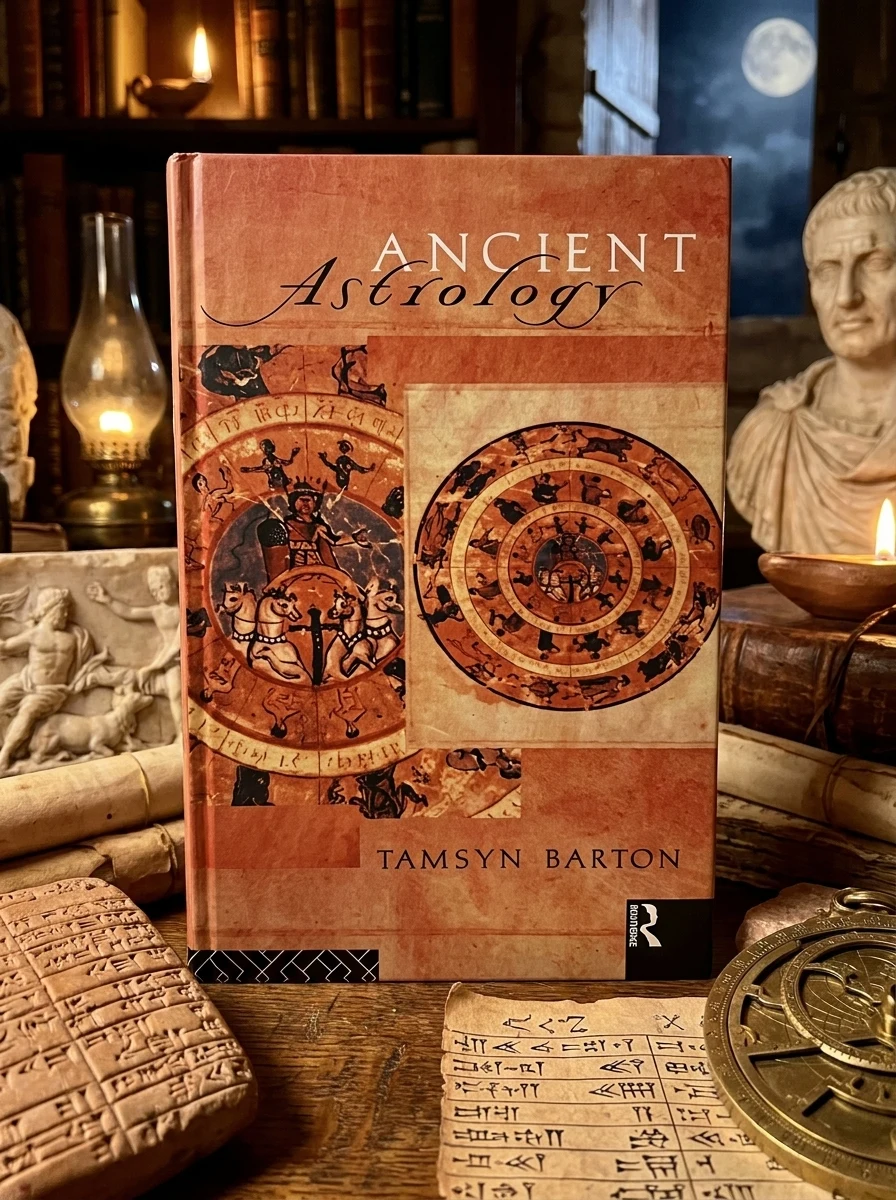 91
91

 89
89