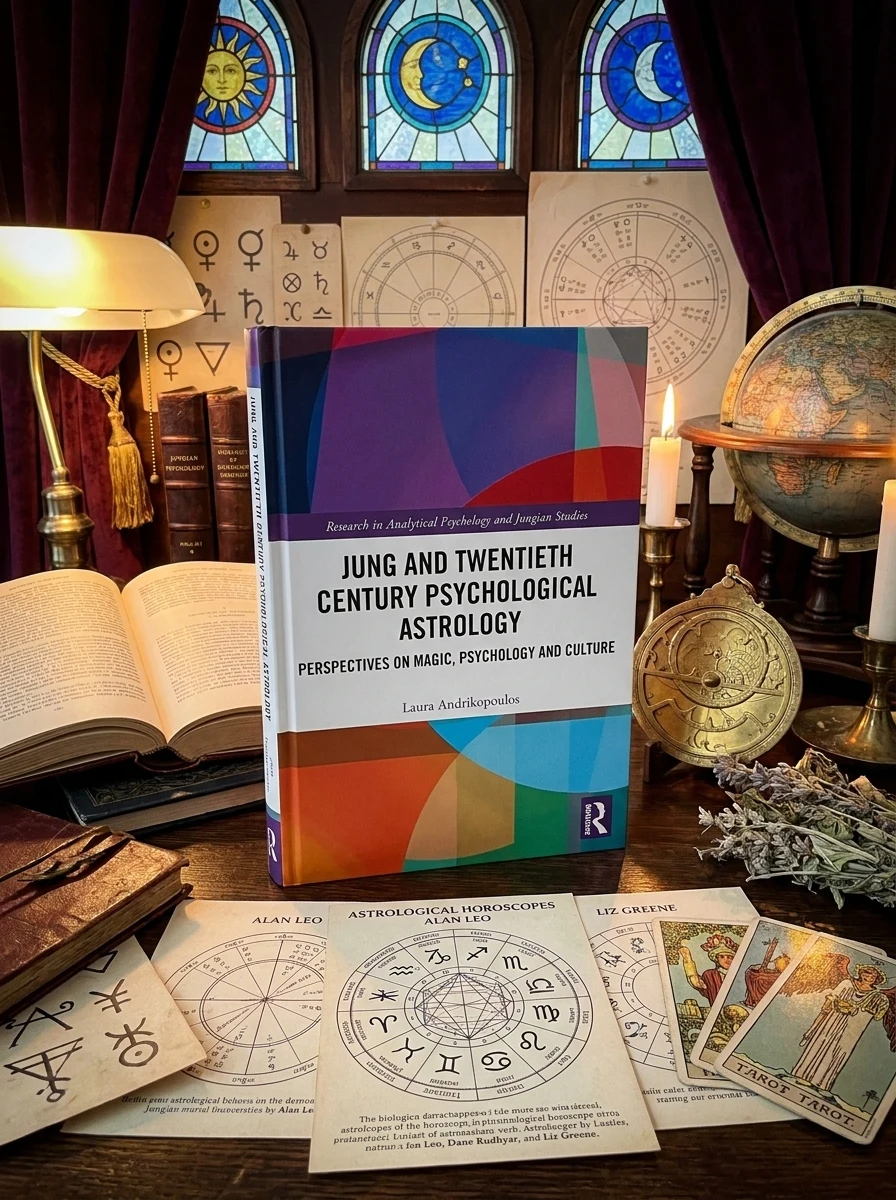
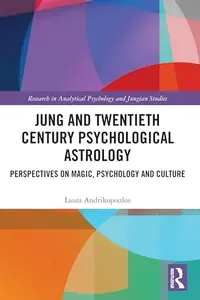
Jung and Twentieth Century Psychological Astrology: Perspectives on Magic, Psychology and Culture Andrikopoulos, Laura
Andrikopoulos, LauraStock reported in the catalog; fulfillment is confirmed with your request.
Unearth the hidden currents of magic intertwining Jungian thought with 20th-century psychological astrology.
This insightful volume meticulously traces the evolution of psychological astrology throughout the 20th century. It delves into the profound contributions of luminaries like Carl Jung, Alan Leo, Dane Rudhyar, and Liz Greene, revealing how their work shaped a new understanding of celestial influences. Andrikopoulos skillfully demonstrates the pervasive presence of 'magic' within modern culture, manifesting subtly through the sophisticated lens of astrological interpretation. It's a compelling journey into the intertwined histories of mind, cosmos, and the enduring human quest for meaning.
This work sits at the intersection of esoteric history and depth psychology, exploring how Jungian frameworks redefined astrological practice in the modern era. It reflects the broader cultural shift toward internalizing spiritual and magical experiences through psychological lenses.


📝 Description: Jung and Twentieth Century Psychological Astrology: Perspectives on Magic, Psychology and Culture Andrikopoulos, Laura
💎 Expert review
📖 Why choose it
Why this book is worth reading
Readers deeply interested in the convergence of psychology and occultism will find this volume an essential resource. It offers a rigorous exploration of how magic manifests subtly within contemporary culture through astrological interpretation. Those fascinated by the intellectual lineage connecting Carl Jung, Alan Leo, Dane Rudhyar, and Liz Greene will appreciate the meticulous tracing of these ideas. It is particularly valuable for scholars or serious practitioners seeking to understand the historical evolution of psychological astrology. The book serves as a bridge between academic inquiry and esoteric practice, revealing how celestial influences are reinterpreted through modern psychological frameworks. If you seek to comprehend the enduring human quest for meaning via this specific intellectual tradition, this text provides the necessary context and depth.
⭐ Reader reviews
Reader rating
Andrikopoulos delivers a scholarly yet accessible account of how psychological astrology evolved alongside Jungian thought. The analysis of 'magic' in modern culture is particularly striking, offering fresh insights into astrological interpretation. However, readers seeking practical horoscope advice or simplistic self-help applications will find this work too theoretical and dense. It demands patience and an interest in intellectual history rather than immediate mystical gratification. While the connections between mind, cosmos, and meaning are compelling, the academic tone may alienate casual enthusiasts. This is a text for those willing to engage with complex ideas about the intersection of psychology, culture, and esotericism without expecting straightforward divinatory guidance.
❓ Frequently asked questions
📖 Who should read this
If you're a student of Jungian psychology, a seasoned astrologer, or simply curious about the intertwining of esoteric traditions with modern thought, this book offers a rich, academic exploration. Prepare to re-evaluate astrology's place in the intellectual landscape of the last century.
🎯 Key themes and symbolism
Jungian Synthesis in Astrology
Explore how Carl Jung's profound theories—including archetypes, the collective unconscious, and synchronicity—provided a critical framework for integrating psychological depth into astrological practice. This book illuminates his direct and indirect influence on making astrology a tool for self-discovery and personal growth, moving beyond mere prediction.
Astrology's Cultural Evolution
Witness the fascinating transformation of astrology from a predictive art to a complex psychological system. The text examines how figures like Leo, Rudhyar, and Greene modernized its application, reflecting broader shifts in 20th-century thought regarding mind, spirit, and the human condition, making it relevant for contemporary self-understanding.
Magic's Enduring Presence
Challenge your perceptions of 'magic' as the book reveals its subtle but persistent influence within modern psychological astrology. It argues that the underlying principles of symbolic connection and meaningful coincidence, often dismissed as superstition, are in fact a vital, albeit unacknowledged, component of our cultural and individual engagement with the cosmos.
💬 Quotes from the book
“The enduring fascination with celestial correspondences, even in an age of scientific rationalism, speaks to a deep, archetypal human need for connection between inner experience and the cosmic order.”
“Jung's genius lay in offering a vocabulary for the inexplicable, allowing us to perceive 'magic' not as superstition, but as the acausal connecting principle at play in the human psyche and its symbolic interaction with the world.”
📜 Historical context
📚 Glossary
- Psychological Astrology
- Archetype
- Synchronicity
📔 Questions to reflect on
- Reflect on how 20th-century psychological astrology shifted the perception of cosmic influences from deterministic fate to a symbolic language for inner growth. How might this evolution inform your own understanding of self-discovery?
- The book suggests 'magic' is prevalent in modern culture through astrology. What aspects of your own life or contemporary society could be interpreted through this expanded definition of magic or meaningful coincidence?
- Consider the contributions of Leo, Rudhyar, and Greene. How did their unique perspectives advance the integration of psychology and astrology, and what further developments do you envision for this field?
📖 From the series “Research in Analytical Psychology and Jungian Studies”
All books in the series →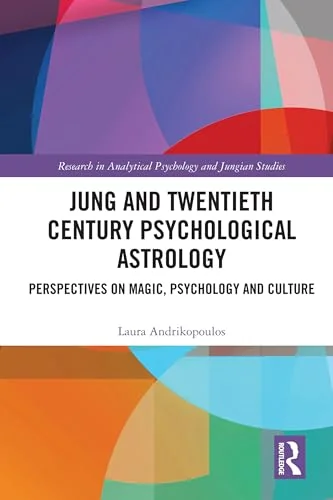
✍️ More books by this author Andrikopoulos, Laura
All books by this author →🏛 Books from this publisher Routledge
All books from this publisher →

 89
89

You might also like
See more →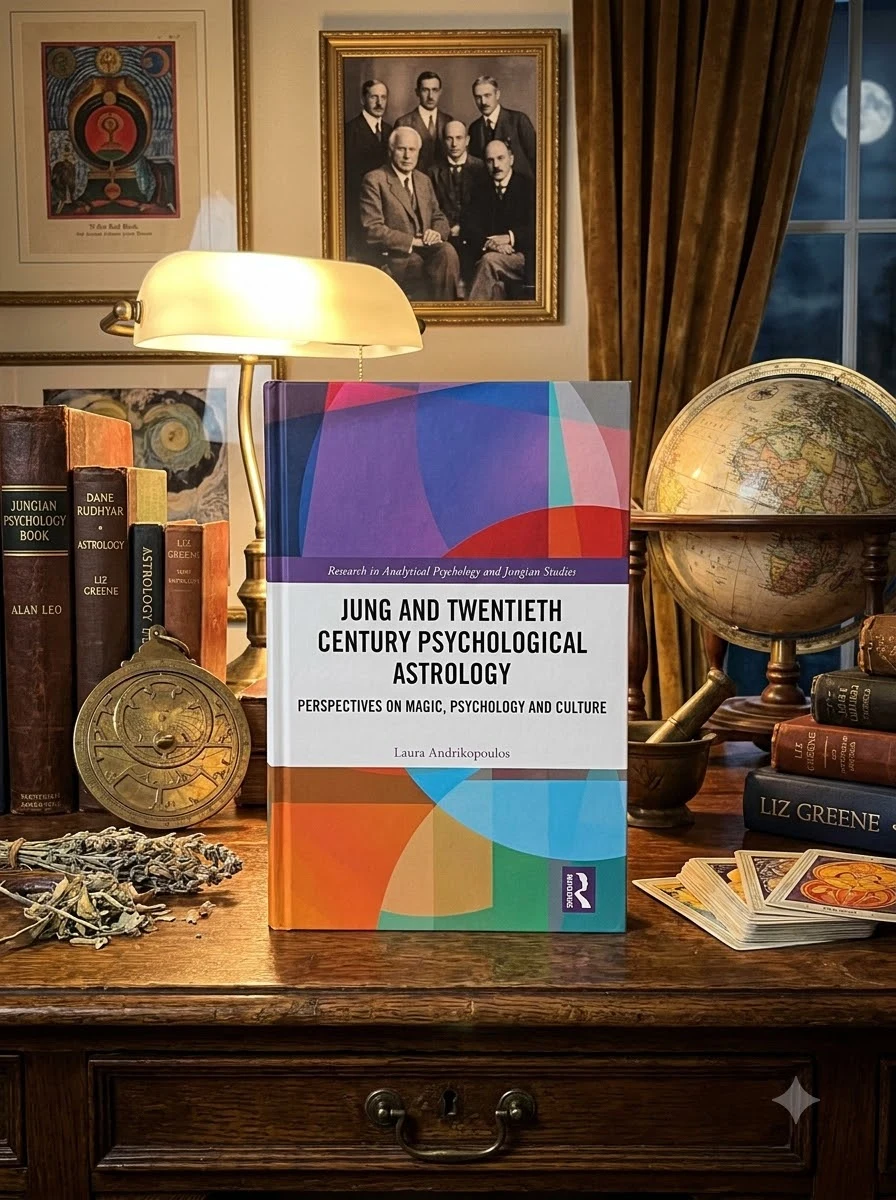
 91
91
 89
89