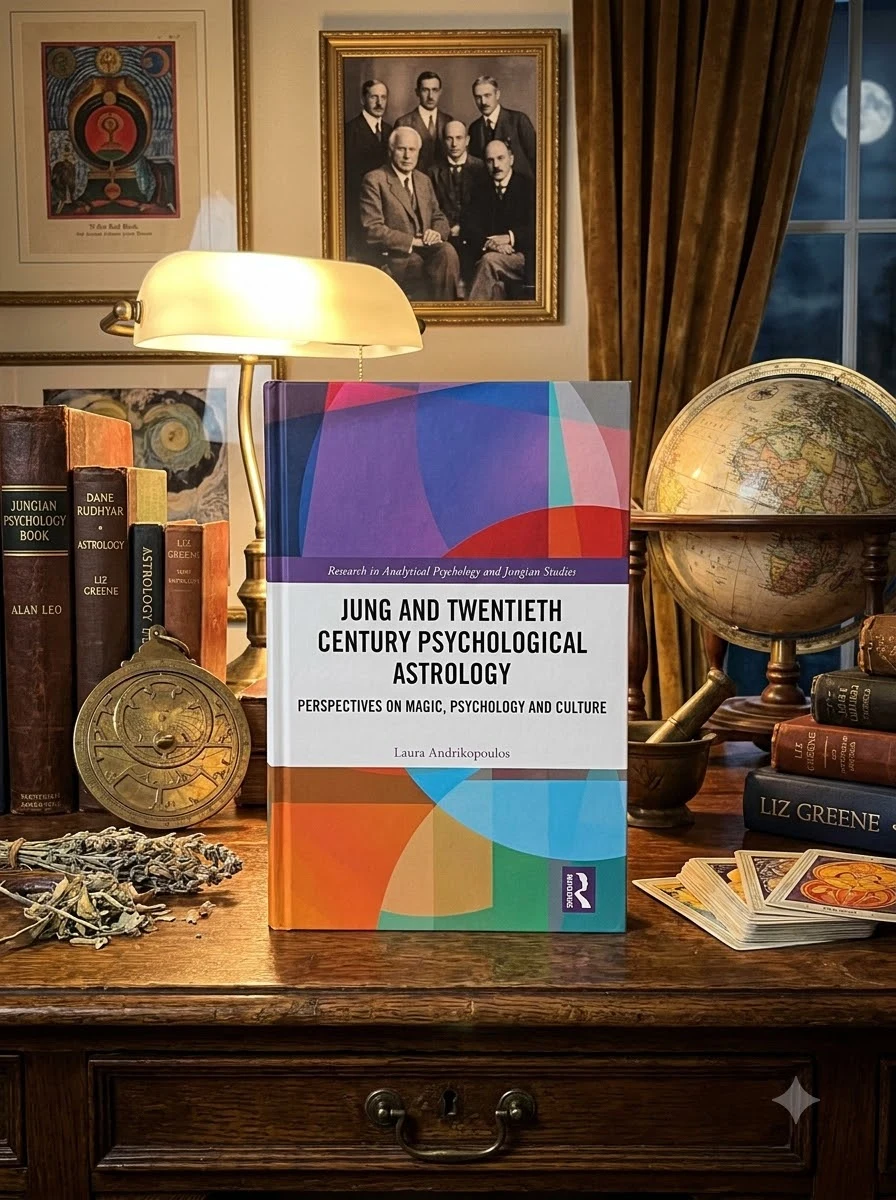
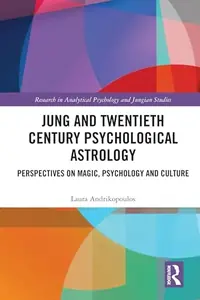
Jung and Twentieth Century Psychological Astrology: Perspectives on Magic, Psychology and Culture Andrikopoulos, Laura
Andrikopoulos, Laura 87
87
 Editorial score
How we rate
Editorial score
How we rate
Stock reported in the catalog; fulfillment is confirmed with your request.
Unearth how Jungian thought reshaped astrology, questioning magic's place in the modern psyche.
Laura Andrikopoulos meticulously traces the evolution of psychological astrology throughout the twentieth century, examining its profound connections to Carl Jung's analytical psychology. This work delves into the contributions of seminal figures like Alan Leo, Dane Rudhyar, and Liz Greene, revealing how their interpretations integrated psychological insights into astrological practice. The author skillfully explores whether this fusion served as a strategic adaptation for astrology to maintain relevance and legitimacy in a progressively rationalized world, pondering if, in doing so, it inadvertently stripped itself of its inherent mystical essence and 'magic'.
This work situates itself within the intersection of twentieth-century esoteric history and analytical psychology, exploring how astrological practice adapted to modern rationality. It examines the cultural shift where mystical traditions were reinterpreted through the lens of Jungian depth psychology to maintain relevance.


📝 Description: Jung and Twentieth Century Psychological Astrology: Perspectives on Magic, Psychology and Culture Andrikopoulos, Laura
💎 Expert review
📖 Why choose it
Why this book is worth reading
Readers deeply invested in the philosophical underpinnings of astrology will find this text invaluable for understanding its psychological evolution. Laura Andrikopoulos offers a meticulous trace of how figures like Dane Rudhyar and Liz Greene integrated Jungian insights, providing clarity on whether these adaptations preserved or stripped away astrology's mystical essence. It is essential for those questioning the legitimacy of modern astrological practice in a rationalized world, offering a nuanced perspective on the tension between magical tradition and psychological utility.
⭐ Reader reviews
Reader rating
Andrikopoulos delivers a rigorous academic examination that may feel dense to casual enthusiasts seeking practical horoscope advice. While intellectually stimulating for scholars of esoteric history, it lacks accessibility for those uninterested in theoretical debates regarding magic's place in the psyche. Readers expecting straightforward predictive methods or introductory astrological basics will likely find this analysis too abstract and detached from daily practice, making it unsuitable for general hobbyists.
❓ Frequently asked questions
📖 Who should read this
For seekers intrigued by depth psychology, occult traditions, and cultural history, this offers profound analysis. If you've pondered astrology's journey through a rational age or its enduring appeal, prepare for a thought-provoking intellectual expedition.
🎯 Key themes and symbolism
Jungian Influence on Astrology
This volume meticulously details how Carl Jung's theories, particularly those concerning the unconscious and archetypes, profoundly shaped the development of psychological astrology. It explores how his concepts provided a new framework for understanding astrological symbolism, moving it beyond mere prediction into a tool for self-discovery and inner exploration, fundamentally redefining its purpose and appeal.
Magic's Modern Survival
Andrikopoulos investigates the intriguing question of how "magic" — broadly defined as non-rational, symbolic understanding — has persisted within modern culture, specifically through the lens of psychological astrology. The book explores whether embracing psychology allowed astrology to circumvent scientific skepticism, thereby preserving an avenue for intuitive and symbolic thought in an increasingly empirical age.
Astrology and Modernity
The work critically examines astrology's complex relationship with the modern era. It considers how a system often perceived as ancient adapted to twentieth-century intellectual currents, particularly psychology. This includes a discussion on whether this adaptation was a pragmatic survival mechanism or a genuine evolution, and the implications for astrology's perceived "magical" qualities.
💬 Quotes from the book
“The integration of Jungian archetypes offered astrology a profound language for the soul, moving it beyond simplistic fortune-telling into a realm of rich symbolic self-exploration.”
“One must question if, in striving for psychological legitimacy, astrology inadvertently shed the very 'magic' that once rooted it in the numinous, leaving a more palatable, yet perhaps less potent, system.”
📜 Historical context
📚 Glossary
- Psychological Astrology
- Analytical Psychology
- Modernity
📔 Questions to reflect on
- How has the concept of "magic" evolved in your personal understanding, and where do you see its persistence in contemporary culture?
- Consider a traditional esoteric system you are familiar with. How might it adapt or resist adaptation to modern psychological frameworks without losing its core essence?
- Reflect on how Jung's ideas about the unconscious or archetypes might offer a different lens through which to view your own astrological chart or personal life experiences.
📖 From the series “Research in Analytical Psychology and Jungian Studies”
All books in the series →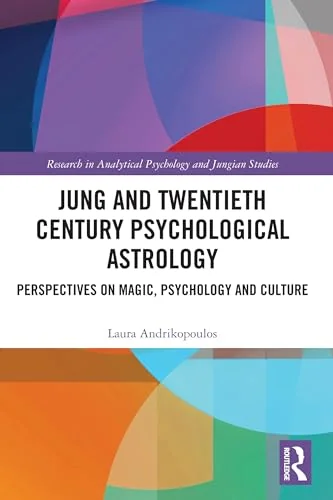
✍️ More books by this author Andrikopoulos, Laura
All books by this author →🏛 Books from this publisher Routledge
All books from this publisher →
 89
89

You might also like
See more →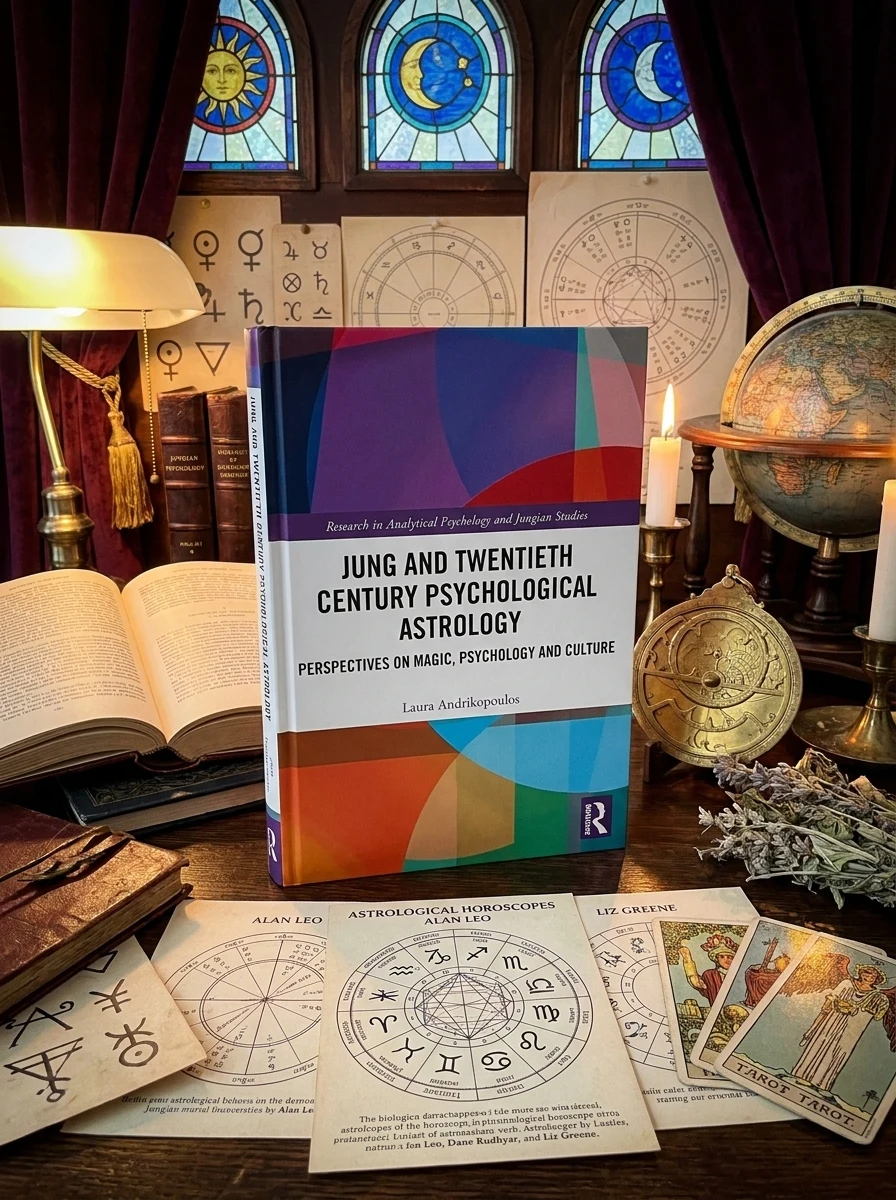
 91
91
 89
89