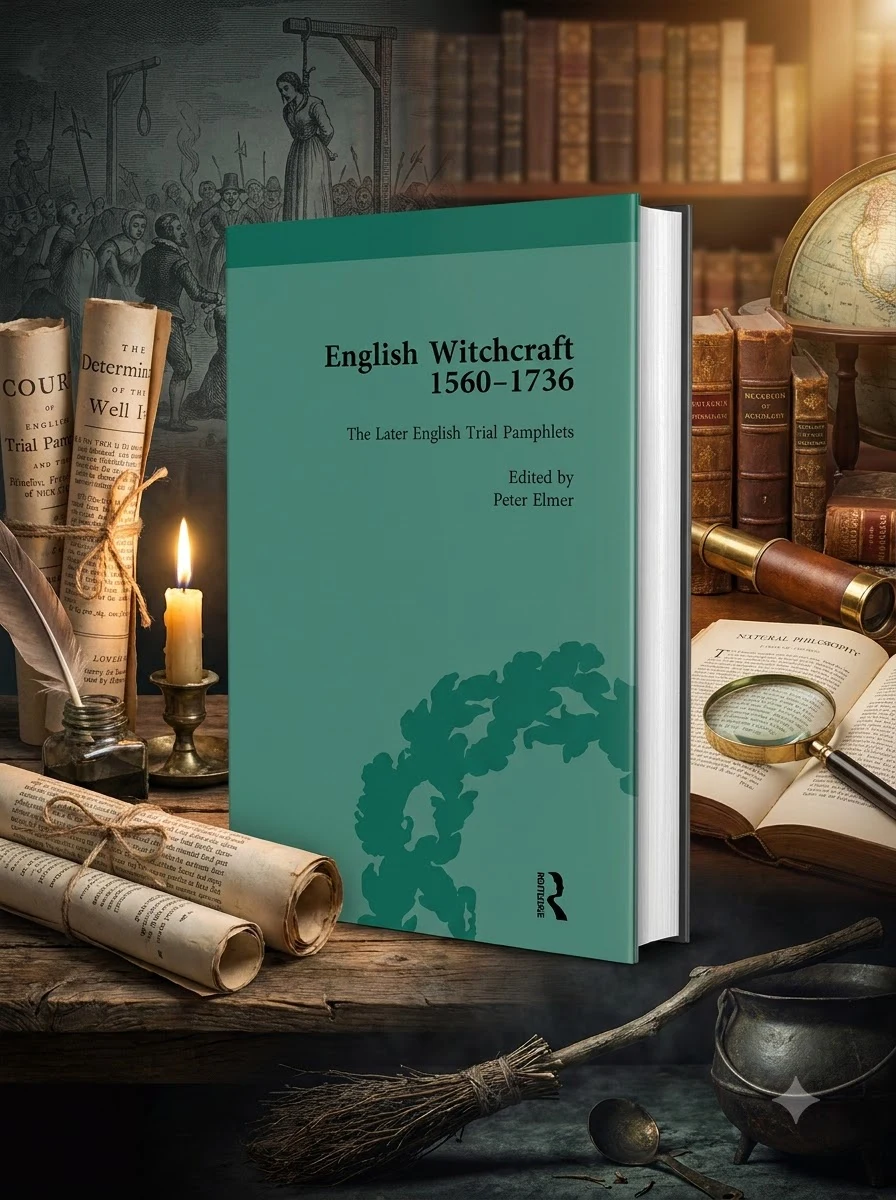
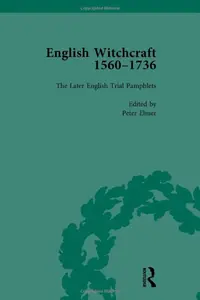
English Witchcraft, 1560-1736, Vol 5
Sharpe, James; , Golden, Richard 88
88
 Editorial score
How we rate
Editorial score
How we rate
This edition can be ordered. No arrival date is confirmed.
Uncover the dramatic shift in English witchcraft perceptions from fervor to skepticism, 1560-1736.
This volume meticulously traces the evolution of witchcraft understanding across two pivotal centuries in England. Beginning in an era of intense fear and widespread conviction, it systematically charts how societal views transformed. The narrative culminates as intellectual discourse began to challenge the very existence of witches and related magical occurrences, leading to a profound erosion of popular and scholarly belief. It's an essential exploration of how perceived reality can dramatically shift over time.
This volume fits within the scholarly tradition of historical occult studies, specifically examining the sociological and intellectual shifts in English witchcraft perceptions during the early modern period. It serves as a critical resource for understanding the transition from fervent belief to skepticism in Western esoteric history.


📝 Description: English Witchcraft, 1560-1736, Vol 5
💎 Expert review
📖 Why choose it
Why this book is worth reading
This book is an essential resource for historians, sociologists, and scholars interested in the intellectual history of magic and religion. Readers will gain a profound understanding of how societal views on witchcraft evolved from intense fear to scholarly skepticism between 1560 and 1736. It offers a meticulous trace of this dramatic shift, revealing how perceived reality can transform over time through changing intellectual discourse. Those fascinated by the erosion of popular belief and the rise of critical inquiry in early modern England will find this exploration invaluable for contextualizing the broader cultural movements that defined the era.
⭐ Reader reviews
Reader rating
Sharpe and Golden provide a meticulous trace of witchcraft perceptions, charting the shift from fervor to skepticism with academic rigor. This volume is ideal for scholars seeking a systematic analysis of how intellectual discourse challenged the existence of witches over two pivotal centuries. However, it does not suit casual readers looking for sensationalist ghost stories or practical magical instructions. Those expecting narrative drama may find the scholarly tone dry. It is strictly for those interested in historical sociology and the evolution of belief systems, rather than entertainment. The focus remains on the erosion of belief through discourse, making it a dense but necessary text for serious study of early modern English history.
❓ Frequently asked questions
📖 Who should read this
If you're captivated by the complex interplay of history, culture, and belief, and wish to understand how societal views on magic profoundly transform, this volume is for you. It offers invaluable insights into England's early modern intellectual landscape.
🎯 Key themes and symbolism
Shifting Beliefs
This book meticulously documents the seismic shift in how English society viewed witchcraft, moving from fervent belief and persecution in the 16th century to intellectual skepticism and eventual dismissal by the early 18th century. It highlights the complex interplay of cultural, religious, and scientific factors.
Historical Evolution of Witchcraft
Delve into a detailed chronological account of witchcraft's role in English society. The text explores how the concept of witchcraft itself was interpreted, legislated, and debated through various historical phases, offering a rich tapestry of changing social anxieties and legal frameworks.
Decline of Magical Thought
Observe the fascinating process through which an educated elite gradually dismantled the widespread belief in supernatural maleficia. This volume illustrates how rational inquiry and changing intellectual currents eroded the foundations of magical thinking, paving the way for a more secular understanding of unexplained phenomena.
💬 Quotes from the book
“By the close of the seventeenth century, what was once an unshakeable truth had begun to dissolve under the scrutiny of emerging scientific thought and legal reform.”
“The shift from fervent prosecution to intellectual debate signifies not a victory of good over evil, but a profound reordering of perceived reality itself.”
📜 Historical context
📚 Glossary
- Maleficia
- Chronological Collection
- Enlightenment Skepticism
📔 Questions to reflect on
- How might current societal 'unquestionable truths' be perceived as superstitions by future generations, akin to 16th-century witchcraft beliefs?
- In what ways do legal systems reflect and, in turn, shape popular beliefs about the esoteric or supernatural, as seen in this period?
- Reflect on the role of 'educated debate' in dismantling deeply ingrained fears and beliefs. What are its strengths and limitations?
✍️ More books by this author Sharpe, James; , Golden, Richard
All books by this author → 91
91
 83
83
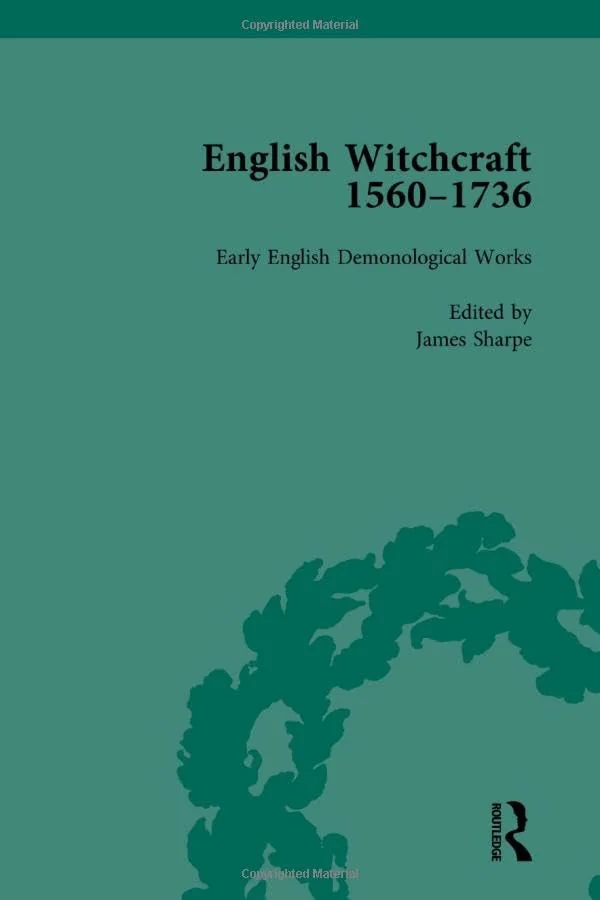
🏛 Books from this publisher Routledge
All books from this publisher →

 89
89

You might also like
See more →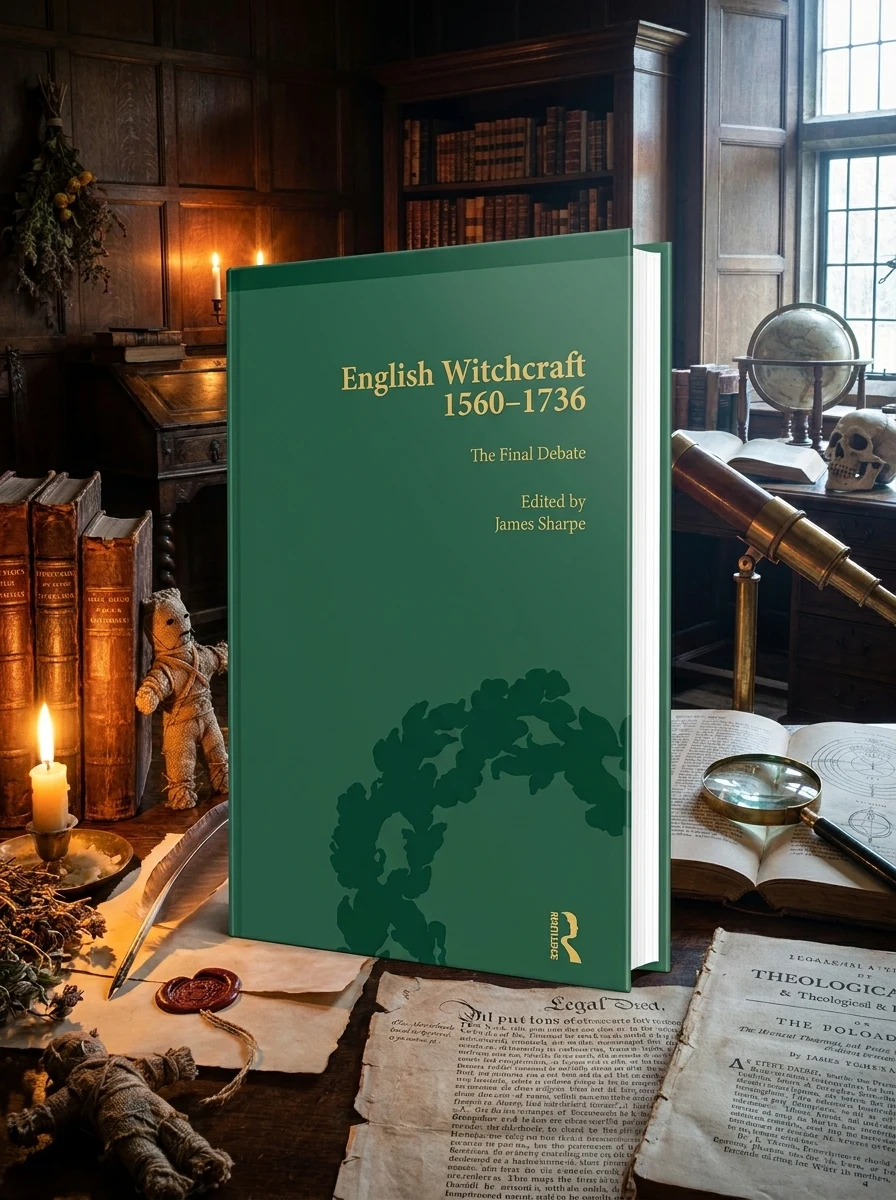 91
91
 86
86
 86
86
 83
83
 90
90
 90
90