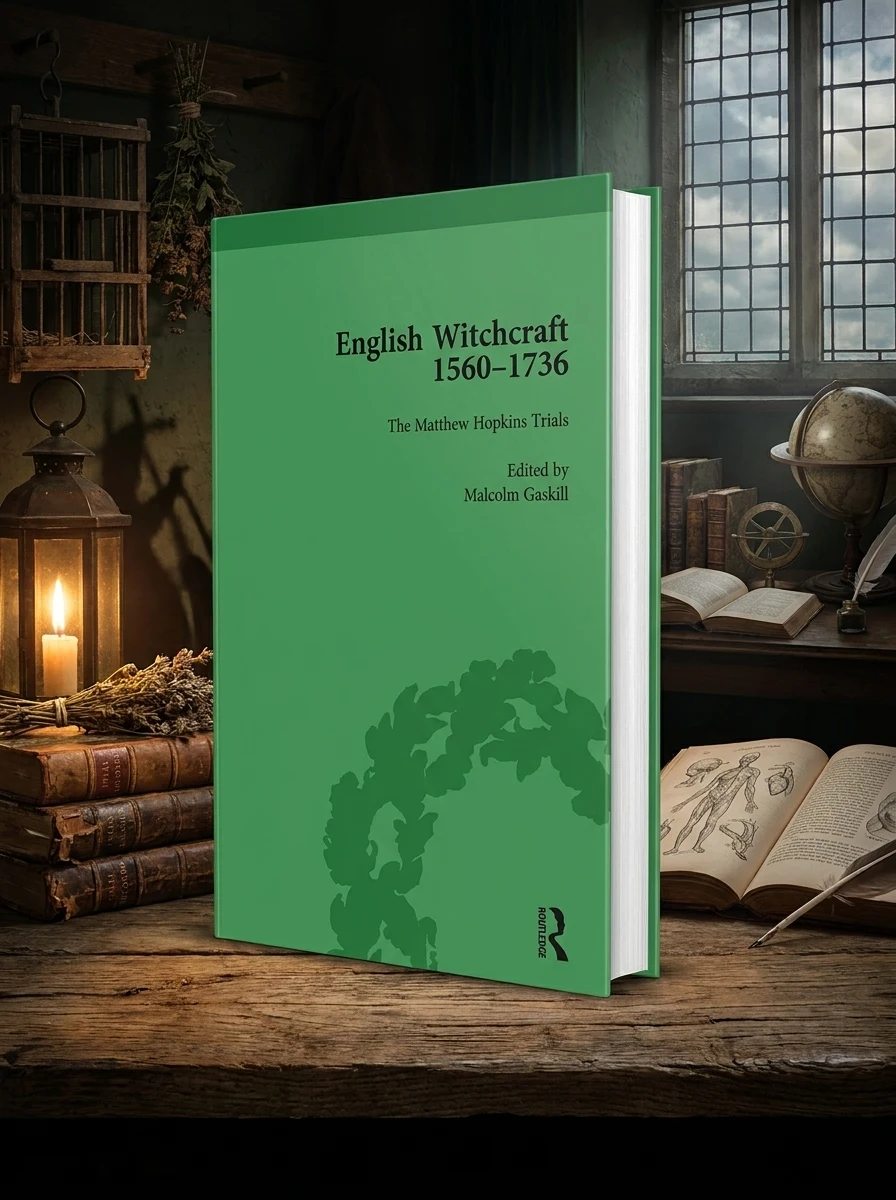

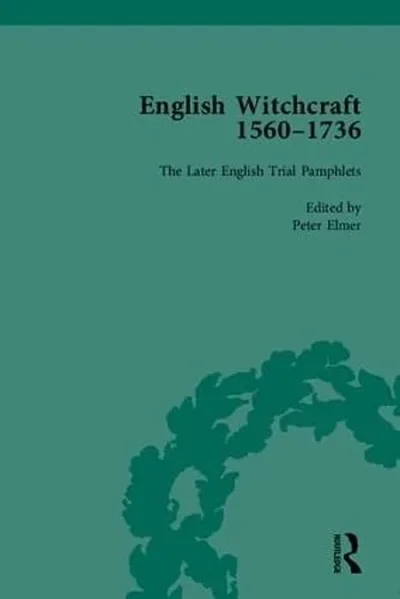
English Witchcraft, 1560-1736, vol 3
Sharpe, James 82
82
 Editorial score
How we rate
Editorial score
How we rate
Stock reported in the catalog; fulfillment is confirmed with your request.
Sharpe dissects three centuries of English witch-hunts, revealing the slow death of belief.
James Sharpe’s third volume meticulously tracks the shifting cultural landscape of English witchcraft from the late Tudor era through the early eighteenth century. By analyzing legal records and contemporary pamphlets, he illustrates how public fascination with sorcery gradually gave way to skepticism. This work is not merely a chronicle of persecution, but an intellectual history that documents the moment when educated society began to question the very existence of witches, marking a pivotal transition from superstition to rational inquiry.
This volume serves as the concluding chapter in James Sharpe’s comprehensive intellectual history of English witchcraft, bridging the late Tudor era and the early eighteenth century. It documents the critical transition from widespread superstition to rational inquiry within the scholarly and legal traditions of early modern England.


📝 Description: English Witchcraft, 1560-1736, vol 3
💎 Expert review
📖 Why choose it
Why this book is worth reading
Readers fascinated by the intersection of law, culture, and belief will find this volume deeply rewarding. It is ideal for those who wish to understand not just the persecution itself, but the intellectual shift that ended it. By tracing how public fascination gave way to skepticism, Sharpe offers a nuanced view of history’s slow turn toward rationality. This book is perfect for historians, sociologists, and anyone interested in how educated society began to question the existence of witches. It provides essential context for understanding the decline of magical thinking and the rise of modern judicial standards, making it a vital resource for grasping the complexities of early modern English society.
⭐ Reader reviews
Reader rating
I've read excerpts online before, but having the full text is different. Some chapters demand a slow, careful read, and that's exactly the point. It reads better in small doses — a chapter at a time with notes. Recommended if you're ready to do the work.
Not my usual area but wanted to branch out. I found myself reading passages aloud just to sit with them. It pairs well with more modern commentaries on the same tradition.
Sharpe’s meticulous analysis of legal records and pamphlets offers a compelling intellectual history rather than a simple chronicle of persecution. The work is rigorous and well-sourced, appealing to academics and serious history enthusiasts who appreciate detailed cultural shifts. However, readers seeking dramatic narratives of individual witch trials or supernatural elements will likely find the focus on skepticism and institutional change dry. It does not suit those looking for sensationalist accounts of horror. Instead, it demands patience for those interested in the gradual erosion of belief systems through legal and pamphlet evidence.
❓ Frequently asked questions
📖 Who should read this
Readers interested in the intellectual history of Europe, legal historians, and those studying the sociological roots of religious persecution and the Enlightenment's impact on folk beliefs.
🎯 Key themes and symbolism
Legal skepticism
Social history
Decline of belief
💬 Quotes from the book
“The decline of witchcraft belief was not sudden, but a slow unraveling of the social and legal threads that held it together.”
“We witness the moment when the courtroom became a place of doubt rather than certainty.”
📜 Historical context
📚 Glossary
- Prosecutorial Skepticism
- Demonological Disillusionment
- Chronological Analysis
📔 Questions to reflect on
- How does the language used to describe 'evil' change when a society begins to doubt its existence?
- In what ways did legal procedures shape public belief in supernatural phenomena?
- How might modern skepticism mirror the historical shift from fear to rational inquiry described in this text?
✍️ More books by this author Sharpe, James
All books by this author →
 75
75
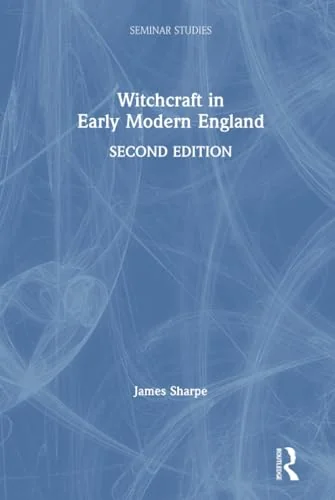
🏛 Books from this publisher Routledge
All books from this publisher →


 89
89

You might also like
See more →
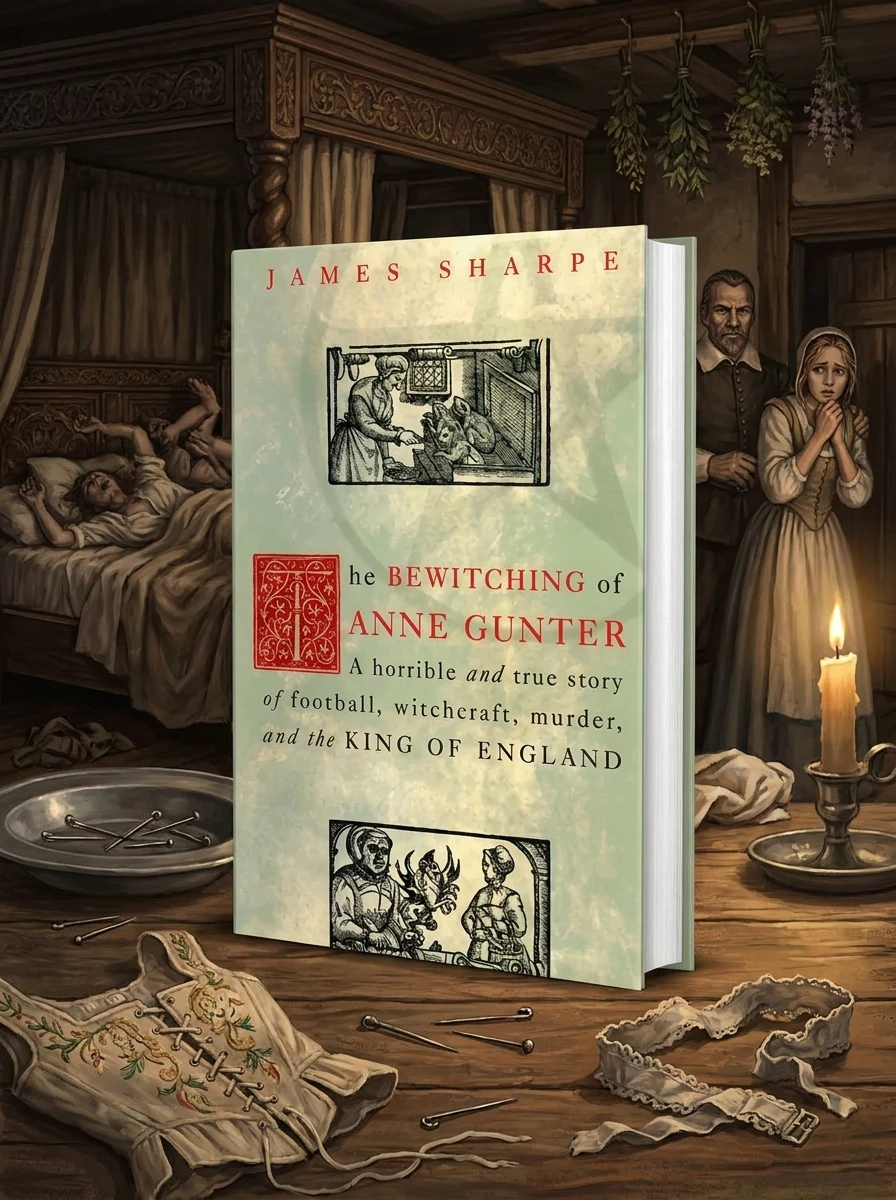
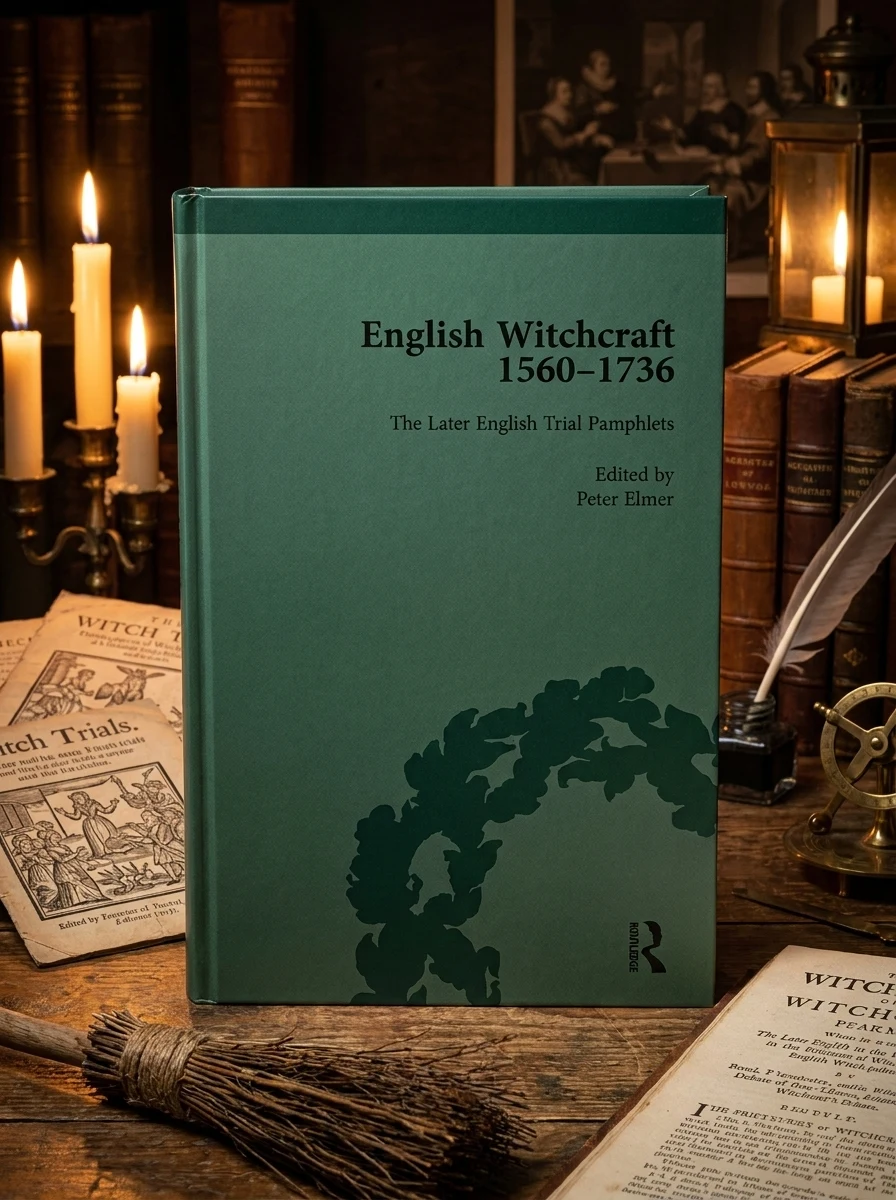 75
75
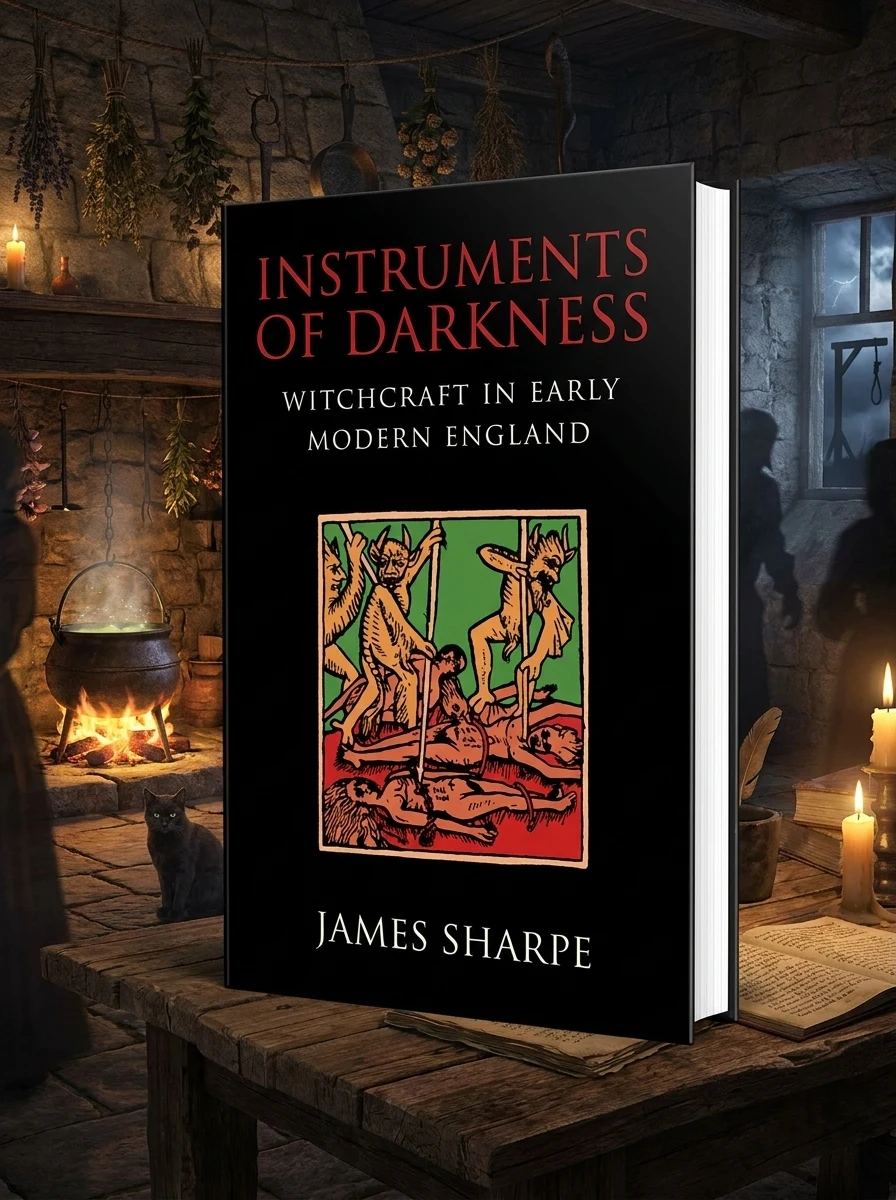
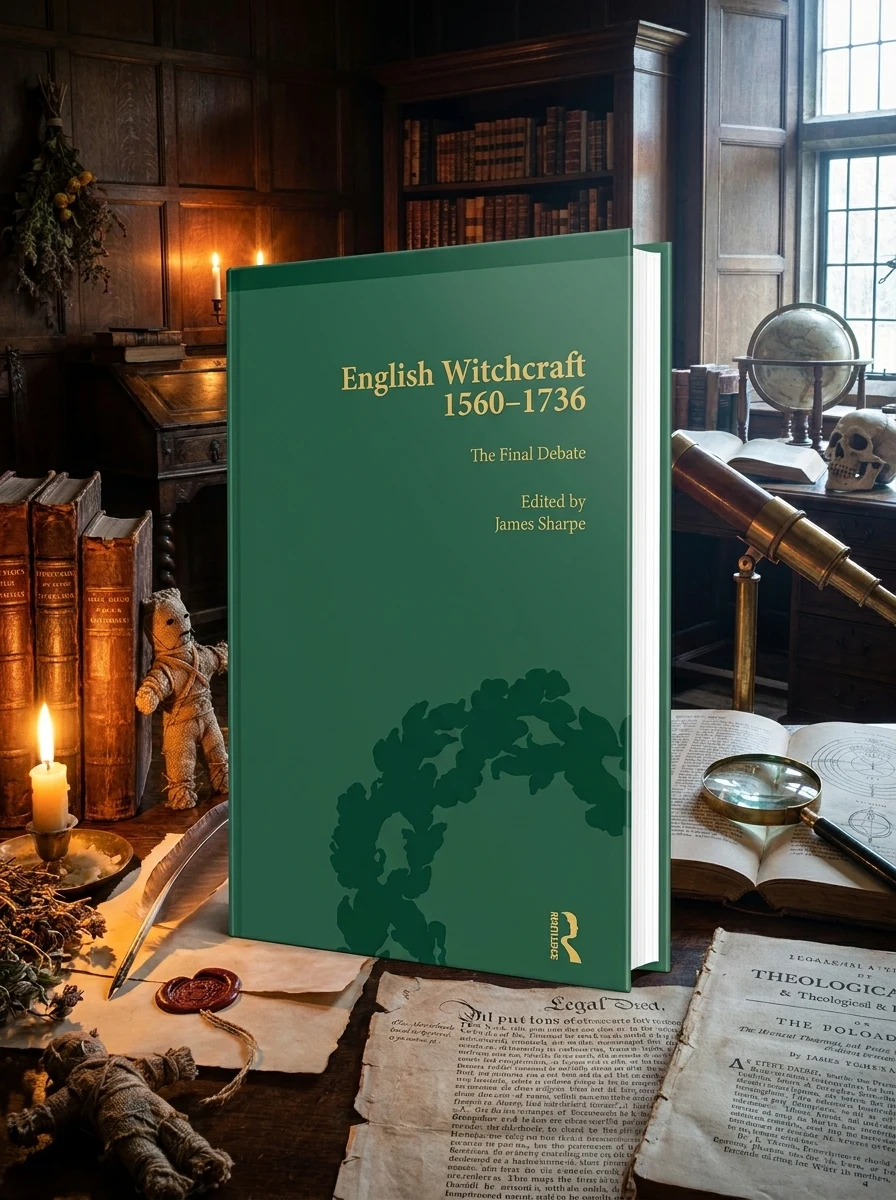 91
91