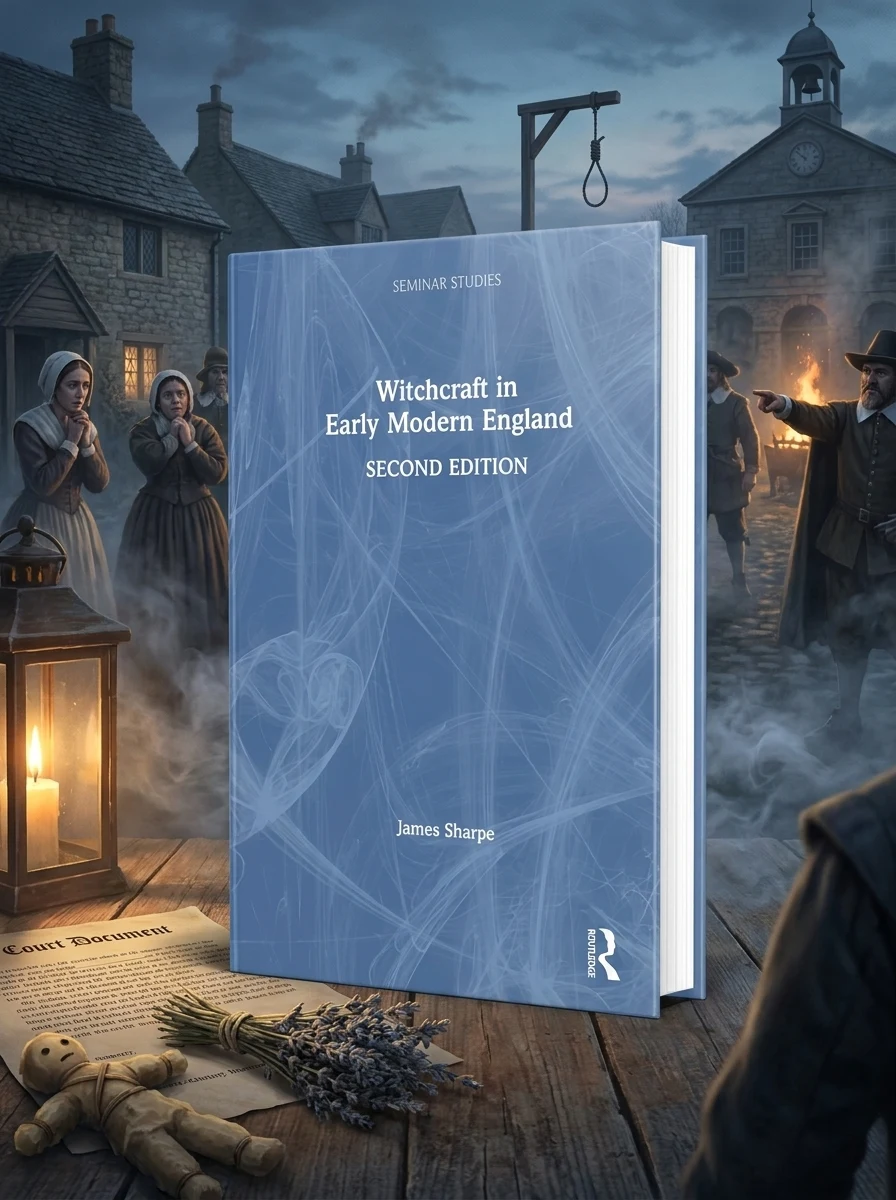
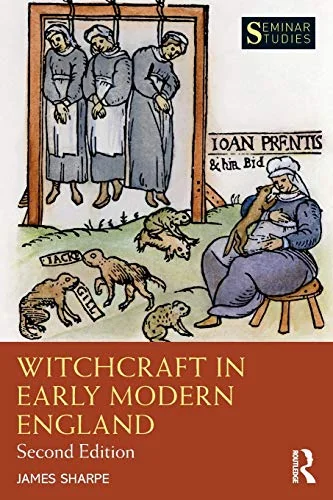
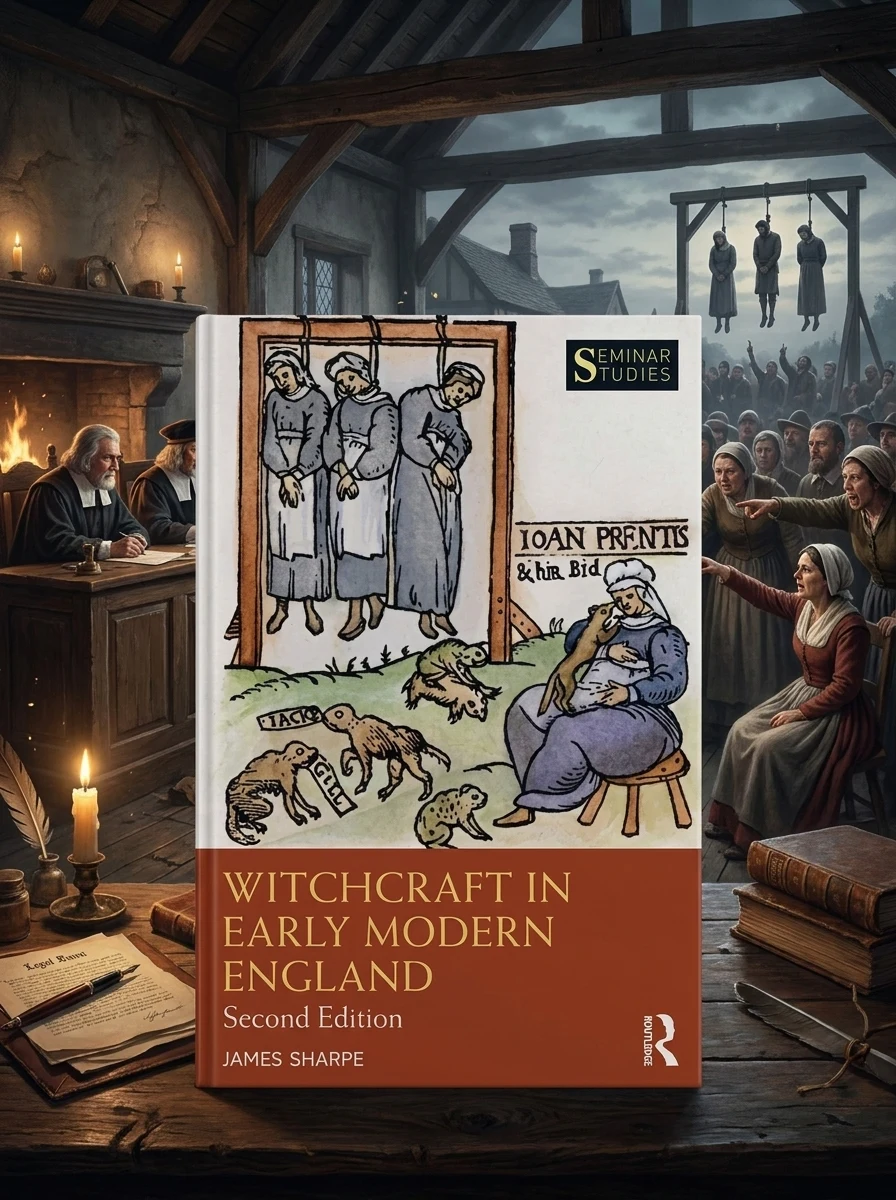
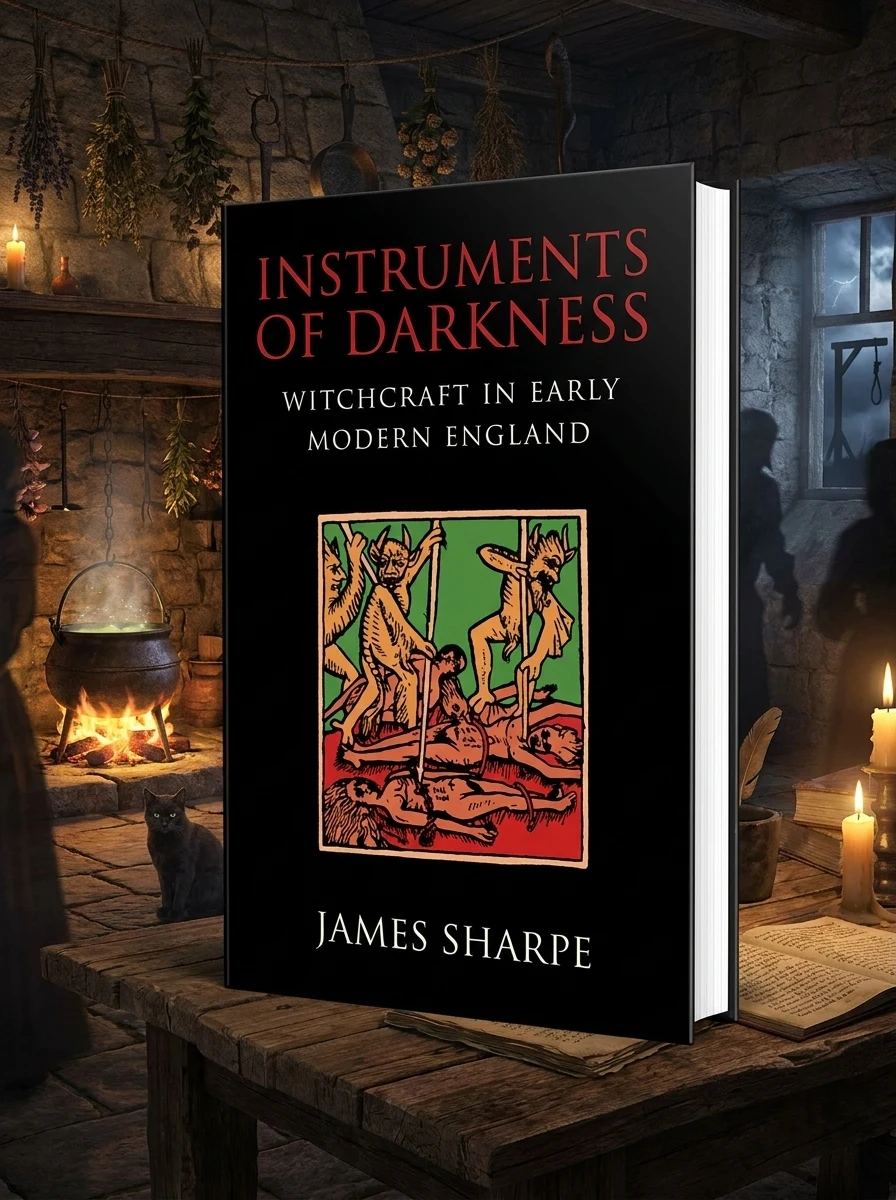
Witchcraft in Early Modern England Sharpe, James
Sharpe, James 87
87
 Editorial score
How we rate
Editorial score
How we rate
Stock reported in the catalog; fulfillment is confirmed with your request.
Unearth the chilling legal and social saga of witchcraft in early modern England.
Step into the tumultuous world of 16th to 18th-century England, where accusations of witchcraft could lead to a death sentence. James Sharpe meticulously chronicles the era's pervasive witch panics and systematic legal persecution. This updated edition delves into the complex interplay between societal pressures, community tensions, and the legal machinery that condemned alleged witches. It further illuminates the shifting elite perspectives on magic and offers an expanded examination of gender's pivotal role in these historical narratives, tracing the eventual decline of widespread belief in demonic pacts and malefic magic.
This work anchors itself within the historiography of early modern English occultism, specifically addressing the legal and social mechanisms of witchcraft persecution during the 16th to 18th centuries. It serves as a critical scholarly intervention in understanding how societal pressures and elite perspectives shaped the systematic condemnation of alleged witches.


📝 Description: Witchcraft in Early Modern England Sharpe, James
💎 Expert review
📖 Why choose it
Why this book is worth reading
This book is essential for scholars, historians, and serious enthusiasts of esoteric history who seek a rigorous, evidence-based understanding of the witch trials rather than romanticized folklore. Readers interested in the intersection of law, gender studies, and social tension will find immense value in Sharpe’s meticulous chronicle. It appeals to those wishing to comprehend the complex interplay between community fears and legal machinery that defined an era of intense persecution. By examining the decline of belief in demonic pacts, it offers profound insights into how societal attitudes toward magic shifted over time. It is perfect for readers who demand depth, context, and a clear-eyed look at the chilling reality of historical witch panics.
⭐ Reader reviews
Reader rating
Sharpe delivers a dense, authoritative account that prioritizes legal and social analysis over narrative flair. While indispensable for academic study, it may disappoint readers seeking atmospheric storytelling or practical magical knowledge. The text is academically rigorous, focusing on systemic persecution rather than individual anecdotes. Those looking for light reading or sympathetic portrayals of witches might find the tone too detached. It suits researchers analyzing gender roles and elite perspectives in early modern law. Casual readers expecting a gripping saga may struggle with the scholarly focus on legal machinery and societal pressures. It is a serious work for those prepared to engage deeply with historical complexity.
❓ Frequently asked questions
📖 Who should read this
If you're captivated by the dark corridors of English history, the evolution of legal thought, or the social psychology behind collective fear, this book is for you. Academic rigor meets compelling historical narrative, perfect for serious students and dedicated enthusiasts of witchcraft studies alike.
🎯 Key themes and symbolism
Legal Persecution & Panics
Explore how England's judicial system, often driven by fear and local pressures, processed witchcraft accusations. This section details the mechanisms of trials, the nature of evidence, and the grim realities of punishment, showcasing the state's role in sanctioning the hunt for alleged sorcerers and the waves of panic that swept through communities.
Community Dynamics & Accusation
Understand how interpersonal conflicts, social anxieties, and economic hardships within villages fueled accusations. The book illustrates how everyday disputes could escalate into charges of witchcraft, revealing the profound impact of neighborly mistrust and the search for scapegoats during periods of stress and uncertainty in tightly-knit societies.
Gender, Belief & Decline
Delve into the significant role gender played in shaping who was accused and why, often highlighting the vulnerability of women. Additionally, trace the fascinating intellectual shift that led to the gradual erosion of widespread belief in witchcraft among the educated elite and, eventually, broader society, marking a profound cultural transformation.
💬 Quotes from the book
“The legal machinery, designed to dispense justice, frequently became a tool for expressing communal anxieties and resolving interpersonal feuds masquerading as divine retribution.”
“While ostensibly about malevolent magic, the narratives of witchcraft accusations often reveal more about the rigid social structures and gendered expectations of the age than about actual sorcery.”
📜 Historical context
📚 Glossary
- Witchcraft Panic
- Elite Attitudes
- Historiography
📔 Questions to reflect on
- How might community tensions today, even without witchcraft accusations, manifest in similar ways to those described in early modern England?
- Reflect on how evolving 'elite attitudes' might shape public perception and legal responses to perceived threats in any historical period, drawing parallels to modern societal issues.
- Consider the role of primary documents in historical research. How do these direct voices from the past enhance our understanding of events like the witch trials?
📖 From the series “Seminar Studies”
All books in the series →
✍️ More books by this author Sharpe, James
All books by this author →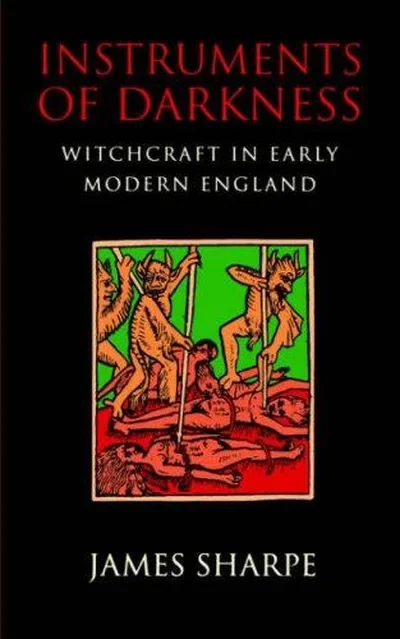
 75
75
🏛 Books from this publisher Routledge
All books from this publisher →


 89
89

You might also like
See more → 82
82
 75
75
 91
91