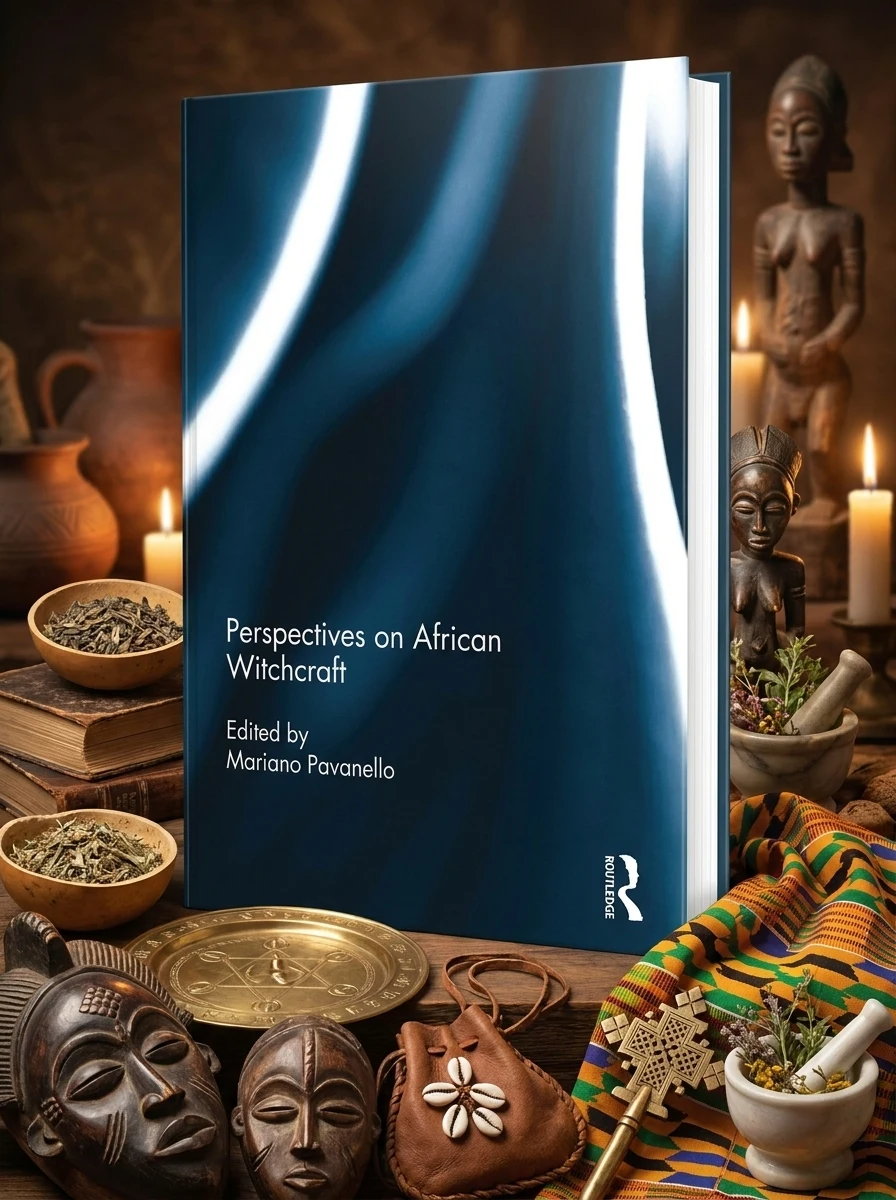
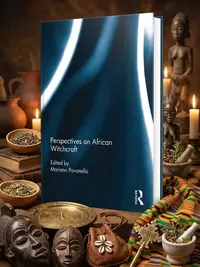
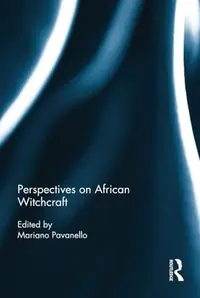
Perspectives on African Witchcraft
 90
90
 Editorial score
How we rate
Editorial score
How we rate
Stock reported in the catalog; fulfillment is confirmed with your request.
Uncover the hidden currents of African witchcraft through diverse cultural lenses.
This compelling volume offers a deep dive into the multifaceted phenomenon of witchcraft across sub-Saharan Africa. Drawing from rich ethnographic accounts and historical records, it traverses diverse cultural landscapes including Cameroon, Ghana, and the Eritrean diaspora, revealing unique local interpretations. The text meticulously examines the very definition of witchcraft, its intricate connections with traditional spirituality and healing practices, and the analytical lenses scholars use to understand its contemporary manifestations. It's an essential resource for comprehending this complex and often misunderstood aspect of African belief systems.
This academic volume situates itself within contemporary anthropological and sociological studies of African belief systems, specifically addressing the complex interplay between traditional spirituality and modern interpretations of witchcraft in sub-Saharan regions.


📝 Description: Perspectives on African Witchcraft
💎 Expert review
📖 Why choose it
Why this book is worth reading
Scholars, students of anthropology, and serious practitioners of comparative religion will find this text invaluable for its rigorous ethnographic depth. It serves those seeking to move beyond Western stereotypes by offering nuanced perspectives from Cameroon, Ghana, and the Eritrean diaspora. Readers who wish to understand how local communities define witchcraft in relation to healing and spirituality will gain a comprehensive framework. It is ideal for anyone needing to grasp the analytical lenses used by modern scholars to decode these intricate cultural landscapes without reducing them to simplistic narratives of malice or superstition.
⭐ Reader reviews
Reader rating
Pavanello provides a dense, scholarly examination that demands patience and intellectual engagement from its audience. While it excels in detailing diverse cultural interpretations across sub-Saharan Africa, it is not suited for casual readers seeking narrative flair or practical magical instruction. Those looking for light reading or sensationalist accounts of the occult will likely find this text dry and overly academic. It strictly serves those prepared to engage with complex definitions and historical records, making it unsuitable for anyone preferring accessible, non-academic summaries of esoteric topics.
❓ Frequently asked questions
📖 Who should read this
For students of anthropology, seekers of esoteric knowledge, and those curious about African spiritual traditions. If you wish to move beyond sensationalist portrayals to gain a nuanced understanding of witchcraft's role in diverse societies, this scholarly yet accessible work is indispensable.
🎯 Key themes and symbolism
Diverse Witchcraft Manifestations
The book masterfully illustrates how witchcraft is understood and practiced across different African societies. From Cameroon to Ghana and the Eritrean diaspora, it highlights unique local interpretations, beliefs, and social functions of magical practices, demonstrating a rich tapestry of localized traditions rather than a singular 'African witchcraft.'
Defining Witchcraft
This work critically engages with the very definition of witchcraft, exploring how diverse cultures conceptualize malevolent magical influence. It differentiates it from sorcery or other spiritual practices, and examines theoretical models for analysis. This offers readers tools to understand underlying logic and social implications, moving beyond simplistic Western interpretations.
Spirit, Sickness, and Sorcery
The text meticulously explores the complex interplay between witchcraft beliefs, indigenous religions, and traditional healing. It reveals how accusations often arise in misfortune, illness, or social tension, and how spiritual leaders or healers are consulted to counteract these forces. This underscores the holistic nature of African worldviews, where spiritual, social, and physical realms are deeply interconnected.
💬 Quotes from the book
“Understanding African witchcraft requires a departure from Western dichotomies of 'good' and 'evil,' and an embrace of its embeddedness within complex social realities and indigenous cosmologies.”
“The concept of witchcraft is not static; it constantly adapts to socio-political shifts, economic pressures, and the dynamics of globalization, reflecting the resilience and fluidity of human belief systems.”
📜 Historical context
📚 Glossary
- Ethnography
- Witchcraft (African Context)
- Sorcery
📔 Questions to reflect on
- How do your own cultural assumptions about "magic" or "superstition" influence your initial understanding of African witchcraft, and how might this book challenge them?
- Consider the role of misfortune or illness in your own society. What explanations or coping mechanisms are common, and how do they compare to the role witchcraft plays in explaining such events in African contexts?
- In what ways do modern phenomena, such as globalization or social media, intersect with traditional belief systems like witchcraft in contemporary societies?
🏛 Books from this publisher Routledge
All books from this publisher →

 89
89

You might also like
See more →
 91
91
 90
90
 90
90