
Witchcraft Myths in American Culture
Gibson, Marion 81
81
 Editorial score
How we rate
Editorial score
How we rate
Stock reported in the catalog; fulfillment is confirmed with your request.
Uncover how America's witch fears evolved into powerful modern myths and iconic figures.
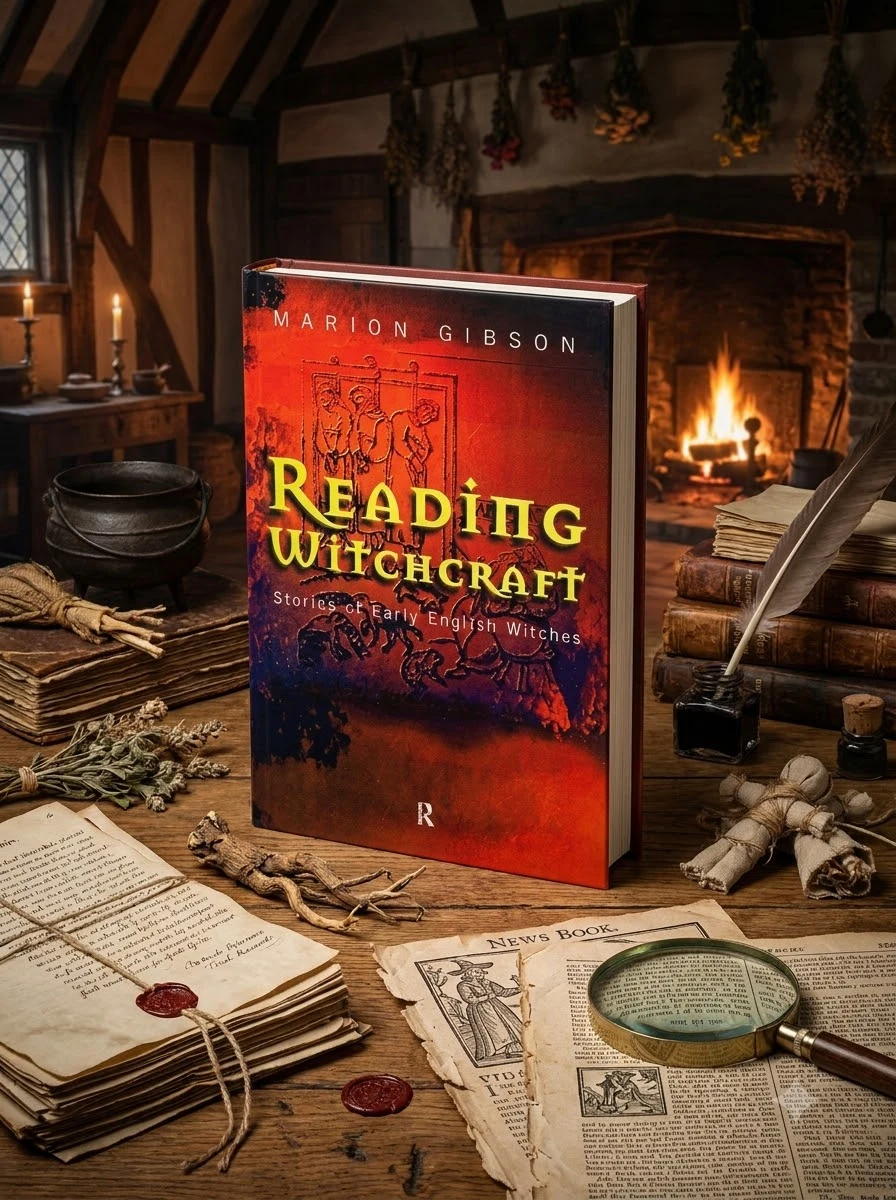
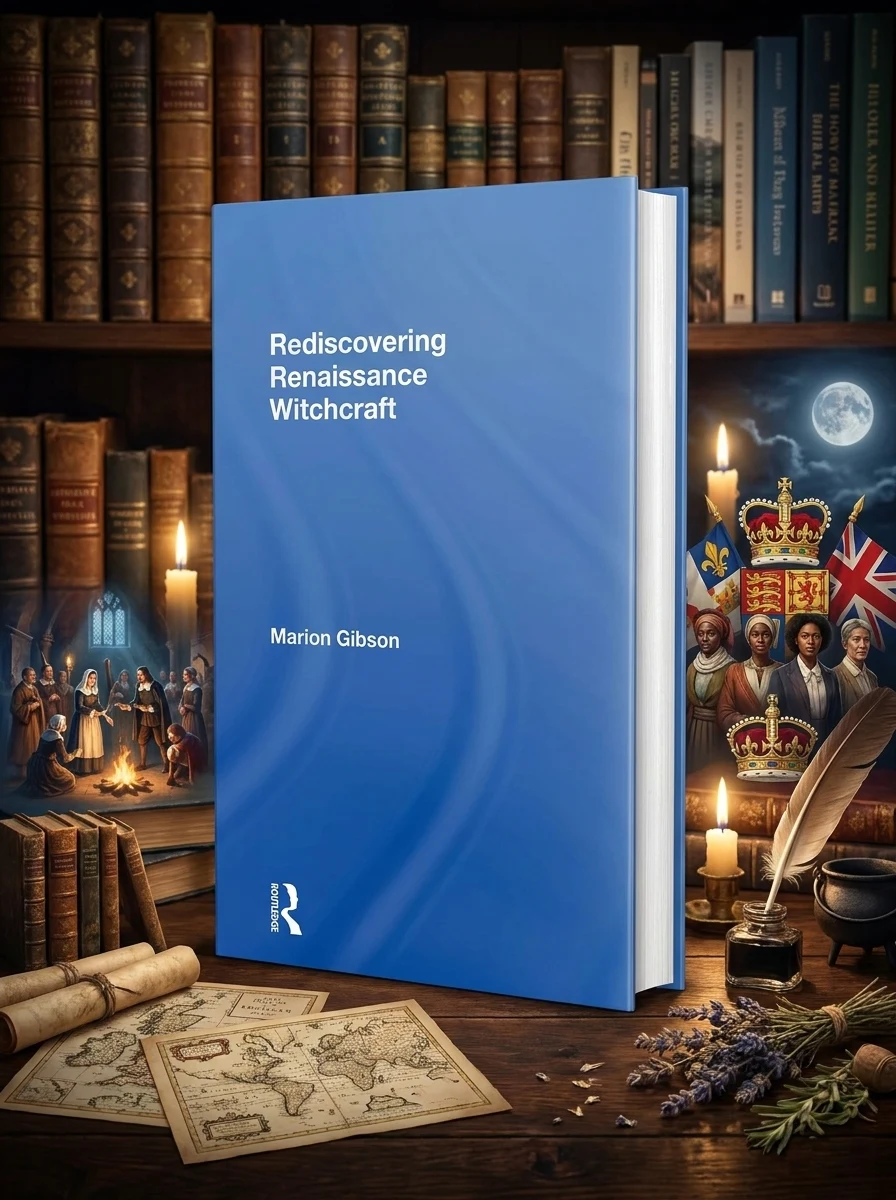
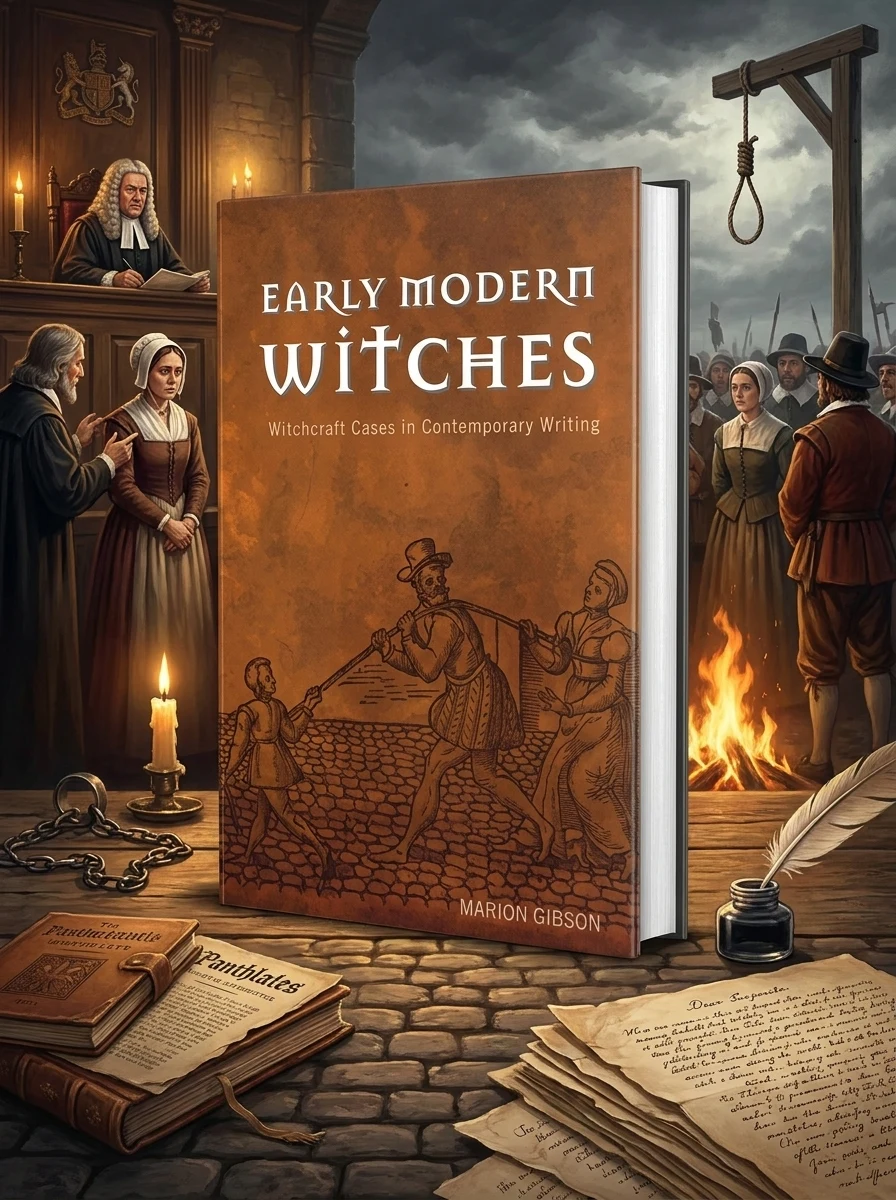
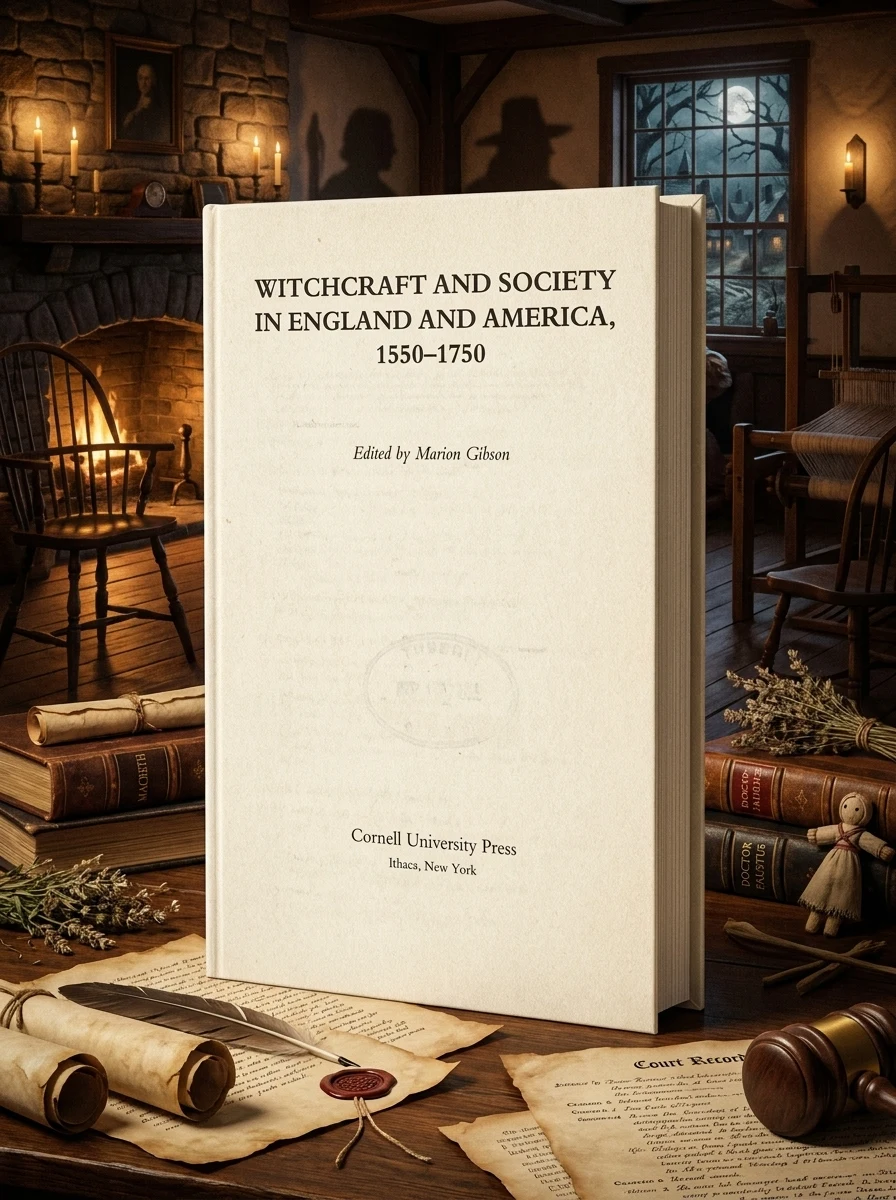
This insightful volume meticulously traces the evolving portrayal of witchcraft within American society. It begins by critically re-examining primary accounts of 17th-century colonial witch trials, challenging long-held assumptions about their reliability and coherence. The journey continues through the subsequent transformation of these historical narratives into pervasive cultural myths. From the terrifying figures of early New England to contemporary interpretations as empowering pagan priestesses, feminist symbols, and even comic-book heroines, this work reveals how perceived witches have been continuously reimagined, shaping our collective consciousness and visual culture across centuries.
This work sits at the intersection of American cultural history and esoteric studies, exploring how historical narratives transform into modern mythologies within the broader tradition of witchcraft literature.


📝 Description: Witchcraft Myths in American Culture
💎 Expert review
📖 Why choose it
Why this book is worth reading
Readers fascinated by the intersection of history, folklore, and modern spirituality will find this volume indispensable. It offers a compelling journey through America's shifting perceptions of witchcraft, moving from the harsh realities of colonial trials to contemporary empowering symbols. Those interested in feminist reinterpretations of pagan figures or the evolution of visual culture surrounding witches will appreciate its depth. It is particularly valuable for anyone seeking to understand how fear and reverence have shaped the archetype of the witch over centuries, making it a vital resource for scholars, practitioners, and curious minds alike.
⭐ Reader reviews
Reader rating
Gibson provides a meticulous trace of witchcraft’s portrayal in American society, challenging assumptions about colonial trials and highlighting their transformation into cultural myths. The book excels in showing how witches evolved from terrifying figures to empowering symbols. However, readers seeking practical spellwork or dogmatic Wiccan theology will find little here. It is an academic exploration of perception rather than a guide for practice. Those expecting a straightforward history without critical analysis might find the re-examination of primary accounts dense. It demands patience but rewards with insight into collective consciousness and visual culture.
❓ Frequently asked questions
📖 Who should read this
If you're fascinated by the intersection of history, folklore, and cultural identity, this book offers profound insights. Scholars of American history, those curious about the evolution of occult perceptions, and anyone interested in how narratives shape our understanding will find this an essential and thought-provoking read.
🎯 Key themes and symbolism
Re-evaluating Historical Narratives
The book scrutinizes colonial-era documents concerning witchcraft prosecutions, urging readers to question their historical veracity. It argues that original sources are often less definitive or impartial than commonly believed, leading to a fresh perspective on events like the Salem trials and the broader context of early American justice and superstition.
Myth-Making & Cultural Impact
Explore how early historical accounts transmuted into enduring cultural myths. It charts the journey from Puritan anxieties to modern portrayals in literature, film, and visual arts, demonstrating how narratives adapt and persist across centuries, shaping our understanding of the 'witch' through figures like Poe's characters to Buffy's Wiccan.
Evolving Witch Archetype
Trace the witch's transformation from a feared, persecuted figure to a symbol of empowerment. The text examines how the archetype has been reclaimed and redefined, appearing as pagan leaders, feminist icons, and even pop culture heroines, reflecting societal shifts in gender roles, spiritual beliefs, and individual agency.
💬 Quotes from the book
“The neat narratives of colonial justice often unravel upon closer inspection, revealing layers of ambiguity and fear rather than clear-cut malevolence.”
“From the gallows to the silver screen, the witch has served as a malleable canvas for American anxieties, aspirations, and evolving self-perceptions.”
📜 Historical context
📚 Glossary
- Colonial Period
- Historical Memory
- Archetype
📔 Questions to reflect on
- How do modern portrayals of witches reflect contemporary societal values or anxieties, similar to how colonial perceptions reflected theirs?
- Consider a historical event you've learned about. How might its "official" narrative differ from the lived experiences or less documented perspectives of those involved?
- In what ways has the archetype of the "witch" influenced your own understanding of power, rebellion, or female agency throughout history and in current times?
✍️ More books by this author Gibson, Marion
All books by this author →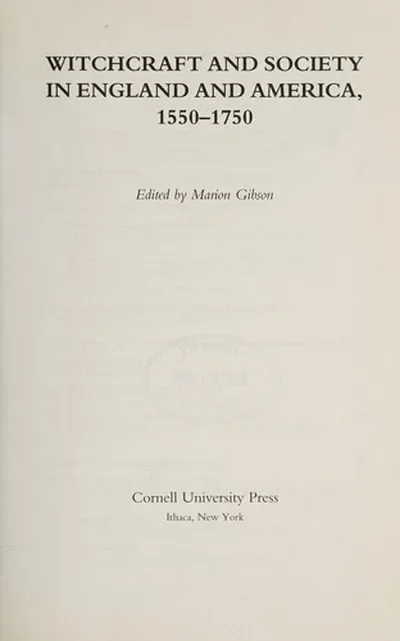
 89
89
 89
89

🏛 Books from this publisher Routledge
All books from this publisher →


 89
89

You might also like
See more →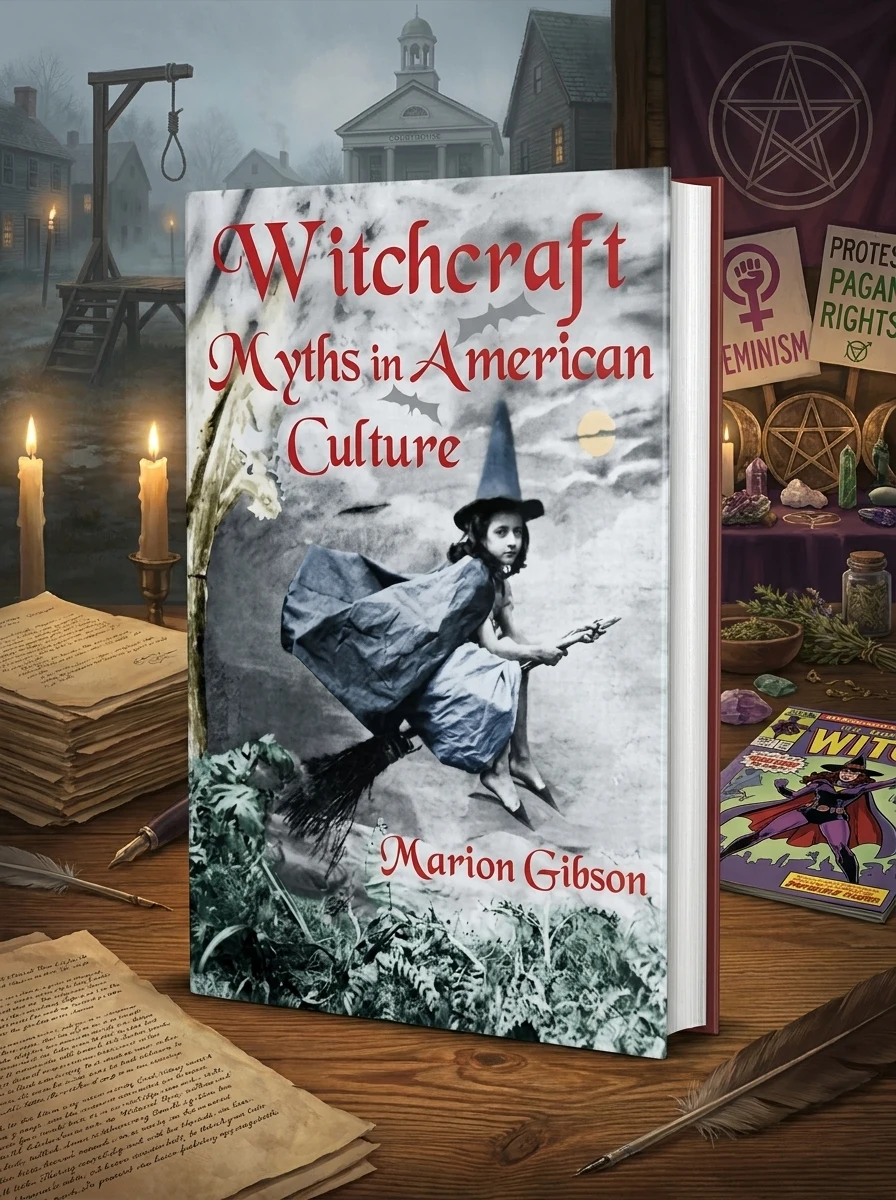 90
90
 89
89
 88
88
 84
84