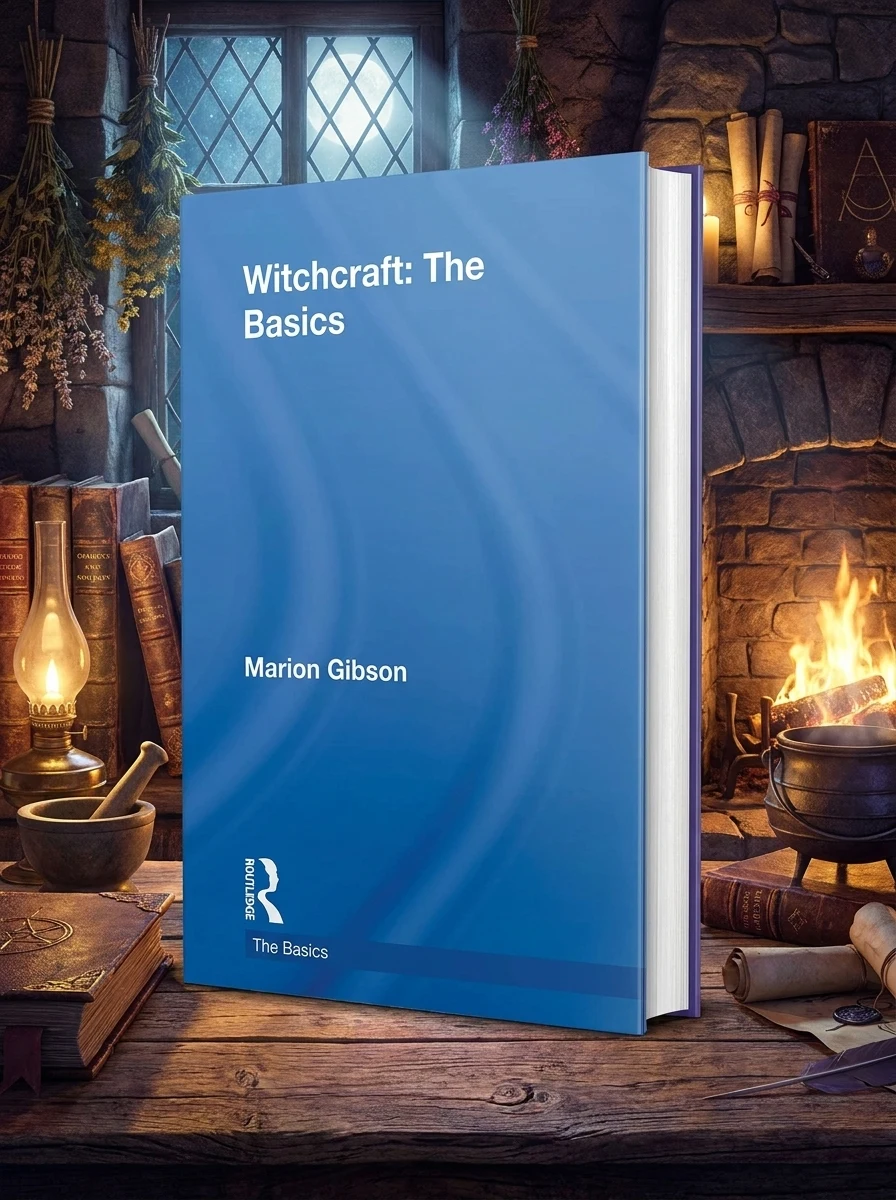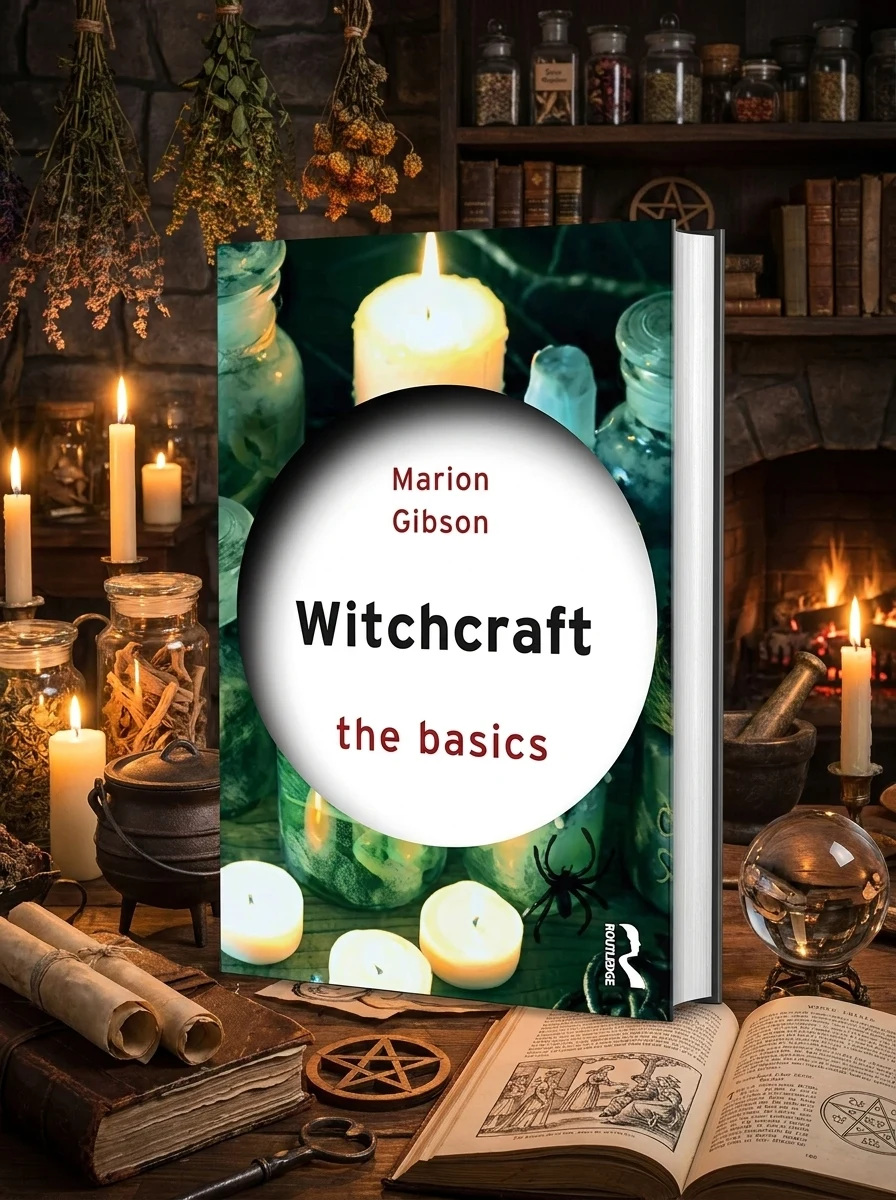
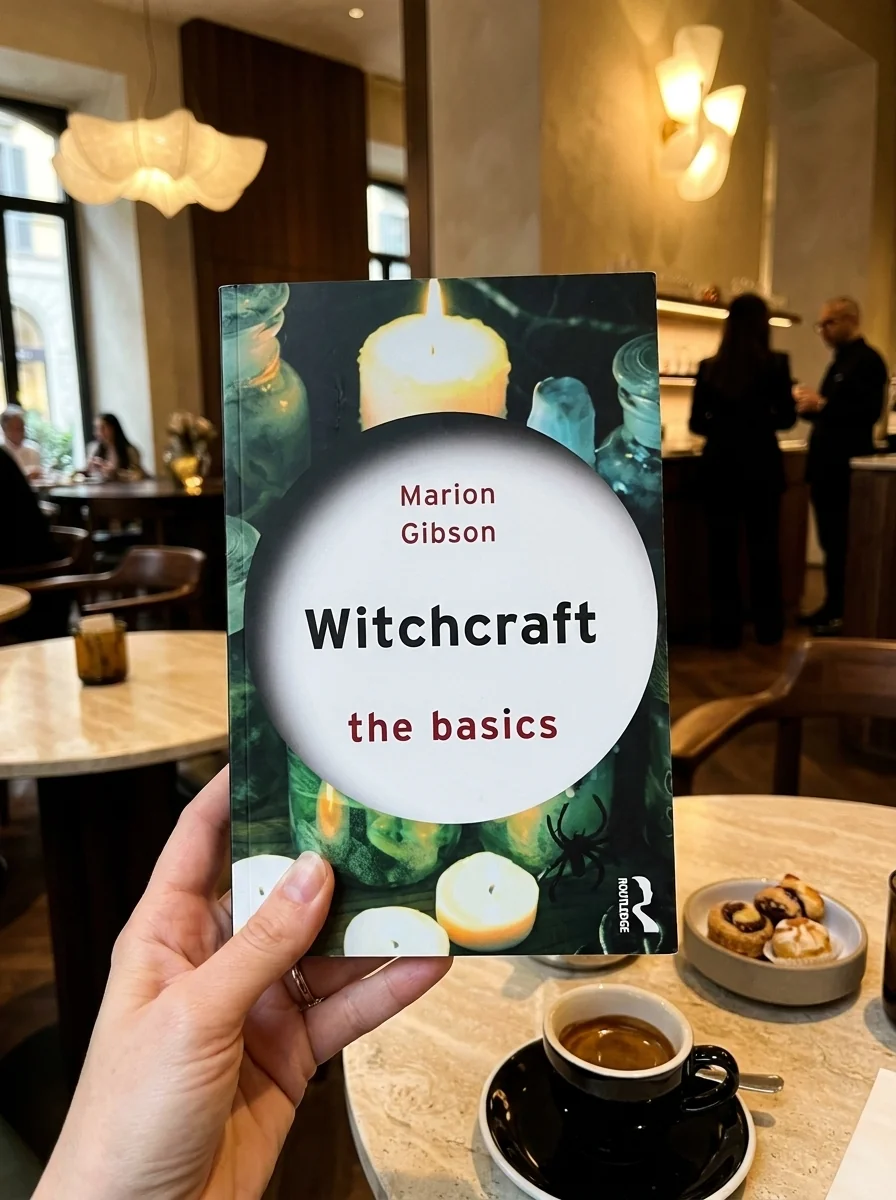
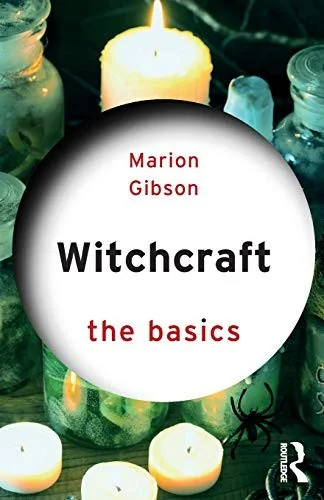
Witchcraft: The Basics Gibson, Marion
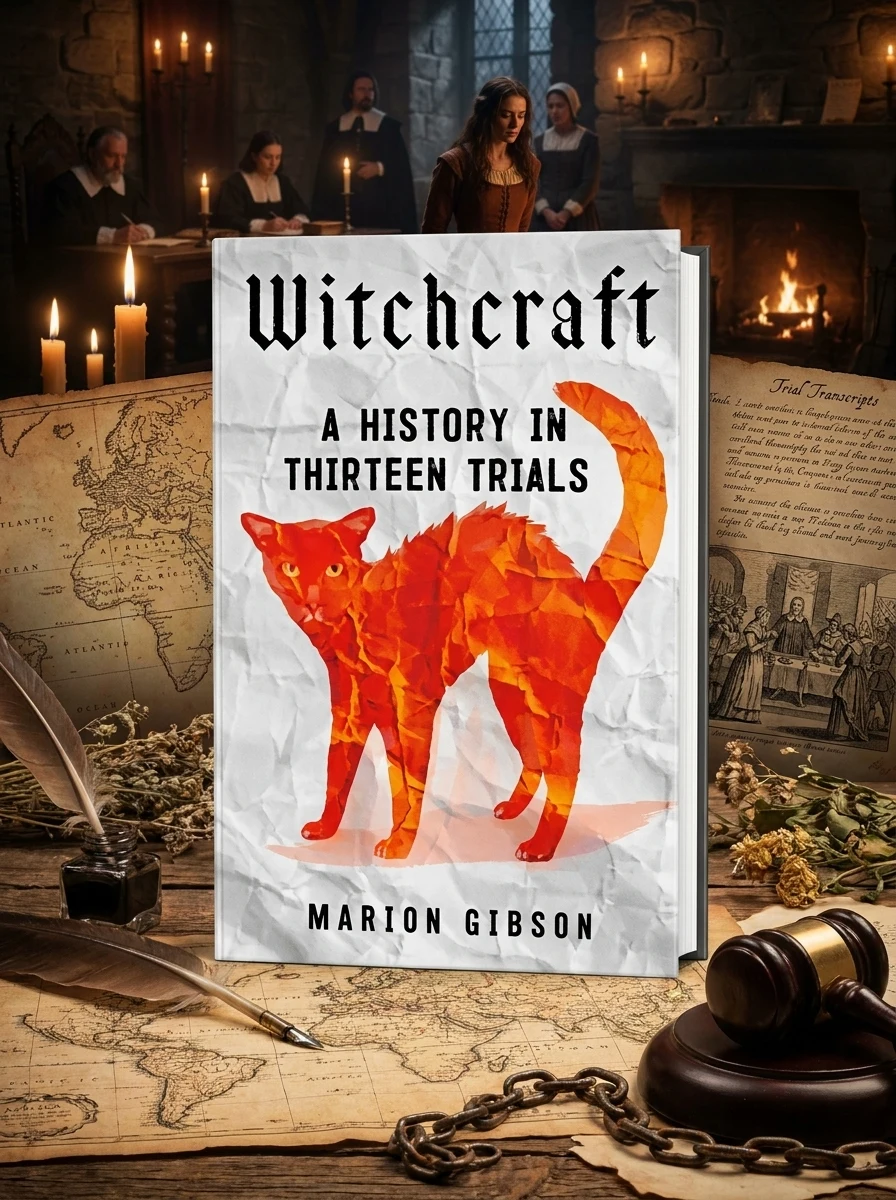
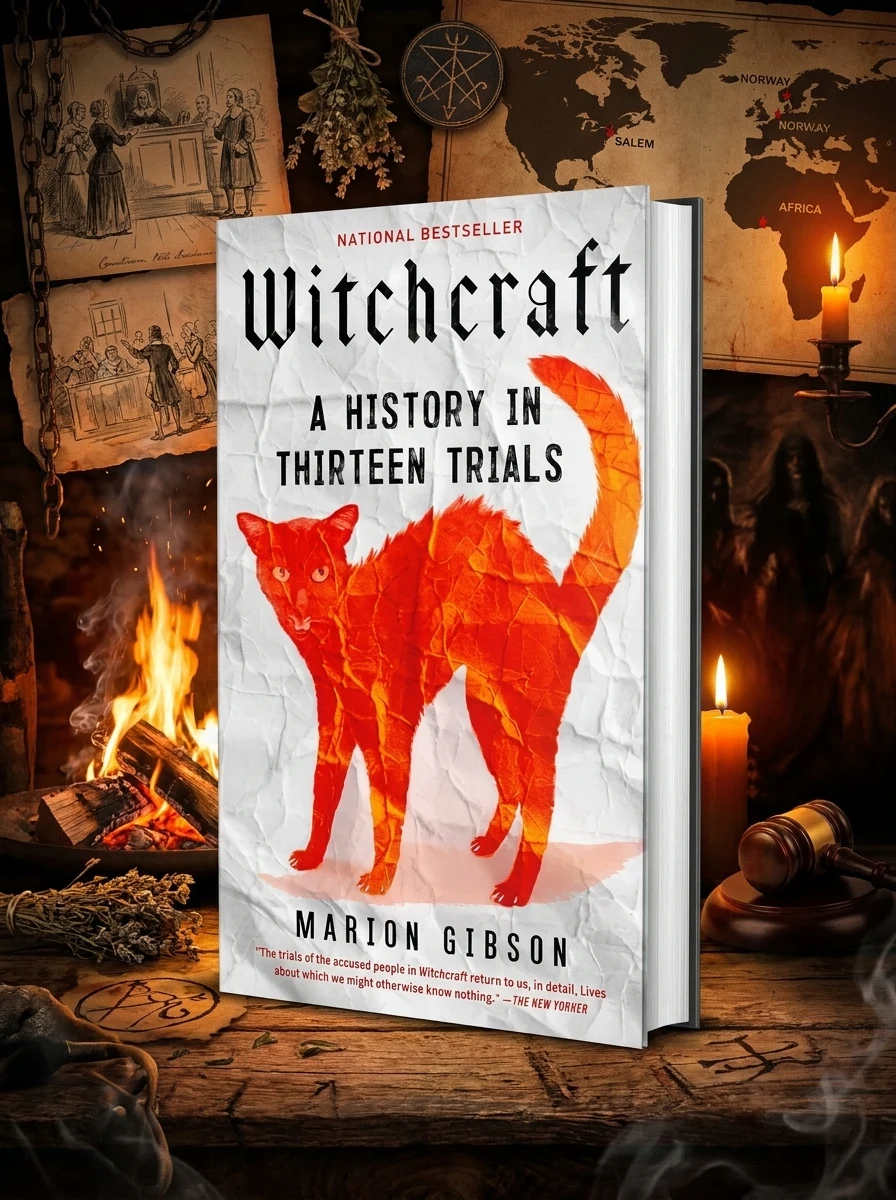
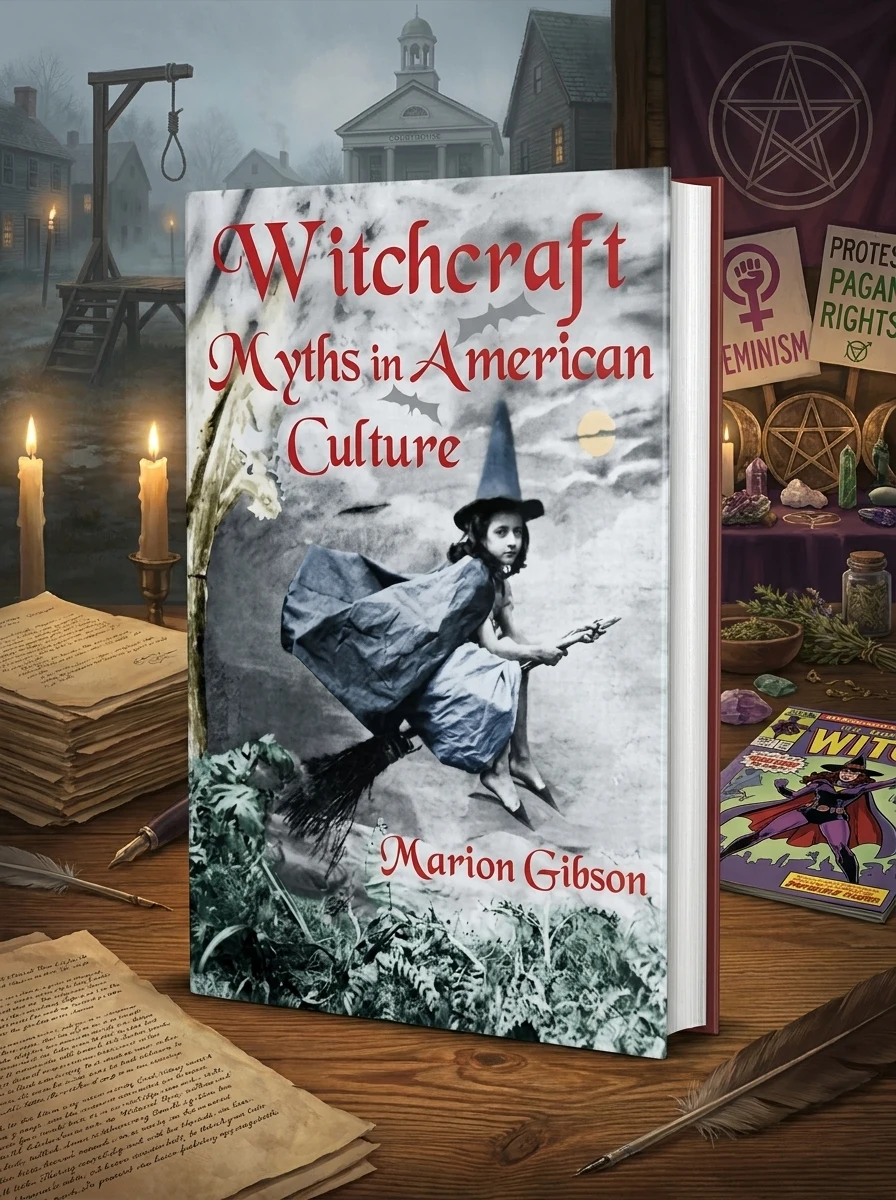
✍️ Gibson, MarionMarion Gibson's "Witchcraft: The Basics" offers an engaging and rigorous academic exploration of witchcraft, meticulously tracing its conceptual evolution across centuries. This volume dissects the phenomenon from its earliest definitions in the Middle Ages through its persistent echoes in contemporary culture. Utilizing compelling case studies, Gibson illuminates how the figure of the witch emerged as a symbol of harm within Western thought, analyzing the profound influences of culture, religion, politics, and gender in shaping this complex identity and its enduring significance. It's a foundational text for understanding witchcraft's historical and societal dimensions.


📝 Description: Witchcraft: The Basics Gibson, Marion
💎 Expert review
📖 Why choose it
Why this book is worth reading
Marion Gibson’s text is an essential resource for scholars and serious enthusiasts who wish to move beyond romanticized notions of Wicca to understand the complex historical reality of witchcraft. Readers will gain a rigorous academic exploration that dissects how the figure of the witch evolved from a medieval symbol of harm into a contemporary cultural icon. By analyzing the profound influences of religion, politics, and gender, this book provides the foundational context necessary for understanding witchcraft's societal dimensions. It is ideal for those who appreciate compelling case studies and a meticulous tracing of conceptual evolution across centuries, offering deep insight into why this enigma persists in Western thought today.
⭐ Reader reviews
Reader rating
Gibson delivers a rigorous academic exploration that meticulously traces the conceptual evolution of witchcraft from medieval definitions to modern echoes. The text utilizes compelling case studies to illuminate how cultural, religious, and political forces shaped the identity of the witch as a symbol of harm. However, this is not a practical guide for practitioners or those seeking spiritual inspiration; it is strictly an intellectual dissection of historical and societal dimensions. Readers looking for lighthearted folklore or actionable magical techniques will find this volume dry and overly theoretical. It demands patience and an interest in scholarly analysis rather than esoteric practice.
❓ Frequently asked questions
📖 Who should read this
If you're a student, scholar, or simply a curious mind seeking a robust, analytical approach to the history and cultural impact of witchcraft, this book is for you. It offers a comprehensive overview without delving into practical applications, perfect for understanding the phenomenon from an academic perspective.
🎯 Key themes and symbolism
The Evolving Witch Figure
Gibson expertly charts how the perception of the witch has transformed over time, from a feared, malevolent force in medieval and early modern contexts to its diverse representations in our current era. This analysis reveals the fluidity of the witch archetype and its adaptability as a societal mirror, reflecting shifting anxieties and beliefs across different historical periods.
Cultural & Political Influences
This work deeply examines the multifaceted societal forces—including religious doctrines, political structures, gender dynamics, and broader cultural narratives—that have historically constructed and perpetuated the concept of witchcraft. It illustrates how these elements converged to define, condemn, and ultimately reshape the figure of the witch in public consciousness.
Language and Representation
The book meticulously explores the critical role of language in forming and solidifying the concept of witchcraft, alongside its portrayal in literature, film, and television. Gibson reveals how narrative and terminology not only reflect but actively shape our understanding and perception of witches, influencing both scholarly and popular discourse.
📜 Historical context
📚 Glossary
- Witchcraft (Scholarly)
- Early Modern Period
- Paganism
📔 Questions to reflect on
- How have the cultural representations of witches in media you consume, such as films or literature, shaped your own understanding of the term 'witchcraft' prior to reading this book?
- Consider how language itself can demonize or empower a concept. Can you identify other historical or contemporary examples where specific terminology has been used to control or define a group?
- The book discusses how cultural and political forces influenced the witch's emergence. Reflect on a modern social or spiritual movement and consider how current political or cultural narratives might be shaping its public perception.