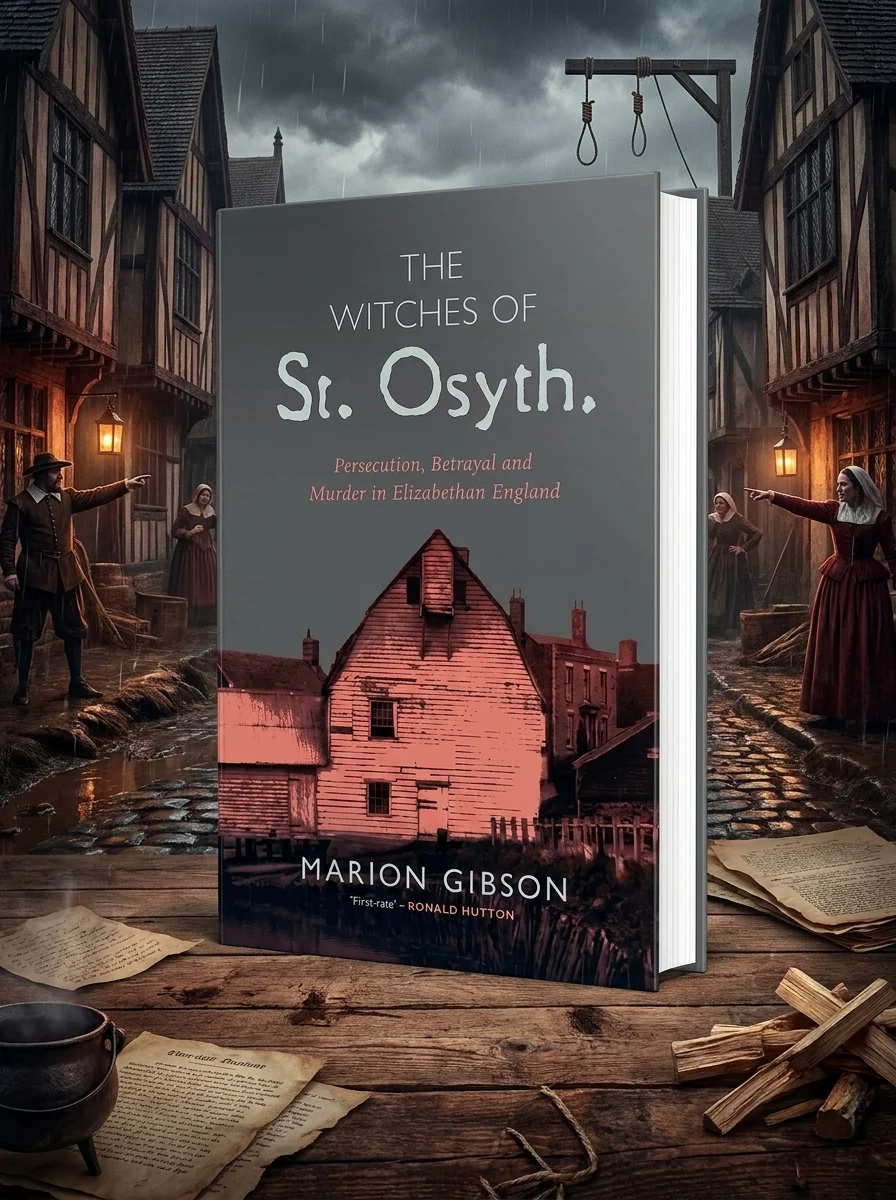
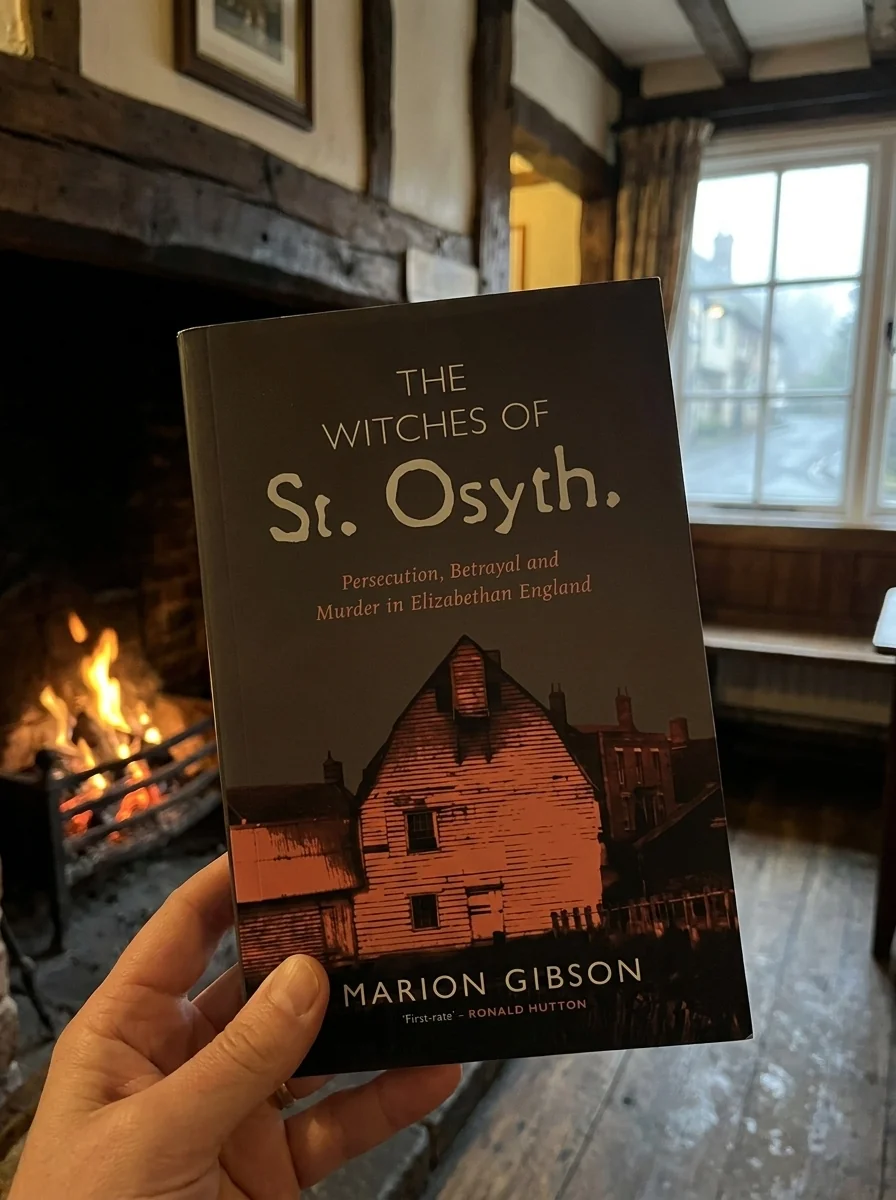
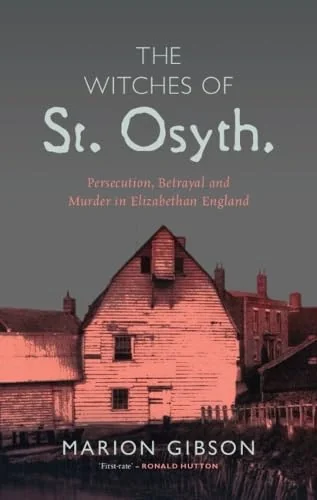
The Witches of St Osyth
✍️ Gibson, MarionThis compelling historical account delves into the harrowing events of the St. Osyth witch trials in Essex during 1581-1582. Marion Gibson meticulously reconstructs a time when suspicion and fear consumed a community, culminating in a series of accusations that exposed the brutal realities of early modern witch hunts. Far from a simple narrative, the book explores the social dynamics, legal procedures, and personal tragedies that underpinned one of England's most significant—and often overlooked—periods of persecution. It's a poignant exploration of how collective hysteria and patriarchal power can devastate lives.


📝 Description: The Witches of St Osyth
💎 Expert review
📖 Why choose it
Why this book is worth reading
History enthusiasts and scholars of gender studies will find profound value in this meticulous reconstruction of the St. Osyth witch trials. Gibson offers more than a narrative; she provides a poignant exploration of how suspicion and fear can dismantle a community from within. Readers interested in the brutal realities of early modern legal procedures and the tragic personal consequences of collective hysteria will appreciate the depth of analysis. It is essential for those seeking to understand the social dynamics behind famous witch hunts, offering a clear view of how patriarchal power operated on the ground level in 16th-century Essex.
⭐ Reader reviews
Reader rating
Marion Gibson delivers a compelling, albeit dense, historical account that prioritizes rigorous analysis over accessible storytelling. While the reconstruction of the 1581-1582 events is thorough and the examination of social dynamics insightful, this book demands patience from its audience. It does not suit readers seeking a quick, sensationalized ghost story or a light narrative escape. Those looking for easy entertainment or broad generalizations about witchcraft without engaging with complex legal and social history will likely find it too academic and heavy. It is best reserved for those willing to work through the details of persecution.
❓ Frequently asked questions
📖 Who should read this
If you're drawn to the chilling narratives of historical injustice or seek to understand the social forces behind the European witch hunts, this book is essential. It offers profound insights for anyone interested in early modern history, legal studies, or the devastating impact of collective fear.
🎯 Key themes and symbolism
The Witch Hunt's Shadow
Gibson meticulously unpacks the mechanisms of 16th-century witch trials, revealing the progression from initial accusation to brutal interrogation and conviction. The book highlights the societal anxieties and superstitious beliefs that fueled these events, offering a stark look at the legal and communal processes that condemned individuals.
Community Under Siege
This work vividly portrays how fear and suspicion can fragment a close-knit village. It examines the breakdown of trust and the internal conflicts that arose when neighbors turned on neighbors, driven by accusations of dark magic and societal pressure. The book illustrates the profound impact on social cohesion.
Gender and Accusation
The author critically analyzes the gendered nature of witch accusations, demonstrating how women, particularly those on the fringes of society, were disproportionately targeted. This theme explores the underlying patriarchal anxieties and power structures that contributed to the systemic persecution of women during this era.
📜 Historical context
📚 Glossary
- Misogyny
- Witchcraft Accusations
- Early Modern Period
📔 Questions to reflect on
- How might historical narratives of injustice, like the St. Osyth trials, inform our understanding of modern societal biases and fears?
- Consider the role of community dynamics and collective belief in shaping individual fates during periods of widespread panic. What lessons can be drawn?
- Reflect on the intersection of gender, power, and accusation in historical contexts. How have these dynamics evolved or persisted in contemporary society?