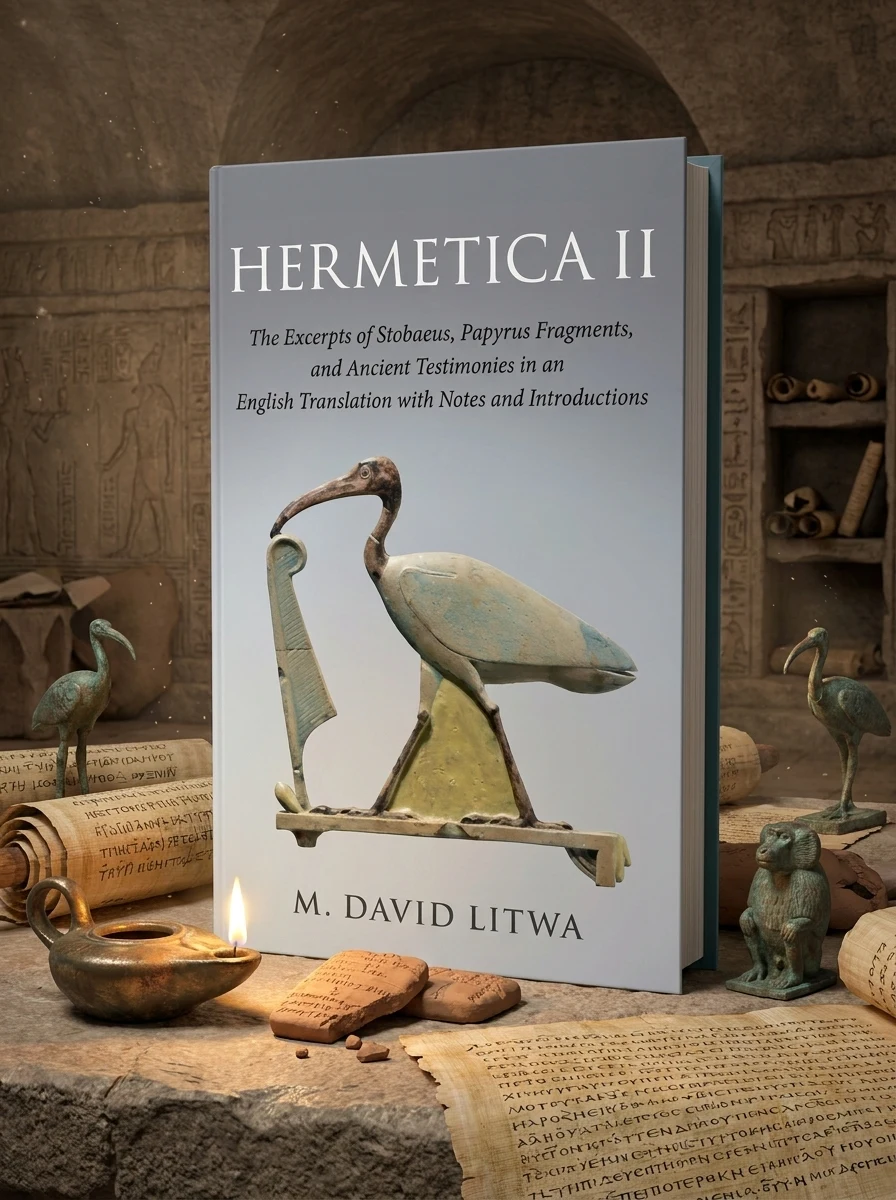
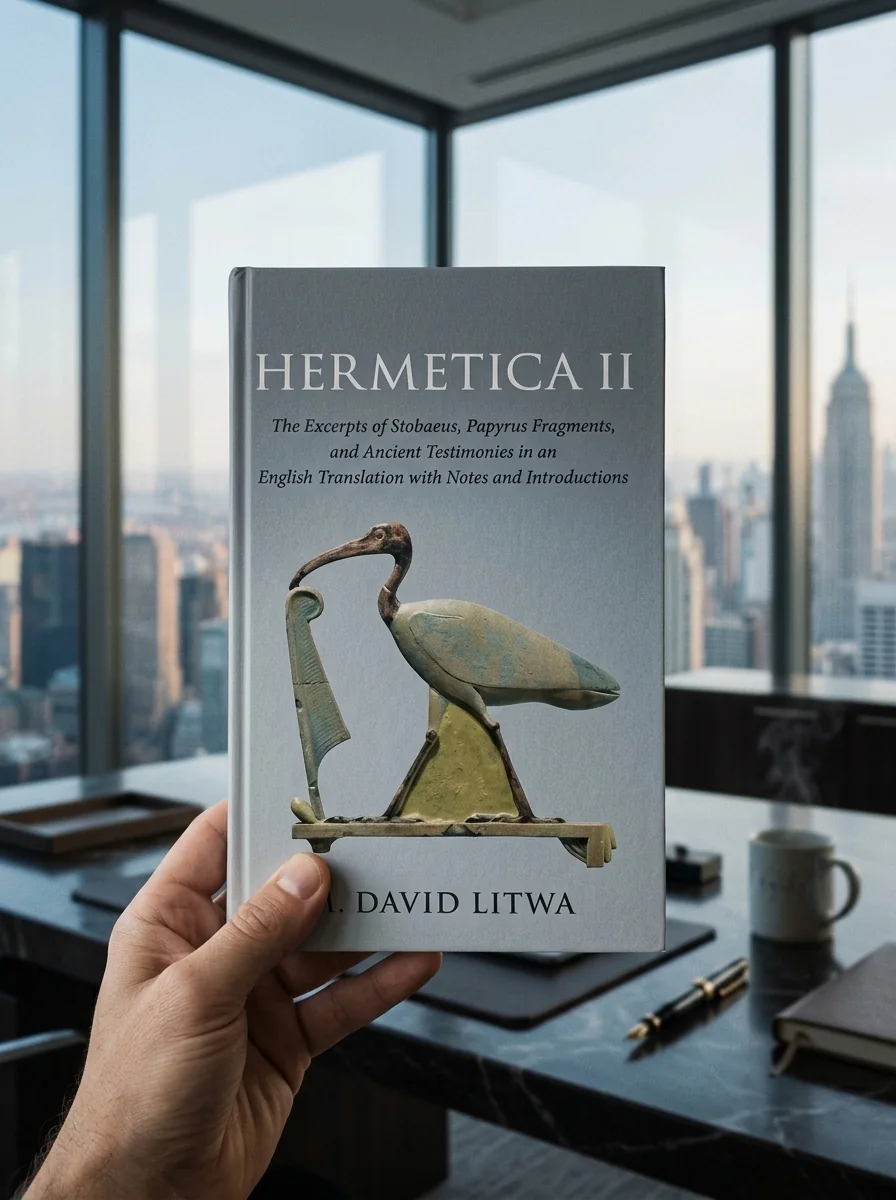
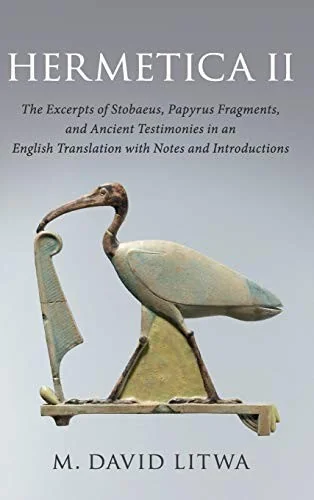
Hermetica II
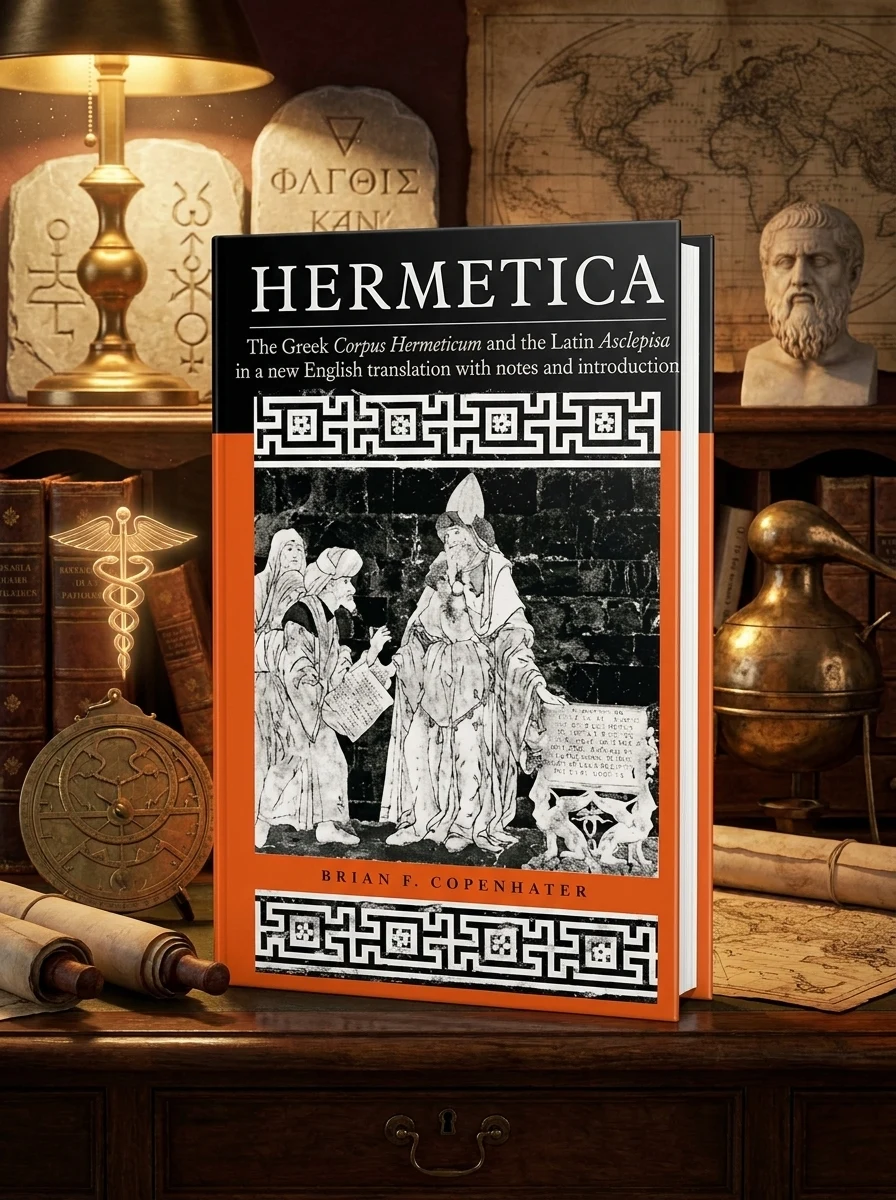
This essential volume meticulously gathers and translates previously elusive fragments and testimonies concerning Hermes Thrice Great. Designed to seamlessly complement Brian Copenhaver's foundational work, "Hermetica II" illuminates aspects of ancient Hermetic philosophy previously accessible only in disparate sources. It presents a comprehensive collection, including twenty-nine significant fragments preserved by Stobaeus, offering a deeper understanding of the diverse threads that constitute the Hermetic tradition. Scholars and serious students will find this an indispensable resource for exploring the origins and profound insights of this mystical lineage.


📝 Description: Hermetica II
💎 Expert review
📖 Why choose it
Why this book is worth reading
Scholars and serious students of mystical lineage will find this indispensable resource invaluable for exploring the profound origins of Hermetic philosophy. By meticulously gathering elusive fragments and testimonies concerning Hermes Thrice Great, Litwa completes the ancient mosaic previously accessible only in disparate sources. The inclusion of twenty-nine significant fragments preserved by Stobaeus offers a deeper, more comprehensive understanding of these diverse threads. This volume seamlessly complements existing foundational works, making it an essential tool for those dedicated to uncovering the scattered wisdom of this ancient tradition and its enduring philosophical insights.
⭐ Reader reviews
Reader rating
Litwa’s 'Hermetica II' is a meticulous scholarly resource that illuminates aspects of ancient Hermetic philosophy often hidden in disparate sources. While indispensable for academics and serious students seeking to understand the origins of this mystical lineage, it may not suit casual readers or those seeking accessible introductory material. The text demands patience and academic rigor, focusing on fragmentary preservation rather than narrative flow. Readers looking for a straightforward guide to esoteric practices might find the dense, scholarly approach overwhelming. However, for those committed to deep textual analysis and historical reconstruction of Hermes Trismegistus’s teachings, this work provides unparalleled depth and necessary context for understanding the full scope of the Hermetic tradition.
❓ Frequently asked questions
📖 Who should read this
If you are a serious student of ancient philosophy, Gnosticism, or Western esotericism, or if you already own Copenhaver's "Hermetica," this book is an absolute must-have. It's for those who seek to delve deeper into the primary sources of Hermetic thought.
🎯 Key themes and symbolism
Recovering Lost Wisdom
This collection diligently reassembles the fragmented whispers of ancient Hermetic teachings, bringing to light texts that were scattered across various historical sources. It offers a unique opportunity to engage directly with the distilled essence of Hermetic thought, presenting these pieces as vital components of a larger philosophical and spiritual tradition that has influenced Western esotericism for millennia.
The Voice of Hermes
Through these newly translated fragments, readers gain direct access to the aphoristic and often profound statements attributed to Hermes Trismegistus. These short, potent passages offer glimpses into Hermetic cosmology, metaphysics, and ethics, allowing one to perceive the foundational principles that guided seekers of divine knowledge in the Hellenistic world, unfiltered by later commentary.
Completing the Corpus
This work serves as a crucial companion to existing major translations of the Hermetica, specifically designed to fill gaps left by earlier compilations. By integrating fragments from sources like Stobaeus, it provides a more complete and nuanced understanding of the breadth and depth of the Hermetic corpus, making the entirety of this ancient wisdom tradition more accessible to contemporary study.
📜 Historical context
📚 Glossary
- Hermetica
- Stobaeus
- Hermes Trismegistus
📔 Questions to reflect on
- How does encountering ancient wisdom through fragmented texts alter your perception compared to a complete, unified narrative?
- Reflect on the Hermetic concept that 'as above, so below.' How might this principle apply to your own inner world or understanding of the natural world?
- Consider the figure of Hermes Trismegistus as a syncretic deity. What does this blending of traditions suggest about the nature of spiritual truth?