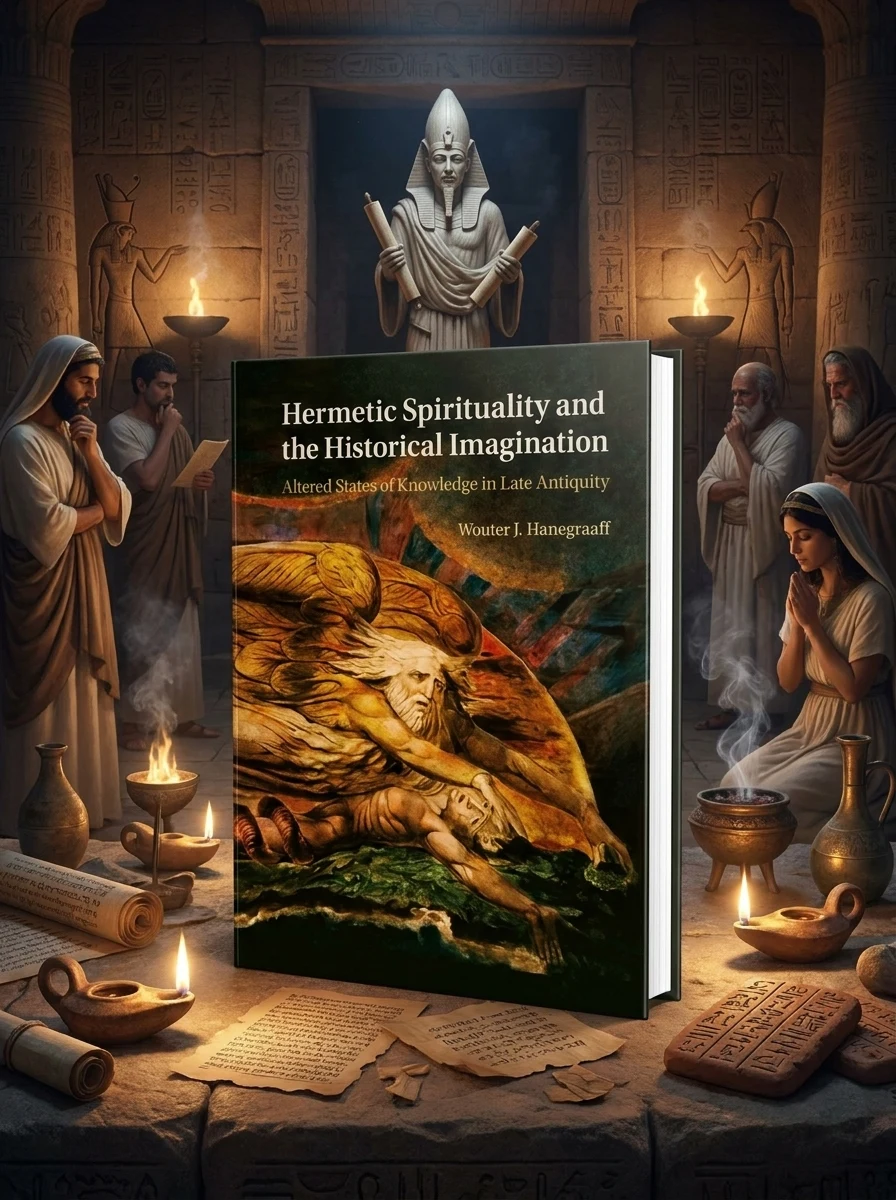

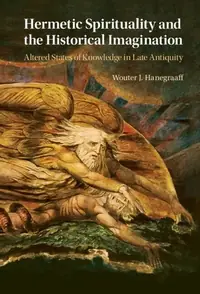
Hermetic Spirituality and the Historical Imagination
Hanegraaff, Wouter J 75
75
 Editorial score
How we rate
Editorial score
How we rate
Stock reported in the catalog; fulfillment is confirmed with your request.
Uncover the visceral, visionary rites of ancient Hermetic initiates seeking direct divine union.
Wouter J. Hanegraaff dismantles the traditional view of Hermetic texts as mere philosophical treatises, revealing them instead as manuals for radical spiritual liberation. He argues that early practitioners in Egypt engaged in intense, experiential training designed to shatter mental delusions and alter consciousness. Through luminous visions, exorcisms, and rebirth rituals, seekers pursued gnôsis—a salvational knowledge granting access to the true, divine nature of reality. This work shifts the focus from abstract theology to the practical, transformative power of the Way of Hermes, highlighting its role in healing the soul through direct encounter with cosmic truth and beauty.
This work situates itself within the study of Western esotericism, specifically re-evaluating Hermetic texts as practical guides for spiritual liberation rather than abstract philosophy. It bridges ancient Egyptian initiatory practices with modern scholarly understanding of gnôsis and consciousness alteration.


📝 Description: Hermetic Spirituality and the Historical Imagination
💎 Expert review
📖 Why choose it
Why this book is worth reading
Scholars and serious practitioners of occult history will find this book indispensable for its radical reframing of early Hermeticism. Hanegraaff moves beyond dry theological analysis to reveal the visceral, experiential core of these ancient texts. Readers seeking to understand how initiates pursued direct divine union through exorcisms and rebirth rituals will gain a profound appreciation for the transformative power of the Way of Hermes. It is essential for anyone interested in the practical mechanics of ancient spiritual liberation and the historical reality of visionary rites.
⭐ Reader reviews
Reader rating
Honestly wasn't sure what to expect, but I'm impressed. It rewards patience more than any book I've bought this year. Solid binding, decent paper — holds up to heavy use. A few pages arrived with light corner wear, though nothing serious. Still worth having on the shelf.
Been hunting for a decent copy of this text for ages. Some chapters demand a slow, careful read, and that's exactly the point. It rewards patience more than any book I've bought this year. Shipping was quick too.
Been hunting for a decent copy of this text for ages. Every rereading turns up something I missed. My only quibble is the cover feels thinner than expected. Good, with the caveats above.
Hanegraaff offers a compelling dismantling of traditional views, presenting Hermeticism as a manual for radical spiritual change rather than mere philosophy. However, this academic rigor may alienate casual readers seeking mystical inspiration or simple historical narratives. The text is dense with scholarly argumentation, focusing on the mechanics of gnôsis and consciousness alteration. It does not suit those looking for devotional practice guides or light reading; it demands intellectual engagement with complex historical imagination and theological restructuring.
❓ Frequently asked questions
📖 Who should read this
Readers interested in the practical, ritualistic roots of Western esotericism rather than dry academic theology. Ideal for those seeking to understand how ancient texts functioned as tools for personal transformation and visionary experience.
🎯 Key themes and symbolism
Experiential gnôsis
Consciousness alteration
Soul healing
💬 Quotes from the book
“The Way of Hermes involved radical alterations of consciousness in which practitioners claimed to perceive the true nature of reality behind the hallucinatory veil of appearances.”
“Practitioners went through a training regime that involved luminous visions, exorcism, spiritual rebirth, and union with the divine beauty of universal goodness.”
📜 Historical context
📚 Glossary
- Gnôsis
- Hermes Trismegistus
- Way of Hermes
📔 Questions to reflect on
- How might your own perceptions of reality be filtered by 'hallucinatory veils' of habit or culture?
- In what ways do you seek 'salvational knowledge' through direct experience rather than intellectual study?
- What rituals or practices in your life aim to facilitate a sense of spiritual rebirth or altered consciousness?
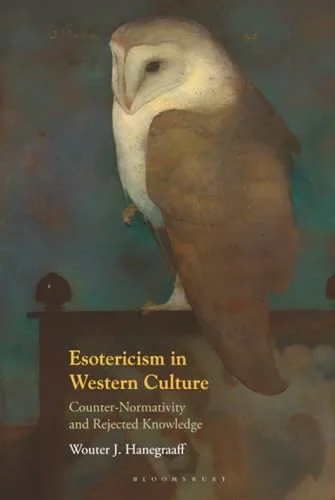
✍️ More books by this author Hanegraaff, Wouter J
All books by this author →
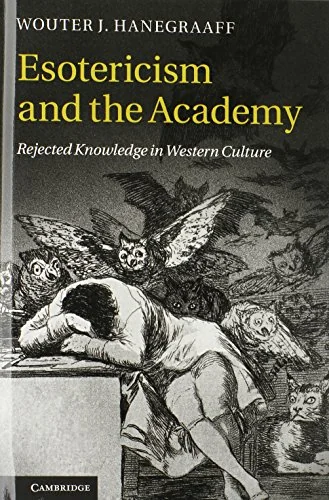
🏛 Books from this publisher Cambridge University Press
All books from this publisher →

 75
75
You might also like
See more →