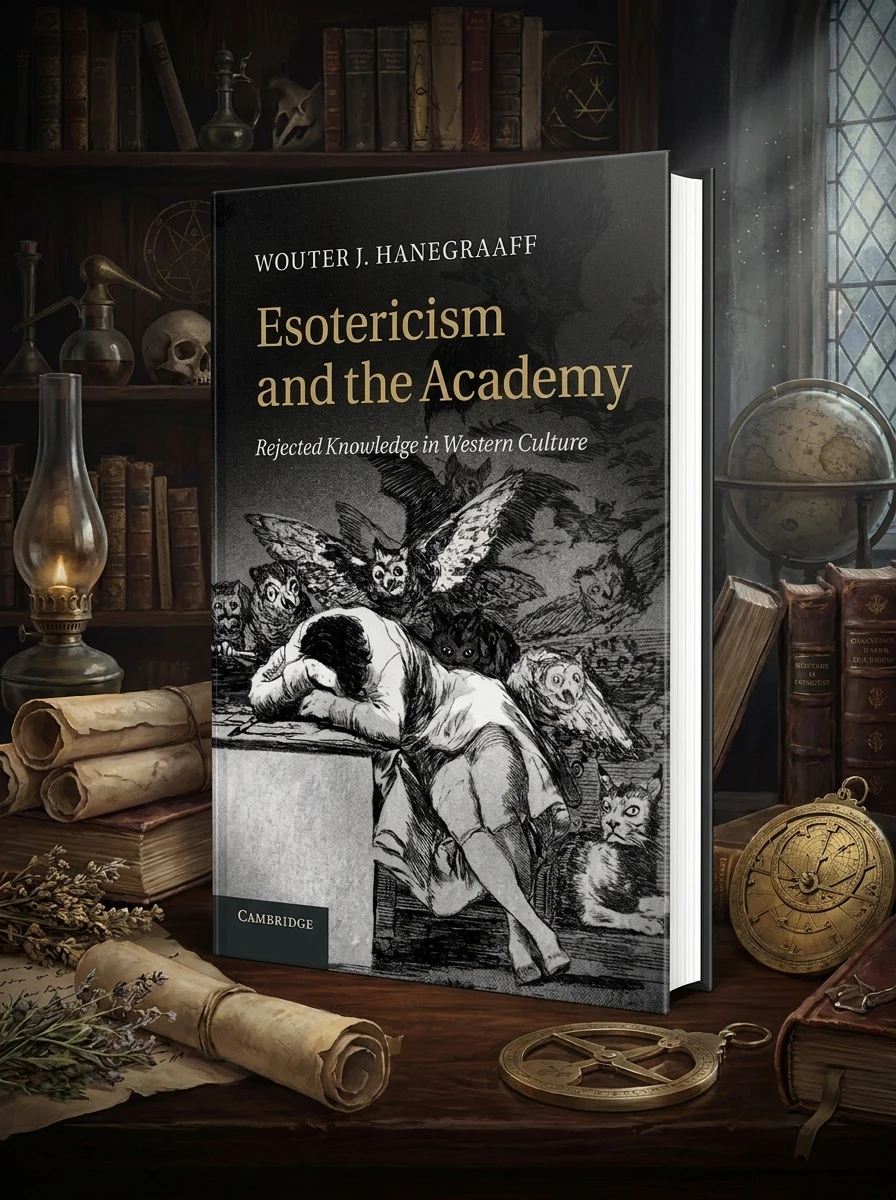
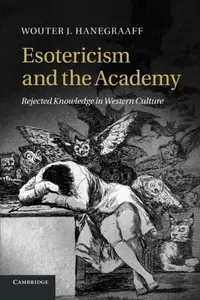
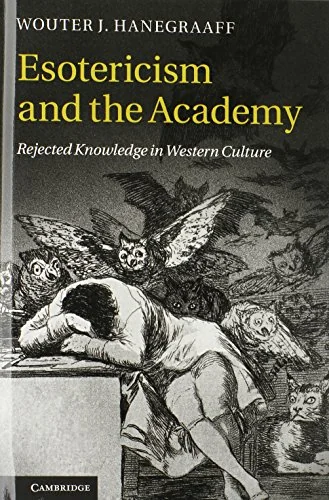
Esotericism and the Academy: Rejected Knowledge in Western Culture
Hanegraaff, Wouter JStock reported in the catalog; fulfillment is confirmed with your request.
Unearth the forbidden intellectual lineage that academia long suppressed as pagan nonsense.
Wouter Hanegraaff meticulously reconstructs the marginalized history of Western esotericism, tracing how Renaissance thinkers grappled with late antiquity’s pagan wisdom. He argues that academic contempt for the occult stems from Protestant and Enlightenment biases that excluded these traditions from legitimate scholarship. By examining primary sources, Hanegraaff reveals how these 'rejected' ideas challenged biblical and rational foundations, forcing modern intellects to define themselves against them. This work restores the esoteric to its rightful place in the history of philosophy and religion, challenging our understanding of what counts as serious knowledge.
This work situates Western esotericism within the broader intellectual history of the West, specifically addressing its marginalization by academic institutions influenced by Protestant and Enlightenment biases.


📝 Description: Esotericism and the Academy: Rejected Knowledge in Western Culture
💎 Expert review
📖 Why choose it
Why this book is worth reading
Scholars and enthusiasts of hidden intellectual lineages will find profound value in this meticulous reconstruction of marginalized history. By tracing how Renaissance thinkers engaged with late antiquity’s pagan wisdom, the book restores esoteric traditions to their rightful place in philosophy and religion. Readers seeking to understand how modern intellects defined themselves against rejected knowledge will appreciate the rigorous examination of primary sources. It offers a compelling corrective to academic contempt, revealing how these suppressed ideas fundamentally challenged biblical and rational foundations. This is essential for anyone interested in the complex evolution of Western thought and the arbitrary boundaries of legitimate scholarship.
⭐ Reader reviews
Reader rating
Not my usual area but wanted to branch out. The typesetting is comfortable for study, with good margins for notes. It's become a regular reference in my practice. Some archaic spellings slow things down.
Honestly wasn't sure what to expect, but I'm impressed. The language takes some getting used to, but it becomes part of the charm. The font runs small in the appendices. Good, with the caveats above.
Been hunting for a decent copy of this text for ages. The symbolism is layered and generous to patient readers. A keeper.
Not my usual area but wanted to branch out. You can tell why this work has endured. A few pages arrived with light corner wear, though nothing serious. Good, with the caveats above.
Bought this as a gift for my sister and ended up ordering a second copy for myself. Challenging in places, but never needlessly obscure. Well worth it.
Been hunting for a decent copy of this text for ages. It's become a regular reference in my practice. Well worth it.
Long-time student of the esoteric here. It pairs well with more modern commentaries on the same tradition. Some chapters demand a slow, careful read, and that's exactly the point. Recommended with reservations.
Hanegraaff provides a robust defense of esoteric studies against historical dismissal, offering a detailed account of suppressed pagan wisdom. However, readers expecting accessible mysticism or practical occult guidance will be disappointed by this dense academic focus on historiography and institutional bias. The text is strictly analytical, targeting those interested in the sociology of knowledge rather than spiritual practice. It may feel dry to general audiences unaccustomed to scholarly debates regarding Protestant and Enlightenment influences on philosophy. This book serves best for historians and philosophers willing to engage with complex arguments about what constitutes serious intellectual heritage.
❓ Frequently asked questions
📖 Who should read this
Scholars of intellectual history, students of religious studies, and anyone curious about how the definition of 'rationality' was constructed against mystical traditions.
🎯 Key themes and symbolism
Academic exclusion
Renaissance syncretism
Epistemological boundaries
💬 Quotes from the book
“The academy defines its identity by excluding the esoteric as its 'Other'.”
“These traditions were expelled not for lack of merit, but for challenging biblical foundations.”
📜 Historical context
📚 Glossary
- Rejected Knowledge
- Western Esotericism
- Polemics
📔 Questions to reflect on
- How does your own definition of 'knowledge' exclude certain types of spiritual or mystical experience?
- In what ways do modern scientific narratives still reflect Enlightenment biases against the esoteric?
- What historical figures or ideas have been dismissed as 'irrational' that might deserve reconsideration today?
✍️ More books by this author Hanegraaff, Wouter J
All books by this author →
🏛 Books from this publisher Cambridge University Press
All books from this publisher →

 75
75
You might also like
See more →
 88
88