Neale Donald Walsch occupies a singular place in contemporary spirituality. His Conversations with God series has sold millions of copies worldwide, and for good reason: his work speaks directly to readers who feel alienated by traditional religion yet hunger for a personal, intimate relationship with the divine. Unlike academic theology or dogmatic instruction, Walsch's books read as dialogues—intimate, questioning, sometimes provocative conversations that invite you to reconsider everything you thought you knew about God, purpose, and human potential.
But which Walsch book should you read first? And in what order? His bibliography spans three decades and includes foundational dialogues, practical guides, children's books, and collaborative works. Some readers dive straight into the trilogy; others benefit from starting with distilled summaries or application-focused volumes. This guide maps the essential twelve books—organized by reading path rather than publication date—so you can find your entry point and progress in a way that serves your spiritual needs.
Walsch's central premise is radical: that God is not a distant judge but an intimate presence, and that direct communication with the divine is available to anyone willing to listen. His books explore this idea across different contexts—personal relationships, global crises, consciousness, and the future of humanity. Whether you're skeptical or already convinced, his work rewards careful, reflective reading.
The Foundational Trilogy: Where Most Readers Begin
If you're new to Walsch, start here. These three books form the backbone of his teaching and are best read in order. They're dense with ideas but written in an accessible, conversational style.
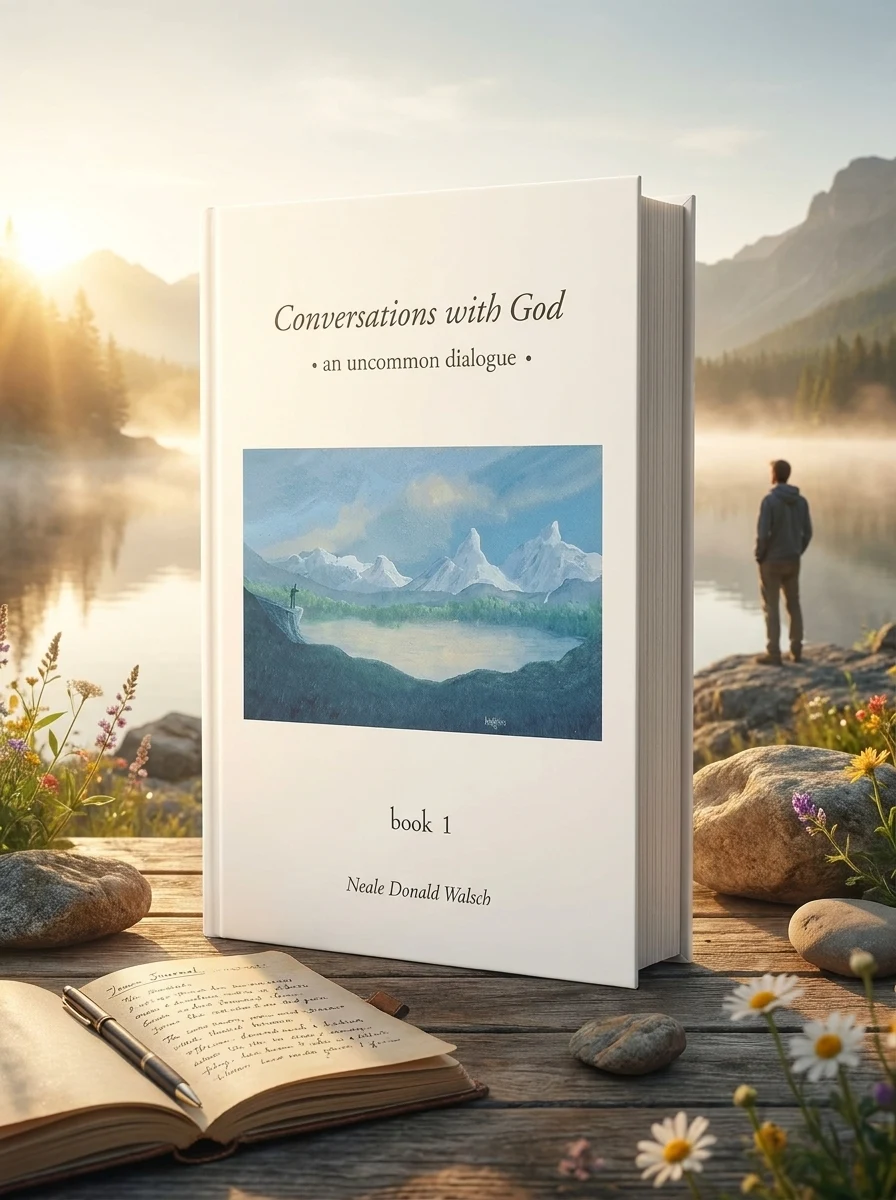
1. Conversations with God: An Uncommon Dialogue, Book 1
Conversations with God, Book 1 is the original, the one that launched Walsch's career and continues to be his most widely read work. Published in 1995, it presents Walsch's account of a series of written dialogues with what he understands as God—or ultimate consciousness. The book addresses fundamental questions: Why do we suffer? What is love? What is the purpose of life? Walsch's God is neither punitive nor distant; instead, this presence offers a radically empowering vision of human potential and divine nature. The tone is intimate and philosophical without being academic. This book suits anyone who has questioned traditional religious frameworks and seeks a direct, personal understanding of the divine beyond dogma.
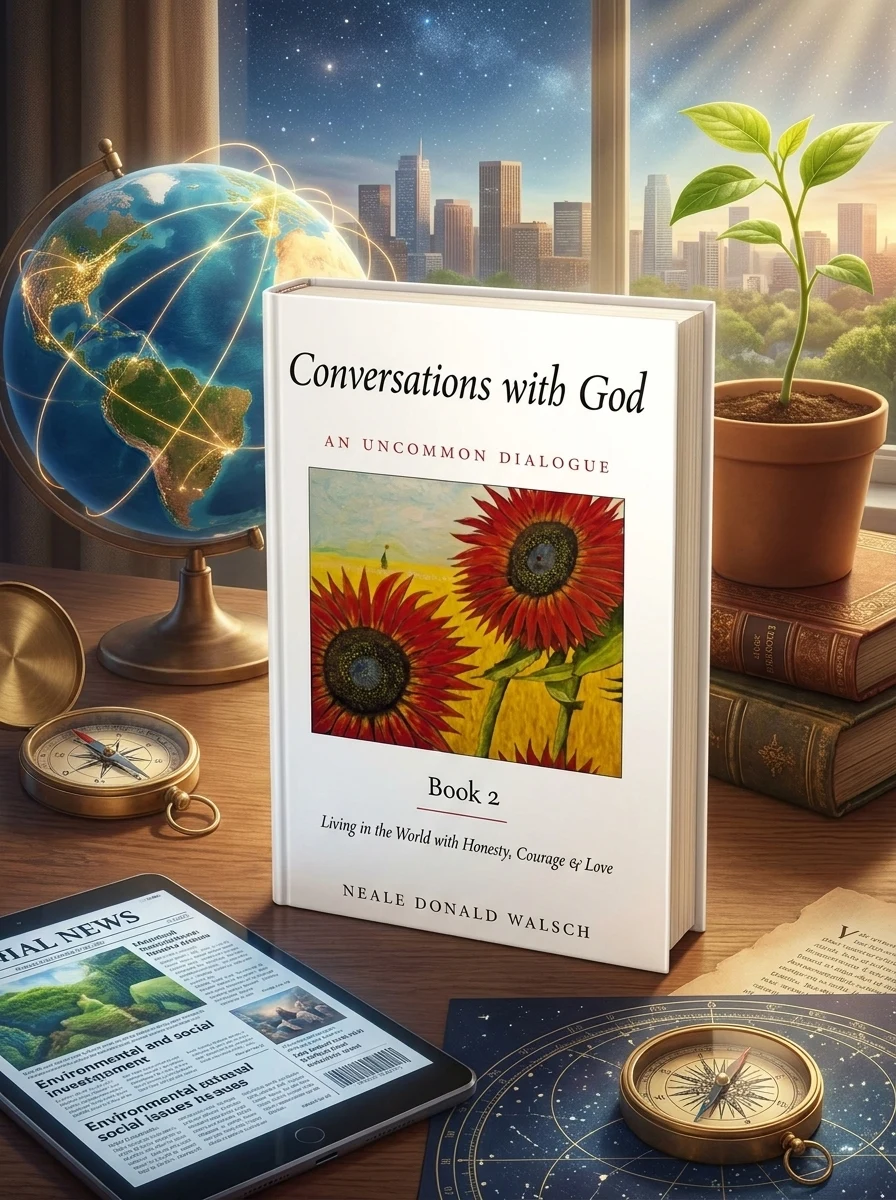
2. Conversations with God, Book 2: Living in the World with Honesty, Courage, and Love
Having established the metaphysical foundation in Book 1, Book 2 turns outward. Here Walsch explores how these spiritual insights apply to real-world challenges: relationships, work, politics, sexuality, and global suffering. If Book 1 answers who is God, Book 2 asks how do I live? This volume is particularly valuable for readers grappling with the world's complexities and seeking a channeled perspective on contemporary issues. It's longer and more demanding than Book 1, but also more practical.
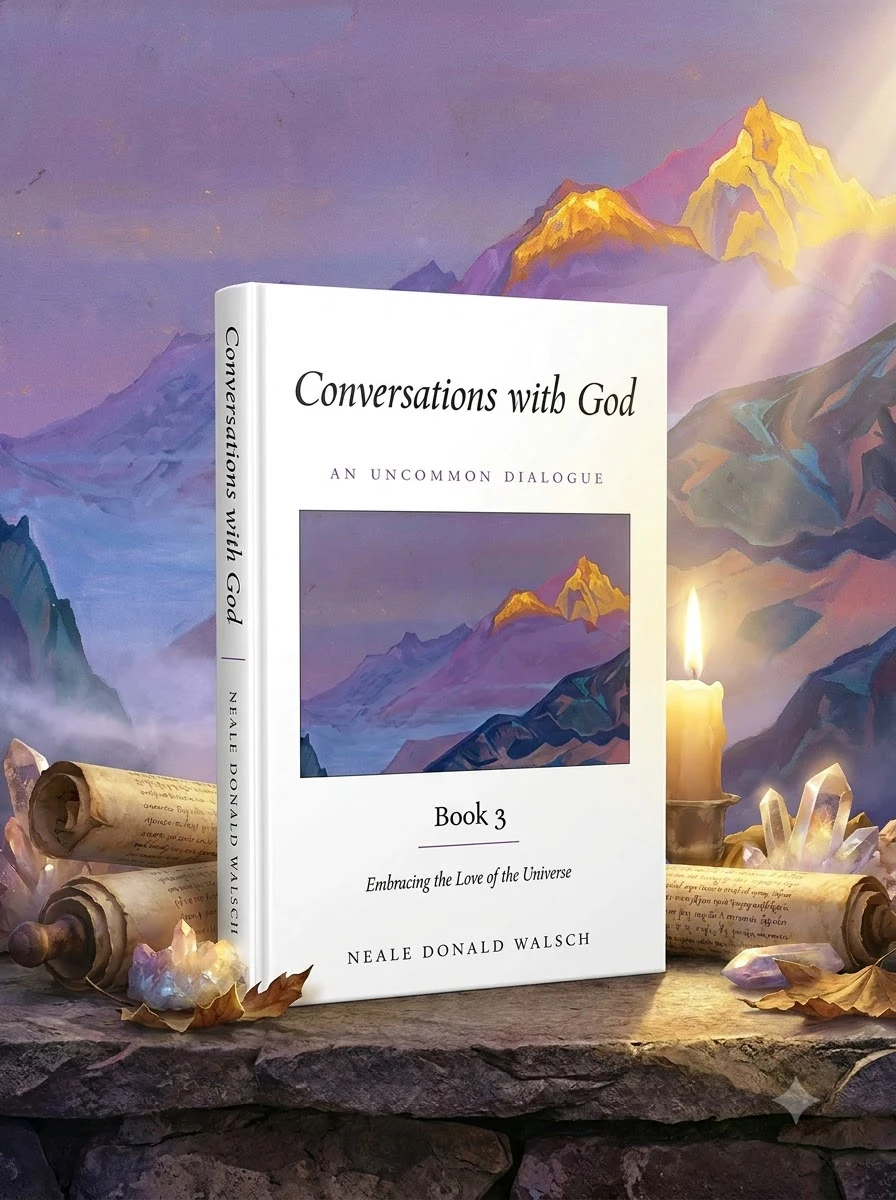
3. Conversations with God, Book 3: Embracing the Love of the Universe
Book 3 completes the original trilogy by zooming out to cosmic and evolutionary scales. Walsch explores humanity's place in the universe, the nature of consciousness itself, and our collective destiny. This book is for seekers yearning for profound spiritual answers that transcend individual concerns and touch on the ultimate meaning of existence. It's the most expansive and visionary of the three.
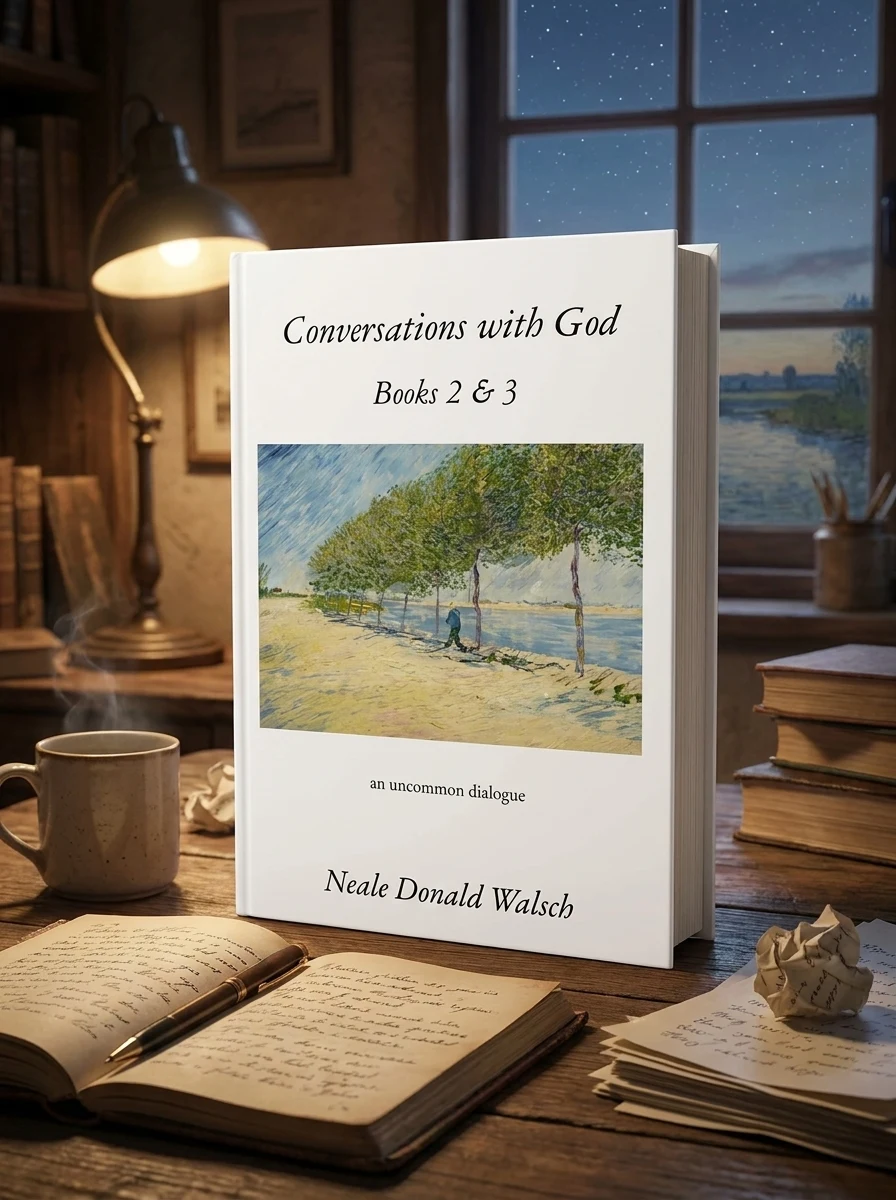
4. Conversations with God, Books 2 & 3: An Uncommon Dialogue
If you want both Books 2 and 3 in a single volume, this combined edition is available. It's an invitation to radical spiritual re-examination for those disillusioned with traditional dogma and craving unfiltered answers to life's hardest questions.
Deepening the Practice: Journals, Meditations, and Distillations
Once you've read the trilogy, these books help you integrate and apply Walsch's teachings to daily life. They're shorter, more focused, and often include practical exercises.
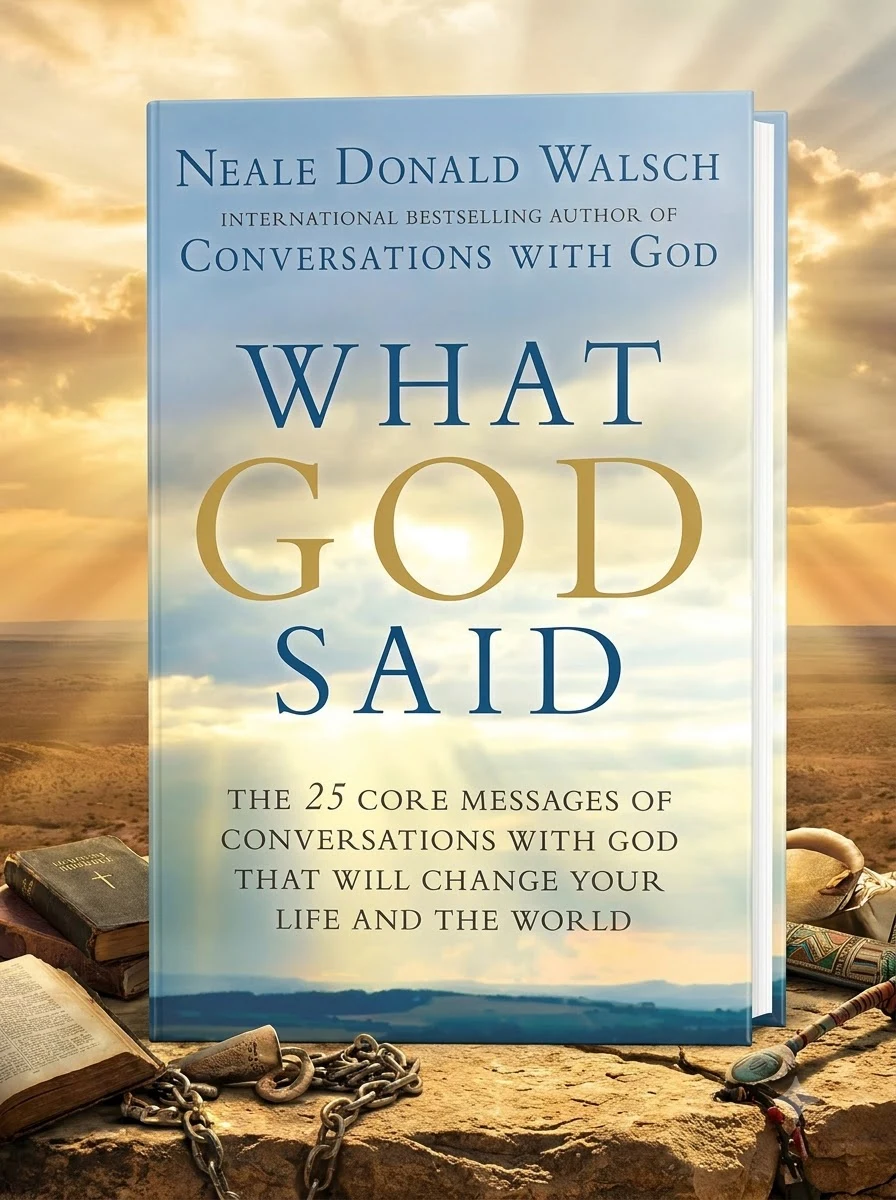
5. What God Said: The 25 Core Messages of Conversations with God That Will Change Your Life and the World
What God Said distills the essential themes from the trilogy into 25 key messages. Think of it as a study guide or a refresher for readers who want the core teachings without rereading thousands of pages. Each message is explained clearly and includes reflection questions. This book is ideal if you're seeking a direct, personal understanding of the divine beyond traditional dogma and are ready to question everything you've been taught.
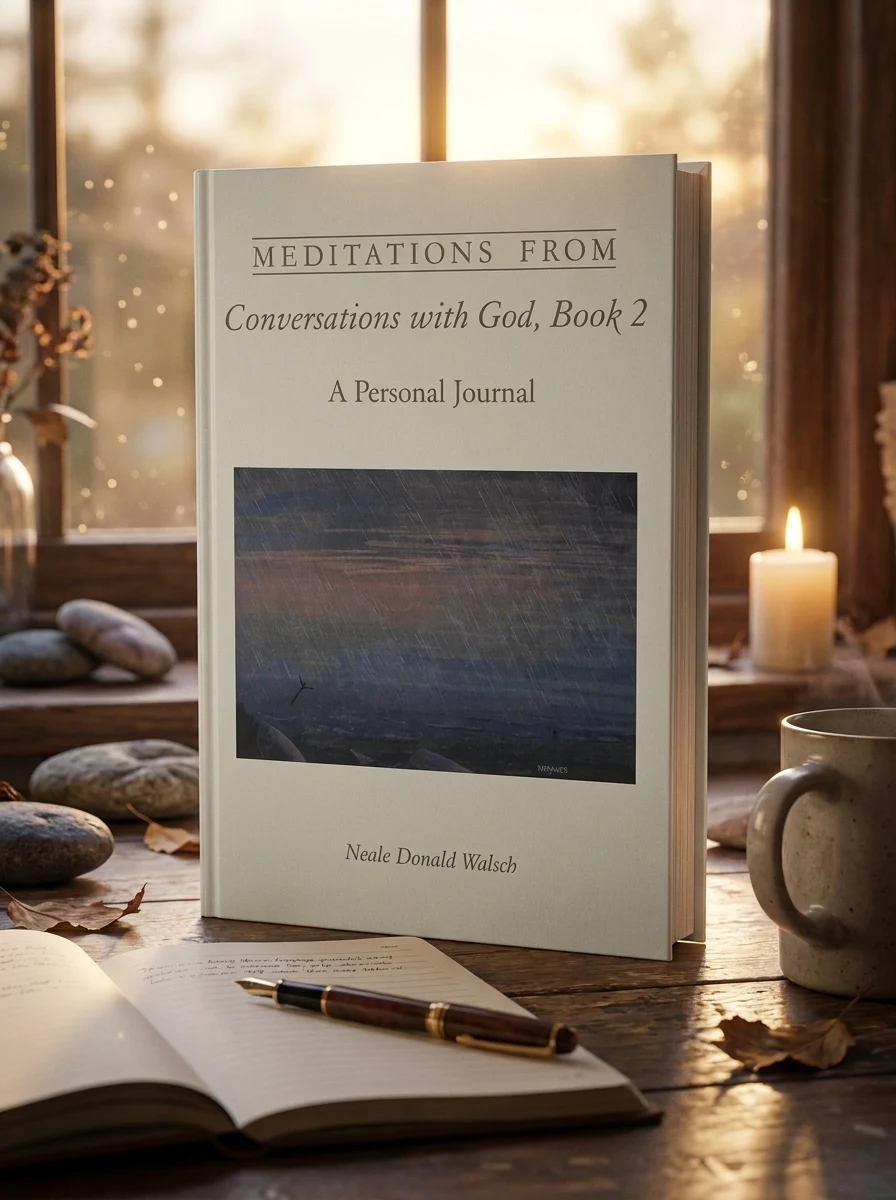
6. Meditations from Conversations with God, Book 2: A Personal Journal
This journal pairs with Book 2 and invites active engagement with Walsch's ideas. Rather than passive reading, you're prompted to reflect, write, and manifest the wisdom into your own life. It's under $15 and suits readers who have resonated deeply with the series and yearn to move beyond contemplation into lived practice.
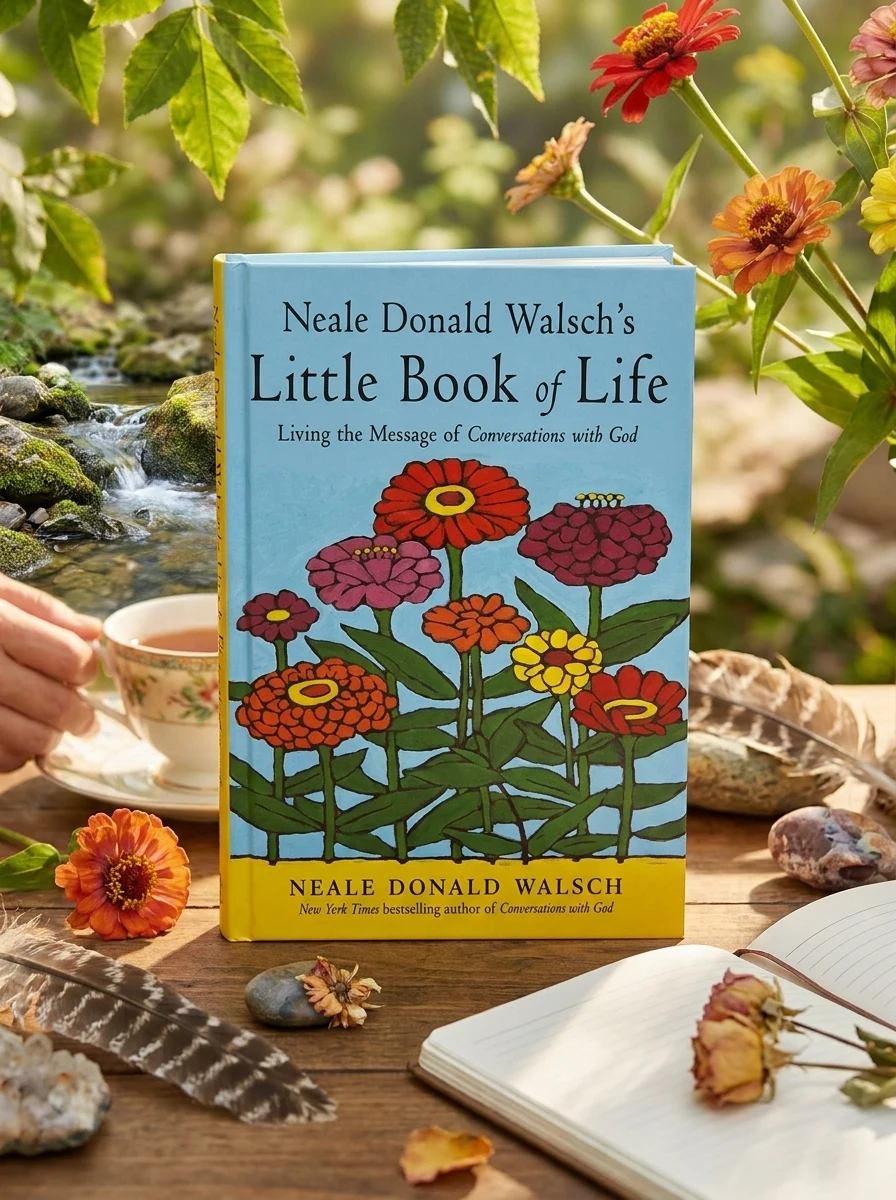
7. Neale Donald Walsch's Little Book of Life: Living the Message of Conversations with God
The Little Book of Life is exactly what its title suggests: a clear, concise guide to integrating spiritual principles into daily life. It's brief (under $15), accessible, and perfect for readers seeking the distilled essence of Walsch's philosophy without the depth of the full trilogy. Many readers keep this one on their nightstand for daily reflection.
Expanding the Dialogue: Later Works and Collaborations
After the original trilogy, Walsch continued to write, exploring new dimensions of his core ideas and collaborating with other teachers. These books are best approached after you've engaged with the foundational material.
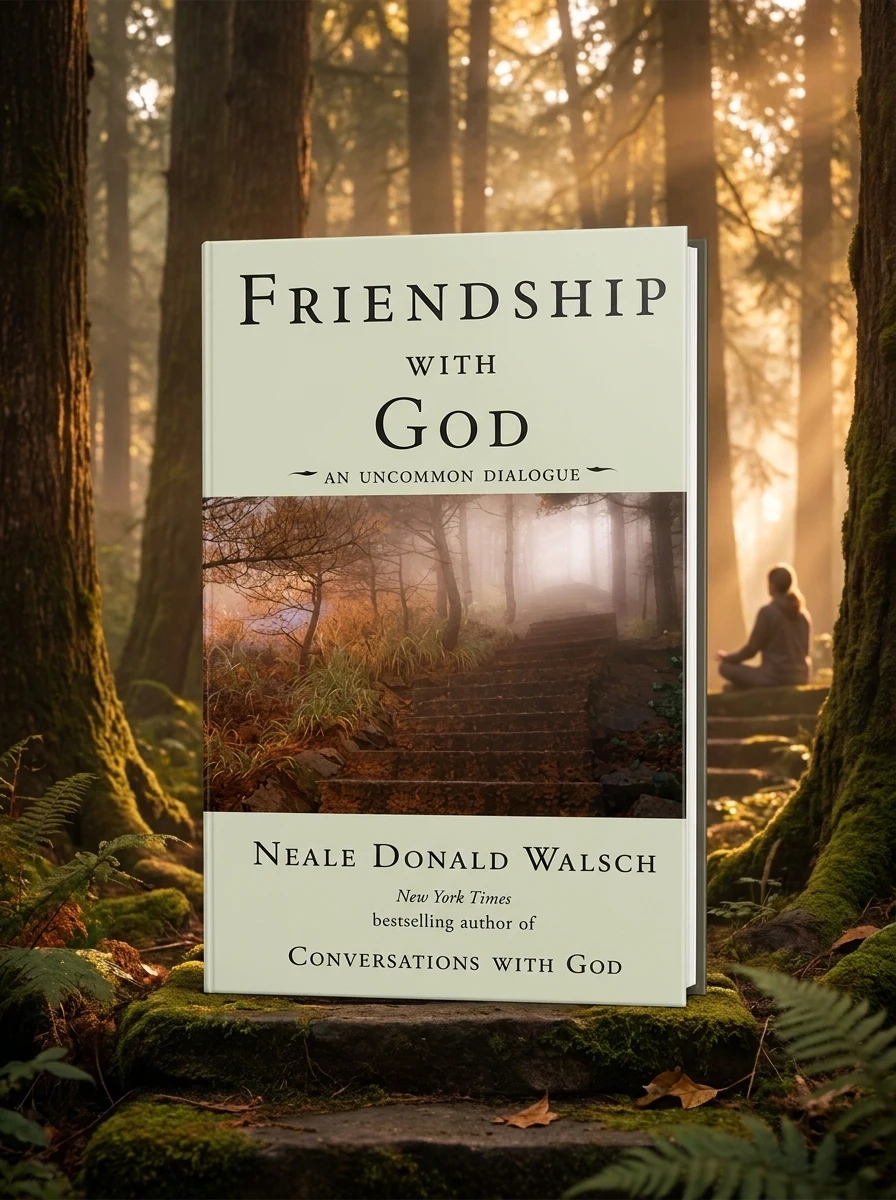
8. Friendship with God: An Uncommon Dialogue
Friendship with God shifts the framing from dialogue to relationship. Where the trilogy presents God as a voice offering wisdom, this book explores what it means to cultivate an ongoing, intimate friendship with the divine. The tone is warmer, more personal. It suits readers who yearn for a spiritual path unburdened by rigid doctrine and seek a direct, profoundly intimate connection with what they understand as the divine. It's priced around $23 and offers a natural progression for longtime readers.
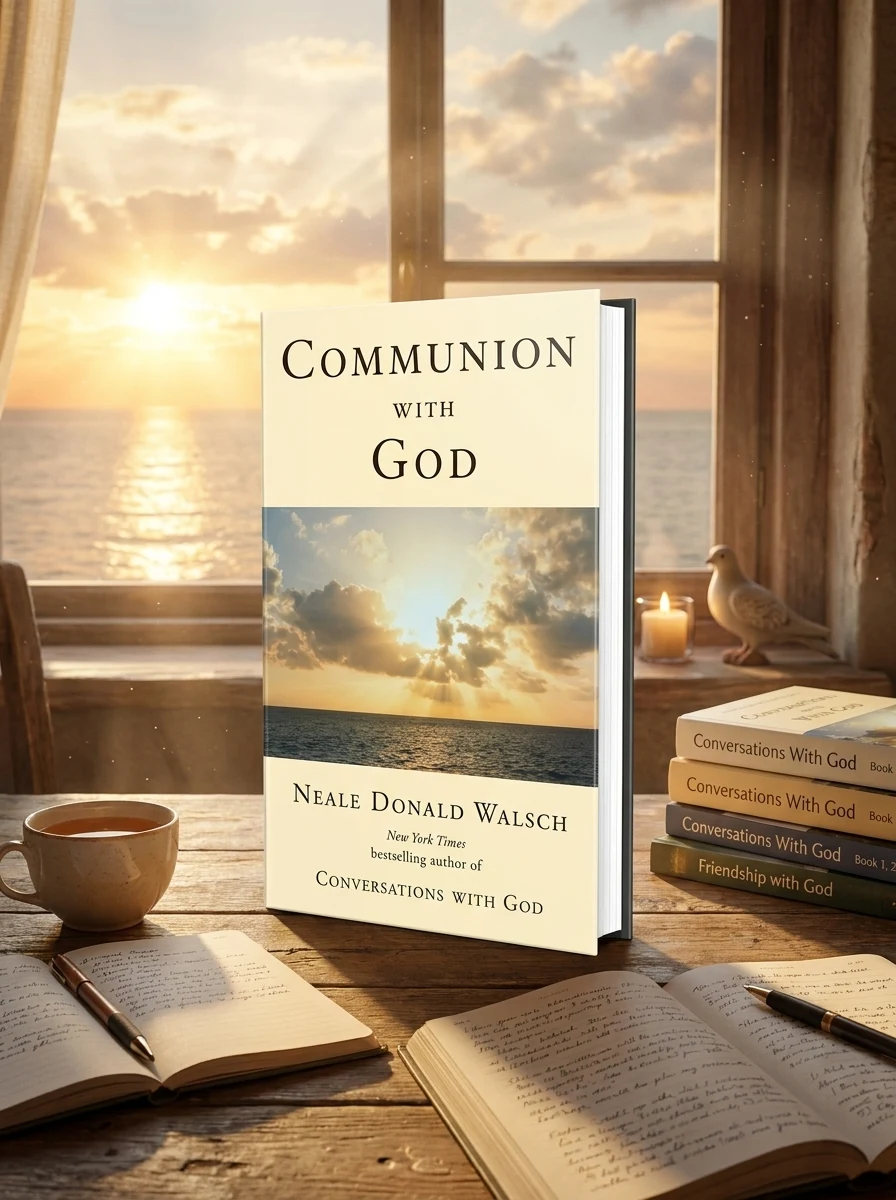
9. Communion with God
Communion with God takes the relationship even deeper, exploring what direct experience of the divine feels like beyond words and concepts. If you've resonated with Walsch's previous works and seek to deepen your spiritual practice beyond mere contemplation, this book invites you into a more experiential territory. It's also around $23 and represents a mature engagement with his teaching.
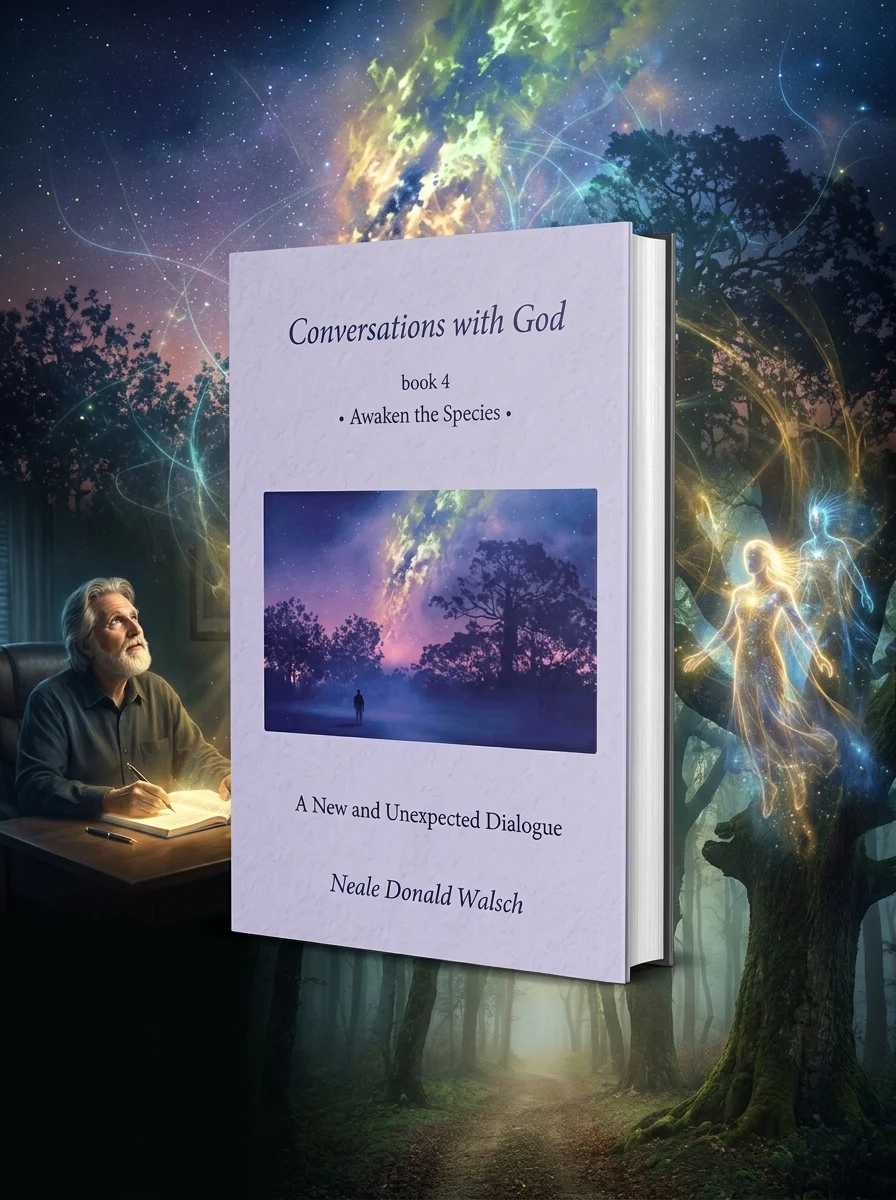
10. Conversations with God, Book 4: Awaken the Species
Book 4 is Walsch's most recent major work in the series, focusing on humanity's collective awakening and cosmic destiny. If you've ever pondered humanity's place in the universe or felt a yearning for deeper collective purpose, this book invites open-minded exploration. It's under $20 and suits readers ready to think beyond personal transformation toward species-level evolution.
Specialized Applications: Relationships, Purpose, and Vision
These books apply Walsch's philosophy to specific life domains. They're shorter and more focused than the main dialogues.
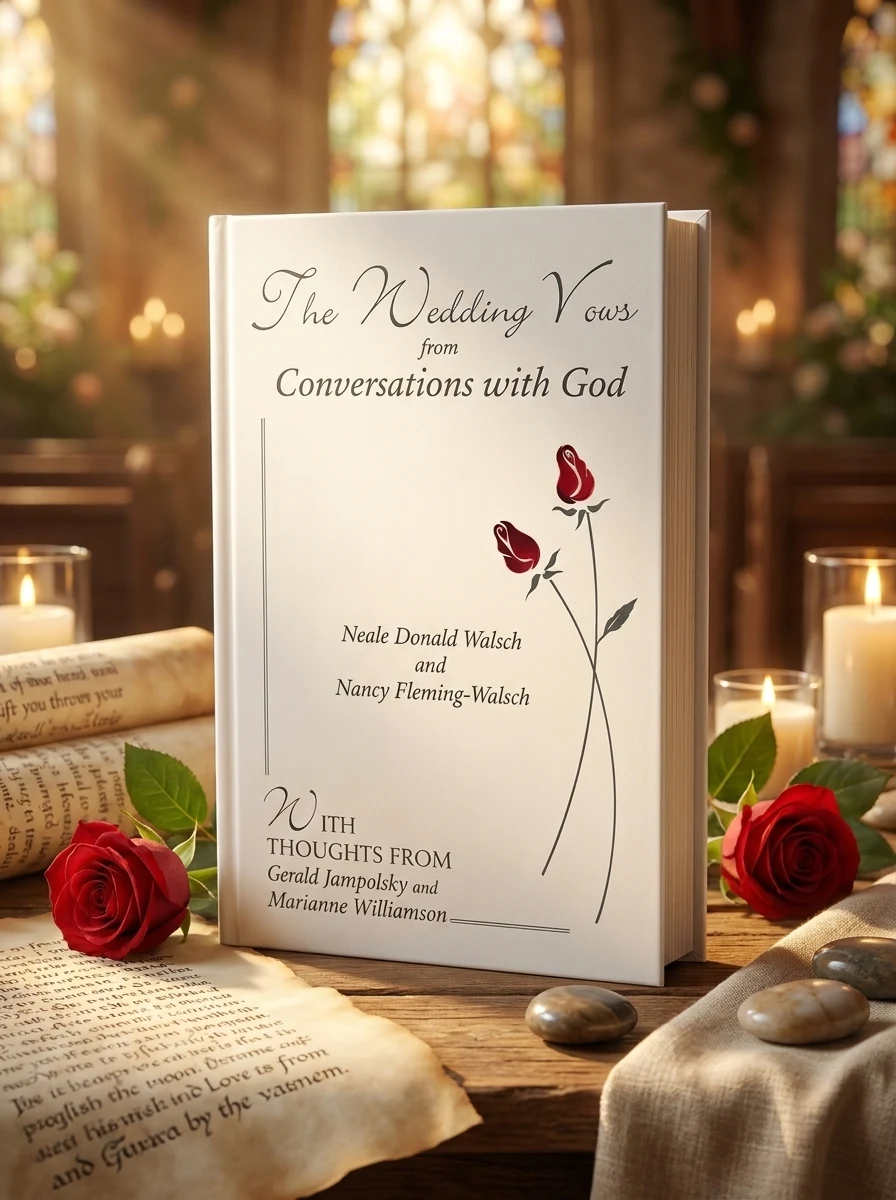
11. The Wedding Vows from Conversations with God: With Nancy Fleming-Walsch
The Wedding Vows offers a spiritual framework for committed partnership, co-authored with Walsch's wife. If you seek to infuse your union with profound spiritual meaning, moving beyond conventional rites, this slim volume (under $15) provides language and perspective for a sacred relationship. It's not a how-to manual but rather a philosophical and poetic exploration of what partnership can mean when grounded in spiritual awareness.
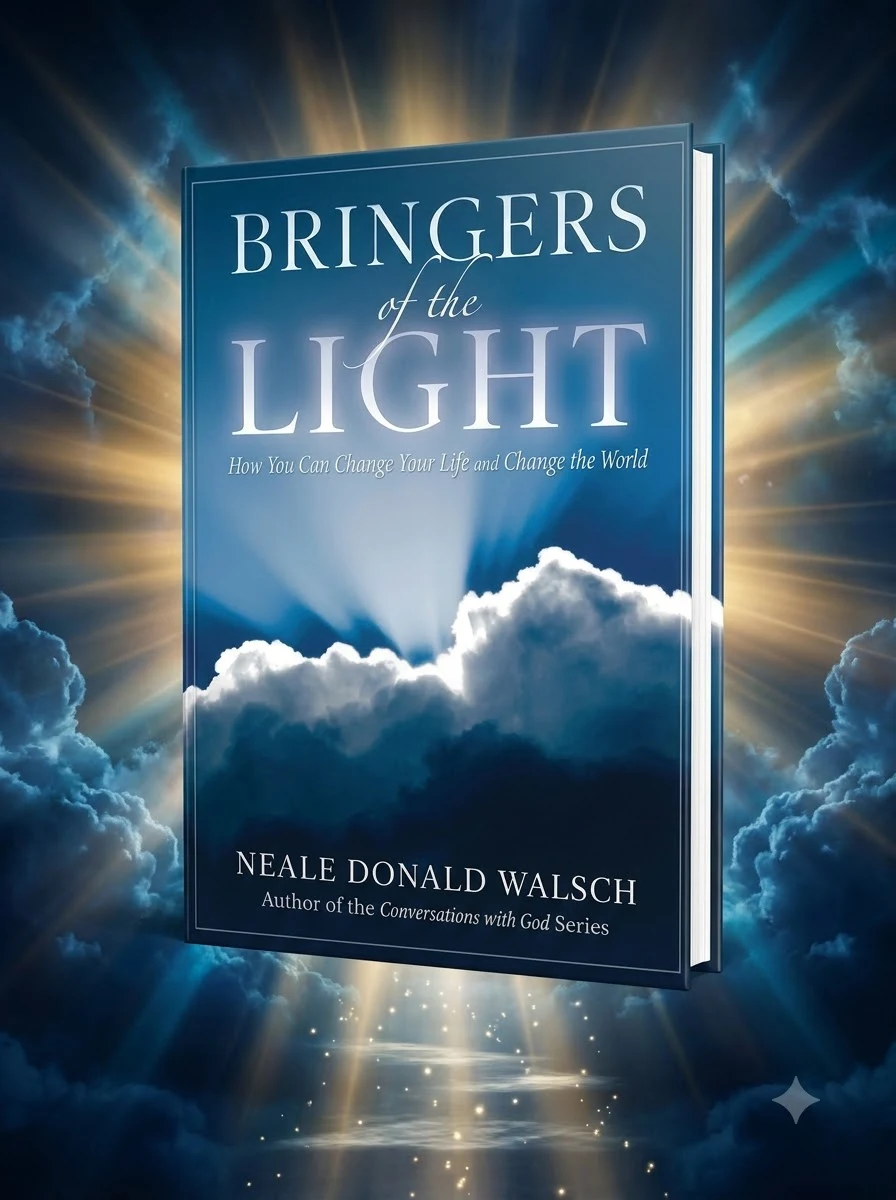
12. Bringers of the Light: How You Can Change Your Life and Change the World
Bringers of the Light bridges personal and collective transformation. Walsch explores how individual spiritual evolution contributes to planetary awakening. If you're seeking to understand the deeper purpose behind your existence and how your personal growth can contribute to a better world, this book (under $15) connects the dots between inner work and outer impact. It's ideal for readers who feel called to service or activism grounded in spiritual principle.
How to Choose Your Starting Point
If you're completely new to Walsch: Begin with Book 1 of Conversations with God. It's the foundation, and nothing else will make full sense without it. Expect to spend time with it—it's dense with ideas and worth rereading passages.
If you want the trilogy but prefer a faster path: Read Book 1, then jump to What God Said for distillation, then return to Books 2 and 3 if you want the full experience.
If you're already familiar with Walsch's ideas: Move directly to the later dialogues like Friendship with God or Communion with God for fresh perspectives.
If you want to apply his teachings immediately: Pair The Little Book of Life with the meditation journal for a practical, reflective practice.
If you're skeptical: That's fine. Walsch's work invites questioning, not blind belief. Start with Book 1 and approach it as a philosophical exploration rather than doctrine. You don't have to accept his premise to benefit from the ideas.
Walsch's books are not light reads, but they reward careful attention. His central claim—that direct communication with the divine is possible and transformative—challenges readers to reconsider their assumptions about spirituality, purpose, and human potential. Whether you accept his theology or not, engaging with his work is an act of intellectual and spiritual courage.