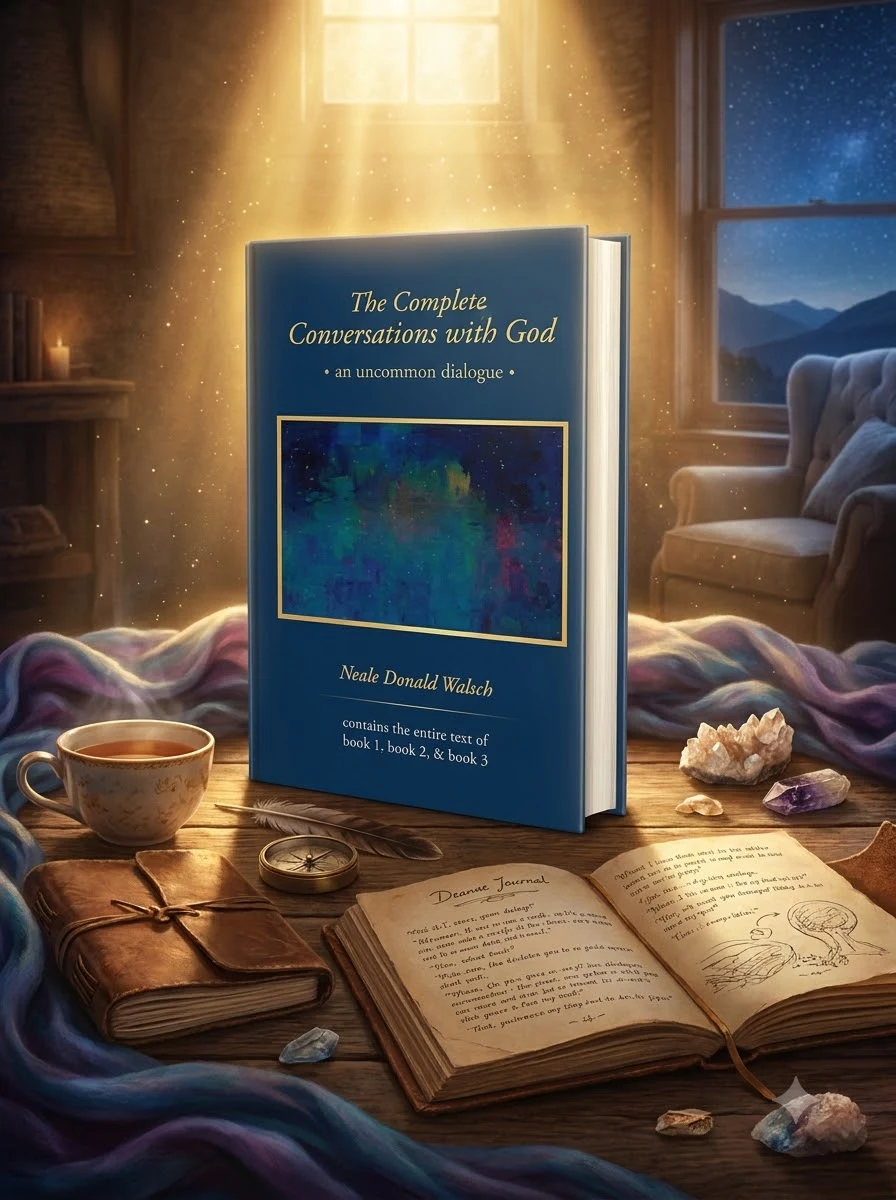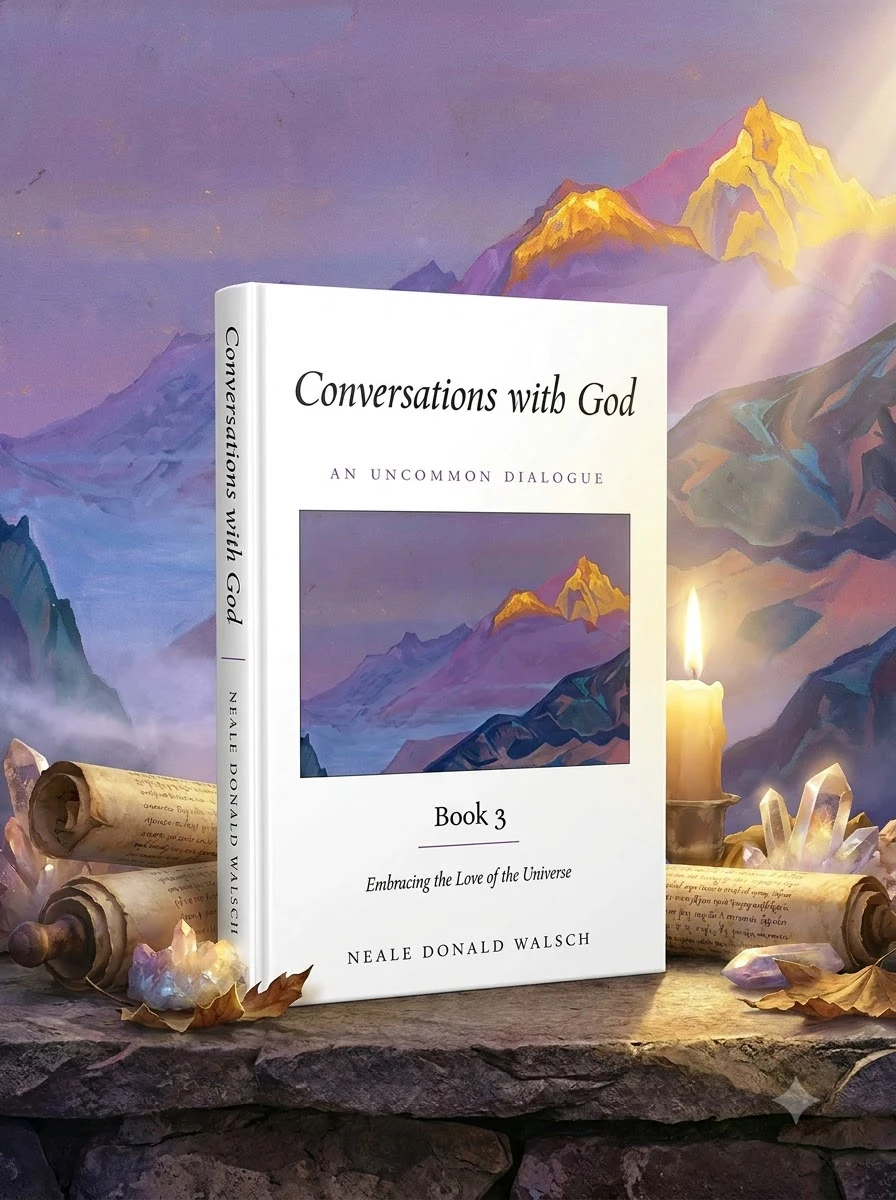
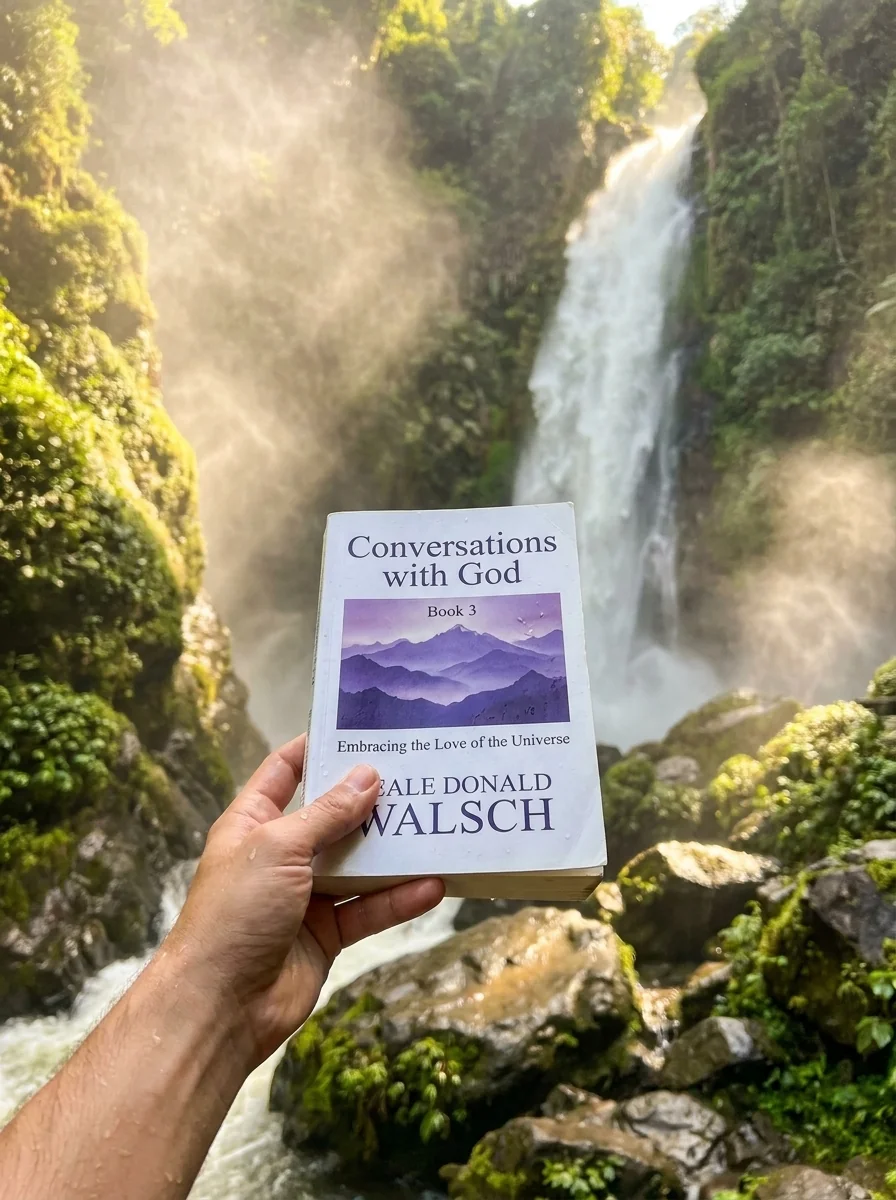
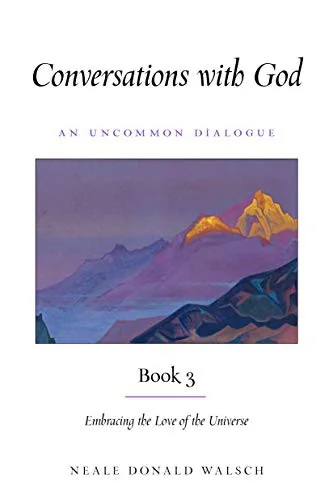
Conversations with God, Book 3: Embracing the Love of the Universe
✍️ Walsch, Neale DonaldThis concluding volume in the seminal "Conversations with God" trilogy offers a profound exploration into the nature of the universe, our place within it, and the very essence of the divine. Through an intimate, question-and-answer format, it challenges conventional wisdom, inviting readers to reconsider their understanding of meaning, purpose, and the benevolent forces at play in creation. It's a journey into higher consciousness, illuminating universal truths that transcend dogma and foster a deep sense of personal empowerment and spiritual connection.


📝 Description: Conversations with God, Book 3: Embracing the Love of the Universe
💎 Expert review
📖 Why choose it
Why this book is worth reading
Readers seeking a gentle, intuitive path to spiritual understanding will find immense comfort here. It is ideal for those feeling disconnected from traditional religious structures and craving a direct, loving relationship with the universe. The conversational style makes complex metaphysical concepts feel approachable and personal. Those longing for reassurance about their purpose and the benevolent nature of existence will gain a profound sense of peace and empowerment. It serves as a comforting guide for anyone ready to embrace universal love without the weight of rigid doctrine or fear-based teachings.
⭐ Reader reviews
Reader rating
This concluding trilogy volume offers a warm, inviting exploration of divine love that resonates with seekers of New Age philosophy. Its strength lies in its accessible dialogue format, which demystifies profound spiritual concepts for the layperson. However, it may disappoint those accustomed to rigorous theological analysis or academic scrutiny of esoteric texts. Readers expecting dense philosophical argumentation or historical occult context will likely find the content overly simplistic. It is not suited for skeptics demanding empirical evidence or traditionalists bound by established religious dogma. While spiritually uplifting for its target audience, it lacks the intellectual depth required for advanced metaphysical study.
❓ Frequently asked questions
📖 Who should read this
For seekers yearning for profound spiritual answers beyond conventional religious frameworks, this book offers a transformative perspective. If you are ready to question ingrained beliefs and embrace a radically inclusive, empowering view of the divine and your own role in creation, this conversation awaits you.
🎯 Key themes and symbolism
Spiritual Evolution & Purpose
The book guides readers through an understanding of humanity's ongoing spiritual journey, emphasizing personal growth as a pathway to divine connection. It encourages self-reflection on individual purpose, suggesting that our lives are a continuous process of becoming and expressing the highest aspects of our being within the cosmic dance.
Nature of Divine Reality
This work delves into a radical reinterpretation of God, portraying a non-judgmental, unconditionally loving, and all-encompassing presence. It challenges traditional theological frameworks, presenting the divine not as an external entity to be feared, but as an inherent, co-creative force accessible through direct personal experience and intuition.
Universal Truths Explored
Through its unique conversational style, the book uncovers foundational principles governing existence, from the mechanics of creation to the dynamics of relationships and the concept of time. It aims to demystify complex metaphysical ideas, presenting them as understandable, practical insights for navigating life's challenges and embracing spiritual mastery.
📜 Historical context
📚 Glossary
- Epistemology
- Mysticism
- Universal Truths
📔 Questions to reflect on
- How might viewing God as an unconditionally loving, non-judgmental force alter your daily decisions and interactions?
- In what ways do you feel you are currently 'creating' your reality, and what aspects would you choose to consciously shift?
- Reflect on a personal challenge or dilemma. How might a shift in your understanding of 'universal truths' offer a new path forward or a fresh perspective?